
Nutrition comparison
Raspberry vs Pomegranate Seeds: Which Is Healthier for Daily Eating?
Compare raspberries and pomegranate seeds on sugar, fiber, antioxidants, and heart health. Find out which fruit fits your diet best and how to use both strategically.
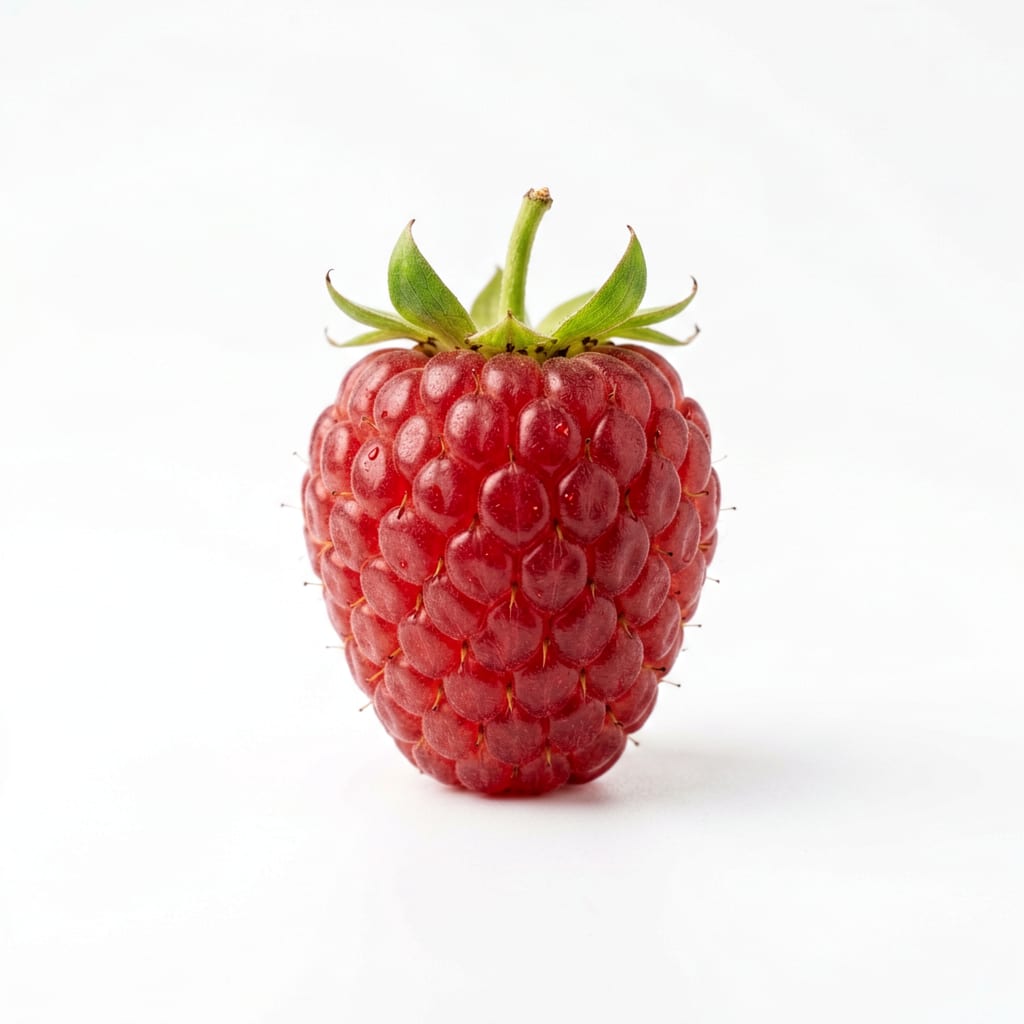
Raspberry
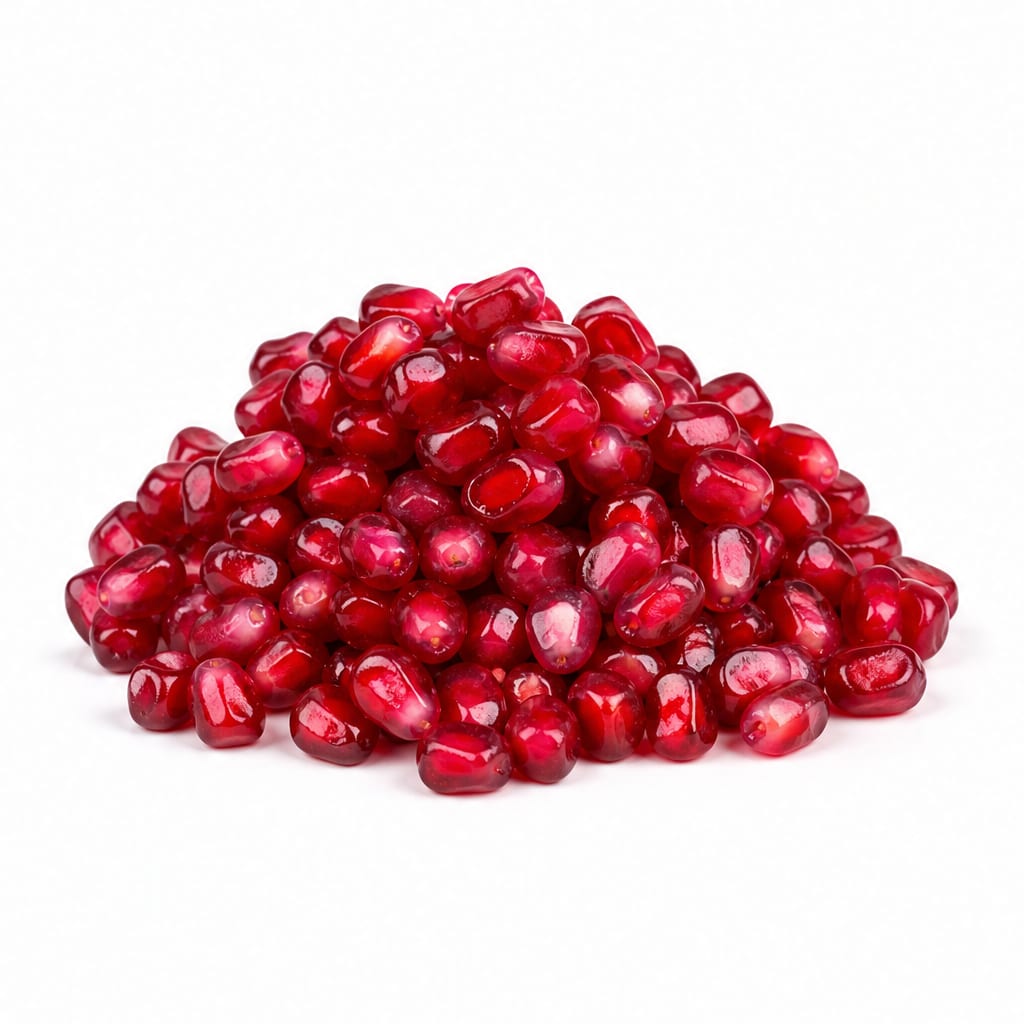
Pomegranate Seeds
Raspberries win for daily low-sugar snacking; pomegranate seeds win for targeted antioxidant and heart-health benefits.
Raspberries score higher overall due to superior sugar-to-fiber ratio, lower calories, and everyday practicality. Pomegranate seeds are nutritionally potent but their higher sugar content, cost, and prep burden make them harder to justify as a daily staple.
Raspberries give you far more fiber and far less sugar per calorie, while pomegranate seeds deliver superior antioxidant potency and stronger anti-inflammatory effects at the cost of more sugar and higher price.
At a glance
Executive summary
Overall
It depends
Healthier
Raspberry
More practical
Raspberry
Daily use
Raspberry
Key comparison lenses
antioxidant potency
Both are antioxidant powerhouses but through completely different compounds — punicalagins vs ellagic acid
sugar and blood impact
Raspberries have dramatically less sugar, making this a key differentiator for daily eating
calorie efficiency
Raspberries deliver more fiber and nutrients per calorie, which matters for weight-conscious users
convenience and cost
Pomegranate seeds require extraction and cost significantly more, affecting real-world use
heart and inflammation
Pomegranate has stronger clinical evidence for cardiovascular and anti-inflammatory benefits
Best choice for
Raspberry
- Low-sugar diets and blood sugar management
- Weight loss and calorie-conscious eating
- Daily fruit intake without sugar stacking
- Budget-friendly antioxidant sources
Pomegranate Seeds
- Targeted anti-inflammatory support
- Heart health optimization
- Occasional nutrient-dense treat with unique polyphenols
- Post-exercise recovery antioxidant boost
Least suitable for
Raspberry
- Those seeking maximum antioxidant concentration per serving
- People wanting strong clinical evidence for heart-specific benefits
Pomegranate Seeds
- Strict low-sugar or ketogenic diets
- Budget-conscious daily fruit consumers
- Those who need quick grab-and-go convenience
Deep comparison
Dimension by dimension
Each lens scores both foods and breaks down who each option suits.
- Dimension 1 · Priority 92Raspberry
Sugar Impact & Blood Sugar Stability
Raspberry · 90Pomegranate Seeds · 55Raspberries contain roughly 5g of sugar per cup versus pomegranate seeds at around 24g — a massive gap that affects blood sugar response.
Tradeoff
Pomegranate seeds taste more indulgent and satisfying because of their natural sweetness, but that sweetness comes with a real glycemic cost.
Why it matters
If you eat fruit multiple times a day, sugar adds up fast. Raspberries let you enjoy berries freely; pomegranate seeds require portion awareness.
Real-world impact
A cup of raspberries with breakfast barely moves your blood sugar. A full cup of pomegranate seeds can cause a noticeable spike, especially on an empty stomach.
Raspberry
- Diabetics and pre-diabetics
- Low-carb and keto dieters
- People who snack on fruit throughout the day
Better for
- Those who find tart fruit unappealing and overeat sweeter foods to compensate
Worse for
Pomegranate Seeds
- Athletes who need natural sugar post-workout
- People who find low-sugar fruit unsatisfying
Better for
- Anyone tracking daily sugar intake carefully
- People with insulin resistance eating large portions
Worse for
- Dimension 2 · Priority 90Pomegranate Seeds
Antioxidant Potency & Anti-Inflammatory Power
Raspberry · 72Pomegranate Seeds · 93Pomegranate seeds contain punicalagins, among the most potent dietary antioxidants discovered, with stronger clinical backing for reducing inflammation markers.
Tradeoff
You get more antioxidant firepower from pomegranate seeds, but you pay for it with more sugar and calories per serving.
Why it matters
Chronic inflammation drives aging and disease. Pomegranate's punicalagins are uniquely effective at quenching free radicals and lowering inflammatory markers.
Real-world impact
Regular pomegranate consumption has been linked to measurable reductions in blood pressure and arterial plaque progression — effects raspberries cannot match at typical serving sizes.
Raspberry
- People who want moderate antioxidant support without sugar loading
- Those already eating a diverse high-polyphenol diet
Better for
- Those relying on one fruit for maximum anti-inflammatory benefit
Worse for
Pomegranate Seeds
- People with chronic inflammation concerns
- Those focused on cardiovascular protection
- Anyone wanting the strongest single-source antioxidant punch
Better for
- People who assume more antioxidants always means healthier overall
Worse for
- Dimension 3 · Priority 82Raspberry
Fiber Density & Satiety
Raspberry · 88Pomegranate Seeds · 65Raspberries deliver about 8g of fiber per 64-calorie cup — one of the highest fiber-to-calorie ratios of any fruit. Pomegranate seeds offer decent fiber but at more than double the calories.
Tradeoff
Raspberries keep you fuller for fewer calories. Pomegranate seeds are more calorie-dense, so you get less satiety per calorie consumed.
Why it matters
Fiber is the single most underrated nutrient for weight management, digestion, and blood sugar control. Raspberries are essentially a fiber supplement disguised as a snack.
Real-world impact
A cup of raspberries with yogurt feels surprisingly filling for under 100 calories. The same volume of pomegranate seeds adds over 140 calories with less satiety impact.
Raspberry
- Weight loss dieters who need volume and fullness
- People with sluggish digestion needing fiber support
- Anyone trying to reduce overall calorie intake without hunger
Better for
- People with very high caloric needs who find raspberries too light
Worse for
Pomegranate Seeds
- Those who prioritize taste satisfaction over maximum fullness
Better for
- Mindless snackers who easily overeat calorie-dense fruit
Worse for
- Dimension 4 · Priority 78Raspberry
Convenience & Practicality
Raspberry · 88Pomegranate Seeds · 52Raspberries are ready to eat — wash and go. Pomegranate seeds require extraction, which is messy and time-consuming unless you buy pre-packaged arils at a premium.
Tradeoff
Pre-packaged pomegranate seeds solve the convenience problem but cost 3-4x more per serving than raspberries.
Why it matters
The best fruit for you is the one you actually eat regularly. Friction in preparation directly reduces consumption frequency.
Real-world impact
Frozen raspberries are available year-round, cheap, and need zero prep. Pomegranate season is limited, and extracting seeds is a 10-minute staining hazard.
Raspberry
- Busy professionals who need quick snacks
- Meal preppers who want easy frozen fruit options
- Parents packing school lunches
Better for
- Those who find raspberries too delicate and perishable
Worse for
Pomegranate Seeds
- Weekend brunch enthusiasts who enjoy the ritual
- People willing to pay for pre-extracted arils
Better for
- Anyone with limited prep time on weekdays
- Budget-conscious shoppers
Worse for
- Dimension 5 · Priority 75Pomegranate Seeds
Heart Health & Vascular Protection
Raspberry · 68Pomegranate Seeds · 88Pomegranate seeds have stronger clinical evidence for improving blood pressure, reducing arterial plaque, and protecting endothelial function compared to raspberries.
Tradeoff
The heart benefits are real but require consistent intake over weeks to months — occasional consumption will not move the needle.
Why it matters
Heart disease remains the leading cause of death. Pomegranate is one of the few fruits with intervention-level evidence for vascular health.
Real-world impact
Studies show daily pomegranate juice or seed consumption can reduce systolic blood pressure by 5-7 mmHg over time — a meaningful clinical effect from food alone.
Raspberry
- People with healthy hearts who just need baseline fruit intake
- Those at low cardiovascular risk who prioritize weight control
Better for
- Those specifically targeting cardiovascular markers through diet
Worse for
Pomegranate Seeds
- People with family history of heart disease
- Those with elevated blood pressure seeking dietary interventions
- Anyone wanting food-based vascular support
Better for
- People who eat them so rarely that the heart benefits never accumulate
Worse for
- Dimension 6 · Priority 70Raspberry
Cost & Accessibility
Raspberry · 82Pomegranate Seeds · 48Frozen raspberries are affordable and available everywhere. Whole pomegranates are seasonal, and pre-extracted seeds are expensive.
Tradeoff
Pomegranate seeds are a luxury fruit option. Raspberries are an everyday fruit that fits almost any budget.
Why it matters
Nutrition only works if you can afford it consistently. Cost is the most ignored factor in dietary recommendations.
Real-world impact
A bag of frozen raspberries costs roughly $3-4 and provides multiple servings. The same amount of pomegranate seeds can cost $6-10.
Raspberry
- Families feeding multiple people
- Students and budget-conscious shoppers
- Anyone buying fruit weekly in bulk
Better for
- Those who find fresh raspberries spoil too quickly before finishing the pack
Worse for
Pomegranate Seeds
- Those who treat specialty fruit as an occasional investment
- People who buy pre-extracted arils for convenience regardless of cost
Better for
- Anyone on a tight grocery budget
- People in regions where pomegranates are not readily available
Worse for
Timeline
Health impact over time
Short-term
Hours to days
Raspberry
- Quick satiety from high fiber with minimal blood sugar disruption
- Mild digestive stimulation from fiber load if eating large quantities
- Tart flavor can feel refreshing and palate-cleansing after meals
Pomegranate Seeds
- Noticeable energy boost from natural sugar content, especially on empty stomach
- Temporary blood sugar rise that settles within 1-2 hours in healthy individuals
- Juicy burst of flavor feels immediately rewarding and satisfying
Long-term
Months to years
Raspberry
- Improved digestive regularity from consistent high fiber intake
- Better weight management due to low calorie density and high satiety
- Moderate antioxidant protection against cellular aging
Pomegranate Seeds
- Reduced inflammatory markers with consistent consumption over months
- Potential blood pressure improvement and arterial health support
- Higher cumulative sugar intake if portions are not managed
Risk profile
Safety & processing
Both fruits are whole, unprocessed foods in their natural state. The only processing concern is pre-packaged pomegranate arils, which may sit in plastic containers longer and cost more. Frozen raspberries are flash-frozen at peak ripeness with no additives.
Raspberry
Pesticide residue
mediumRaspberries consistently appear on the EWG Dirty Dozen list due to pesticide residue. Buying organic significantly reduces exposure.
Mold and spoilage
mediumFresh raspberries are extremely perishable and can develop mold within 1-2 days. Inspect carefully and refrigerate immediately.
Pomegranate Seeds
Pesticide residue
lowPomegranates have thick protective skins that shield the edible seeds from most pesticide exposure. Conventional is generally acceptable.
Choking hazard for young children
mediumIndividual arils can be a choking risk for toddlers. Crush or mash before serving to children under 4.
Who wins for whom
Audience fit
Same foods, different winners depending on your goal.
children
RaspberryRaspberries are easier for small children to eat safely, have less sugar, and require no seed extraction. Pomegranate arils pose a mild choking risk for toddlers.
daily consumption
RaspberryLower sugar, lower cost, easier prep, and higher fiber per calorie make raspberries the more sustainable daily choice for most people.
diabetes
RaspberryWith roughly one-fifth the sugar of pomegranate seeds per cup and more fiber to slow absorption, raspberries are clearly safer for blood sugar management.
elderly
It dependsRaspberries are gentler on blood sugar and easier to eat, but pomegranate seeds offer stronger cardiovascular protection which matters more in older age. Choose based on the individual's primary health concern.
muscle gain
Pomegranate SeedsPomegranate seeds offer more carbohydrates and natural sugar that can support glycogen replenishment after training, plus anti-inflammatory polyphenols that may aid recovery.
weight loss
RaspberryRaspberries provide more volume and fiber for far fewer calories, making it easier to stay in a deficit without feeling deprived.
Your move
Decision guide
Choose Raspberry
- You watch your sugar intake or have blood sugar concerns
- You want the most filling fruit for the fewest calories
- You need an affordable, everyday fruit you can eat in large quantities
- You value convenience and quick preparation
- You are managing your weight actively
Choose Pomegranate Seeds
- Heart health and anti-inflammatory benefits are your top priority
- You want the most potent antioxidant source per serving
- You enjoy the ritual of preparing and eating a specialty fruit
- You can afford a premium fruit and will eat it consistently
- You need natural sugar for athletic recovery
Either works if
- You simply want more fruit variety in your diet
- You have no specific health condition driving the choice
- You enjoy both and can rotate them seasonally
Avoid both if
- You have a salicylate sensitivity, as both contain moderate levels
- You are on a very strict low-fiber diet for digestive recovery
- You have known allergies to berries or pomegranate family fruits
Final recommendation
Eat raspberries as your daily go-to fruit and treat pomegranate seeds as a strategic addition 2-3 times per week. This gives you the low-sugar, high-fiber foundation of raspberries with the targeted anti-inflammatory and cardiovascular benefits of pomegranate — without overloading on sugar or cost.
Practical
Consumer tips
- 1
Buy frozen raspberries in bulk — they retain nutrients, cost less, and eliminate spoilage waste
- 2
If buying pomegranate seeds pre-extracted, check the pack date and use within 3 days for best quality
- 3
Extract pomegranate seeds under water in a bowl to prevent juice stains and separate arils from membrane easily
- 4
Mix both fruits together — raspberries add bulk and fiber while pomegranate seeds add sweetness and antioxidant intensity
- 5
Choose organic raspberries when possible due to pesticide concerns; conventional pomegranates are generally fine thanks to their thick rind
- 6
Freeze excess pomegranate seeds on a baking sheet before transferring to a bag — they keep for months and work well in smoothies