
Nutrition comparison
Raspberry vs Orange: Which Fruit Is Better for You?
Compare raspberries and oranges on sugar, fiber, vitamin C, and practicality. Find out which fruit fits your health goals, budget, and lifestyle better.
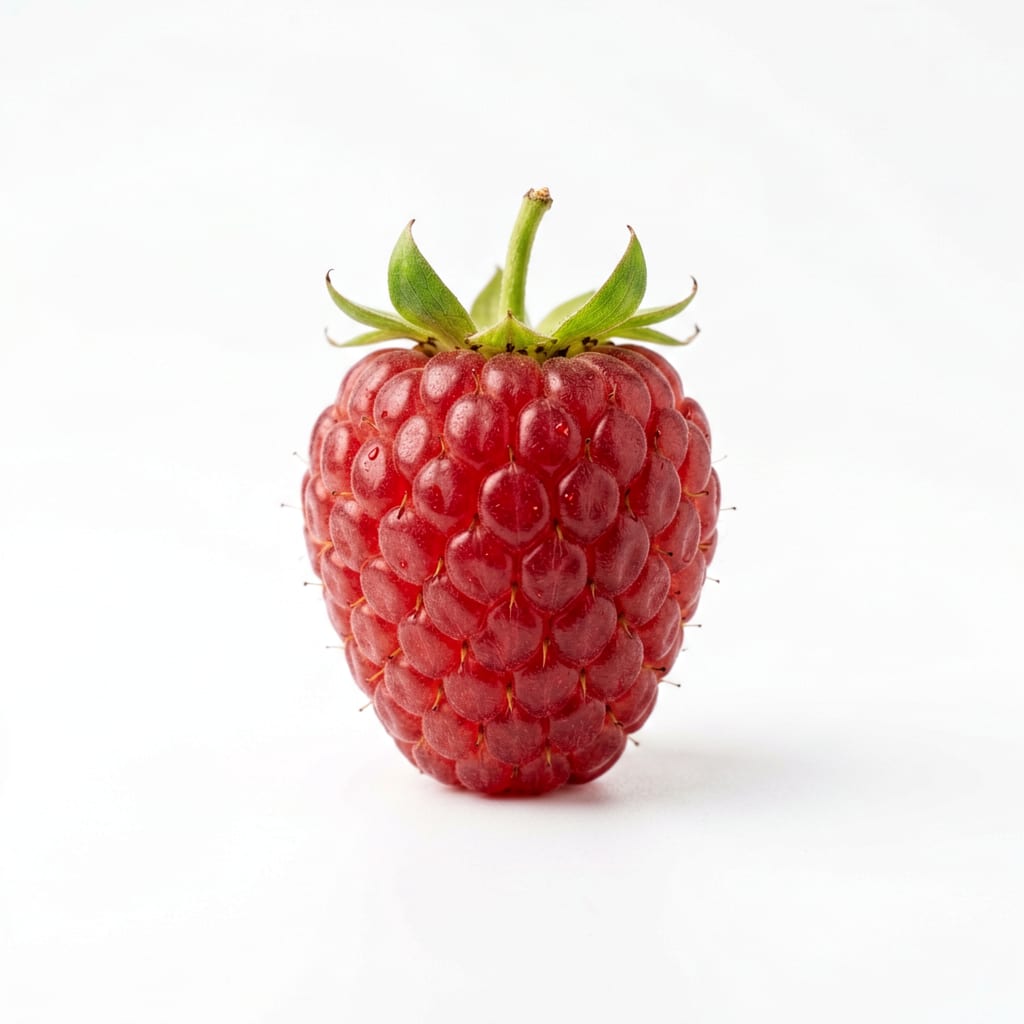
Raspberry
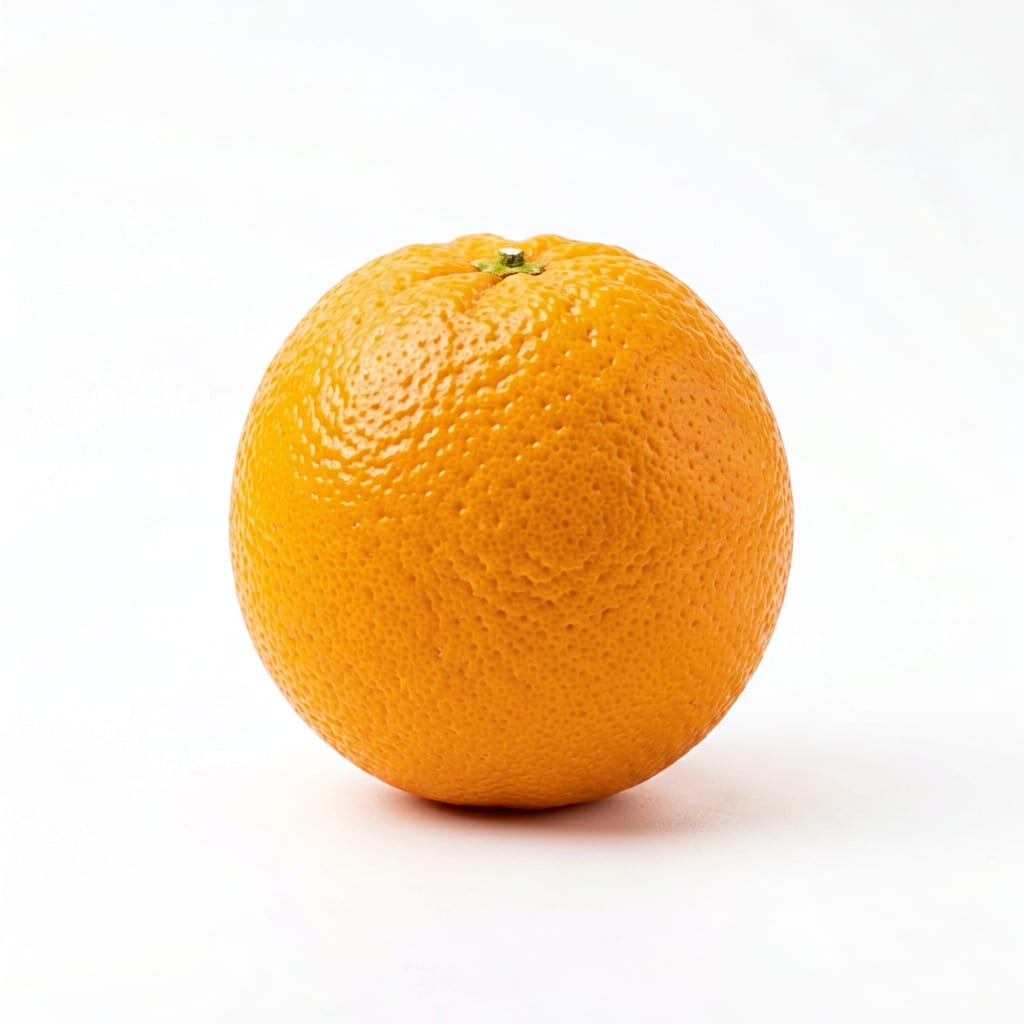
Orange
Raspberries win for fiber and blood sugar control; oranges win for vitamin C and everyday convenience.
Raspberries edge ahead on fiber and sugar metrics but oranges close the gap with superior vitamin C, potassium, and everyday practicality. The near-tie reflects that both are genuinely healthy whole fruits with different strengths.
You choose between drastically more fiber and less sugar (raspberries) or much more vitamin C and easier snacking (oranges).
At a glance
Executive summary
Overall
It depends
Healthier
It depends
More practical
Orange
Daily use
Orange
Key comparison lenses
blood sugar management and low-sugar fruit options
Raspberries have dramatically less sugar than oranges, making this the most consequential difference for many users
fiber density and digestive health
Raspberries deliver nearly triple the fiber per serving, a rare advantage most people do not expect
vitamin C needs and immune support
Oranges are iconic for vitamin C and significantly outdeliver raspberries here
everyday fruit choice for snacking and meals
Both are common snack fruits but differ greatly in convenience, cost, and eating experience
antioxidant diversity and long-term health
Raspberries offer unique anthocyanins and ellagic acid that oranges cannot match
Best choice for
Raspberry
- People managing blood sugar or diabetes
- Anyone trying to increase fiber intake
- Low-carb and keto-friendly fruit seekers
- Those watching calorie density
- Antioxidant diversity enthusiasts
Orange
- People needing immune support during cold season
- Budget-conscious shoppers wanting affordable fruit
- Athletes needing quick natural energy
- Anyone wanting hydrating, filling snack fruit
- Families needing kid-friendly portable fruit
Least suitable for
Raspberry
- People needing high vitamin C on a budget
- Those wanting a filling on-the-go snack
- Anyone sensitive to tiny seeds or texture
- Large families where cost per serving matters
Orange
- People strictly limiting sugar intake
- Those managing insulin resistance carefully
- Anyone on a very low-carb eating plan
- People who find acidic fruit irritating to the stomach
Deep comparison
Dimension by dimension
Each lens scores both foods and breaks down who each option suits.
- Dimension 1 · Priority 95Raspberry
Sugar and Blood Sugar Impact
Raspberry · 92Orange · 58Raspberries contain roughly half the sugar of oranges per serving with triple the fiber to slow absorption.
Tradeoff
Oranges provide faster energy from natural sugars, but that same sugar can spike blood glucose more sharply.
Why it matters
For anyone watching blood sugar, this is the single most important difference between these two fruits.
Real-world impact
A cup of raspberries feels gentle on blood sugar. A large orange can cause a noticeable glucose rise, especially on an empty stomach.
Raspberry
- Steady energy without crashes
- Diabetes and prediabetes management
- Low-carb eating plans
- Late-night snacking without regret
Better for
- Times when you need fast carbohydrate energy
Worse for
Orange
- Pre-workout quick fuel
- Morning energy boost
- Replenishing glycogen after exercise
Better for
- Insulin-sensitive individuals
- Anyone tracking daily sugar grams carefully
Worse for
- Dimension 2 · Priority 90Raspberry
Fiber Density
Raspberry · 95Orange · 60Raspberries are one of the most fiber-dense fruits available, delivering about 8 grams per cup versus 3 grams in a medium orange.
Tradeoff
The orange's lower fiber makes it easier to eat quickly, but you miss the fullness and gut health benefits that raspberries provide.
Why it matters
Most people fall far short of daily fiber targets. Raspberries are an unusually efficient way to close that gap.
Real-world impact
A cup of raspberries with breakfast can keep you full for an extra hour compared to an orange. That fiber also feeds gut bacteria that support long-term health.
Raspberry
- Gut microbiome support
- Prolonged satiety between meals
- Cholesterol management through soluble fiber
- Digestive regularity
Better for
- People with IBS who react to high fiber
- Those who find seeds irritating
Worse for
Orange
- Easier digestion for sensitive stomachs
- Less bloating for fiber-sensitive people
Better for
- Anyone struggling to hit 25-30g fiber daily
Worse for
- Dimension 3 · Priority 82Orange
Vitamin C and Immune Nutrients
Raspberry · 55Orange · 93A single orange delivers about 70mg of vitamin C, roughly double what a cup of raspberries provides.
Tradeoff
Raspberries compensate with different antioxidants like ellagic acid, but they cannot match oranges for sheer vitamin C potency.
Why it matters
Vitamin C supports immune function, collagen production, and iron absorption. If that is your priority, oranges are clearly superior.
Real-world impact
Eating an orange during cold season feels like a targeted immune strategy. Raspberries help too, but you would need larger portions to match the vitamin C dose.
Raspberry
- Broader antioxidant diversity beyond vitamin C
- Anti-inflammatory polyphenols
Better for
- Reliance on a single fruit for vitamin C targets
Worse for
Orange
- Meeting daily vitamin C needs in one serving
- Enhancing iron absorption from plant meals
- Immune support during illness
- Skin and collagen health
Better for
- Missing the unique anthocyanin antioxidants in berries
Worse for
- Dimension 4 · Priority 75Raspberry
Antioxidant Profile and Long-Term Protection
Raspberry · 90Orange · 65Raspberries offer anthocyanins, ellagic acid, and quercetin, giving them a more diverse and potent antioxidant profile than oranges.
Tradeoff
Oranges still provide solid antioxidant value through vitamin C and flavonoids, but the range is narrower.
Why it matters
Diverse antioxidant intake is linked to lower chronic disease risk over decades. Berries consistently rank highest in this area.
Real-world impact
Regular raspberry consumption aligns with research showing reduced inflammation and cellular aging markers. Oranges help, but berries are the stronger long-term play here.
Raspberry
- Reducing oxidative stress from aging
- Anti-inflammatory dietary patterns
- Cancer-risk reduction associated with berry intake
- Brain health and cognitive protection
Better for
- Higher cost makes consistent daily intake harder
Worse for
Orange
- Everyday immune defense
- Accessible antioxidant source year-round
Better for
- Missing the deep-pigment antioxidants only berries provide
Worse for
- Dimension 5 · Priority 72Orange
Practicality and Convenience
Raspberry · 50Orange · 88Oranges are cheaper, more filling per piece, easier to find year-round, and simpler to pack as a snack.
Tradeoff
Raspberries are delicate, perishable, and expensive, making them harder to keep stocked and eat consistently.
Why it matters
The healthiest fruit only matters if you actually eat it regularly. Oranges win on sustainability of habit.
Real-world impact
Tossing an orange in a lunch bag is effortless. Raspberries need careful storage, get mushy fast, and cost two to three times more per serving.
Raspberry
- Adding to yogurt or oatmeal at home
- Blending into smoothies where texture dissolves
Better for
- Mold risk within 2-3 days of purchase
- Difficult to pack without crushing
- Cost-prohibitive for large households
Worse for
Orange
- On-the-go snacking without prep
- Budget-friendly weekly grocery planning
- Longer shelf life in the fruit bowl
- Kid-friendly lunchbox staple
- Year-round availability at consistent quality
Better for
- Sticky hands and peeling inconvenience
- Acidic juice can irritate small cuts or lips
Worse for
- Dimension 6 · Priority 65Orange
Hydration and Satiety
Raspberry · 55Orange · 82Oranges are roughly 86% water and physically larger, making them more hydrating and more filling as a standalone snack.
Tradeoff
Raspberries are lighter and less hydrating but offer more fiber-based fullness per calorie.
Why it matters
If you want one piece of fruit to hold you over between meals, an orange does the job better.
Real-world impact
An orange at 3pm can bridge you to dinner. A cup of raspberries might leave you reaching for something else within an hour.
Raspberry
- Volume eaters who prefer calorie-dense nutrients
- Adding to meals rather than eating alone
Better for
- Not filling enough as a solo snack for most people
Worse for
Orange
- Staying hydrated in hot weather
- A satisfying between-meal snack
- Replacing higher-calorie afternoon treats
Better for
- People who find watery fruit unsatisfying
Worse for
Timeline
Health impact over time
Short-term
Hours to days
Raspberry
- Minimal blood sugar impact after eating
- Mild fullness from fiber but may feel like a light snack
- Low risk of energy crash within an hour
Orange
- Noticeable blood sugar rise within 30-45 minutes
- More immediate feeling of physical fullness from volume and water
- Quick natural energy boost from readily available sugars
Long-term
Months to years
Raspberry
- Improved gut microbiome diversity from consistent high-fiber intake
- Lower cumulative sugar exposure over years of daily consumption
- Anti-inflammatory benefits from anthocyanins and ellagic acid
- Better blood sugar regulation habits reinforced over time
Orange
- Strong immune support from reliable daily vitamin C intake
- Better collagen and skin health sustained over years
- Improved iron absorption from regular vitamin C pairing with meals
- Consistent potassium intake supporting blood pressure management
Risk profile
Safety & processing
Both fruits are whole, unprocessed foods with no additives when purchased fresh. The main concern is pesticide residue on conventional raspberries, which rank higher on the EWG Dirty Dozen list. Oranges have thicker peels that provide more protection. Choose organic raspberries when possible; organic oranges matter less since you discard the peel.
Raspberry
Pesticide residue on conventional berries
mediumRaspberries are thin-skinned and heavily sprayed. Washing helps but does not remove all residue. Organic is strongly recommended.
Mold and spoilage
mediumRaspberries develop mold within 2-3 days. Inspect containers carefully at the store and discard any visible mold immediately as it spreads quickly.
Orange
Pesticide residue on peel
lowThick peel protects the edible flesh. Risk is minimal unless you use the zest in cooking, in which case choose organic.
Citrus allergy or oral allergy syndrome
lowSome individuals experience tingling or irritation from citrus. This is uncommon but worth noting for those with birch pollen allergies.
Who wins for whom
Audience fit
Same foods, different winners depending on your goal.
children
OrangeOranges are easier to handle, more filling, and more familiar to most kids. The seeds and tartness of raspberries can put some children off.
daily consumption
OrangeAffordability, availability, and ease of eating make oranges more sustainable as a daily habit for most people.
diabetes
RaspberrySignificantly lower sugar and much higher fiber make raspberries the safer choice for blood glucose management.
elderly
OrangeOranges are easier to eat for those with dental concerns, provide more hydration, and deliver concentrated vitamin C for immune support in aging bodies.
muscle gain
OrangeOranges provide more readily available carbohydrates for post-workout glycogen replenishment and better potassium for muscle recovery.
weight loss
RaspberryRaspberries deliver more fiber and satisfaction per calorie with roughly half the sugar, making it easier to stay within targets.
Your move
Decision guide
Choose Raspberry
- You are managing blood sugar, insulin resistance, or diabetes
- You want to dramatically increase your daily fiber intake
- You are following a low-carb or keto-friendly eating plan
- You care deeply about antioxidant diversity and anti-inflammatory eating
- You eat fruit as a topping rather than a standalone snack
Choose Orange
- You want maximum vitamin C in a single serving
- You need an affordable, filling fruit for daily snacking
- You are packing lunch for work or school
- You want quick natural energy before or after exercise
- You prefer eating fruit on its own without preparation
Either works if
- You simply want more whole fruit in your diet
- You are generally healthy without blood sugar concerns
- You enjoy variety and can rotate both throughout the week
Avoid both if
- You have a strict fructose intolerance
- You are on a very low-carb diet that excludes most fruit
- You have oral allergy syndrome triggered by both berries and citrus
Final recommendation
Eat both if your budget allows. Raspberries are the smarter choice for metabolic health and fiber, while oranges are the more practical daily staple. If you must pick one for everyday use, oranges win on cost and convenience. If you are optimizing for blood sugar and long-term disease prevention, raspberries are worth the extra expense.
Practical
Consumer tips
- 1
Buy organic raspberries when possible since they rank high for pesticide residue. The extra cost pays off in reduced exposure.
- 2
Freeze raspberries immediately if you cannot finish them within two days. Frozen raspberries retain most nutrients and work perfectly in smoothies and oatmeal.
- 3
Choose oranges that feel heavy for their size, which indicates more juice and better hydration value.
- 4
Pair oranges with iron-rich plant foods like spinach or lentils to significantly boost iron absorption from the vitamin C.
- 5
Mix both fruits together in a bowl with Greek yogurt for a snack that combines the fiber of raspberries with the vitamin C and volume of oranges.
- 6
Wash raspberries only right before eating, not before storing. Pre-washing accelerates mold growth.
- 7
If raspberries are too expensive fresh, check the frozen aisle. Frozen raspberries are often more affordable and just as nutritious.