
Nutrition comparison
Raspberry vs Kiwi: Which Fruit Is Healthier for You?
Compare raspberry and kiwi nutrition including sugar, fiber, vitamin C, and health benefits. Find out which fruit is better for weight loss, diabetes, immunity, and daily eating.
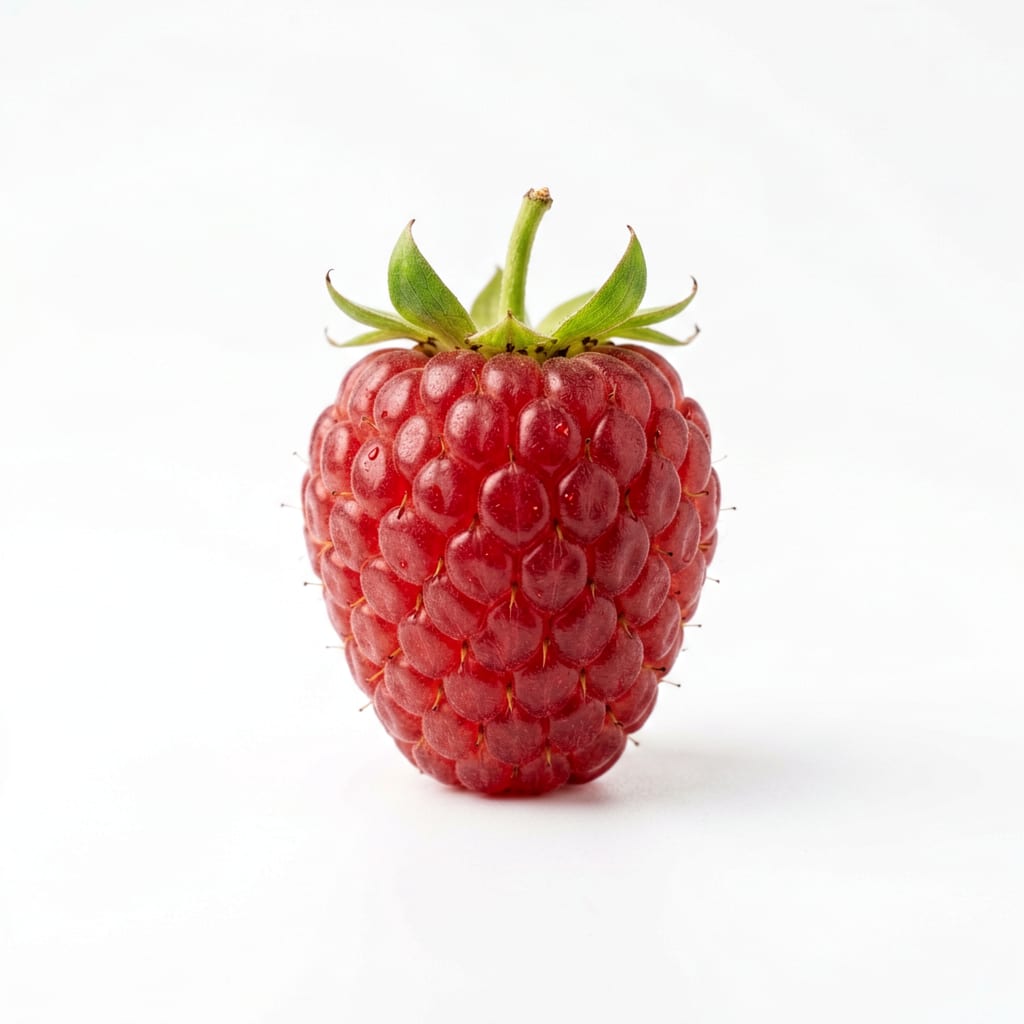
Raspberry
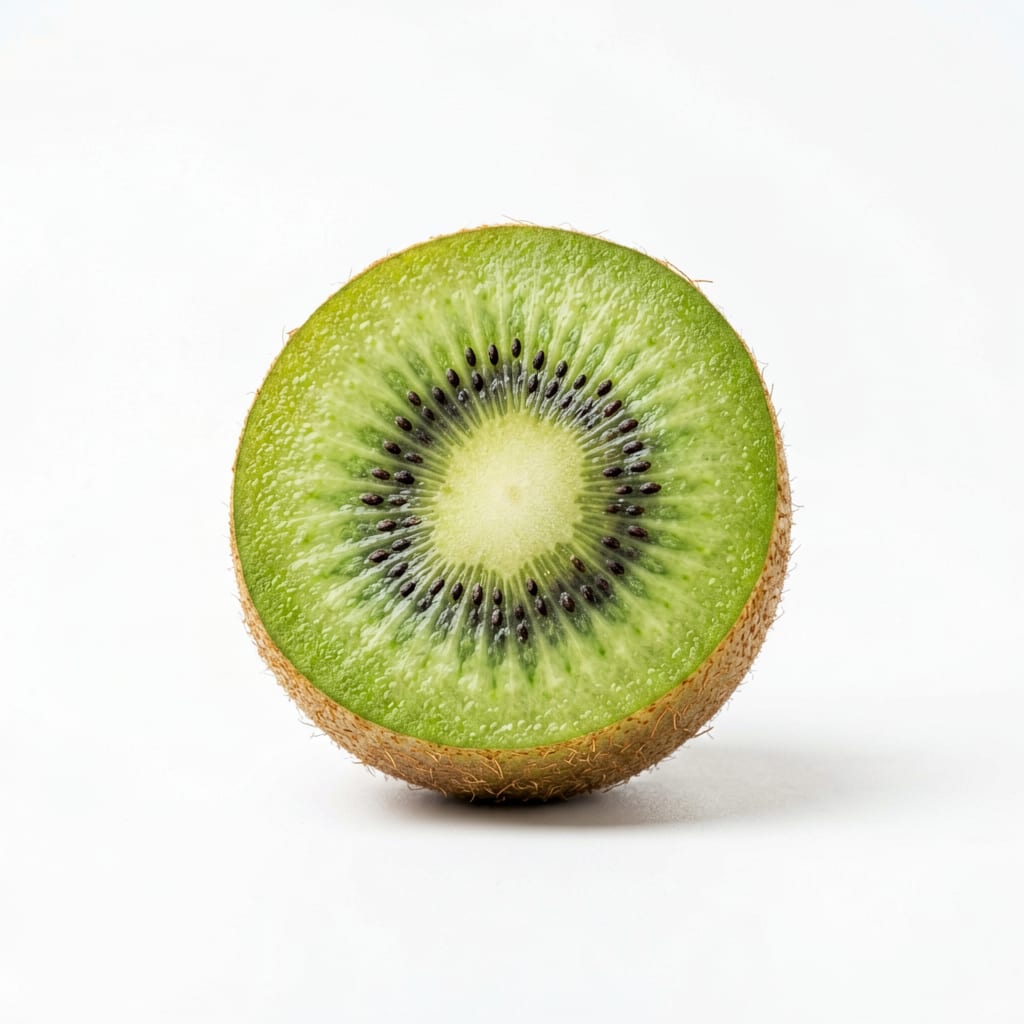
Kiwi
Raspberries win for low-sugar diets and gut health; kiwi wins for immune support and convenience. Both are elite fruit choices.
Raspberries edge ahead on metabolic health metrics, but kiwi's vitamin C dominance and everyday practicality keep the scores nearly tied. The right choice depends entirely on your priority.
Raspberries give you far more fiber with way less sugar, but kiwi delivers vastly more vitamin C and is easier to eat daily.
At a glance
Executive summary
Overall
It depends
Healthier
It depends
More practical
Kiwi
Daily use
Kiwi
Key comparison lenses
sugar and blood sugar management
Raspberries have dramatically less sugar than kiwi, making this the most impactful difference for many users
fiber and satiety
Raspberries deliver nearly double the fiber per serving, strongly affecting fullness and digestive health
immune support and vitamin c
Kiwi is a vitamin C powerhouse, far surpassing raspberries, which matters for immunity and skin health
antioxidant diversity
Both offer distinct antioxidant profiles—ellagic acid in raspberries versus unique carotenoids in kiwi
practical everyday snacking
Kiwis are easier to eat as a standalone snack while raspberries are more perishable and expensive
Best choice for
Raspberry
- People managing blood sugar or diabetes
- Low-carb and keto-friendly diets
- Maximizing fiber intake for gut health
- Weight loss with high-satiety snacking
- Anti-inflammatory focused eating
Kiwi
- Immune system support during cold season
- Improving sleep quality naturally
- Convenient daily fruit for busy mornings
- Boosting iron absorption from meals
- Children who need an easy-to-eat fruit
Least suitable for
Raspberry
- Budget-conscious weekly meal prep
- People who dislike tart flavors
- Those needing high vitamin C from a single fruit source
Kiwi
- Strict low-carb or keto diets
- People monitoring fructose intake closely
- Those with kiwi or latex allergies
Deep comparison
Dimension by dimension
Each lens scores both foods and breaks down who each option suits.
- Dimension 1 · Priority 92Raspberry
sugar_and_blood_sugar_impact
Raspberry · 94Kiwi · 62Raspberries contain roughly one-third the sugar of kiwi per serving, making them far gentler on blood sugar.
Tradeoff
You sacrifice the sweeter, more satisfying taste of kiwi for metabolic stability with raspberries.
Why it matters
If you experience afternoon energy crashes or manage insulin resistance, this difference is significant daily.
Real-world impact
A cup of raspberries won't spike your blood sugar the way a kiwi can, meaning steadier energy and fewer cravings an hour later.
Raspberry
- Diabetics and pre-diabetics
- Low-carb dieters
- People prone to sugar cravings
Better for
- Endurance athletes needing rapid carbohydrate
Worse for
Kiwi
- Athletes needing quick natural sugar
- Active people needing fast energy
Better for
- Anyone counting net carbs carefully
- People with fructose sensitivity
Worse for
- Dimension 2 · Priority 88Raspberry
fiber_and_digestive_health
Raspberry · 95Kiwi · 70Raspberries are one of the highest-fiber fruits available, delivering about 8g per cup versus kiwi's 5g.
Tradeoff
Kiwi offers the unique digestive enzyme actinidin which helps break down protein, but raspberries provide more raw fiber bulk.
Why it matters
Most people fall short on fiber daily. Raspberries close that gap much faster than kiwi.
Real-world impact
Eating raspberries regularly means better digestion, more regular bowel movements, and feeling fuller between meals.
Raspberry
- People with constipation
- Anyone trying to eat less by staying full longer
- Gut microbiome optimization
Better for
- People on a low-fiber diet for IBS flares
Worse for
Kiwi
- People who struggle digesting heavy protein meals
- Those wanting digestive aid beyond just fiber
Better for
- Those needing maximum fiber per calorie
Worse for
- Dimension 3 · Priority 85Kiwi
vitamin_c_and_immune_support
Raspberry · 55Kiwi · 96A single kiwi provides over 200% of daily vitamin C needs, while raspberries offer a modest but useful amount.
Tradeoff
Kiwi is one of the best vitamin C sources in any fruit; raspberries cannot compete here but offer other antioxidants instead.
Why it matters
Vitamin C directly supports immune function, skin collagen, and iron absorption from plant foods.
Real-world impact
Eating one kiwi covers your vitamin C for the day. You would need multiple cups of raspberries to match that.
Raspberry
- People already getting vitamin C from other sources
Better for
- Those relying on a single fruit for vitamin C
Worse for
Kiwi
- Anyone fighting off a cold
- Vegans and vegetarians needing iron absorption help
- People wanting better skin from collagen support
Better for
- People with citrus-like acid sensitivity
Worse for
- Dimension 4 · Priority 78It depends
antioxidant_diversity
Raspberry · 88Kiwi · 85Raspberries excel in ellagic acid and anthocyanins; kiwi brings unique carotenoids and polyphenols. Both are antioxidant stars.
Tradeoff
Raspberries target anti-inflammatory and potential anti-cancer pathways more studied; kiwi offers eye-protective carotenoids like lutein.
Why it matters
Diverse antioxidants protect different body systems. Eating both gives broader coverage than either alone.
Real-world impact
Raspberries may better reduce chronic inflammation markers, while kiwi better supports eye health over time.
Raspberry
- People focused on inflammation reduction
- Those with family history of inflammatory conditions
Better for
- People missing out on lutein and zeaxanthin
Worse for
Kiwi
- People concerned about eye health and macular degeneration
- Those wanting antioxidant variety beyond berries
Better for
- Those missing ellagic acid's studied anti-cancer potential
Worse for
- Dimension 5 · Priority 72Kiwi
practicality_and_convenience
Raspberry · 58Kiwi · 82Kiwis are more durable, affordable, and easier to eat daily. Raspberries spoil fast and cost significantly more per serving.
Tradeoff
Raspberries are a premium, delicate fruit that requires careful storage. Kiwi is a workhorse fruit you can stock up on.
Why it matters
The healthiest fruit only works if you actually eat it regularly. Perishability and cost affect real-world consistency.
Real-world impact
Raspberries often mold within two days of purchase. Kiwis last weeks in the fridge and cost half as much per serving.
Raspberry
- People who shop daily and eat produce immediately
- Those who prioritize quality over convenience
Better for
- Anyone who hates throwing away spoiled produce
- Large families needing affordable fruit in bulk
Worse for
Kiwi
- Weekly grocery shoppers
- Budget-conscious meal preppers
- People who want grab-and-go fruit
Better for
- People who find the fuzzy skin off-putting
Worse for
- Dimension 6 · Priority 65Kiwi
sleep_and_mood_benefits
Raspberry · 45Kiwi · 82Kiwi contains serotonin and has been clinically studied for improving sleep onset and duration. Raspberries have no known sleep benefit.
Tradeoff
Eating kiwi before bed is a rare natural sleep aid with real evidence; raspberries offer nothing comparable here.
Why it matters
Sleep quality affects everything from appetite to immunity. A food-based sleep aid is remarkably practical.
Real-world impact
Eating two kiwis an hour before bed has been shown to improve sleep onset by up to 35 minutes in studies.
Raspberry
- Not applicable for this dimension
Better for
- Anyone specifically seeking sleep-supportive foods
Worse for
Kiwi
- People with mild insomnia
- Those wanting to reduce melatonin supplement use
- Shift workers struggling with sleep timing
Better for
- People who experience acid reflux at night from fruit
Worse for
Timeline
Health impact over time
Short-term
Hours to days
Raspberry
- Quick satiety from high fiber with minimal blood sugar rise
- Mild diuretic effect from potassium and water content
- Tart flavor can satisfy sweet cravings without a sugar spiral
Kiwi
- Rapid vitamin C boost supporting immediate immune response
- Natural energy lift from moderate sugar content
- Potential digestive comfort after protein-heavy meals due to actinidin
Long-term
Months to years
Raspberry
- Improved glycemic control from consistently low sugar intake
- Better gut microbiome diversity from high fiber feeding beneficial bacteria
- Reduced systemic inflammation from ellagic acid and anthocyanins
Kiwi
- Stronger immune resilience from sustained high vitamin C intake
- Better eye health preservation from lutein and zeaxanthin
- Improved sleep architecture from regular serotonin consumption
Risk profile
Safety & processing
Both raspberries and kiwi are whole, unprocessed fruits you can eat exactly as nature delivers them. Neither raises processing concerns.
Raspberry
Pesticide residue
mediumRaspberries consistently appear on the EWG Dirty Dozen list. Their delicate skin absorbs pesticides easily. Buy organic when possible.
Mold and spoilage
mediumRaspberries mold rapidly, sometimes within 24-48 hours. Mold can produce mycotoxins. Inspect carefully before eating and discard any fuzzy berries.
Kiwi
Allergic reaction
mediumKiwi allergy is increasingly common, especially in people with latex allergy. Reactions can range from mouth itching to anaphylaxis.
Oxalate content
lowKiwi contains moderate oxalates. People prone to calcium oxalate kidney stones should moderate intake.
Who wins for whom
Audience fit
Same foods, different winners depending on your goal.
children
KiwiKiwi is sweeter, easier to eat, and provides a full day's vitamin C in one serving—ideal for growing immune systems.
daily consumption
KiwiKiwi is more affordable, lasts longer in the fridge, and delivers a reliable daily vitamin C insurance policy with less waste.
diabetes
RaspberryWith roughly one-third the sugar and significantly more fiber per serving, raspberries have a much gentler impact on blood glucose.
elderly
KiwiKiwi supports eye health with lutein, improves sleep with serotonin, and its digestive enzyme helps with protein absorption—common elderly concerns.
muscle gain
KiwiKiwi's vitamin C enhances collagen synthesis for tendon and ligament repair, and its natural sugars help replenish glycogen post-workout.
weight loss
RaspberryRaspberries provide more fiber and fewer calories per gram, keeping you full longer with less sugar driving cravings.
Your move
Decision guide
Choose Raspberry
- You are managing blood sugar, insulin resistance, or diabetes
- You want maximum fiber with minimum calories and sugar
- You follow a low-carb or keto approach and need fruit that fits
- You are focused on anti-inflammatory eating patterns
- You tend to overeat sweet fruit and need something that naturally limits portions
Choose Kiwi
- You want reliable daily immune support from a single fruit
- You struggle with sleep and want a food-based remedy
- You need affordable, long-lasting fruit for weekly meal prep
- You want better iron absorption from plant-based meals
- You find berries too tart and need something more enjoyable to eat daily
Either works if
- You simply want more fruit variety in your diet
- You have no specific health condition driving your choice
- You already eat a balanced diet and want to rotate fruits seasonally
Avoid both if
- You have a severe fructose intolerance or malabsorption
- You are on a strictly prescribed low-potassium diet for kidney disease
- You are eliminating all fruit for a temporary elimination diet protocol
Final recommendation
Eat both if your budget allows. Kiwi in the morning for vitamin C and energy; raspberries in the afternoon for fiber-rich, low-sugar satiety. If you must pick one, choose kiwi for daily consistency and immune support, or raspberries if blood sugar control and gut health are your top priorities.
Practical
Consumer tips
- 1
Buy raspberries organic whenever possible—they rank high for pesticide residue and their porous skin makes washing less effective
- 2
Store raspberries unwashed in a single layer on paper towels in the fridge to extend life by a day or two
- 3
Freeze raspberries immediately if you cannot eat them within 48 hours—they freeze beautifully for smoothies
- 4
Choose kiwis that yield slightly to pressure for immediate eating; firm ones will ripen on the counter in a few days
- 5
Eat kiwi skin for triple the fiber—it sounds odd but the skin is completely edible and nutrient-dense
- 6
Try eating two kiwis about an hour before bed if you struggle with falling asleep—research supports this habit
- 7
Pair kiwi with iron-rich plant foods like spinach or lentils to significantly boost iron absorption from the vitamin C