
Nutrition comparison
Raspberry vs Grape: Which Fruit Is Better for Blood Sugar, Weight Loss, and Daily Snacking?
Raspberries have 4x less sugar and 8x more fiber than grapes per cup. Compare these popular fruits on nutrition, satiety, convenience, and health impact to find which fits your goals.
Overall winner · Raspberry
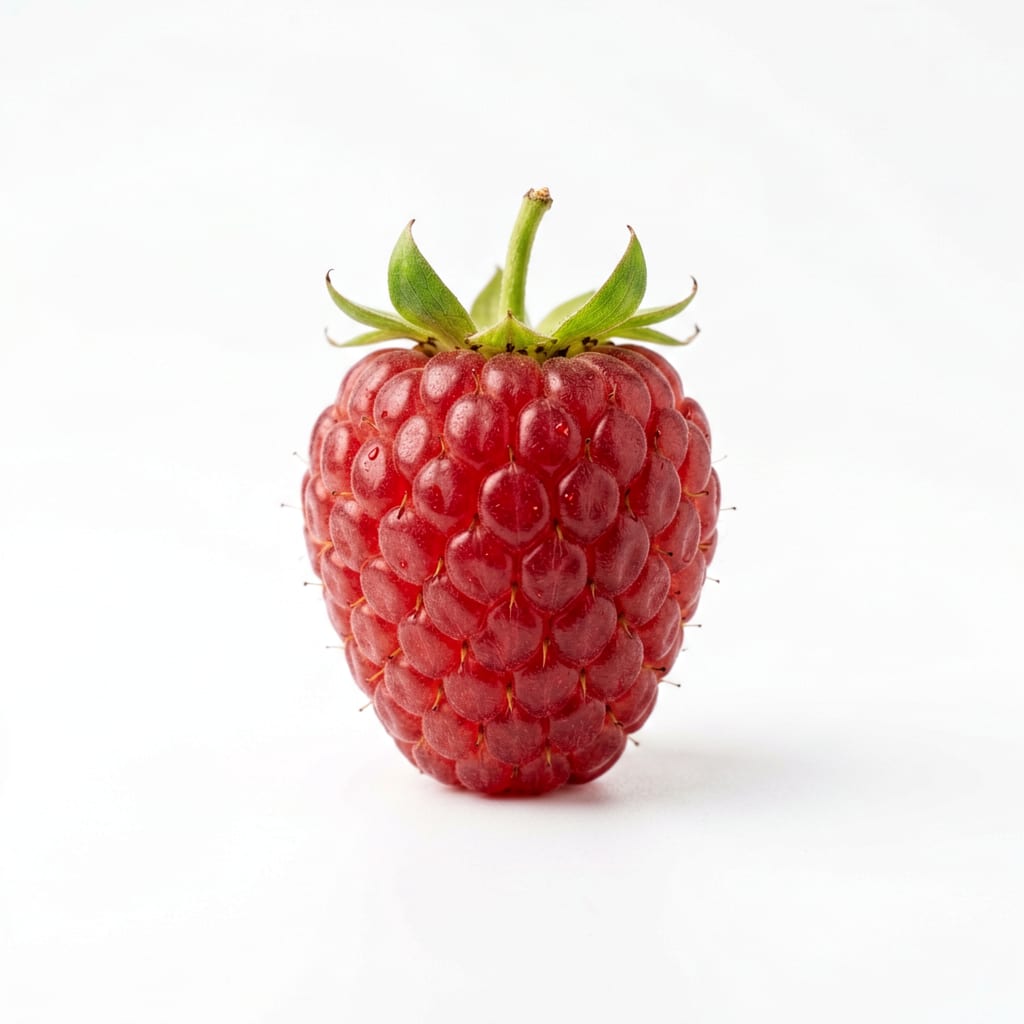
Raspberry
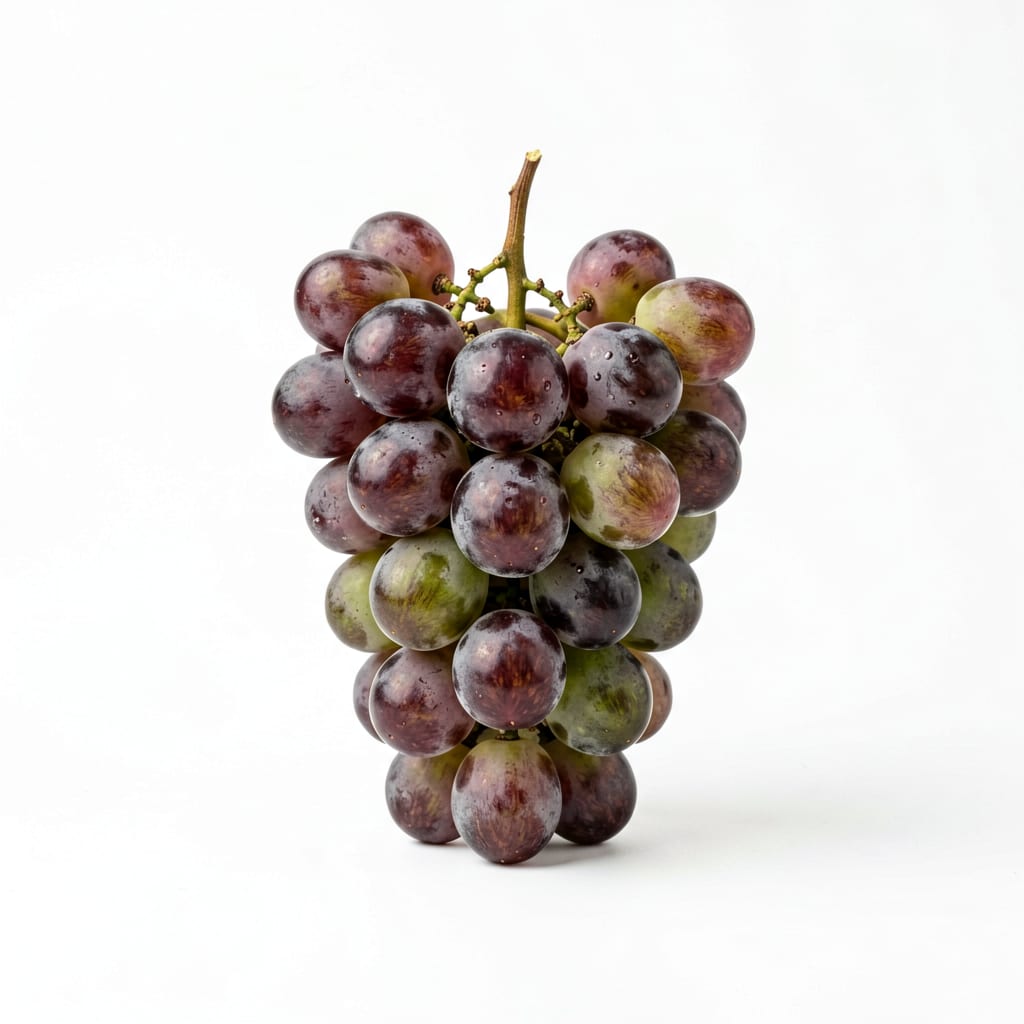
Grape
Raspberries win on nutrition density and blood sugar control, but grapes win on convenience and universal appeal.
Raspberries score significantly higher due to superior fiber, lower sugar, and better satiety per calorie. Grapes remain a legitimate whole food but their high sugar and low fiber make them less favorable for daily unrestricted consumption.
You choose between raspberries' superior fiber and lower sugar versus grapes' effortless snacking and sweeter taste.
At a glance
Executive summary
Overall
Raspberry
Healthier
Raspberry
More practical
Grape
Daily use
Raspberry
Key comparison lenses
sugar and blood sugar management
Grapes have roughly 4x the sugar per serving compared to raspberries, making this the most consequential difference for most users
fiber and satiety
Raspberries deliver dramatically more fiber, which changes how full you feel and how your body processes the sugar
snack convenience and overeating risk
Grapes are easier to mindlessly eat in large quantities due to their sweet taste and pop-able nature
weight management
The calorie and fiber differences make these two foods behave very differently for weight goals
antioxidant diversity
Both offer valuable but different antioxidant profiles worth understanding
Best choice for
Raspberry
- People managing blood sugar or diabetes
- Anyone tracking calories who wants more volume per serving
- Low-carb and keto dieters seeking fruit options
- Those wanting to increase daily fiber intake
Grape
- Kids who reject tart flavors
- Athletes needing quick natural sugar after training
- Busy people wanting a zero-prep portable snack
- Anyone struggling to eat any fruit at all
Least suitable for
Raspberry
- People with diverticulitis sensitive to seeds
- Those wanting a sweet treat to satisfy a sugar craving
- Tight budgets where cost per serving matters greatly
Grape
- People with insulin resistance or prediabetes
- Anyone prone to mindless snacking
- Strict low-carb dieters
Deep comparison
Dimension by dimension
Each lens scores both foods and breaks down who each option suits.
- Dimension 1 · Priority 95Raspberry
Sugar and Blood Sugar Impact
Raspberry · 92Grape · 38Raspberries contain roughly 5g of sugar per cup versus 23g in grapes, a massive difference that directly affects energy stability.
Tradeoff
Grapes provide quick energy that athletes may want, but that same sugar spike works against steady energy for sedentary snacking.
Why it matters
A cup of grapes hits your bloodstream similarly to a small candy bar, while raspberries barely nudge blood sugar thanks to their fiber buffer.
Real-world impact
Eating grapes at your desk can trigger a sugar crash 45 minutes later. Raspberries keep you on an even keel through the afternoon.
Raspberry
- Steady energy without crashes
- Diabetes and insulin resistance management
- Reduced cravings between meals
Better for
- Won't satisfy an acute sweet tooth
Worse for
Grape
- Quick post-workout glycogen replenishment
- Instant energy during endurance activity
Better for
- Blood sugar spikes in sedentary contexts
- Can trigger cravings for more sugar
Worse for
- Dimension 2 · Priority 90Raspberry
Fiber and Satiety
Raspberry · 96Grape · 25Raspberries deliver 8g of fiber per cup compared to less than 1g in grapes, making them one of the most fiber-dense fruits available.
Tradeoff
That fiber makes raspberries genuinely filling but also means they feel heavier and less refreshing than juicy grapes.
Why it matters
Fiber slows sugar absorption, feeds gut bacteria, and signals fullness. Grapes essentially bypass all three mechanisms.
Real-world impact
A cup of raspberries with breakfast can keep you full until lunch. A cup of grapes disappears in two minutes and leaves you hungry again.
Raspberry
- Weight loss through natural portion control
- Gut microbiome support
- Lower net carb count for keto followers
Better for
- Seeds can irritate sensitive digestive conditions
Worse for
Grape
- Light refreshing mouthfeel in hot weather
- Easier to eat when you have no appetite
Better for
- Very easy to overeat without realizing
- Minimal fullness signal per calorie consumed
Worse for
- Dimension 3 · Priority 80Raspberry
Nutrient Density Per Calorie
Raspberry · 88Grape · 52Raspberries pack more vitamin C, manganese, and antioxidants per calorie than grapes, which carry more calories from sugar.
Tradeoff
Grapes offer meaningful vitamin K and some B vitamins that raspberries provide less of, so neither is nutritionally complete alone.
Why it matters
When calories matter, raspberries give you more nutritional value per bite, especially in vitamin C and anti-inflammatory compounds.
Real-world impact
If you have 100 calories to spend on fruit, raspberries give you more vitamins, more fiber, and more fullness than grapes.
Raspberry
- More vitamin C per calorie
- Higher manganese for bone and metabolism health
- Ellagic acid for cellular defense
Better for
- Lower in vitamin K
Worse for
Grape
- More vitamin K for blood clotting and bone health
- Resveratrol in red varieties for heart health
Better for
- Calories come predominantly from sugar rather than protective nutrients
Worse for
- Dimension 4 · Priority 75Grape
Convenience and Practicality
Raspberry · 50Grape · 90Grapes require zero prep, travel well, and are universally palatable. Raspberries are fragile, perishable, and tart for some palates.
Tradeoff
Grapes are the easier food to actually eat consistently, which matters more than nutrition if the alternative is not eating fruit at all.
Why it matters
The healthiest food only works if you actually eat it. Grapes have almost no barriers to consumption.
Real-world impact
You can toss grapes in a bag for a road trip. Raspberries will be mush by mile 20 unless carefully packed.
Raspberry
- Can be frozen without significant texture loss
- Works well in smoothies, oatmeal, and yogurt
Better for
- Mold within 2-3 days of purchase
- Delicate and easily crushed
- More expensive per serving
Worse for
Grape
- Zero preparation required
- Shelf-stable and portable
- Universally liked by kids and picky eaters
- Available year-round at consistent quality
Better for
- None significant for convenience
Worse for
- Dimension 5 · Priority 82Raspberry
Overeating and Cravings Risk
Raspberry · 85Grape · 35Raspberries naturally limit intake through fiber and tartness. Grapes are notoriously easy to eat by the pound without feeling full.
Tradeoff
Grapes' easy-going nature is both their convenience strength and their behavioral weakness.
Why it matters
A bowl of grapes can disappear in one sitting, delivering 300+ calories of sugar without any satiety signal. Raspberries self-regulate.
Real-world impact
It is very hard to accidentally overeat raspberries. It is very easy to accidentally eat an entire bag of grapes while watching TV.
Raspberry
- Built-in portion control from fiber and flavor
- Unlikely to trigger sugar cravings
- Supports mindful eating naturally
Better for
- May feel restrictive if you want a satisfying sweet snack
Worse for
Grape
- Good when you genuinely need extra calories
Better for
- High risk of calorie overshoot from mindless eating
- Sweetness can prime cravings for more sweets
Worse for
Timeline
Health impact over time
Short-term
Hours to days
Raspberry
- Steady energy without blood sugar rollercoaster
- Noticeable fullness from a small serving
- Mild digestive adjustment if you are not used to high fiber
Grape
- Quick energy lift from natural sugars
- Refreshing hydration from high water content
- Possible sugar crash within an hour if eaten alone in large amounts
Long-term
Months to years
Raspberry
- Improved glycemic control from consistent low-sugar fruit choices
- Better gut health from sustained high fiber intake
- Lower cumulative sugar exposure over years of daily consumption
Grape
- Resveratrol from red grapes may support cardiovascular health
- Consistent high sugar intake from fruit can contribute to insulin resistance if portions are large
- Lower fiber intake means less gut microbiome support compared to berry alternatives
Risk profile
Safety & processing
Both raspberries and grapes are whole, unprocessed foods when purchased fresh. Neither contains added ingredients. The main concern is pesticide residue, which affects both but is more documented for conventional grapes.
Raspberry
Pesticide residue
mediumRaspberries are thin-skinned and grown close to the ground, making them susceptible to pesticide retention. Buying organic significantly reduces exposure.
Mold and spoilage
mediumRaspberries spoil rapidly and can harbor mold within days. Inspect carefully and consume quickly. Discard any mushy or fuzzy berries.
Grape
Pesticide residue
highConventional grapes consistently rank on the Dirty Dozen list with high pesticide detection rates. Thin skin and growing practices contribute. Organic is strongly recommended.
Choking hazard for young children
mediumWhole grapes are a documented choking risk for children under 4. Always cut lengthwise before serving to toddlers.
Who wins for whom
Audience fit
Same foods, different winners depending on your goal.
children
GrapeKids overwhelmingly prefer the sweet taste and easy texture of grapes. Just cut them lengthwise for safety under age 4.
daily consumption
RaspberryDaily raspberry consumption supports fiber goals and keeps sugar intake in check. Daily grape consumption can quietly add significant sugar to your diet.
diabetes
RaspberryWith roughly one-quarter the sugar and eight times the fiber per cup, raspberries are dramatically gentler on blood glucose.
elderly
RaspberryRaspberries support digestive regularity and blood sugar management, both of which become more important with age. Their fiber is a significant advantage.
muscle gain
GrapeGrapes offer faster-digesting carbs that can help replenish glycogen after training, though neither fruit is a significant protein source.
weight loss
RaspberryRaspberries provide more volume and fullness per calorie, making it far easier to stay within a calorie target without feeling deprived.
Your move
Decision guide
Choose Raspberry
- You want steady energy without sugar crashes
- You are managing weight, blood sugar, or insulin resistance
- You need more fiber in your diet
- You tend to snack mindlessly and want a food that self-regulates
Choose Grape
- You need quick energy before or after exercise
- You are feeding kids who reject tart flavors
- Convenience and portability are your top priorities
- You struggle to eat any fruit and grapes are your entry point
Either works if
- You want a whole-food snack instead of processed options
- You are eating fruit as part of a balanced meal with protein and fat
- You rotate fruits weekly for nutrient diversity
Avoid both if
- You have a severe allergy to either fruit specifically
- You are on a strict very-low-carb diet and cannot accommodate any fruit sugar
Final recommendation
Make raspberries your default daily fruit for their fiber, low sugar, and satiety. Keep grapes as an occasional treat or pre-workout fuel. If grapes are the only fruit you will actually eat, they are still far better than processed snacks — just watch your portions.
Practical
Consumer tips
- 1
Buy organic grapes whenever possible due to high pesticide residue on conventional varieties
- 2
Freeze raspberries at peak freshness to avoid waste — they blend perfectly into smoothies straight from frozen
- 3
Pair grapes with a handful of nuts or cheese to slow sugar absorption and add staying power
- 4
Wash raspberries only right before eating to prevent mushiness and mold
- 5
If grapes are too tempting to portion control, pre-bag single servings immediately after purchase
- 6
Mix both fruits together: the sweetness of grapes balances the tartness of raspberries, and the fiber in raspberries helps buffer the grape sugar