
Nutrition comparison
Raspberry vs Banana: Which Fruit Is Better for Your Health Goals?
Compare raspberries and bananas on sugar, fiber, antioxidants, blood sugar impact, and practicality. Find out which fruit fits your diet, lifestyle, and health goals better.
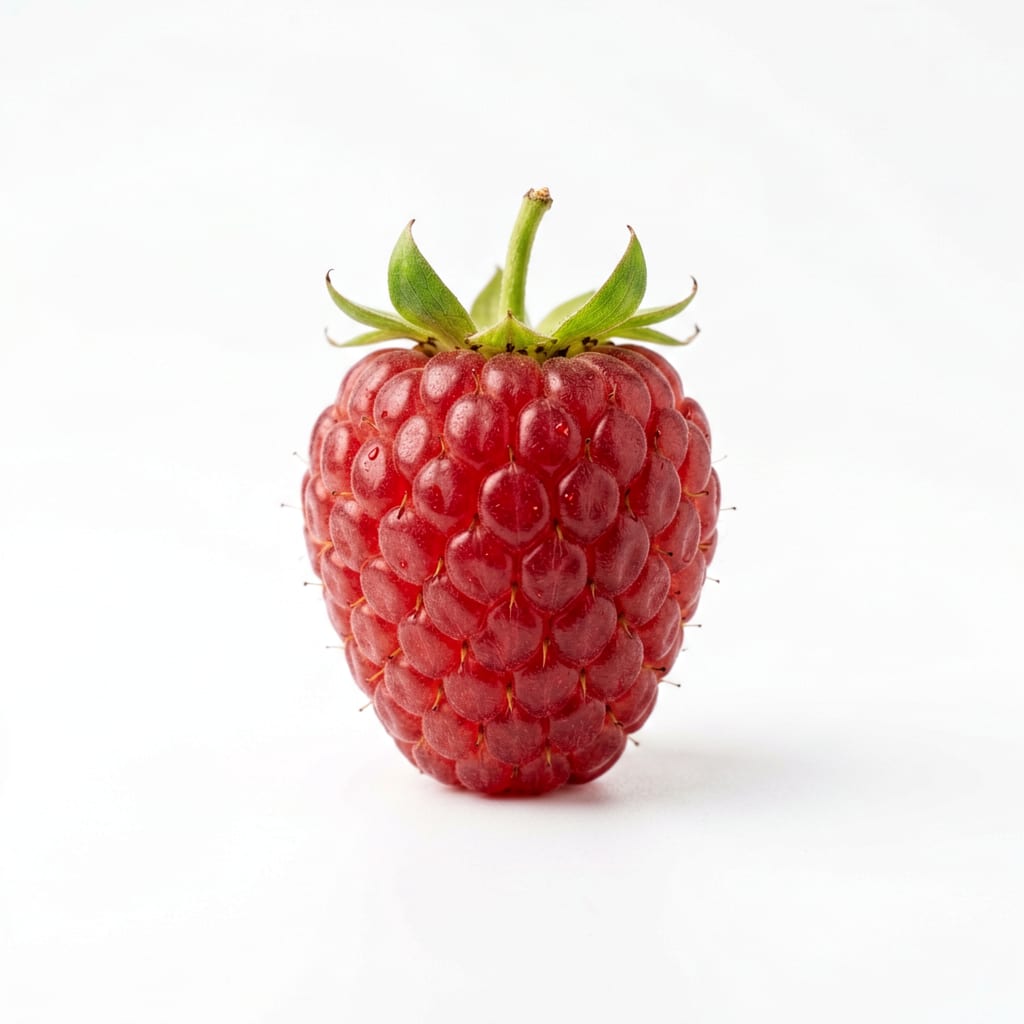
Raspberry
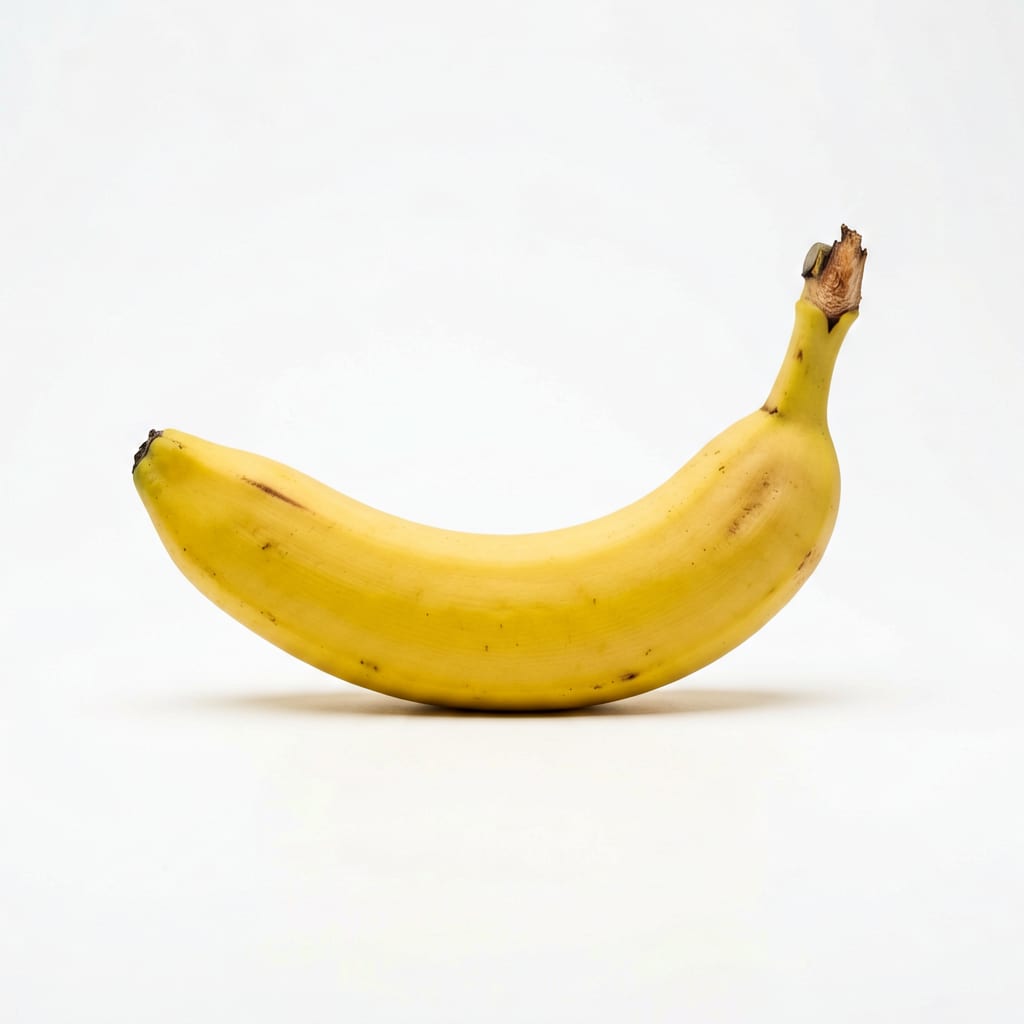
Banana
Raspberries win for blood sugar control and antioxidant density; bananas win for energy, convenience, and affordability.
Raspberries score slightly higher due to superior nutrient density per calorie and dramatically lower sugar content, but bananas close the gap with practicality, potassium, and sustained energy value.
You choose between low-sugar micronutrient density (raspberries) and satisfying portable energy (bananas).
At a glance
Executive summary
Overall
It depends
Healthier
Raspberry
More practical
Banana
Daily use
It depends
Key comparison lenses
blood sugar management
Banana is notably higher in sugar and carbs while raspberries are among the lowest-sugar fruits, making glycemic impact the starkest difference
weight loss snacking
Users choosing between these fruits are often looking for a satisfying snack that supports calorie control
antioxidant and anti-inflammatory benefits
Raspberries are exceptionally rich in ellagic acid and anthocyanins, a key differentiator from banana
pre-workout or energy fuel
Banana is a classic quick-energy food while raspberries are not typically used for fueling activity
convenience and everyday practicality
Banana is one of the most portable and shelf-stable fruits; raspberries are fragile and perishable
Best choice for
Raspberry
- People managing diabetes or insulin resistance
- Low-carb or keto-friendly dieters
- Anyone prioritizing antioxidant and anti-inflammatory intake
- Calorie-conscious snackers wanting volume with fewer calories
Banana
- Endurance athletes needing quick fuel
- Busy people needing an affordable grab-and-go snack
- Children who prefer sweet, mild flavors
- Anyone needing gentle, easily digestible energy before or after exercise
Least suitable for
Raspberry
- People needing quick pre-workout energy
- Those on tight grocery budgets
- Anyone frustrated by perishable produce spoiling quickly
Banana
- People strictly limiting carbohydrate or sugar intake
- Those monitoring blood sugar spikes closely
- Ketogenic dieters
Deep comparison
Dimension by dimension
Each lens scores both foods and breaks down who each option suits.
- Dimension 1 · Priority 95Raspberry
Blood Sugar Stability
Raspberry · 91Banana · 52Raspberries have roughly one-third the sugar and triple the fiber-to-carb ratio of bananas, making them dramatically gentler on blood sugar.
Tradeoff
Bananas provide faster energy but at the cost of a sharper glucose rise, especially when ripe.
Why it matters
If you are prediabetic, insulin resistant, or trying to avoid afternoon energy crashes, this difference is significant.
Real-world impact
A banana as a standalone snack can leave you hungry again within an hour; raspberries with a handful of nuts provide steadier, longer-lasting energy.
Raspberry
- Diabetics and prediabetics
- Low-carb eaters
- People prone to energy crashes after sweet snacks
Better for
- Situations requiring immediate fuel during intense activity
Worse for
Banana
- Athletes who need rapid glycogen replenishment
- Hikers or endurance exercisers mid-activity
Better for
- Sedentary snacking where a sugar spike serves no purpose
- Late-night eating when blood sugar should stay low
Worse for
- Dimension 2 · Priority 88Raspberry
Antioxidant and Anti-Inflammatory Power
Raspberry · 95Banana · 42Raspberries are among the most antioxidant-rich fruits available; bananas are comparatively modest in this area.
Tradeoff
You sacrifice the potent anti-inflammatory compounds of raspberries when you choose banana's convenience.
Why it matters
Chronic inflammation drives aging, joint pain, and disease risk. Small daily antioxidant intake compounds over years.
Real-world impact
Regular raspberry consumption contributes meaningfully to your body's antioxidant reserves in a way banana simply cannot match.
Raspberry
- People with inflammatory conditions
- Anyone focused on longevity and cellular health
- Those who rarely eat other berries or dark-colored produce
Better for
- Budget-constrained households where raspberries are a luxury
Worse for
Banana
- Situations where calories and potassium matter more than micronutrients
Better for
- Long-term anti-inflammatory eating patterns
Worse for
- Dimension 3 · Priority 82Banana
Satiety and Fullness
Raspberry · 64Banana · 78Bananas are more filling per serving due to higher calorie density and starch content; raspberries provide volume but less staying power alone.
Tradeoff
Raspberries let you eat more volume for fewer calories, but you may feel hungry sooner without pairing them with fat or protein.
Why it matters
A snack that does not hold you over leads to more snacking, which undermines weight management.
Real-world impact
A banana at 3 PM can bridge you to dinner; a cup of raspberries likely needs a handful of almonds to do the same.
Raspberry
- Volume eaters who want large portions with minimal calories
Better for
- Anyone prone to grazing after unsatisfying snacks
Worse for
Banana
- People who need one snack to last 2-3 hours
- Those who do not want to prepare a paired snack
Better for
- Calorie-sensitive eaters who find bananas too energy-dense for casual snacking
Worse for
- Dimension 4 · Priority 85Banana
Convenience and Practicality
Raspberry · 38Banana · 94Bananas are nature's convenience food: portable, sturdy, cheap, and shelf-stable. Raspberries are fragile, expensive, and spoil fast.
Tradeoff
Choosing raspberries means accepting higher cost, careful storage, and a short usable window.
Why it matters
The best fruit nutritionally is the one you actually eat consistently. Convenience drives consistency.
Real-world impact
You can toss a banana in a bag on Monday and eat it Wednesday. Raspberries mold if you look at them wrong.
Raspberry
- Home cooks blending smoothies or topping yogurt immediately
- People with access to fresh farmers market produce
Better for
- Meal preppers who shop once a week
- Anyone who has thrown away spoiled berries and felt the waste
Worse for
Banana
- Commuters and travelers
- Office snack drawers
- Families buying fruit in bulk
Better for
- Situations where you want to impress with a more nutrient-dense option
Worse for
- Dimension 5 · Priority 84Raspberry
Weight Management
Raspberry · 86Banana · 62Raspberries deliver more food volume and fiber per calorie, making them easier to fit into a calorie deficit.
Tradeoff
Bananas are not fattening, but their higher calorie density makes portion control more important.
Why it matters
A cup of raspberries costs you about 64 calories; a medium banana runs about 105. That gap adds up over a week.
Real-world impact
You can eat nearly two cups of raspberries for the calories of one banana, which feels far more satisfying when cutting.
Raspberry
- Calorie counters
- Volume eaters in a deficit
- Low-carb diet followers
Better for
- Underweight individuals needing calorie density
Worse for
Banana
- Lean bulks where extra calories are welcome
- Active people who burn through fruit calories easily
Better for
- Emotional eaters who may overeat calorie-dense snacks without realizing
Worse for
- Dimension 6 · Priority 79Banana
Energy and Athletic Fuel
Raspberry · 40Banana · 88Bananas are a proven, easily digestible fuel source for exercise; raspberries simply do not provide enough carbohydrate energy for performance.
Tradeoff
If you need fuel for a run or workout, banana is functional food. Raspberries are a nutritional supplement by comparison.
Why it matters
Training fasted or under-fueled leads to poor performance and longer recovery.
Real-world impact
Eat a banana 30 minutes before a run and you feel the difference. Raspberries will not move the needle on performance.
Raspberry
- Post-workout antioxidant recovery when paired with a carb source
Better for
- Any scenario where you need quick available energy
Worse for
Banana
- Pre-workout energy
- Mid-endurance fuel during long hikes or rides
- Post-workout glycogen replenishment
Better for
- Rest days where extra carbs are unnecessary
Worse for
- Dimension 7 · Priority 76It depends
Digestive Health
Raspberry · 82Banana · 75Raspberries feed your gut microbiome with diverse fiber and polyphenols; bananas offer gentle, well-tolerated prebiotic starch especially when slightly green.
Tradeoff
Raspberries are better for microbiome diversity; bananas are safer for sensitive stomachs and IBS flare-ups.
Why it matters
Gut health is both about feeding good bacteria and avoiding irritation. The right choice depends on your current digestive state.
Real-world impact
If your gut is sensitive, raspberries' seeds and acidity can irritate. Bananas are one of the first foods recommended after stomach illness.
Raspberry
- People with healthy digestion wanting to optimize microbiome diversity
- Those already eating bananas who want to add fiber variety
Better for
- Active IBS flares or diverticulitis concerns from seeds
Worse for
Banana
- IBS or sensitive stomach sufferers
- Recovery from stomach bugs or antibiotic courses
- People who need low-irritation, bland foods
Better for
- Constipation-prone individuals who need more insoluble fiber variety
Worse for
Timeline
Health impact over time
Short-term
Hours to days
Raspberry
- Quick satiety from fiber with minimal blood sugar disruption
- Mild fullness that may require protein or fat pairing to last
- Potential seed irritation for sensitive digestive tracts
Banana
- Noticeable energy lift within 20-30 minutes from natural sugars
- Comforting, filling sensation from starch and calorie density
- Possible blood sugar spike followed by a mild crash if eaten alone when ripe
Long-term
Months to years
Raspberry
- Consistent antioxidant intake supports cellular aging defense
- High fiber intake promotes diverse gut microbiome over time
- Lower sugar load reduces cumulative insulin demand
Banana
- Regular potassium intake supports blood pressure regulation
- Consistent prebiotic resistant starch (from less ripe bananas) feeds beneficial gut bacteria
- Higher cumulative sugar intake if eaten daily without portion awareness
Risk profile
Safety & processing
Both are whole, unprocessed fruits as typically consumed. Neither raises additive concerns unless purchased frozen with added syrups or dried with added sugars.
Raspberry
Pesticide residue
mediumRaspberries consistently appear on the EWG Dirty Dozen list due to pesticide retention on their delicate, porous surface. Washing helps but does not eliminate all residue. Organic is strongly preferable.
Mold and spoilage
mediumRaspberries spoil rapidly and can harbor mold within 1-2 days of purchase. Inspect carefully and consume quickly or freeze.
Banana
Pesticide residue
lowBananas have thick peels that protect the edible portion from most pesticide exposure. Conventional is generally acceptable.
Chitinase allergy
lowSome individuals with latex allergy experience cross-reactivity with bananas. This is uncommon but worth knowing if you have latex sensitivity.
Who wins for whom
Audience fit
Same foods, different winners depending on your goal.
children
BananaBananas are sweeter, softer, easier to hold, and less likely to cause a mess or choking concern with seeds.
daily consumption
It dependsBananas are more practical for daily consistency due to cost and shelf life; raspberries are nutritionally superior but harder to keep stocked daily.
diabetes
RaspberryWith roughly 5g sugar per cup versus 14g in a medium banana, raspberries are far gentler on blood glucose.
elderly
It dependsBananas are easier to chew and digest for those with dental or digestive issues; raspberries offer superior micronutrients for those who can tolerate them.
muscle gain
BananaBananas deliver more carbohydrate energy around training sessions, which supports performance and recovery in a calorie surplus.
weight loss
RaspberryRaspberries provide significantly more volume and fiber per calorie, making it easier to stay satisfied in a deficit.
Your move
Decision guide
Choose Raspberry
- You are managing blood sugar, insulin resistance, or following a low-carb approach
- Antioxidant and anti-inflammatory intake is a top priority
- You want more food volume for fewer calories
- You are pairing fruit with protein or fat for a balanced snack
Choose Banana
- You need quick energy before or after exercise
- Budget and convenience are primary decision factors
- You want a gentle, easily digestible snack for a sensitive stomach
- You are feeding children who prefer sweet, mild flavors
Either works if
- You are simply trying to eat more fruit instead of processed snacks
- You rotate fruits throughout the week for nutrient diversity
- You are healthy, active, and not managing a specific condition
Avoid both if
- You have a severe fructose intolerance or rare allergy to either fruit
- You are on an extremely strict ketogenic diet with minimal carb allowance
Final recommendation
Eat both, but at different times. Reach for bananas when you need fuel or convenience; choose raspberries when you want maximum nutrition with minimal sugar. If you can only pick one for daily health, raspberries edge ahead on nutrient density, but only if you will actually eat them before they spoil.
Practical
Consumer tips
- 1
Buy raspberries organic when possible due to high pesticide residue on conventional berries
- 2
Freeze raspberries immediately if you cannot eat them within two days to preserve nutrients and reduce waste
- 3
Choose slightly green bananas for more resistant starch and less sugar impact; ripe bananas for quick energy
- 4
Pair raspberries with Greek yogurt or nuts to make the satiety last as long as a banana
- 5
Bananas are one of the cheapest fruits per calorie; raspberries are one of the most expensive, so budget accordingly
- 6
Add frozen raspberries to smoothies for an antioxidant boost without the spoilage pressure