
Nutrition comparison
Raspberry vs Apple: Which Fruit Is Healthier for You?
Compare raspberries and apples on sugar, fiber, antioxidants, and practicality. Find out which fruit is better for weight loss, diabetes, and daily snacking.
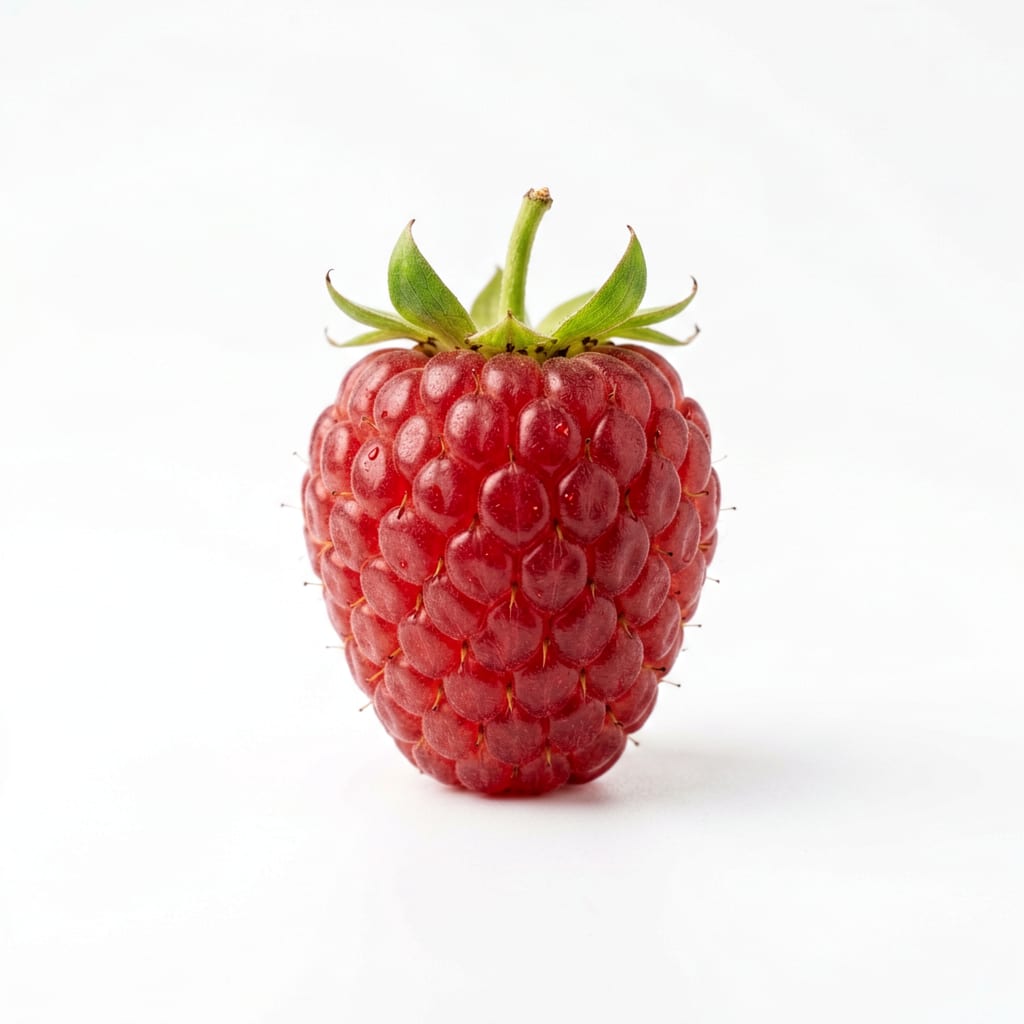
Raspberry
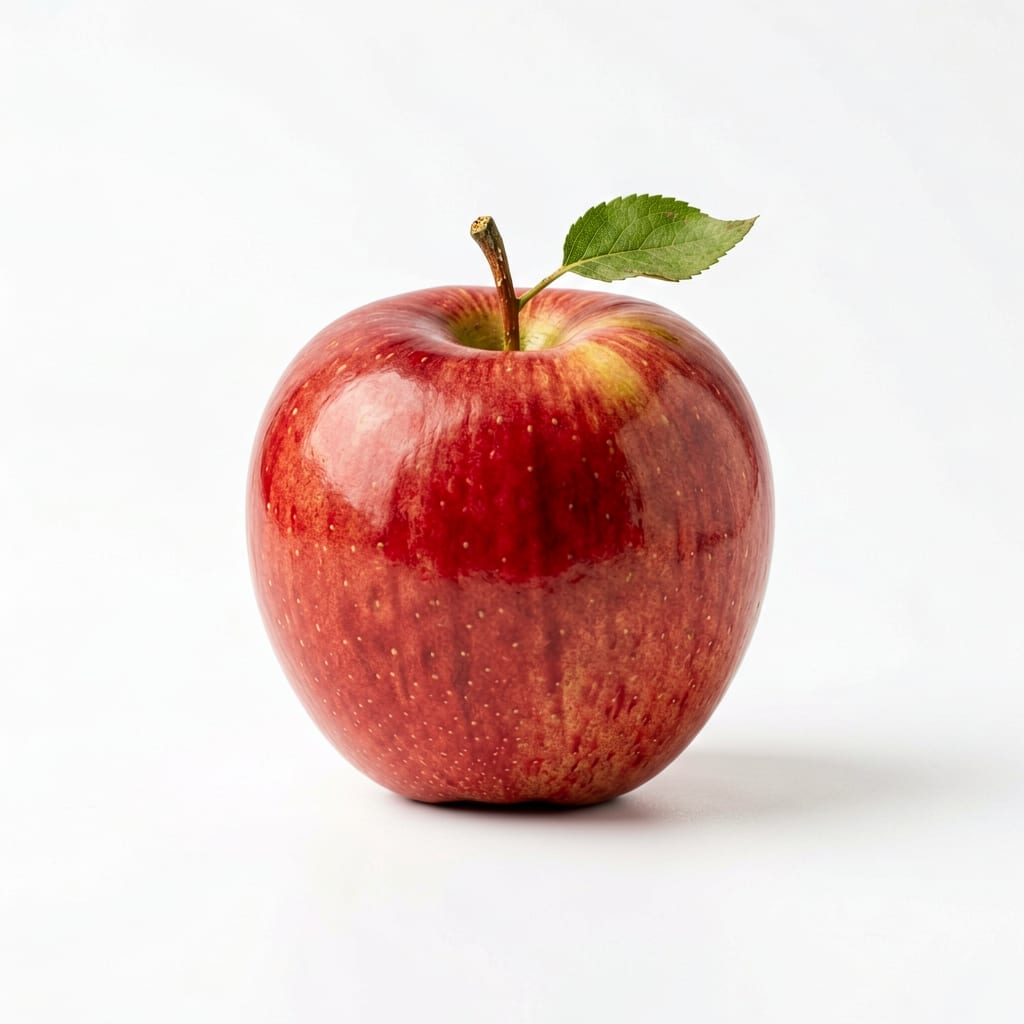
Apple
Raspberries win on nutrition density and low sugar; apples win on convenience, cost, and everyday practicality.
Raspberries score higher on nutritional quality per calorie and sugar control, but apples close the gap with superior convenience, satiety, and affordability. The 4-point difference reflects that both are excellent choices with different strengths.
Raspberries give you more fiber and antioxidants with far less sugar, but apples are cheaper, more filling, and easier to keep around.
At a glance
Executive summary
Overall
It depends
Healthier
Raspberry
More practical
Apple
Daily use
Apple
Key comparison lenses
sugar and blood sugar management
Raspberries have dramatically less sugar than apples, making this the most impactful difference for many users
fiber density and satiety
Both are high-fiber fruits but raspberries deliver far more fiber per calorie, changing how filling they feel
antioxidant and disease prevention
Raspberries offer unique compounds like ellagic acid while apples provide quercetin, each with distinct benefits
weight management and calorie efficiency
Raspberries provide more volume and nutrients per calorie, making them a leaner option for calorie-conscious eaters
everyday convenience and cost
Apples are shelf-stable and affordable year-round while raspberries spoil quickly and cost significantly more
Best choice for
Raspberry
- Low-sugar diets and diabetes management
- Antioxidant-focused eating patterns
- Calorie-dense nutrition seekers
- Keto or low-carb lifestyles
Apple
- Budget-conscious families
- On-the-go snacking and lunchboxes
- Sustained energy between meals
- People who want a filling, satisfying fruit
Least suitable for
Raspberry
- Tight grocery budgets
- Situations needing long shelf life
- People who dislike tart flavors
Apple
- Strict low-sugar or keto diets
- Those managing insulin resistance carefully
- People seeking maximum nutrient density per calorie
Deep comparison
Dimension by dimension
Each lens scores both foods and breaks down who each option suits.
- Dimension 1 · Priority 92Raspberry
sugar_and_blood_sugar_impact
Raspberry · 93Apple · 62Raspberries contain roughly one-quarter the sugar of apples per serving, making them far gentler on blood sugar.
Tradeoff
Apples provide quicker energy from natural sugars, which can be helpful before exercise but problematic for insulin-sensitive individuals.
Why it matters
A cup of raspberries has about 5g of sugar versus 19g in a medium apple. That difference compounds over daily fruit intake.
Real-world impact
Eating raspberries instead of apples as your daily fruit can save you 14g of sugar per serving, which adds up to nearly 100g over a week.
Raspberry
- Diabetics monitoring glucose
- Low-carb and keto dieters
- People reducing sugar cravings
Better for
- Situations requiring quick fuel
Worse for
Apple
- Athletes needing pre-workout carbs
- Active people who burn sugar easily
- Children needing quick energy
Better for
- Insulin-resistant individuals
- Late-night snacking when blood sugar matters
Worse for
- Dimension 2 · Priority 88Raspberry
fiber_density_and_digestive_health
Raspberry · 94Apple · 74Raspberries are one of the highest-fiber fruits available, delivering 8g per cup compared to 4.4g in a medium apple.
Tradeoff
Apples still provide solid fiber and are easier to eat in larger quantities, which can close the fiber gap in practice.
Why it matters
Raspberries give you nearly twice the fiber per serving with fewer calories, supporting digestion and fullness more efficiently.
Real-world impact
A cup of raspberries with breakfast covers nearly a third of your daily fiber needs. You would need two apples to match that.
Raspberry
- People struggling to hit fiber goals
- Those managing constipation
- Calorie-conscious fiber seekers
Better for
- Sensitive digestive systems unused to high fiber
Worse for
Apple
- Kids who eat fruit more readily in apple form
- People who find high-fiber foods cause bloating
Better for
- Anyone needing maximum fiber per calorie
Worse for
- Dimension 3 · Priority 80Raspberry
antioxidant_and_disease_prevention
Raspberry · 90Apple · 75Raspberries offer a broader and more concentrated antioxidant profile, especially ellagic acid and anthocyanins linked to cancer prevention.
Tradeoff
Apples provide quercetin, a unique anti-inflammatory compound concentrated in the skin that raspberries lack.
Why it matters
Ellagic acid in raspberries has been studied for anti-cancer properties, while apple quercetin supports lung health and allergy response.
Real-world impact
Regular raspberry consumption is associated with reduced oxidative stress markers. Apples support respiratory health, especially when eaten with the skin.
Raspberry
- Cancer-prevention-focused diets
- People prioritizing anti-aging nutrition
- Anti-inflammatory eating patterns
Better for
- Those seeking quercetin specifically
Worse for
Apple
- Allergy sufferers seeking quercetin
- Lung health optimization
- People who actually eat the skin for full benefit
Better for
- Maximum antioxidant density per serving
Worse for
- Dimension 4 · Priority 75Apple
convenience_cost_and_accessibility
Raspberry · 45Apple · 92Apples are affordable, shelf-stable for weeks, and available everywhere. Raspberries are expensive, fragile, and spoil within days.
Tradeoff
Frozen raspberries close the convenience gap significantly while retaining most nutrients, but fresh raspberries remain a luxury purchase.
Why it matters
The best fruit nutritionally is the one you actually eat consistently. Apples make daily fruit habits easy and affordable.
Real-world impact
A bag of apples costs $3-5 and lasts two weeks. A small clamshell of raspberries costs $4-7 and lasts three days before molding.
Raspberry
- Smoothie makers using frozen berries
- Special occasion or supplement-style eating
Better for
- Anyone who cannot shop frequently
- Cost-sensitive meal planning
Worse for
Apple
- Weekly meal prep and bulk buying
- Lunchboxes and commuting snacks
- Budget households feeding a family
Better for
- Those willing to invest in premium nutrition
Worse for
- Dimension 5 · Priority 78Apple
satiety_and_real_world_eating_behavior
Raspberry · 68Apple · 84Apples are more physically filling due to their volume and density, while raspberries feel lighter and less satisfying on their own.
Tradeoff
Raspberries can be eaten in larger volumes for fewer calories, but most people find an apple more likely to hold them until the next meal.
Why it matters
An apple weighs about 180g and takes time to chew through. A cup of raspberries is 123g and disappears quickly, leaving you hungrier sooner.
Real-world impact
An apple at 3pm can prevent dinner overeating. A cup of raspberries at 3pm might leave you reaching for more food within an hour.
Raspberry
- Light snackers who prefer small portions
- Those counting calories precisely
Better for
- Hungry people needing real fullness
Worse for
Apple
- People who need a snack to actually hold them
- Busy professionals skipping between meals
- Anyone prone to overeating when undersnacked
Better for
- Those who find apples trigger more sugar cravings
Worse for
Timeline
Health impact over time
Short-term
Hours to days
Raspberry
- Very gentle on blood sugar with minimal glucose spike
- High fiber can cause bloating if eaten in large amounts suddenly
- Tart flavor may satisfy sweet cravings without triggering overeating
Apple
- Moderate blood sugar rise that provides noticeable energy within 20 minutes
- Chewing an apple creates a satisfying eating experience that signals fullness
- Natural sugars can trigger cravings in sugar-sensitive individuals
Long-term
Months to years
Raspberry
- Consistent low-sugar fruit intake supports insulin sensitivity over time
- Ellagic acid consumption linked to reduced cancer markers in observational studies
- High polyphenol intake supports cardiovascular and cognitive health
Apple
- Daily apple consumption associated with lower cholesterol and heart disease risk
- Quercetin intake linked to improved lung function and reduced asthma risk
- Pectin fiber supports healthy gut microbiome diversity with regular consumption
Risk profile
Safety & processing
Both fruits are whole foods with minimal processing concerns. Fresh raspberries and apples are equally natural choices. Watch for added sugars in frozen raspberry products and wax coatings on conventional apples.
Raspberry
Pesticide residue
mediumRaspberries sometimes appear on EWG's Dirty Dozen list. Their delicate skin absorbs and retains pesticides more than thicker-skinned fruits. Organic is strongly recommended.
Mold and spoilage
mediumRaspberries mold within 2-3 days of purchase. Inspect carefully before eating and discard any moldy berries immediately to avoid mycotoxin exposure.
Apple
Pesticide residue
mediumApples consistently rank in the top 5 of EWG's Dirty Dozen. Conventional apples often test positive for diphenylamine, a post-harvest treatment chemical banned in Europe. Buy organic when possible.
Wax coating
lowConventional apples are often coated with shellac or carnauba wax to improve appearance and shelf life. While generally recognized as safe, some people prefer to avoid it. Washing with baking soda helps reduce residue.
Who wins for whom
Audience fit
Same foods, different winners depending on your goal.
children
AppleMost children prefer the sweet taste and crunchy texture of apples. Apples are also easier to pack, less messy, and provide the energy growing kids need for active days.
daily consumption
AppleApples are more affordable, last longer in the fridge, and are easier to find year-round. Consistency beats perfection, and apples make daily fruit habits sustainable.
diabetes
RaspberryWith roughly 75% less sugar per serving and more fiber to slow absorption, raspberries are significantly gentler on blood glucose. They are one of the safest fruits for diabetics.
elderly
AppleApples are easier to chew for those with dental concerns, provide more calories for seniors struggling with appetite, and their pectin supports digestive regularity common in older adults.
muscle gain
AppleApples provide more carbohydrates for glycogen replenishment after training. The natural sugars are actually beneficial for post-workout recovery when muscles need quick fuel.
weight loss
RaspberryRaspberries provide more fiber and volume per calorie, making it easier to stay full while maintaining a calorie deficit. Their low sugar content also prevents insulin spikes that can trigger fat storage.
Your move
Decision guide
Choose Raspberry
- You are managing blood sugar, insulin resistance, or diabetes
- You want maximum nutrition per calorie consumed
- You eat fruit primarily in smoothies or with other foods
- You are following a low-carb or keto approach
- You can afford and access fresh or frozen raspberries regularly
Choose Apple
- You need a filling snack that actually holds you between meals
- Budget and convenience are top priorities
- You want fruit that travels well and lasts all week
- You are active and benefit from the natural carbohydrate energy
- You are feeding kids who prefer sweet, crunchy snacks
Either works if
- You simply want to eat more whole fruit daily
- You enjoy variety and can rotate both throughout the week
- You have no specific blood sugar or weight concerns
- You buy organic when possible for both options
Avoid both if
- You have a severe fructose intolerance or FODMAP sensitivity
- You are on a strict carnivore elimination diet
- You are allergic to birch pollen, which can cross-react with both fruits
Final recommendation
Eat both, but let your goals decide the ratio. If blood sugar control or nutrient density is your priority, lean heavily into raspberries. If you need affordable, filling, everyday fruit that you will actually eat consistently, apples are the smarter daily staple. Frozen raspberries are the best compromise, giving you raspberry nutrition at apple-level convenience.
Practical
Consumer tips
- 1
Buy frozen organic raspberries in bulk bags for the best value. They retain nearly all nutrients and work perfectly in smoothies, oatmeal, and yogurt.
- 2
Always choose organic apples if possible. They top the Dirty Dozen list year after year, and the skin is where most nutrients and pesticides concentrate.
- 3
Wash apples in a baking soda solution for 12-15 minutes to remove surface pesticide residue and wax more effectively than water alone.
- 4
Do not discard raspberry seeds. They contain a significant portion of the ellagic acid and fiber that make raspberries so nutritionally valuable.
- 5
If raspberries are too tart alone, pair them with a few nuts or a small amount of dark chocolate. The fat improves absorption of fat-soluble antioxidants.
- 6
Store raspberries in the fridge unwashed until ready to eat. Moisture accelerates mold. Only rinse right before consuming.