
Nutrition comparison
Prawn vs Shrimp: Nutrition, Taste, and Value Comparison
Are prawns healthier than shrimp? Compare nutrition, taste, price, and sustainability between prawns and shrimp to make the best choice for your meals.
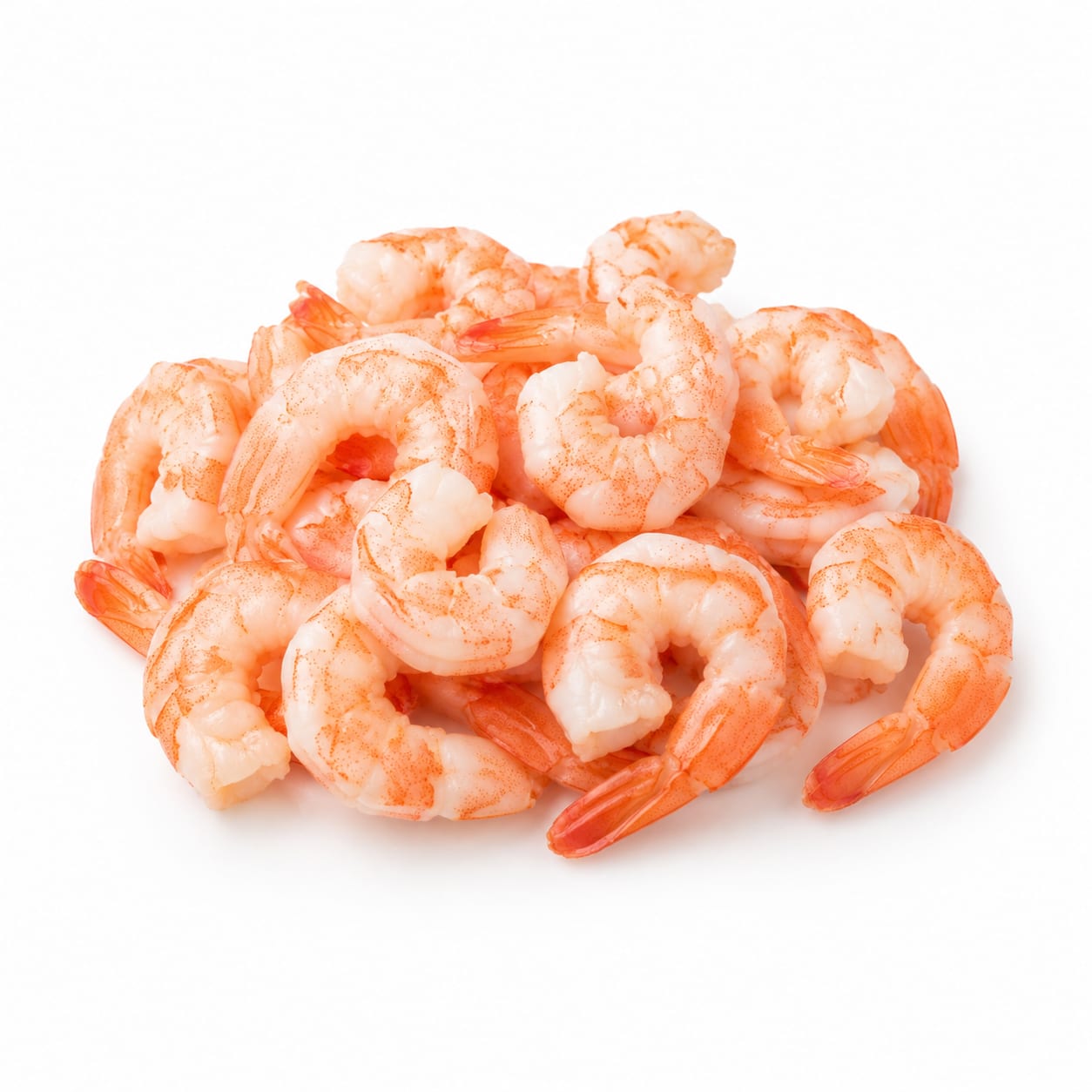
Prawn
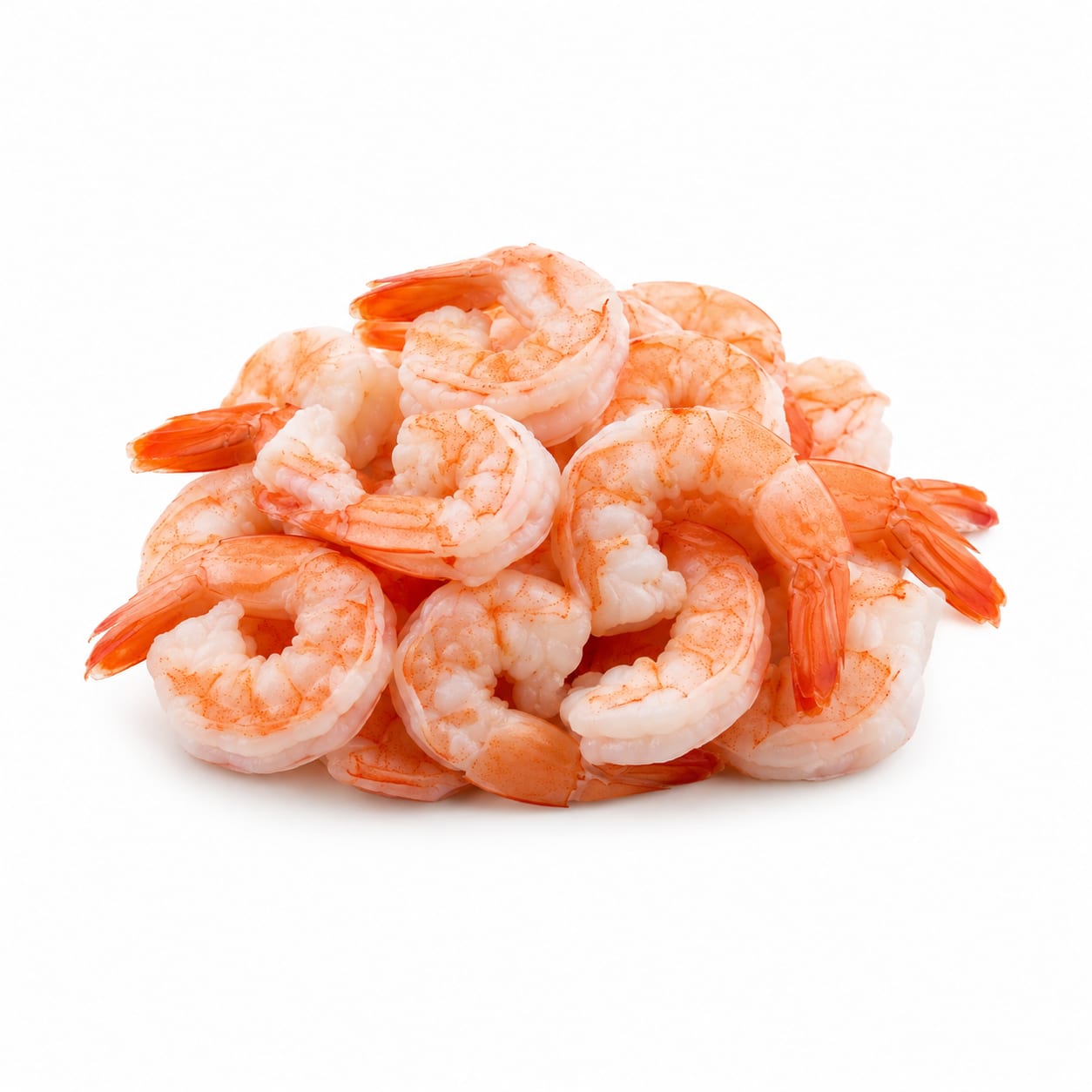
Shrimp
Prawns and shrimp are nutritionally nearly identical. The real differences are culinary, regional, and price-based — not health-based.
Shrimp edges ahead slightly on practicality and value, but the nutritional difference is negligible. Prawns lose points mainly on cost and availability, not health.
Prawns cost more and offer slightly more meat per piece with a sweeter flavor, while shrimp are cheaper, more widely available, and nutritionally equivalent
At a glance
Executive summary
Overall
It depends
Healthier
It depends
More practical
Shrimp
Daily use
Shrimp
Key comparison lenses
nutritional equivalence verification
Prawns and shrimp are often confused or used interchangeably, so users primarily want to know if one is actually healthier
culinary and recipe substitution
Most people choosing between these are cooking and need to know if they can swap one for the other
value and price fairness
Prawns are typically more expensive, so users want to know if the premium is justified nutritionally
sustainability and sourcing
Both carry seafood sustainability concerns but sourcing practices differ significantly
allergy and contamination safety
Shellfish allergies and heavy metal exposure apply to both but users want specific risk clarity
Best choice for
Prawn
- Special occasion meals where presentation matters
- Recipes where larger size and sweeter flavor shine
- UK, Australian, or Asian markets where prawns are standard
Shrimp
- Weeknight cooking on a budget
- Recipes requiring many small pieces like stir-fries
- North American markets where shrimp is more available
Least suitable for
Prawn
- Budget-conscious daily meal prep
- Recipes needing many small uniform pieces
Shrimp
- Plating dishes where large impressive pieces matter
- Cuisines where prawn sweetness is traditional
Deep comparison
Dimension by dimension
Each lens scores both foods and breaks down who each option suits.
- Dimension 1 · Priority 95It depends
nutritional value
Prawn · 78Shrimp · 78Nearly identical nutrition. Both deliver lean protein, minimal fat, and similar cholesterol levels.
Tradeoff
No meaningful nutritional advantage either way — calories, protein, and micronutrients are essentially equivalent
Why it matters
If you are choosing based on health, you can pick either without consequence
Real-world impact
Swapping prawns for shrimp in any recipe changes your nutrient intake by amounts too small to measure
Prawn
- Large portion visual satisfaction from fewer pieces
Better for
- More expensive per gram of protein
Worse for
Shrimp
- Identical nutrition at lower cost per gram of protein
Better for
- Smaller pieces may feel less satisfying per piece
Worse for
- Dimension 2 · Priority 80It depends
protein quality and content
Prawn · 79Shrimp · 79Both provide excellent complete protein with all essential amino acids at roughly 20-24g per 100g serving.
Tradeoff
Prawns may have marginally more protein per piece due to size, but per gram the difference vanishes
Why it matters
Either works well as a lean protein source for muscle maintenance or weight management
Real-world impact
After a workout, both deliver similar recovery nutrition — pick whichever is fresher or cheaper
Prawn
- Fewer pieces needed to hit protein targets due to larger size
Better for
- Cost per gram of protein is higher
Worse for
Shrimp
- Same protein quality at better value
Better for
- Need more pieces to feel like a substantial portion
Worse for
- Dimension 3 · Priority 75It depends
cholesterol and heart health
Prawn · 65Shrimp · 65Both are high in dietary cholesterol but low in saturated fat. Current research suggests dietary cholesterol has modest impact on blood cholesterol for most people.
Tradeoff
The cholesterol content looks alarming on paper but the low saturated fat and high omega-3 profile make both reasonable heart choices in moderation
Why it matters
If you have high cholesterol or heart disease, portion control matters more than which one you pick
Real-world impact
Eating either a few times per week is fine for most hearts — daily large portions would be the real concern
Prawn
- Slightly higher omega-3 content in some varieties
Better for
- Higher price means less room in budget for heart-healthy vegetables alongside
Worse for
Shrimp
- Same heart-health profile at lower cost
Better for
- No meaningful disadvantage vs prawns here
Worse for
- Dimension 4 · Priority 70Prawn
taste and culinary versatility
Prawn · 82Shrimp · 76Prawns tend to be sweeter and meatier with a firmer bite. Shrimp are milder and more tender, adapting to a wider range of dishes.
Tradeoff
Prawns shine as a centerpiece protein; shrimp blend better into complex dishes
Why it matters
If the seafood is the star, prawns deliver more impact. If it is one ingredient among many, shrimp work just as well
Real-world impact
Grilled prawns feel like a restaurant dish. Shrimp in pasta or curry feel like home cooking — both delicious, different vibes
Prawn
- Grilling and searing where size and sweetness stand out
- Plating dishes where visual impact matters
Better for
- Overcooking is more obvious and disappointing with larger prawns
Worse for
Shrimp
- Stir-fries, pastas, tacos where small pieces distribute evenly
- Breading and frying where uniform small size works better
Better for
- Can feel insubstantial as a standalone main course
Worse for
- Dimension 5 · Priority 70Shrimp
value and accessibility
Prawn · 55Shrimp · 85Shrimp are significantly cheaper and available in virtually every grocery store. Prawns carry a premium price and can be harder to find.
Tradeoff
You pay more for prawns primarily for size and sweetness, not better nutrition
Why it matters
For regular home cooking, the price difference can be substantial over weeks and months
Real-world impact
Feeding a family of four with shrimp might cost $12-15. The same meal with prawns could run $20-30
Prawn
- Special occasions where the premium feels worth it
Better for
- Hard to justify for everyday meals on a budget
Worse for
Shrimp
- Weeknight dinners, meal prep, budget-conscious cooking
- Anywhere you need quantity over impressiveness
Better for
- May feel less special for dinner parties or celebrations
Worse for
- Dimension 6 · Priority 60It depends
sustainability and sourcing
Prawn · 62Shrimp · 60Both face serious sustainability issues depending on source. Farmed vs wild-caught matters far more than prawn vs shrimp.
Tradeoff
Neither has a clear sustainability advantage — the farming method and origin determine impact
Why it matters
Choosing well-sourced seafood matters more than choosing between these two species
Real-world impact
A responsibly farmed shrimp is better than an irresponsibly caught prawn, and vice versa
Prawn
- Some prawn farming operations in Australia and UK follow stricter environmental standards
Better for
- Tropical prawn farming has been linked to mangrove destruction
Worse for
Shrimp
- More MSC-certified shrimp options exist in North American markets
Better for
- Mass-market imported shrimp often has the worst farming practices
Worse for
Timeline
Health impact over time
Short-term
Hours to days
Prawn
- High protein content promotes fullness after meals
- Low carbohydrate content means no blood sugar spikes
- Shellfish allergy risk — reactions can be severe and immediate
Shrimp
- Same satiating protein effect as prawns
- Same blood sugar stability benefit
- Identical shellfish allergy risk
Long-term
Months to years
Prawn
- Regular lean protein intake supports muscle maintenance with aging
- Moderate cholesterol intake is manageable for most people but worth monitoring
- Selenium and B12 content supports thyroid and nerve health long-term
Shrimp
- Identical long-term protein and micronutrient benefits
- Same cholesterol considerations as prawns
- Same selenium and B12 advantages
Risk profile
Safety & processing
Both are whole natural seafood when sold fresh or frozen. However, shrimp are more commonly treated with sodium tripolyphosphate to retain moisture, which adds sodium and can affect texture. Prawns are less frequently treated this way, especially premium varieties. Always check labels for added sodium or preservatives regardless of which you buy.
Prawn
shellfish allergy
highSame allergen profile as shrimp. Reactions can range from hives to anaphylaxis. No safe crossover for shellfish-allergic individuals.
heavy metal contamination
lowPrawns generally show low mercury levels compared to larger seafood. Some cadmium exposure possible depending on farming location.
foodborne illness from improper handling
mediumLike all seafood, prawns spoil quickly. Proper refrigeration and thorough cooking are essential.
Shrimp
shellfish allergy
highIdentical allergen risk to prawns. Cross-reactivity is complete between the two.
antibiotic residues in farmed shrimp
mediumImported farmed shrimp, especially from some Asian producers, have shown higher rates of antibiotic residues. Choose domestic or certified sources when possible.
sodium tripolyphosphate treatment
lowCommon moisture-retaining additive in mass-market shrimp. Not dangerous but adds hidden sodium and can make texture mushy.
Who wins for whom
Audience fit
Same foods, different winners depending on your goal.
children
ShrimpShrimp's smaller size is easier for children to handle and chew. Lower cost also matters for families. Both are equally nutritious for kids.
daily consumption
ShrimpShrimp are more affordable and accessible for regular meals. Both are healthy enough for daily consumption, but shrimp make it more sustainable budget-wise.
diabetes
It dependsBoth have zero carbohydrates and will not spike blood sugar. Either works well as a lean protein source in a diabetic meal plan.
elderly
It dependsBoth provide excellent lean protein for maintaining muscle mass. Prawns may be slightly easier to chew due to firmer texture, but either works well.
muscle gain
ShrimpSame high-quality protein content but shrimp are cheaper per gram of protein, making it easier to eat the quantities needed for muscle building.
weight loss
It dependsBoth are extremely low in calories and high in protein. Shrimp wins on cost-effectiveness for regular consumption, but the nutritional profile is identical for weight loss purposes.
Your move
Decision guide
Choose Prawn
- You are cooking for a special occasion and want impressive presentation
- You find prawns at a reasonable price and prefer sweeter, meatier seafood
- You follow UK, Australian, or Southeast Asian recipes that specifically call for prawns
- You want larger pieces for grilling or searing as a main protein
Choose Shrimp
- You want the best value for lean protein in your weekly meal plan
- You are making stir-fries, pastas, tacos, or dishes with many mixed ingredients
- You are feeding a family and cost matters
- You shop at a typical North American grocery store where shrimp selection is better
Either works if
- You have no shellfish allergy and want a lean protein source
- You are watching calories and want something filling but light
- You are making a seafood soup, curry, or stew where size differences disappear
- You care about nutrition and both are available at similar freshness and price
Avoid both if
- You have a diagnosed shellfish allergy — both are equally dangerous
- You are pregnant and unsure about seafood sourcing — consult your doctor about safe options
- You have severe gout and are sensitive to purine-rich foods
- You cannot verify the sourcing and are concerned about antibiotic or contaminant exposure
Final recommendation
Stop overthinking the prawn versus shrimp question nutritionally — they are essentially the same food. Pick based on what your recipe needs, what your store sells well, and what your budget allows. If you want a showpiece seafood dish, go for prawns. If you want everyday lean protein that does not break the bank, shrimp are the practical winner. Either way, prioritize sourcing quality over species choice — a well-sourced shrimp beats a poorly sourced prawn every time.
Practical
Consumer tips
- 1
Check frozen shrimp and prawns for sodium tripolyphosphate on the ingredient list — avoid it when possible for better texture and lower sodium
- 2
Buy wild-caught or responsibly farmed certifications like MSC or ASC regardless of whether you choose prawns or shrimp
- 3
Thaw frozen seafood in the refrigerator overnight rather than under warm water to preserve texture
- 4
Do not overcook either one — both become rubbery quickly. Prawns are done when they curl into a C shape; a tight O means overcooked
- 5
Deveining is optional for both but improves appearance and removes gritty texture in larger prawns
- 6
Price per pound can be misleading since prawn shells are larger — compare price per edible gram for a fair comparison
- 7
If buying pre-cooked, be aware that both lose flavor and texture compared to cooking from raw