
Nutrition comparison
Prawn vs Scallops: Which Shellfish Is Healthier for You?
Compare prawn vs scallops nutrition — protein, cholesterol, calories, safety, and taste. Find out which shellfish fits your health goals and when to choose each.
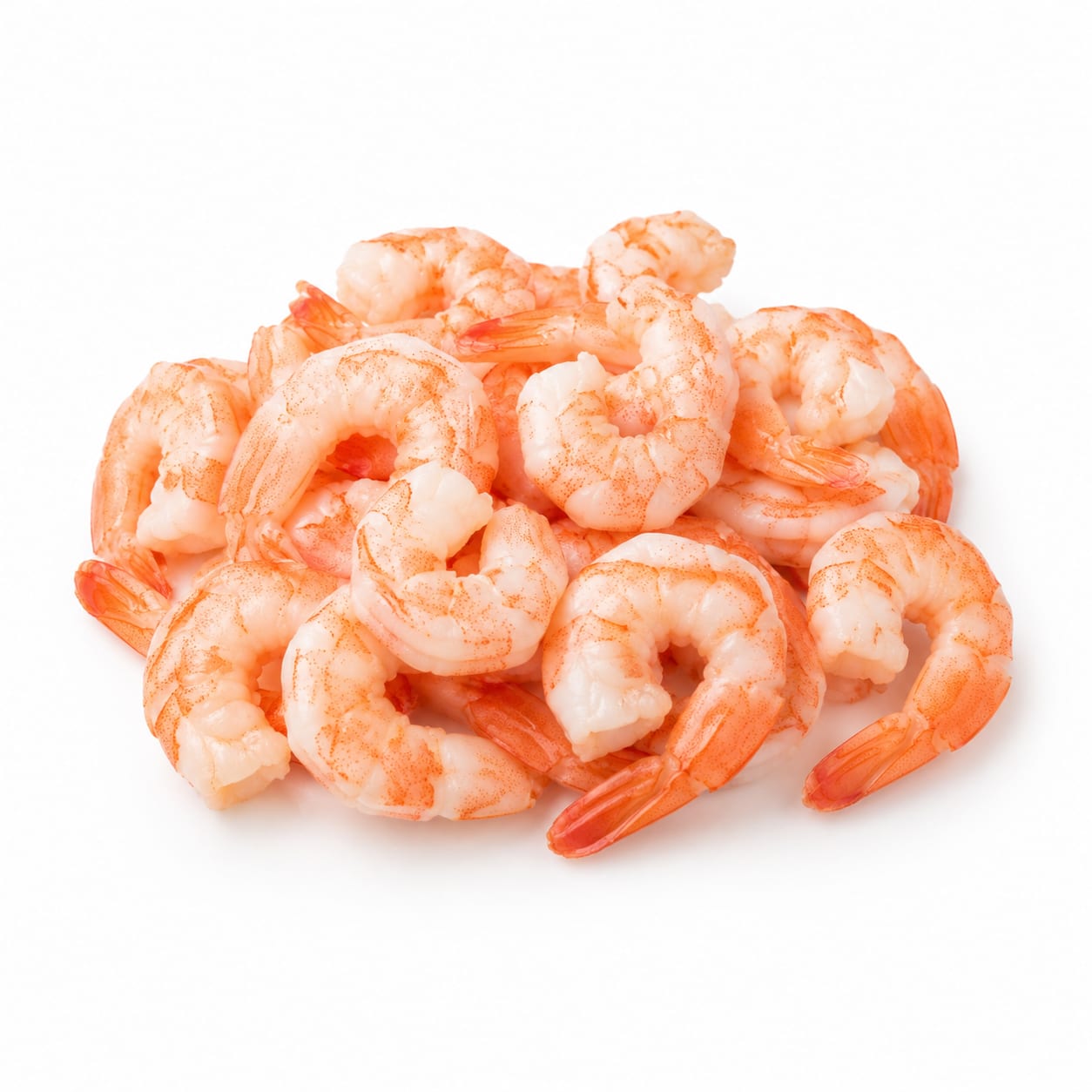
Prawn
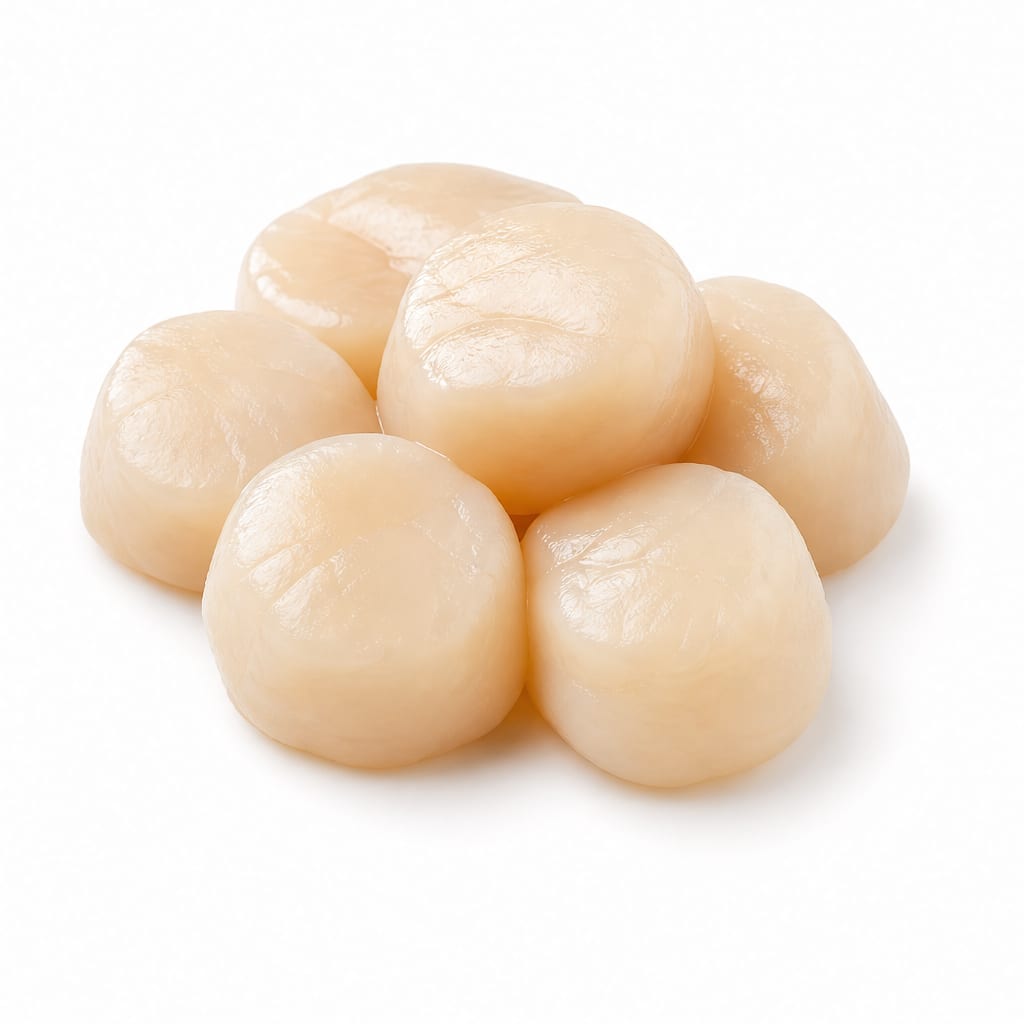
Scallops
Prawns win on protein and satiety; scallops win on cholesterol and lightness. Your pick depends on what matters more for your plate.
Prawns edge ahead on protein density and practicality, but scallops stay competitive due to lower cholesterol and a lighter eating experience. The close scores reflect that neither is universally better — the winner depends on your health priorities.
Prawns deliver more protein and staying power but carry significantly more cholesterol. Scallops are lighter and heart-friendlier but less filling per serving.
At a glance
Executive summary
Overall
It depends
Healthier
It depends
More practical
Prawn
Daily use
Scallops
Key comparison lenses
protein density and satiety comparison
Both are lean shellfish but prawns deliver significantly more protein per calorie, making this the primary differentiator for most eaters
cholesterol and heart health concerns
Prawns are notably high in cholesterol while scallops are remarkably low, a key decision factor for cardiovascular-conscious consumers
contamination and sourcing safety
Both are shellfish with allergy and contamination risks, but farmed prawns carry additional antibiotic and chemical exposure concerns
culinary versatility and practicality
Prawns are more versatile in cooking and more widely available, while scallops are more delicate and often pricier
weight management and calorie efficiency
Both are low-calorie proteins but differ in how filling they are per serving, affecting real-world eating behavior
Best choice for
Prawn
- People prioritizing high protein intake with minimal calories
- Those wanting longer-lasting fullness from a lean protein
- Budget-conscious cooks needing versatile shellfish
- Athletes and active individuals needing protein density
Scallops
- People managing cholesterol or cardiovascular concerns
- Those wanting a light, elegant protein without heaviness
- Diners seeking a delicacy-style seafood experience
- Anyone watching dietary cholesterol intake closely
Least suitable for
Prawn
- People with severe cholesterol concerns on physician-advised low-cholesterol diets
- Those avoiding farmed seafood with antibiotic exposure risks
- Diners seeking a light, delicate protein option
Scallops
- Those needing high protein per serving for muscle maintenance
- Budget-limited households since scallops are often expensive
- People wanting a filling main protein that sustains energy for hours
Deep comparison
Dimension by dimension
Each lens scores both foods and breaks down who each option suits.
- Dimension 1 · Priority 92Prawn
protein density and satiety
Prawn · 91Scallops · 65Prawns deliver roughly twice the protein per serving compared to scallops, making them far more filling and effective as a main protein source.
Tradeoff
That protein comes with significantly more cholesterol, which matters if heart health is a priority.
Why it matters
Higher protein per calorie means you stay full longer and need less food overall to feel satisfied — a big deal for weight management and meal planning.
Real-world impact
A prawn-based lunch keeps you full until dinner. A scallop-based lunch may leave you reaching for a snack by midafternoon.
Prawn
- Post-workout recovery meals
- Anyone tracking protein macros
- Main course protein for active adults
Better for
- Cholesterol-restricted diets
Worse for
Scallops
- Light appetizers before a larger meal
- Small-plate dining where heaviness is unwanted
Better for
- Meals where protein is the primary goal
Worse for
- Dimension 2 · Priority 88Scallops
cholesterol and heart health
Prawn · 42Scallops · 93Scallops are remarkably low in cholesterol while prawns are among the highest-cholesterol shellfish. For heart-conscious eaters, this gap is significant.
Tradeoff
Prawns do provide more omega-3 fatty acids, which support heart health in other ways, but the cholesterol load remains a concern for some.
Why it matters
If your doctor has flagged your cholesterol, prawns can be a problematic choice even though dietary cholesterol affects people differently.
Real-world impact
Someone with borderline high cholesterol can enjoy scallops regularly with little concern but should treat prawns as an occasional indulgence.
Prawn
- People with healthy cholesterol who metabolize dietary cholesterol well
Better for
- Physician-advised low-cholesterol diets
Worse for
Scallops
- Anyone with elevated LDL cholesterol
- Heart disease patients following cardiac diets
- Older adults being cautious about cardiovascular risk
Better for
- Dimension 3 · Priority 80Scallops
contamination and sourcing safety
Prawn · 55Scallops · 72Farmed prawns frequently carry antibiotic residues and chemical contaminants. Wild scallops generally have cleaner sourcing profiles, though both require careful selection.
Tradeoff
Prawns are more widely available and often cheaper, but that accessibility sometimes comes from less rigorous farming practices.
Why it matters
Antibiotic exposure from farmed shellfish contributes to resistance concerns and can cause reactions in sensitive individuals.
Real-world impact
Choosing wild-caught or certified-sustainable prawns reduces risk but costs more. Scallops tend to be wild-caught by default, simplifying the decision.
Prawn
- Situations where you can verify wild-caught or certified sourcing
Better for
- Budget purchases of unlabeled farmed prawns
Worse for
Scallops
- Anyone concerned about antibiotic residues in farmed seafood
- Diners who want simpler sourcing decisions
Better for
- Dimension 4 · Priority 70It depends
mineral and micronutrient profile
Prawn · 78Scallops · 76Prawns excel in selenium, zinc, and vitamin B12. Scallops provide more magnesium and potassium. Both are strong nutrient sources with different strengths.
Tradeoff
Neither dominates — your mineral priorities determine which serves you better.
Why it matters
Selenium supports thyroid and immune function, while magnesium helps with sleep and muscle recovery. Both matter but for different daily needs.
Real-world impact
If you struggle with sleep quality, scallops may help more. If immune resilience is your focus, prawns have the edge.
Prawn
- Immune system support via selenium and zinc
- Vitamin B12 intake for energy and nerve health
Better for
Scallops
- Muscle recovery and sleep support via magnesium
- Blood pressure regulation through potassium
Better for
- Dimension 5 · Priority 75Prawn
culinary versatility and convenience
Prawn · 88Scallops · 62Prawns work in stir-fries, curries, pasta, tacos, salads, and grilling. Scallops shine when seared or served as a centerpiece but are less forgiving and more limited.
Tradeoff
Scallops offer a premium dining experience but require more skill and care. Prawns are nearly foolproof and adapt to almost any cuisine.
Why it matters
A protein you actually cook with regularly beats one that sits in the freezer because it feels intimidating.
Real-world impact
Most home cooks can throw prawns into a weeknight stir-fry without thinking. Scallops demand attention to avoid overcooking and ruining an expensive ingredient.
Prawn
- Weeknight cooking where speed and flexibility matter
- Cuisines from Asian to Mediterranean to Latin American
- Meal prep scenarios requiring adaptability
Better for
Scallops
- Special occasion dinners where presentation matters
- Fine dining experiences at home
Better for
- Rushed weeknight cooking
- Budget meal planning
Worse for
- Dimension 6 · Priority 72Scallops
calorie efficiency and weight management
Prawn · 74Scallops · 82Scallops are slightly lower in calories per serving, but prawns offer more protein per calorie. For pure calorie counting, scallops win. For satiety per calorie, prawns win.
Tradeoff
Fewer calories only helps if the food actually satisfies you. Scallops may leave you hungrier sooner despite the calorie savings.
Why it matters
Weight management works best when you feel full on fewer calories. The balance between calorie count and satiety determines real-world success.
Real-world impact
A 150-calorie prawn dish may prevent late-night snacking. A 100-calorie scallop dish might not.
Prawn
- Satiety-focused weight loss where feeling full matters
- High-protein low-calorie meal plans
Better for
Scallops
- Strict calorie counting approaches
- Light eating before events or on rest days
Better for
- Situations where under-eating triggers cravings
Worse for
Timeline
Health impact over time
Short-term
Hours to days
Prawn
- Quick, sustained energy from high protein content
- Strong satiety that reduces between-meal hunger
- Potential digestive comfort issues for those with shellfish sensitivity
Scallops
- Light, clean feeling after eating without heaviness
- Gentle on digestion due to softer texture and lower fat
- Less satiety, which may trigger sooner hunger
Long-term
Months to years
Prawn
- Excellent protein intake supports muscle maintenance and metabolic health
- Cholesterol load may impact blood lipid profiles in susceptible individuals
- Consistent selenium and zinc intake supports immune resilience
- Potential cumulative exposure to contaminants if sourcing is not verified
Scallops
- Heart-friendly cholesterol profile supports cardiovascular health long-term
- Magnesium and potassium contribute to blood pressure regulation over time
- Lower protein intake may require supplementation from other sources
- Generally cleaner long-term contamination profile with wild sourcing
Risk profile
Safety & processing
Both are naturally minimally processed when sold fresh or frozen. However, prawns are more likely to be treated with sodium tripolyphosphate as a preservative, and farmed varieties may carry antibiotic residues. Scallops are less commonly treated and more often sold wild-caught in their natural state.
Prawn
Antibiotic residues in farmed varieties
mediumImported farmed prawns, particularly from some Asian suppliers, may contain antibiotic residues that contribute to resistance and can cause reactions in sensitive people.
Sodium tripolyphosphate treatment
lowCommonly used to retain moisture in frozen prawns, adding sodium and altering texture. Look for 'no additives' labels to avoid this.
Shellfish allergy
highPrawns are a top shellfish allergen. Reactions can be severe and life-threatening for allergic individuals.
Heavy metal accumulation
lowPrawns can accumulate some heavy metals from their environment, though typically at lower levels than larger fish.
Scallops
Shellfish allergy
highScallops are mollusks rather than crustaceans, but cross-reactivity can still occur for those with shellfish allergies.
Sourcing fraud
mediumSome scallops are mislabeled or swapped with lower-quality species. Restaurant scallops are sometimes shaped from other white fish.
Water quality contamination
lowAs filter feeders, scallops can accumulate toxins from algal blooms in their harvest waters, though monitoring is generally strict.
Who wins for whom
Audience fit
Same foods, different winners depending on your goal.
children
ScallopsScallops are lower in cholesterol and have a milder, sweeter flavor that appeals more to young palates, with fewer contamination concerns from typical sourcing.
daily consumption
ScallopsScallops' lower cholesterol and generally cleaner sourcing make them safer for regular daily intake, though variety is always ideal.
diabetes
ScallopsBoth are essentially zero-carb, but scallops have a cleaner cardiovascular profile, which matters since diabetes increases heart disease risk.
elderly
ScallopsLower cholesterol, softer texture that is easier to chew, and a cleaner cardiovascular profile make scallops more appropriate for aging bodies.
muscle gain
PrawnSignificantly more protein per serving makes prawns the clear choice for supporting muscle repair and growth.
weight loss
PrawnPrawns provide more protein per calorie, leading to better satiety and fewer cravings throughout the day — the real driver of sustainable weight loss.
Your move
Decision guide
Choose Prawn
- You prioritize protein intake for fitness, muscle maintenance, or satiety
- You want a versatile shellfish that works across many cuisines and cooking methods
- You are not concerned about dietary cholesterol
- You can source wild-caught or certified-sustainable prawns
Choose Scallops
- You are managing cholesterol or cardiovascular risk factors
- You prefer a lighter, more delicate protein that does not sit heavy
- You want cleaner sourcing with less worry about antibiotic residues
- You are cooking for a special occasion where presentation and elegance matter
Either works if
- You have no specific cholesterol concerns and enjoy both flavors
- You rotate proteins throughout the week for variety
- You are eating shellfish as part of a balanced meal with vegetables and whole grains
Avoid both if
- You have a diagnosed shellfish allergy
- You are following a strict low-purine diet for gout management
- You are pregnant and unsure about seafood sourcing safety
- You have severe sodium restrictions and cannot control preparation methods
Final recommendation
For most everyday eating, scallops are the gentler choice — lower cholesterol, cleaner sourcing, and a lightness that fits easily into a heart-conscious routine. But if protein density and meal satisfaction are your priorities, and your cholesterol is healthy, prawns are the more practical and filling option. The smartest approach is rotating both: prawns when you need substance, scallops when you want something lighter.
Practical
Consumer tips
- 1
Look for prawns labeled 'wild-caught' or with ASC/BAP certification to avoid antibiotic-exposed farmed varieties
- 2
Check scallop labels for 'dry pack' — wet-pack scallops are treated with STPP and will not sear properly
- 3
If cholesterol is a concern, limit prawn portions to 150g per meal and balance with fiber-rich vegetables
- 4
Both freeze well, so buy in bulk when sustainably sourced options are available
- 5
Never refreeze thawed shellfish — plan portions before defrosting
- 6
For the best scallop sear, pat completely dry and cook in a very hot pan for only 2 minutes per side
- 7
Prawns cook in 2-3 minutes per side — overcooking makes them rubbery and unpleasant