
Nutrition comparison
Prawn vs Salmon: Which Is Healthier for You?
Compare prawn and salmon nutrition — omega-3s, calories, protein, cholesterol, and safety. Find out which seafood fits your health goals better.
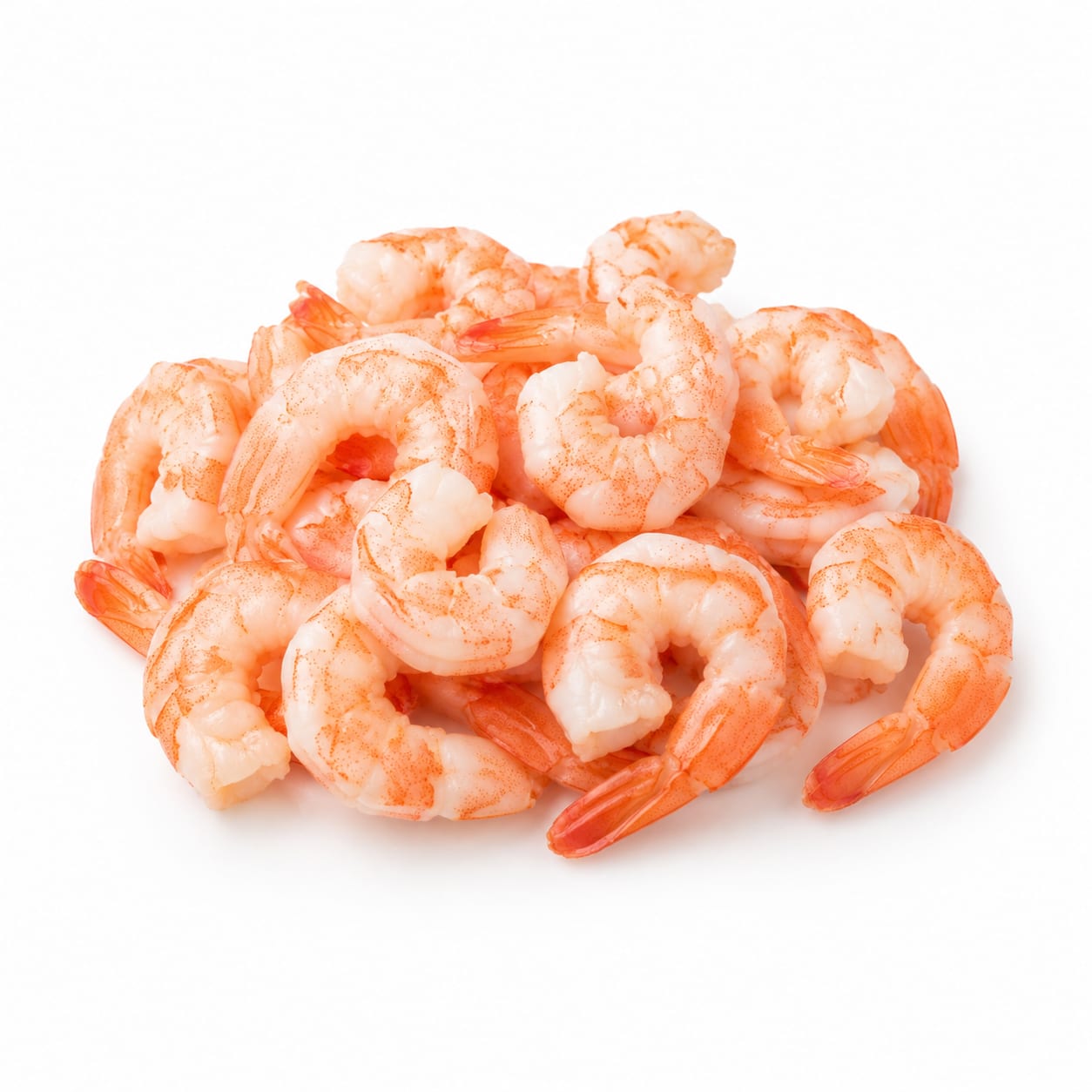
Prawn
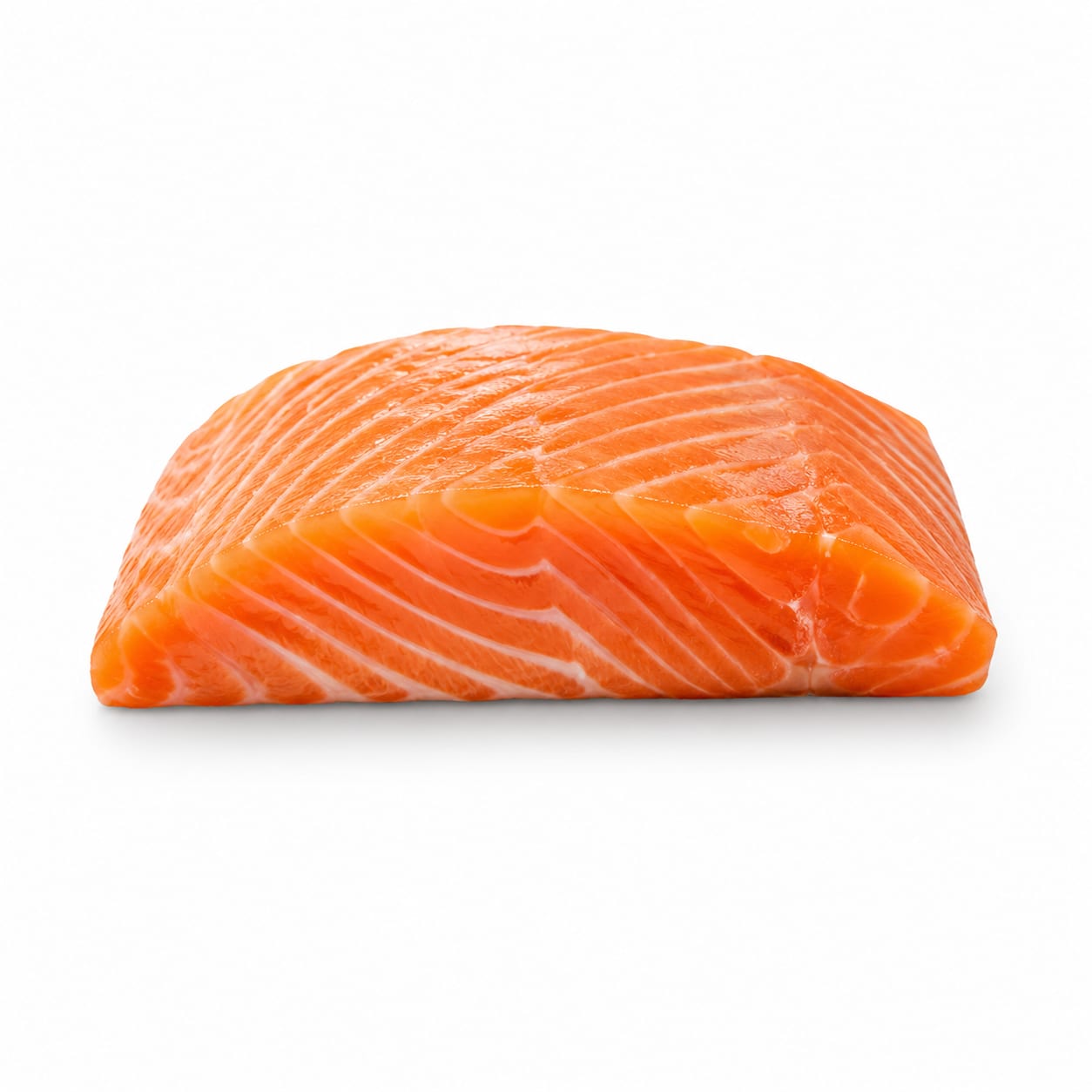
Salmon
Salmon wins for long-term health and anti-inflammatory power; prawns win for low-calorie protein density and variety.
Salmon scores higher due to its unmatched omega-3 content, anti-inflammatory benefits, and broader nutrient profile. Prawns remain excellent for lean protein and calorie control but lack the deep health advantages that fatty fish provide.
Salmon gives you omega-3s and satiety from healthy fats; prawns give you lean protein with far fewer calories but almost no omega-3s.
At a glance
Executive summary
Overall
It depends
Healthier
Salmon
More practical
It depends
Daily use
Salmon
Key comparison lenses
heart health omega3
Salmon is one of the richest omega-3 sources available; prawns offer minimal omega-3, making this the starkest and most consequential difference
weight management calorie density
Prawns are dramatically lower in calories per serving, which matters enormously for anyone tracking intake
cholesterol concerns
Prawns are notoriously high in dietary cholesterol, which still worries many consumers despite updated science
contamination safety
Both carry distinct contamination profiles — mercury in salmon, antibiotic and shellfish toxin risks in prawns
anti inflammatory benefits
Salmon's omega-3s are powerfully anti-inflammatory; prawns lack this advantage
protein per calorie efficiency
Prawns deliver exceptional protein-to-calorie ratios, rivaling even chicken breast
Best choice for
Prawn
- Calorie-conscious eaters wanting high protein with minimal fat
- People already getting omega-3s from supplements or other fish
- Those who prefer lighter, less filling meals
- Anyone monitoring total fat intake closely
Salmon
- Heart health prioritization and cardiovascular protection
- Anti-inflammatory diets for joint or autoimmune conditions
- Brain health and cognitive function support
- People who find fatty fish more satisfying and filling
Least suitable for
Prawn
- Shellfish allergy sufferers
- Those relying on a single seafood source for omega-3s
- People with severe dietary cholesterol sensitivity
Salmon
- People strictly limiting calories or fat intake
- Those concerned about mercury exposure from frequent fish consumption
- Budget-conscious shoppers (quality salmon is expensive)
Deep comparison
Dimension by dimension
Each lens scores both foods and breaks down who each option suits.
- Dimension 1 · Priority 95Salmon
omega-3_and_heart_health
Prawn · 20Salmon · 95Salmon is an omega-3 powerhouse; prawns barely register on this metric.
Tradeoff
You choose between salmon's cardiovascular protection and prawns' lean calorie profile.
Why it matters
Omega-3s reduce heart disease risk, lower triglycerides, and calm systemic inflammation — benefits prawns simply cannot match.
Real-world impact
Eating salmon twice weekly can meaningfully lower heart disease risk. Eating prawns twice weekly is healthy but won't move the needle on omega-3 status.
Prawn
- cardiovascular protection
- systemic inflammation reduction
Worse for
Salmon
- heart disease prevention
- triglyceride management
- anti-inflammatory diets
- brain health
Better for
- Dimension 2 · Priority 85Prawn
protein_per_calorie
Prawn · 93Salmon · 72Prawns deliver more protein per calorie than almost any other animal food, including salmon.
Tradeoff
Prawns are leaner and lighter; salmon is more filling because of its fat content.
Why it matters
If you are tracking calories while preserving muscle, prawns are hard to beat.
Real-world impact
A 100g serving of prawns gives you ~24g protein for only ~99 calories. The same salmon portion delivers ~20g protein but costs ~208 calories.
Prawn
- cutting phases
- calorie-restricted diets
- lean bulking
Better for
- lasting satiety from fat content
Worse for
Salmon
- sustained energy
- meals that keep you full longer
Better for
- strict calorie counters
Worse for
- Dimension 3 · Priority 80Salmon
anti_inflammatory_effect
Prawn · 35Salmon · 92Salmon actively fights inflammation; prawns are neutral at best.
Tradeoff
Salmon's omega-3s are therapeutic; prawns simply avoid adding inflammatory damage.
Why it matters
Chronic inflammation drives heart disease, arthritis, and metabolic syndrome. Salmon helps combat this directly.
Real-world impact
People with joint pain or autoimmune flare-ups often notice improvement with regular salmon consumption. Prawns won't provide that relief.
Prawn
- therapeutic anti-inflammatory effects
Worse for
Salmon
- arthritis management
- autoimmune conditions
- post-exercise recovery
- chronic inflammation
Better for
- Dimension 4 · Priority 75Salmon
cholesterol_profile
Prawn · 45Salmon · 80Prawns are high in dietary cholesterol but low in saturated fat; salmon has moderate cholesterol but improves blood lipid profiles through omega-3s.
Tradeoff
Prawn cholesterol is less harmful than once feared, but salmon actively improves your lipid numbers.
Why it matters
Dietary cholesterol affects individuals differently. For sensitive responders, prawns may raise LDL. Salmon's omega-3s lower triglycerides and can raise HDL.
Real-world impact
If your doctor flagged your cholesterol, salmon is the safer regular choice. Occasional prawns are fine for most people.
Prawn
- cholesterol-sensitive individuals
Worse for
Salmon
- lowering triglycerides
- raising HDL
- improving overall lipid panels
Better for
- Dimension 5 · Priority 72Salmon
satiety_and_fullness
Prawn · 55Salmon · 85Salmon's healthy fat content makes it far more filling and satisfying than prawns.
Tradeoff
Prawns are lighter and less likely to leave you feeling heavy; salmon keeps hunger away for hours.
Why it matters
Meals that satisfy you longer reduce snacking and overeating later.
Real-world impact
A salmon dinner tends to carry you through the evening. A prawn dinner may leave you reaching for a snack an hour later.
Prawn
- light lunches
- hot weather eating
- small appetites
Better for
- staying full between meals
Worse for
Salmon
- preventing late-night snacking
- sustained fullness
- active individuals needing lasting fuel
Better for
- feeling too heavy before activity
Worse for
- Dimension 6 · Priority 78It depends
safety_and_contamination
Prawn · 65Salmon · 68Both carry distinct risks — prawns face antibiotic and toxin concerns; salmon faces mercury and farmed-fish issues.
Tradeoff
Wild salmon is cleaner but expensive; responsibly sourced prawns avoid most contamination but require careful selection.
Why it matters
Your sourcing matters more than the species. Cheap versions of either carry more risk.
Real-world impact
Farmed salmon may contain PCBs and artificial colorants. Imported prawns may carry antibiotic residues. Wild salmon and responsibly farmed prawns minimize these concerns.
Prawn
- lower mercury exposure
- smaller fish lower on food chain
Better for
- antibiotic residues in imported varieties
- shellfish poisoning risk
Worse for
Salmon
- well-regulated wild-caught options
- established testing infrastructure
Better for
- mercury accumulation
- PCB concerns in farmed varieties
Worse for
- Dimension 7 · Priority 70Salmon
nutrient_density_breadth
Prawn · 68Salmon · 86Salmon offers a wider range of hard-to-get nutrients, especially vitamin D and omega-3s.
Tradeoff
Prawns excel at selenium and iodine; salmon covers more nutritional ground overall.
Why it matters
Vitamin D deficiency is widespread, and salmon is one of the few natural food sources.
Real-world impact
Regular salmon eaters get meaningful vitamin D, B12, selenium, and omega-3s in one package. Prawn eaters get selenium, B12, and iodine but miss vitamin D and omega-3s entirely.
Prawn
- iodine intake
- selenium density
Better for
- vitamin D content
- fat-soluble vitamin absorption
Worse for
Salmon
- vitamin D
- omega-3 DHA and EPA
- broader micronutrient coverage
Better for
Timeline
Health impact over time
Short-term
Hours to days
Prawn
- Light, clean energy without heaviness after eating
- Quick-digesting protein suitable before or after exercise
- Possible mild cholesterol spike in sensitive individuals after large servings
Salmon
- Sustained fullness that reduces cravings for hours
- Omega-3s may ease joint stiffness within weeks of regular consumption
- Higher calorie load requires portion awareness if watching intake
Long-term
Months to years
Prawn
- Excellent lean protein source for maintaining muscle mass with minimal calorie cost
- Missing omega-3 benefits unless supplemented through other foods
- Shellfish consumption may support thyroid function through iodine content
Salmon
- Consistently lower cardiovascular disease risk with regular consumption
- Better cognitive aging trajectories linked to long-term omega-3 intake
- Potential mercury accumulation if consumed too frequently, especially from large farmed fish
Risk profile
Safety & processing
Both are whole foods in their natural form, but farmed salmon may contain artificial colorants (astaxanthin additives) and prawns are often treated with sodium tripolyphosphate to retain moisture. Wild salmon and fresh or frozen untreated prawns avoid these concerns.
Prawn
antibiotic_residues
mediumImported farmed prawns, especially from Southeast Asia, may contain antibiotic residues banned in many countries. Sourcing from reputable suppliers reduces this significantly.
shellfish_toxins
mediumPrawns can carry vibrio bacteria and biotoxins, particularly in warm-water harvests. Proper cooking eliminates most bacterial risk.
allergenicity
highShellfish allergy is one of the most common and severe food allergies, potentially causing anaphylaxis in sensitive individuals.
Salmon
mercury_accumulation
mediumSalmon is relatively low in mercury compared to tuna or swordfish, but farmed salmon can still accumulate trace amounts. Wild salmon generally tests lower.
pcbs_and_dioxins
mediumFarmed salmon may contain higher levels of persistent organic pollutants than wild salmon. Choosing wild-caught minimizes this concern.
artificial_colorants
lowFarmed salmon are fed astaxanthin to achieve the pink color wild salmon get naturally. This additive is generally considered safe but concerns some consumers.
Who wins for whom
Audience fit
Same foods, different winners depending on your goal.
children
SalmonSalmon's omega-3s support brain development in children. Prawns are safe for most kids but carry shellfish allergy risk that requires caution.
daily consumption
SalmonSalmon's broader nutrient profile and anti-inflammatory benefits make it more suitable as a regular dietary staple, though variety with both is ideal.
diabetes
SalmonOmega-3s improve insulin sensitivity and reduce inflammation, both critical for diabetes management. Prawns are also fine but lack these therapeutic benefits.
elderly
SalmonOmega-3s protect against cognitive decline and cardiovascular disease, both major concerns for older adults. Salmon's softer texture is also easier to chew.
muscle gain
SalmonSalmon's higher calorie content and omega-3s support muscle recovery and growth more effectively, especially in a caloric surplus.
weight loss
PrawnPrawns provide exceptional protein with roughly half the calories of salmon per serving, making it easier to maintain a calorie deficit while preserving muscle.
Your move
Decision guide
Choose Prawn
- You are in a calorie-cutting phase and need maximum protein with minimum calories
- You already take omega-3 supplements or eat other fatty fish regularly
- You prefer lighter meals that do not leave you feeling heavy
- You want a fast-cooking protein for stir-fries, pasta, or salads
Choose Salmon
- Heart health and inflammation reduction are top priorities for you
- You want a single food that covers omega-3s, vitamin D, and high-quality protein
- You tend to get hungry between meals and need something more satisfying
- You are feeding children or elderly family members who benefit from omega-3s
Either works if
- You want high-quality complete protein from seafood
- You are building a varied Mediterranean-style diet
- You have access to well-sourced, fresh versions of both
Avoid both if
- You have gout and are sensitive to purine-rich foods
- You are on a very tight budget and cannot access quality seafood
- You have seafood allergies that span both shellfish and finfish
Final recommendation
Eat salmon as your primary seafood staple for its unmatched omega-3 and anti-inflammatory benefits. Add prawns once or twice weekly for variety, lean protein, and a lighter meal option. Together they complement each other beautifully — salmon for deep nourishment, prawns for lean flexibility.
Practical
Consumer tips
- 1
Choose wild-caught salmon when possible to avoid PCBs, artificial colorants, and antibiotic concerns common in farmed varieties
- 2
Look for prawns certified by the Aquaculture Stewardship Council or Marine Stewardship Council to avoid antibiotic-contaminated imports
- 3
Frozen prawns and salmon are often fresher than 'fresh' counter fish, since they are frozen immediately after catch
- 4
If cholesterol is a concern, limit prawn portions to 150g per meal and balance with fiber-rich vegetables
- 5
Canned salmon with bones provides added calcium — an unexpected bonus for bone health
- 6
Avoid prawns treated with sodium tripolyphosphate by checking ingredient lists — it should just say 'prawns' or 'shrimp'