
Nutrition comparison
Prawn vs Lobster: Nutrition, Health Benefits, and Which to Choose
Compare prawn and lobster side by side — protein, cholesterol, minerals, safety, and cost. Find out which shellfish is better for weight loss, heart health, and everyday meals.
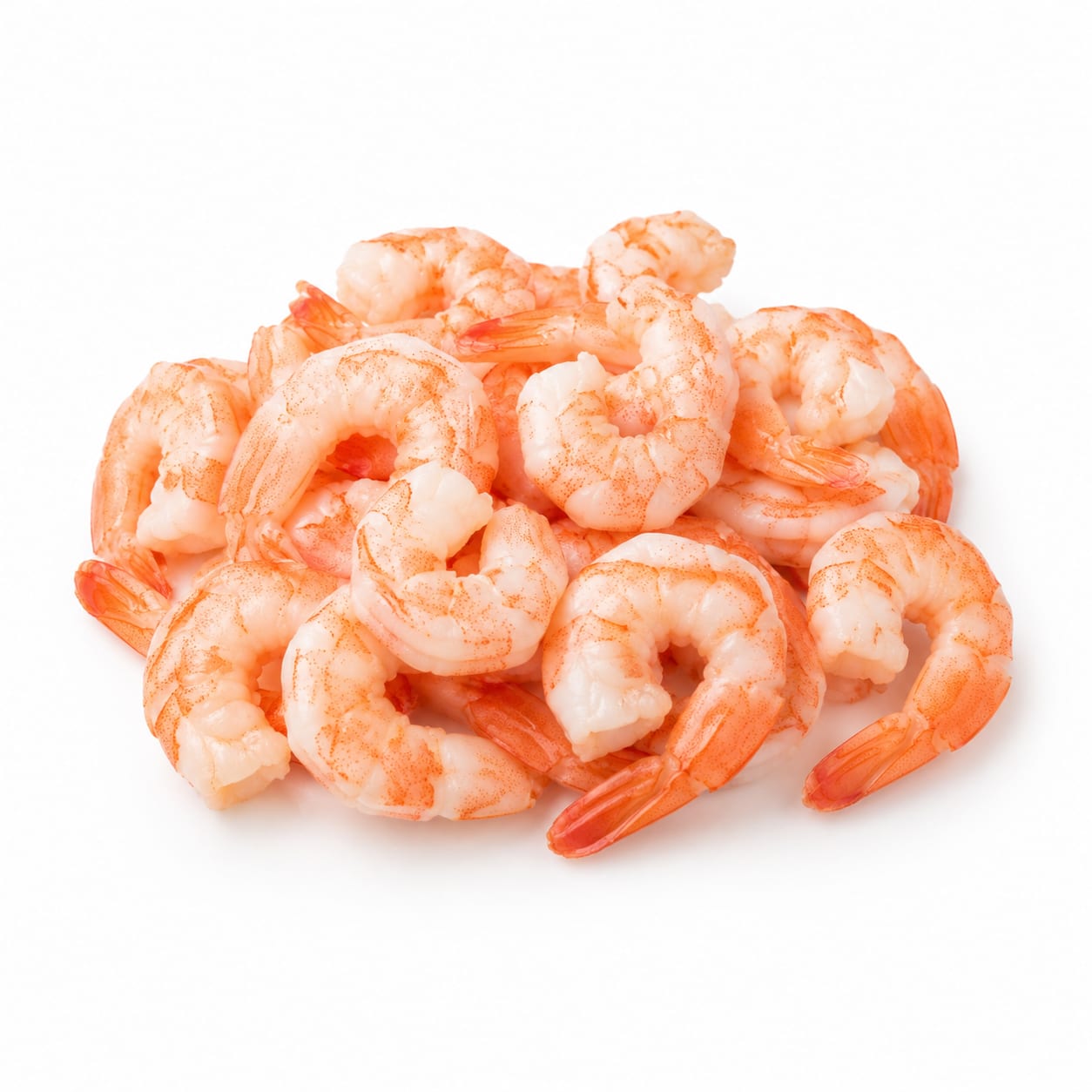
Prawn
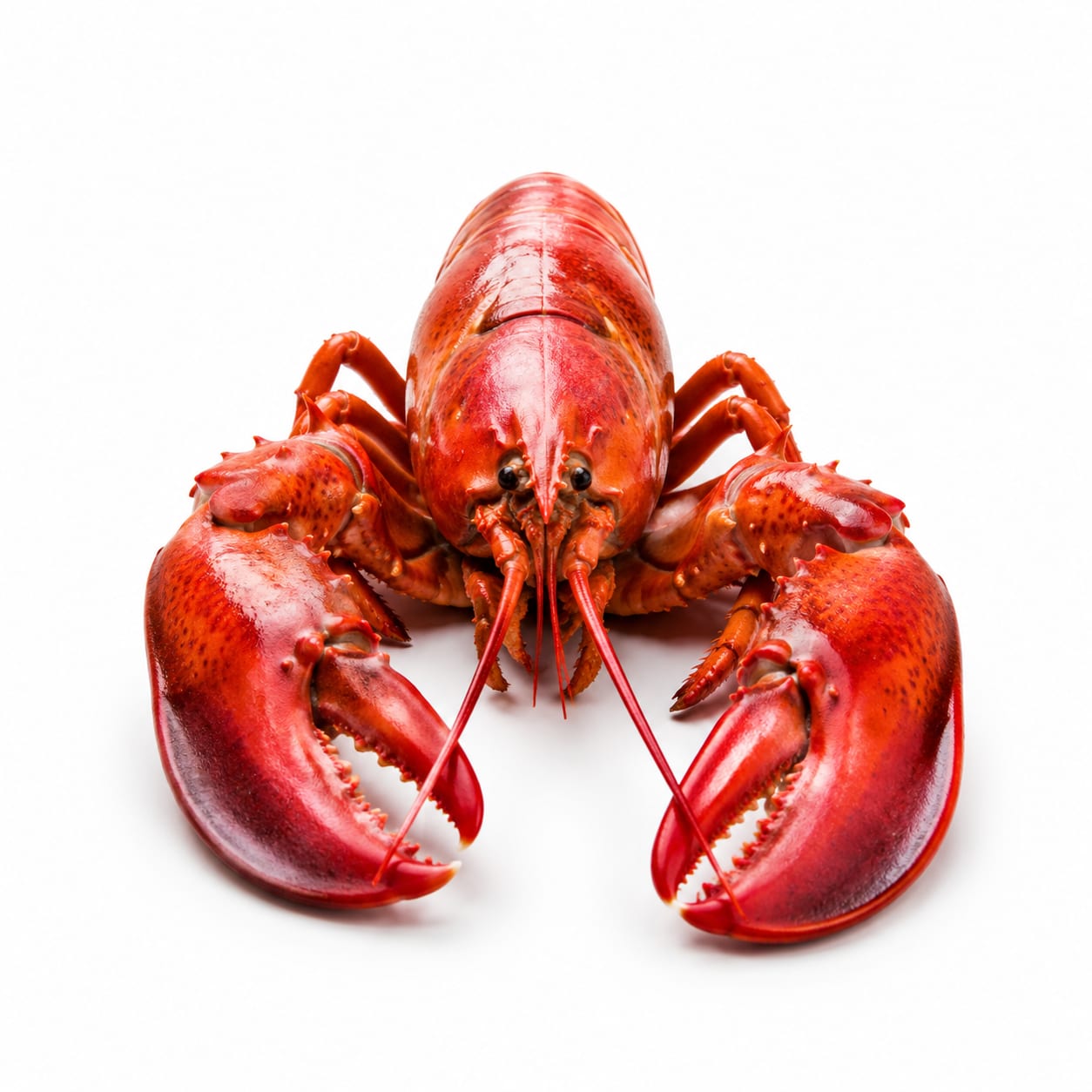
Lobster
Prawn wins for everyday protein value and calorie efficiency; lobster wins for special-occasion mineral density and lower cholesterol per bite.
Prawn scores higher due to superior protein-to-calorie ratio, affordability, and everyday practicality. Lobster loses ground on cost and accessibility but remains nutritionally strong. The close scores reflect that both are high-quality shellfish with different use cases.
Prawn gives you more protein per calorie and dollar, while lobster delivers richer minerals and less cholesterol but at a steep price premium.
At a glance
Executive summary
Overall
It depends
Healthier
It depends
More practical
Prawn
Daily use
Prawn
Key comparison lenses
protein quality and calorie efficiency
Both are lean protein sources but differ significantly in calorie-to-protein ratio, making this the primary decision factor for most users
affordability and everyday practicality
Prawn is widely accessible while lobster is a luxury item, heavily influencing how often each can realistically be eaten
contamination and heavy metal exposure
Shellfish carry distinct safety profiles with mercury, farming practices, and spoilage risks varying between the two
cholesterol and heart health concerns
Both are high-cholesterol foods, but prawn is notably higher in dietary cholesterol per serving
mineral density and micronutrient value
Lobster offers more selenium and copper per serving while prawn provides different mineral advantages
Best choice for
Prawn
- Weekly meal prep on a budget
- Lean protein for weight loss
- Quick weeknight dinners
- High-protein low-calorie diets
Lobster
- Special occasion dining
- Selenium and copper boosting
- Lower cholesterol per serving needs
- Those wanting a luxurious eating experience
Least suitable for
Prawn
- People monitoring dietary cholesterol closely
- Those avoiding farmed seafood with antibiotic concerns
Lobster
- Budget-conscious daily meal planning
- Frequent high-protein meal prep
Deep comparison
Dimension by dimension
Each lens scores both foods and breaks down who each option suits.
- Dimension 1 · Priority 92Prawn
Protein Density and Calorie Efficiency
Prawn · 88Lobster · 72Prawn delivers more protein per calorie, making it the leaner choice for portion-conscious eaters.
Tradeoff
Lobster is still a solid protein source but carries slightly more calories per gram of protein due to its higher fat content.
Why it matters
If you are tracking calories while hitting protein targets, prawn gets you there with less energy cost.
Real-world impact
A 100g serving of prawn gives you roughly 24g protein for only 99 calories. Lobster offers about 20g protein for 89 calories but with less protein density per bite when accounting for typical serving sizes.
Prawn
- Calorie counters
- High-protein dieters
- Athletes in weight-class sports
Better for
- Anyone wanting a more luxurious mouthfeel from their protein
Worse for
Lobster
- Those who prefer richer-tasting protein
- People eating fewer but more indulgent meals
Better for
- Strict macro trackers needing maximum protein per calorie
Worse for
- Dimension 2 · Priority 76Lobster
Cholesterol and Heart Health
Prawn · 55Lobster · 72Prawn is notably higher in dietary cholesterol per serving than lobster, which matters for cholesterol-sensitive individuals.
Tradeoff
Current research suggests dietary cholesterol has modest impact on blood cholesterol for most people, but hyper-responders still need to watch intake.
Why it matters
If your doctor has flagged your cholesterol levels, lobster is the safer shellfish choice per serving.
Real-world impact
Prawn contains roughly 150-200mg cholesterol per 100g. Lobster sits closer to 60-70mg per 100g. For someone limiting cholesterol to 200mg daily, a single prawn serving nearly maxes out the budget.
Prawn
- People with normal cholesterol metabolism
- Those not concerned about dietary cholesterol
Better for
- Hyper-responders to dietary cholesterol
Worse for
Lobster
- Cholesterol-sensitive individuals
- People with family history of heart disease
Better for
- Those who assume all shellfish are equally high in cholesterol
Worse for
- Dimension 3 · Priority 70Lobster
Mineral and Micronutrient Value
Prawn · 68Lobster · 82Lobster is richer in selenium, copper, and zinc, making it the more mineral-dense option per serving.
Tradeoff
Prawn still provides decent selenium and iodine but cannot match lobster's overall mineral profile.
Why it matters
Selenium supports thyroid and immune function. Copper aids iron absorption and energy production. These minerals are often underconsumed.
Real-world impact
A lobster serving provides over 100% of daily selenium needs. Prawn covers about 50-60%. For someone relying on seafood as a primary mineral source, lobster delivers more per bite.
Prawn
- Those needing iodine support
- People getting minerals from varied diets already
Better for
- Those counting on shellfish alone for selenium
Worse for
Lobster
- People with low selenium intake
- Those relying on seafood as a primary mineral source
- Anyone needing immune and thyroid support
Better for
- People who eat mineral-rich diets already and do not need the extra
Worse for
- Dimension 4 · Priority 88Prawn
Affordability and Everyday Practicality
Prawn · 90Lobster · 35Prawn is far more affordable and available, making it realistic for regular consumption. Lobster is a luxury most people reserve for special occasions.
Tradeoff
Lobster's premium price reflects scarcity and desirability, not nutritional superiority. You pay for experience, not health benefits.
Why it matters
The best protein source is the one you can actually afford to eat consistently.
Real-world impact
Prawn typically costs $8-15 per pound. Lobster runs $25-50+ per pound. For a family eating seafood twice weekly, prawn is sustainable. Lobster is a monthly or quarterly treat at best.
Prawn
- Families on a grocery budget
- Meal preppers
- Anyone eating seafood multiple times per week
Better for
- Those seeking a premium dining experience
Worse for
Lobster
- Celebratory dinners
- Those where cost is not a constraint
Better for
- Anyone needing affordable regular protein
- Students and young professionals on tight budgets
Worse for
- Dimension 5 · Priority 82It depends
Contamination and Safety Risks
Prawn · 62Lobster · 70Both carry shellfish risks, but prawn's farming practices raise antibiotic and contamination concerns. Lobster is mostly wild-caught but carries higher mercury potential in larger specimens.
Tradeoff
Farmed prawn risks antibiotic residues and habitat contamination. Wild lobster risks heavy metal accumulation from longer lifespans.
Why it matters
Your sourcing matters more than the species choice. Either can be clean or contaminated depending on origin.
Real-world impact
Imported farmed prawn from certain regions has shown antibiotic residues above FDA thresholds. Wild-caught lobster from clean cold waters tests well for contaminants, but large older lobsters can accumulate more mercury.
Prawn
- Those who source from trusted wild-caught or certified sustainable farms
Better for
- Anyone buying cheap imported prawn without origin verification
Worse for
Lobster
- People who prioritize wild-caught seafood
- Those avoiding farmed seafood antibiotic concerns
Better for
- Those eating large lobster frequently, increasing mercury exposure
Worse for
- Dimension 6 · Priority 65Prawn
Culinary Versatility and Convenience
Prawn · 85Lobster · 55Prawn cooks in minutes, works in dozens of cuisines, and is easy to portion. Lobster requires more skill and time to prepare well.
Tradeoff
Lobster offers a unique flavor experience that prawn cannot replicate, but it demands more effort and know-how.
Why it matters
Convenience determines whether a healthy food actually makes it into your weekly rotation.
Real-world impact
Prawn thaws and cooks in under 10 minutes for stir-fries, pasta, tacos, or salads. Lobster needs steaming, grilling, or butter-poaching and is harder to get right without overcooking.
Prawn
- Busy home cooks
- Stir-fry and pasta enthusiasts
- Meal preppers wanting fast protein
Better for
- Those wanting an impressive centerpiece dish
Worse for
Lobster
- Experienced cooks wanting a showpiece meal
- Special dinner occasions
Better for
- Beginner cooks
- Anyone needing quick weeknight meals
Worse for
Timeline
Health impact over time
Short-term
Hours to days
Prawn
- Quick-digesting lean protein that satisfies without heaviness
- Fast cooking preserves more heat-sensitive nutrients
- Higher sodium content may cause mild bloating in sodium-sensitive people
Lobster
- Richer mouthfeel provides greater meal satisfaction from smaller portions
- Higher mineral content supports immediate energy production pathways
- Can feel heavy if eaten in large quantities due to density
Long-term
Months to years
Prawn
- Consistent lean protein intake supports muscle maintenance and metabolic health
- Regular consumption of farmed prawn without sourcing awareness may increase antibiotic exposure
- High dietary cholesterol may affect blood lipid profiles in sensitive individuals over years
Lobster
- Superior selenium intake supports thyroid function and antioxidant defenses long-term
- Occasional luxury consumption poses minimal long-term risk for most people
- Frequent consumption of larger lobster could contribute to heavy metal accumulation
Risk profile
Safety & processing
Both are whole natural foods when sold fresh or frozen. Prawn raises more additive concerns because farmed varieties may be treated with sodium tripolyphosphate to retain moisture, and some processors use sulfites as preservatives. Lobster is typically sold live or freshly frozen with minimal intervention.
Prawn
Antibiotic residues in farmed prawn
mediumImported farmed prawn from some regions have tested positive for banned antibiotics. Choose wild-caught or certified sustainable farmed prawn to reduce this risk.
Sodium tripolyphosphate treatment
lowSome frozen prawn is treated with STPP to retain moisture, adding sodium and creating a mushy texture. Check labels for additive-free options.
Shellfish allergy
highPrawn is a top allergen. Reactions can be severe and life-threatening. Cross-contamination in restaurants is common.
Rapid spoilage
mediumPrawn spoils quickly once thawed. Improper handling at grocery or home increases foodborne illness risk significantly.
Lobster
Mercury accumulation in larger specimens
mediumLobster generally has moderate mercury levels, but larger older lobsters can accumulate more. Limit consumption of very large lobsters if you eat them frequently.
Shellfish allergy
highLobster shares shellfish allergen proteins with prawn. Anyone allergic to one should avoid both.
Foodborne illness from improper cooking
mediumUndercooked lobster can harbor Vibrio bacteria. Always cook until the meat is opaque and reaches proper internal temperature.
Who wins for whom
Audience fit
Same foods, different winners depending on your goal.
children
LobsterLobster's lower cholesterol and richer mineral content make it slightly better for growing bodies, though both should be introduced carefully due to allergy risk.
daily consumption
PrawnPrawn's affordability, availability, and cooking ease make it realistic for regular inclusion in weekly meals.
diabetes
PrawnBoth are essentially zero-carb foods, but prawn's lower calorie load helps with weight management which is critical for diabetes control.
elderly
LobsterLobster's superior selenium content supports immune function and thyroid health, which become more important with age. The softer texture when properly cooked is also easier to chew.
muscle gain
PrawnHigher protein density and affordability mean you can eat prawn more frequently to hit daily protein targets consistently.
weight loss
PrawnPrawn provides more protein per calorie, making it easier to stay within calorie limits while feeling satisfied.
Your move
Decision guide
Choose Prawn
- You want affordable lean protein you can eat multiple times per week
- You are counting calories while maximizing protein intake
- You need quick-cooking protein for busy weeknights
- You enjoy diverse cuisines like Thai, Italian, or Mexican where prawn shines
Choose Lobster
- You are celebrating a special occasion and want something memorable
- You are focused on maximizing selenium and mineral intake
- You have been advised to limit dietary cholesterol
- Budget is not a constraint and you want the richer shellfish experience
Either works if
- You want high-quality complete protein from shellfish
- You have no shellfish allergies
- You can source both from reputable suppliers
Avoid both if
- You have a diagnosed shellfish allergy
- You are following a strict low-purine diet for gout management
- You are pregnant and unsure about seafood safety and sourcing
Final recommendation
Keep prawn as your everyday shellfish and treat lobster as your special-occasion upgrade. Prawn gives you more consistent nutritional value per dollar, while lobster delivers a richer mineral profile and dining experience worth savoring occasionally. Sourcing matters more than species — always choose wild-caught or certified sustainable options for either.
Practical
Consumer tips
- 1
Check prawn labels for sodium tripolyphosphate — additive-free frozen prawn tastes better and has less sodium
- 2
Wild-caught prawn from the Pacific or Gulf generally has fewer antibiotic concerns than imported farmed prawn
- 3
Lobster from cold North Atlantic waters tends to have lower contaminant levels than warm-water species
- 4
If cholesterol is a concern, lobster is the safer shellfish choice per serving
- 5
Both freeze well — buy in bulk when prices drop and store properly for up to 6 months
- 6
Never refreeze thawed shellfish — cook immediately after thawing for best safety and texture
- 7
For prawn, deveining is mostly aesthetic but can reduce grit and potential contaminant exposure