
Nutrition comparison
Prawn vs Eggs: Which Protein Is Better for Your Health Goals?
Compare prawn vs eggs on protein quality, calories, cholesterol, cost, and convenience. Find out which is better for weight loss, muscle gain, and daily nutrition.
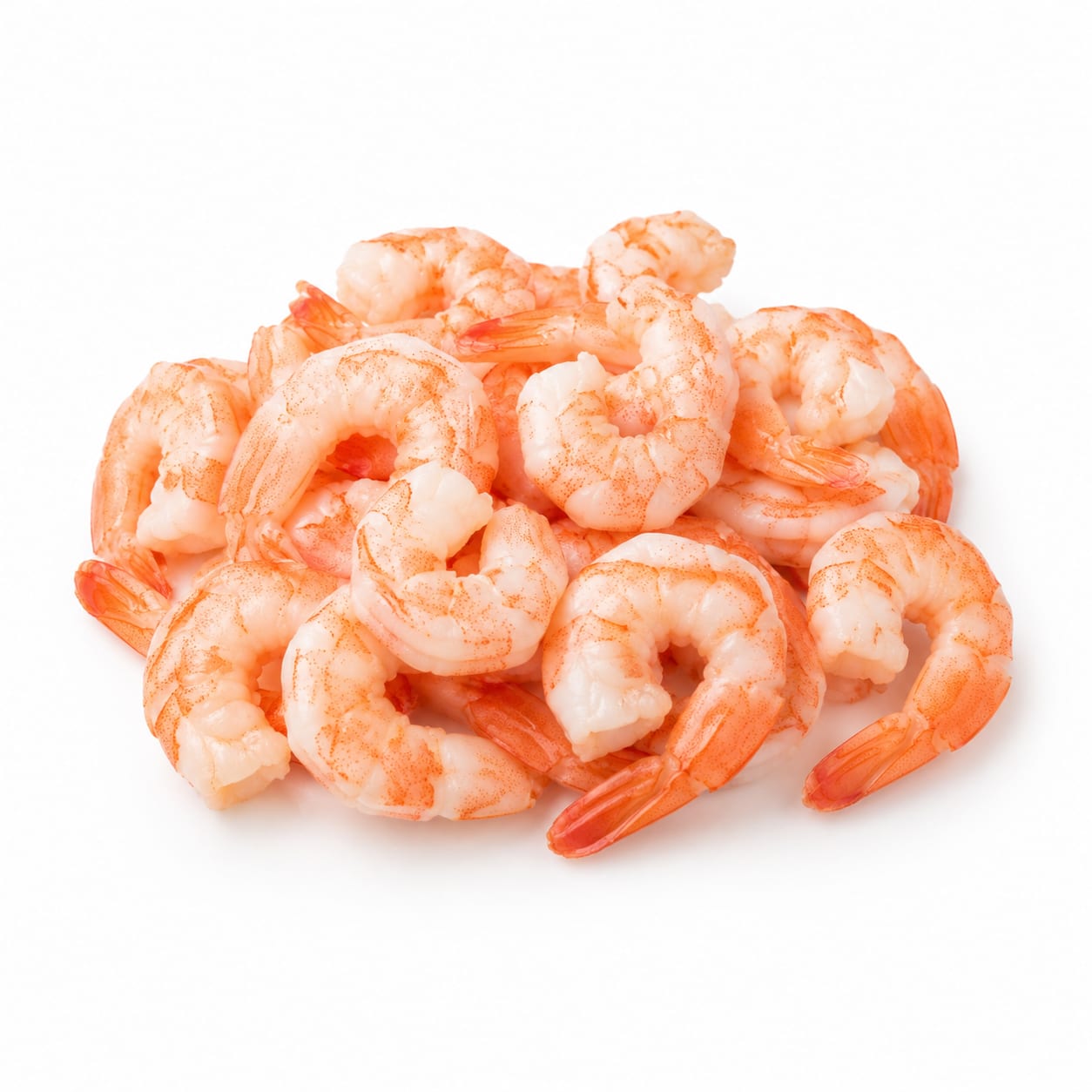
Prawn
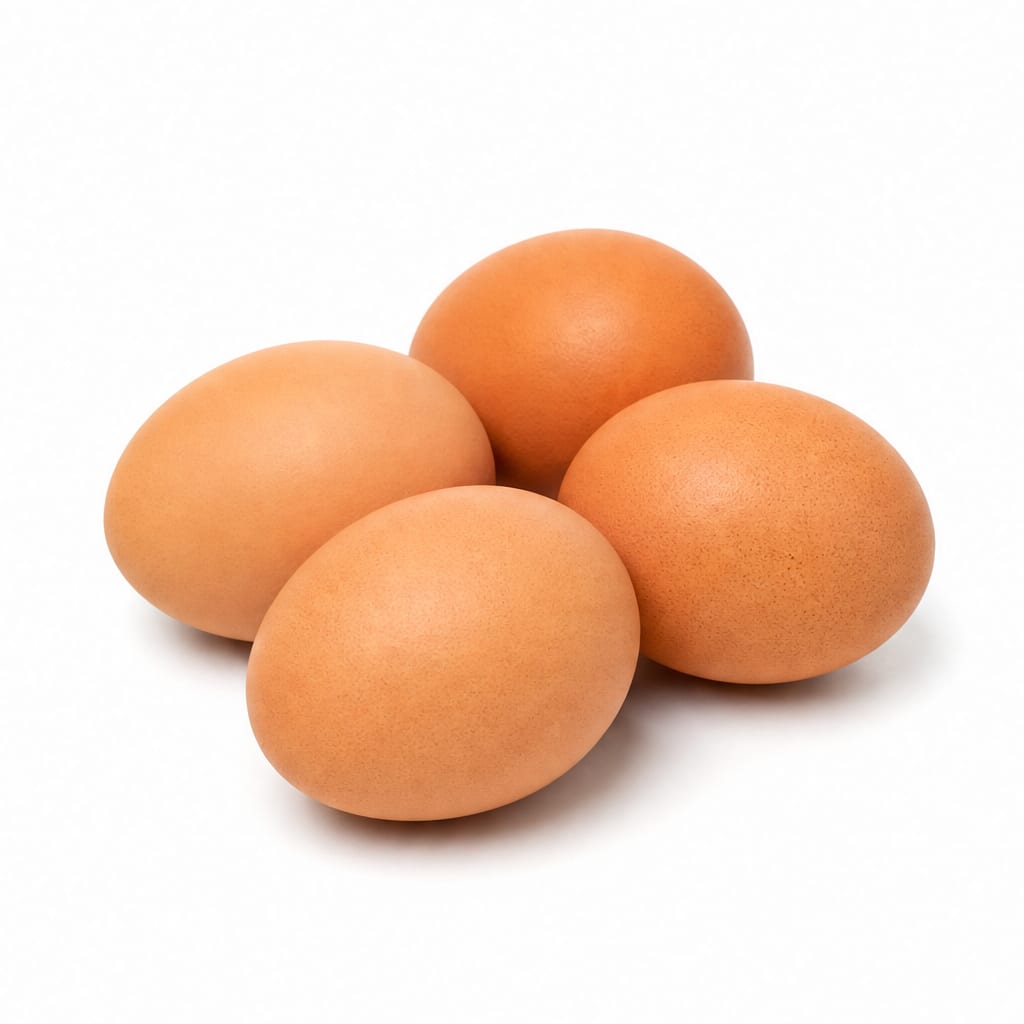
Eggs
Eggs win on convenience, affordability, and daily practicality. Prawns win on leanness and unique micronutrients like iodine. Your choice depends on budget, cooking time, and health priorities.
Eggs score higher overall due to superior practicality, affordability, and versatility for daily use. Prawns are nutritionally excellent but lose ground on cost, convenience, and contamination concerns. The gap narrows significantly if you value leanness above all else.
Prawns give you fewer calories per gram of protein but cost more and require cooking effort. Eggs are cheaper, more filling, and easier but come with more fat and less iodine.
At a glance
Executive summary
Overall
It depends
Healthier
It depends
More practical
Eggs
Daily use
Eggs
Key comparison lenses
protein source selection
Both are premium protein sources, and users are likely deciding which to prioritize for their protein needs
cholesterol and heart health concerns
Both foods carry cholesterol concerns that worry health-conscious consumers
everyday practicality and affordability
Eggs are a daily staple while prawns are often a occasional protein, making cost and convenience a real factor
contamination and food safety
Prawns carry seafood contamination risks while eggs carry salmonella concerns, both requiring careful handling
weight management and calorie efficiency
Prawns are extremely lean while eggs offer more satiety, creating a meaningful tradeoff for calorie-conscious eaters
Best choice for
Prawn
- People counting calories who want maximum protein with minimal fat
- Those needing iodine for thyroid support
- Pescatarian diets seeking lean seafood options
- Anyone avoiding dairy or egg allergies
Eggs
- Budget-conscious households needing affordable daily protein
- Busy people who need quick meals in under 5 minutes
- Anyone wanting a more filling, satiating protein source
- Those prioritizing choline for brain health
Least suitable for
Prawn
- People with shellfish allergies
- Those on tight grocery budgets
- Anyone needing quick weeknight meals
- People concerned about heavy metal exposure from seafood
Eggs
- People with egg allergies or intolerances
- Vegans and strict vegetarians
- Those strictly limiting dietary cholesterol on doctor's orders
- Anyone avoiding animal products for ethical reasons
Deep comparison
Dimension by dimension
Each lens scores both foods and breaks down who each option suits.
- Dimension 1 · Priority 95Eggs
protein_quality_and_content
Prawn · 82Eggs · 90Both deliver complete, high-quality protein with all essential amino acids. Eggs edge ahead with slightly better protein digestibility and a more favorable amino acid profile for muscle building.
Tradeoff
Prawns offer more protein per calorie since they are nearly fat-free, but eggs provide a more bioavailable protein package overall.
Why it matters
Better protein quality means your body uses more of what you eat, which matters for muscle maintenance, recovery, and satiety.
Real-world impact
After a workout, eggs will feel more satisfying and support recovery slightly better. Prawns still do the job well if you prefer seafood.
Prawn
- Lean protein needs where every calorie counts
- Cutting phases in bodybuilding
Better for
- Budget-limited households
- Quick post-gym meals
Worse for
Eggs
- Post-workout recovery meals
- Growing children needing bioavailable protein
- Older adults preserving muscle mass
Better for
- Strict calorie restriction with fat limits
- Egg allergy sufferers
Worse for
- Dimension 2 · Priority 85Prawn
calorie_efficiency_and_leanness
Prawn · 94Eggs · 68Prawns are exceptionally lean with roughly 1 gram of fat per 100 grams. Eggs contain about 10 grams of fat per 100 grams, mostly from the yolk.
Tradeoff
Prawns let you eat more volume for fewer calories, but eggs keep you fuller longer because fat slows digestion and increases satisfaction.
Why it matters
If you are counting calories strictly, prawns give you more protein per calorie. If you struggle with hunger, eggs prevent snacking better.
Real-world impact
A prawn stir-fry feels light and clean. A two-egg breakfast keeps you full until lunch. Different tools for different goals.
Prawn
- Weight loss diets with strict calorie targets
- Lean meal prep for competition prep
- Large-volume eating without calorie overload
Better for
- Those needing calorie-dense meals for weight gain
- People who feel unsatisfied after low-fat meals
Worse for
Eggs
- People who get hungry between meals
- Those needing sustained energy without crashes
- Anyone finding low-fat meals unsatisfying
Better for
- Strict calorie counters tracking every gram
- Low-fat diet followers
Worse for
- Dimension 3 · Priority 82It depends
micronutrient_profile
Prawn · 80Eggs · 85Eggs provide choline, vitamin D, B12, and vitamin A. Prawns deliver outstanding iodine, selenium, and B12. Both excel in different areas.
Tradeoff
Eggs support brain health and bone density better. Prawns support thyroid function and antioxidant defense better. Neither covers everything alone.
Why it matters
Choline from eggs is hard to get elsewhere and critical for memory and liver health. Iodine from prawns is equally scarce in most diets and essential for metabolism.
Real-world impact
Eggs at breakfast sharpen morning focus. Prawns at dinner support thyroid health quietly in the background. Both contribute meaningfully.
Prawn
- Thyroid health and metabolic regulation
- Selenium intake for immune and antioxidant support
- Diets low in seafood where iodine is scarce
Better for
- Those needing vitamin D from food sources
- People seeking choline for pregnancy nutrition
Worse for
Eggs
- Brain health and cognitive function via choline
- Bone health through vitamin D
- Eye health through lutein and zeaxanthin
Better for
- Those with low iodine intake from other sources
- People needing selenium-rich foods
Worse for
- Dimension 4 · Priority 88Eggs
convenience_and_versatility
Prawn · 45Eggs · 95Eggs are arguably the most convenient protein on earth. Boil, fry, scramble, or poach in minutes with no prep. Prawns require peeling, deveining, careful cooking, and spoil quickly.
Tradeoff
Eggs can be cooked 20 ways with minimal equipment. Prawns need more skill, attention, and cleanup but offer a more impressive meal experience.
Why it matters
Convenience determines what you actually eat on busy days. The best protein source is the one you will actually prepare and eat consistently.
Real-world impact
Scrambled eggs take 3 minutes on a Tuesday morning. Prawns require planning, thawing, and careful timing. Real life favors eggs for daily use.
Prawn
- Special occasion meals where effort is welcome
- Weekend cooking when you have time to prepare
- Impressing guests with a seafood dish
Better for
- Quick weeknight dinners after long workdays
- Meal prepping in bulk on Sundays
- Dorm room or hotel cooking
Worse for
Eggs
- Rushed weekday breakfasts
- Quick post-work meals under 10 minutes
- Meal prep for the week ahead
- Anyone with basic cooking skills and limited time
Better for
- Fancy dinner parties where eggs feel too casual
- Cultures or meals where eggs are not traditional
Worse for
- Dimension 5 · Priority 85Eggs
affordability_and_accessibility
Prawn · 35Eggs · 92Eggs are one of the cheapest protein sources available globally. Prawns are a premium protein that costs 4-8 times more per gram of protein in most markets.
Tradeoff
Eggs make daily high-quality protein accessible to nearly any budget. Prawns are an investment that may only make sense a few times per week for most households.
Why it matters
Cost determines long-term sustainability. A cheaper protein you eat daily beats a premium one you can only afford occasionally.
Real-world impact
A dozen eggs costs roughly the same as a small portion of prawns. For families feeding multiple people, this difference compounds fast.
Prawn
- Special meals where budget is flexible
- Coastal regions where prawns are locally abundant and affordable
Better for
- Weekly meal planning on a tight budget
- Large families needing protein for everyone
Worse for
Eggs
- Families on grocery budgets
- Students and young professionals
- Anyone eating protein multiple times daily
- Food-insecure households needing affordable nutrition
Better for
- None significant for affordability
Worse for
- Dimension 6 · Priority 78It depends
cholesterol_and_heart_health
Prawn · 70Eggs · 72Prawns are high in dietary cholesterol but very low in saturated fat. Eggs contain both cholesterol and saturated fat in the yolk. For most people, dietary cholesterol has modest impact on blood cholesterol.
Tradeoff
Prawns have less saturated fat but more cholesterol per serving. Eggs have moderate saturated fat but also heart-protective nutrients like choline and omega-3s in enriched varieties.
Why it matters
If you have genetically high cholesterol or follow doctor's orders to limit dietary cholesterol, both require moderation. For healthy people, neither is a major heart risk.
Real-world impact
Most people can eat both regularly without heart concerns. If your doctor flagged cholesterol, limit egg yolks and prawn portions, and prioritize fiber-rich sides.
Prawn
- People monitoring saturated fat intake specifically
- Those who tolerate dietary cholesterol well
Better for
- People with hypercholesterolemia on strict cholesterol limits
- Those advised to minimize shellfish by their doctor
Worse for
Eggs
- People eating omega-3 enriched eggs for heart benefits
- Those getting regular cholesterol checks with normal results
Better for
- People limiting both cholesterol and saturated fat simultaneously
- Those eating multiple whole eggs daily without medical clearance
Worse for
- Dimension 7 · Priority 75Eggs
satiety_and_fullness
Prawn · 60Eggs · 88Eggs are one of the most satiating foods studied, scoring high on the satiety index. Prawns fill you up temporarily but the lack of fat means hunger returns sooner.
Tradeoff
Prawns feel light and clean after eating. Eggs feel substantial and comforting. Lightness versus lasting fullness is the real choice here.
Why it matters
If you snack excessively between meals, eggs will help more. If you prefer feeling light after eating, prawns suit you better.
Real-world impact
Two eggs at breakfast can carry you to lunch without thinking about food. A prawn salad at noon might have you reaching for a snack by 3pm.
Prawn
- People who dislike feeling heavy after meals
- Light lunch preferences before afternoon activity
Better for
- Those prone to afternoon energy crashes and snacking
- People needing one meal to sustain them for 5+ hours
Worse for
Eggs
- Breakfast skip prevention
- Reducing between-meal snacking
- Anyone who feels hungry again shortly after low-fat meals
Better for
- People who feel sluggish after heavier meals
- Those preferring light evening meals before bed
Worse for
Timeline
Health impact over time
Short-term
Hours to days
Prawn
- Quick, light energy from lean protein without digestive heaviness
- Possible mild allergic reactions in shellfish-sensitive individuals
- Fast digestion means hunger may return within 2-3 hours
Eggs
- Sustained fullness lasting 4-5 hours after a two-egg meal
- Steadier blood sugar compared to carbohydrate-heavy breakfasts
- Possible bloating in people with egg intolerance
Long-term
Months to years
Prawn
- Consistent iodine intake supports thyroid health over decades
- Regular seafood consumption may lower cardiovascular risk when replacing red meat
- Potential accumulation of heavy metals if eating prawns very frequently from polluted sources
Eggs
- Daily choline intake supports brain health and may reduce dementia risk
- Lutein from egg yolks protects eye health with aging
- For most people, daily egg consumption does not increase heart disease risk
Risk profile
Safety & processing
Fresh prawns and whole eggs are both minimally processed. However, frozen prawns often contain sodium tripolyphosphate as a preservative to retain moisture, which increases sodium intake. Farmed prawns may also have antibiotic residues. Eggs are generally cleaner unless you choose liquid egg products with additives.
Prawn
Heavy metal contamination
mediumPrawns can accumulate cadmium, lead, and arsenic from polluted waters. Sourcing from clean waters and eating moderate portions reduces this risk significantly.
Antibiotic residues in farmed prawns
mediumSome imported farmed prawns contain antibiotic residues from unsustainable farming practices. Choosing wild-caught or certified sustainable prawns minimizes exposure.
Microplastic contamination
lowLike all seafood, prawns may contain microplastics. The health impact is still being studied but current evidence suggests low risk at normal consumption levels.
Shellfish allergy reactions
highShellfish is one of the top allergens globally. Reactions can be severe and life-threatening. Even trace cross-contamination can trigger responses in sensitive individuals.
Eggs
Salmonella contamination
mediumRaw or undercooked eggs can carry Salmonella. Proper cooking eliminates this risk. Pasteurized eggs are available for recipes requiring raw eggs.
Egg allergy
highEgg allergy is common in children, though many outgrow it. Reactions range from hives to anaphylaxis. It is one of the top nine food allergens.
Biotin interference from raw egg whites
lowRaw egg whites contain avidin, which binds biotin and can cause deficiency over time. Cooking deactivates avidin, making this a non-issue for normal egg consumption.
Who wins for whom
Audience fit
Same foods, different winners depending on your goal.
children
EggsEggs are easier to prepare in child-friendly ways, provide choline for brain development, and are more affordable for growing families. Prawns carry shellfish allergy risk and are harder to cook for picky eaters.
daily consumption
EggsEggs are affordable, quick to prepare, and nutritionally robust enough for daily rotation. Prawns work a few times per week but cost, cooking effort, and contamination concerns make daily consumption less practical.
diabetes
EggsEggs have minimal impact on blood sugar and provide sustained energy without glucose spikes. Their higher fat content slows digestion further, stabilizing blood sugar. Prawns are also excellent but eggs offer more consistent satiety between meals.
elderly
EggsEggs provide highly digestible protein, vitamin D for bone health, and choline for cognitive preservation. They are also softer and easier to chew. Prawns remain valuable for iodine but eggs offer broader support for aging concerns.
muscle gain
EggsEggs offer slightly better protein bioavailability and leucine content, which drives muscle protein synthesis. The added calories from fat also support the caloric surplus needed for building muscle.
weight loss
PrawnPrawns provide maximum protein with minimal calories and nearly zero fat, making them ideal for calorie-restricted diets. However, eggs keep you fuller longer, which prevents overeating. For strict calorie counting, prawns win. For sustainable adherence, eggs may work better.
Your move
Decision guide
Choose Prawn
- You are counting calories strictly and need the leanest protein possible
- You want to increase iodine intake for thyroid support
- You are pescatarian and need lean seafood options
- You are preparing a special meal where seafood feels appropriate
- You have no shellfish allergy and enjoy cooking seafood
Choose Eggs
- You need affordable daily protein that fits any budget
- You want quick meals with minimal preparation time
- You prioritize lasting fullness between meals
- You want choline for brain health or pregnancy nutrition
- You are feeding a family and need versatile, kid-friendly options
Either works if
- You need high-quality complete protein and both are available
- You have no allergies to either food
- You are building a varied weekly meal plan with diverse protein sources
- You want to rotate proteins to avoid overexposure to any single food
Avoid both if
- You have both shellfish and egg allergies
- You are following a strict vegan diet
- You have been advised by your doctor to limit dietary cholesterol from all animal sources
- You are on a very restrictive elimination diet under medical supervision
Final recommendation
Make eggs your daily protein staple and enjoy prawns 2-3 times per week as a lean, iodine-rich complement. This combination gives you the convenience and choline of eggs alongside the leanness and thyroid support of prawns. Neither food needs to be exclusive. The best approach is rotation: eggs for busy mornings, prawns for lighter dinners when you have time to cook. If budget forces a choice, eggs give you far more nutritional value per dollar and should be the foundation.
Practical
Consumer tips
- 1
Buy wild-caught prawns when possible to avoid antibiotic residues common in some farmed varieties
- 2
Look for prawns without sodium tripolyphosphate in the ingredient list, especially with frozen options
- 3
Choose omega-3 enriched eggs if available, as they provide additional heart-healthy fats at minimal extra cost
- 4
Boil a batch of eggs on Sunday for grab-and-go protein throughout the week
- 5
Pair prawns with fiber-rich vegetables to extend satiety and balance the lightness of the meal
- 6
Store prawns in the coldest part of your fridge and use within 1-2 days of purchase for best safety and quality
- 7
If cholesterol is a concern, mix one whole egg with two egg whites for a satisfying but lower-cholesterol option
- 8
Check country of origin on prawn packaging and prefer sources with strong food safety standards