
Nutrition comparison
Prawn vs Crab: Nutrition, Cholesterol, and Health Comparison
Compare Prawn vs Crab to see which shellfish is healthier. Learn about protein, cholesterol, calories, and mercury risks to make the best choice for your diet.
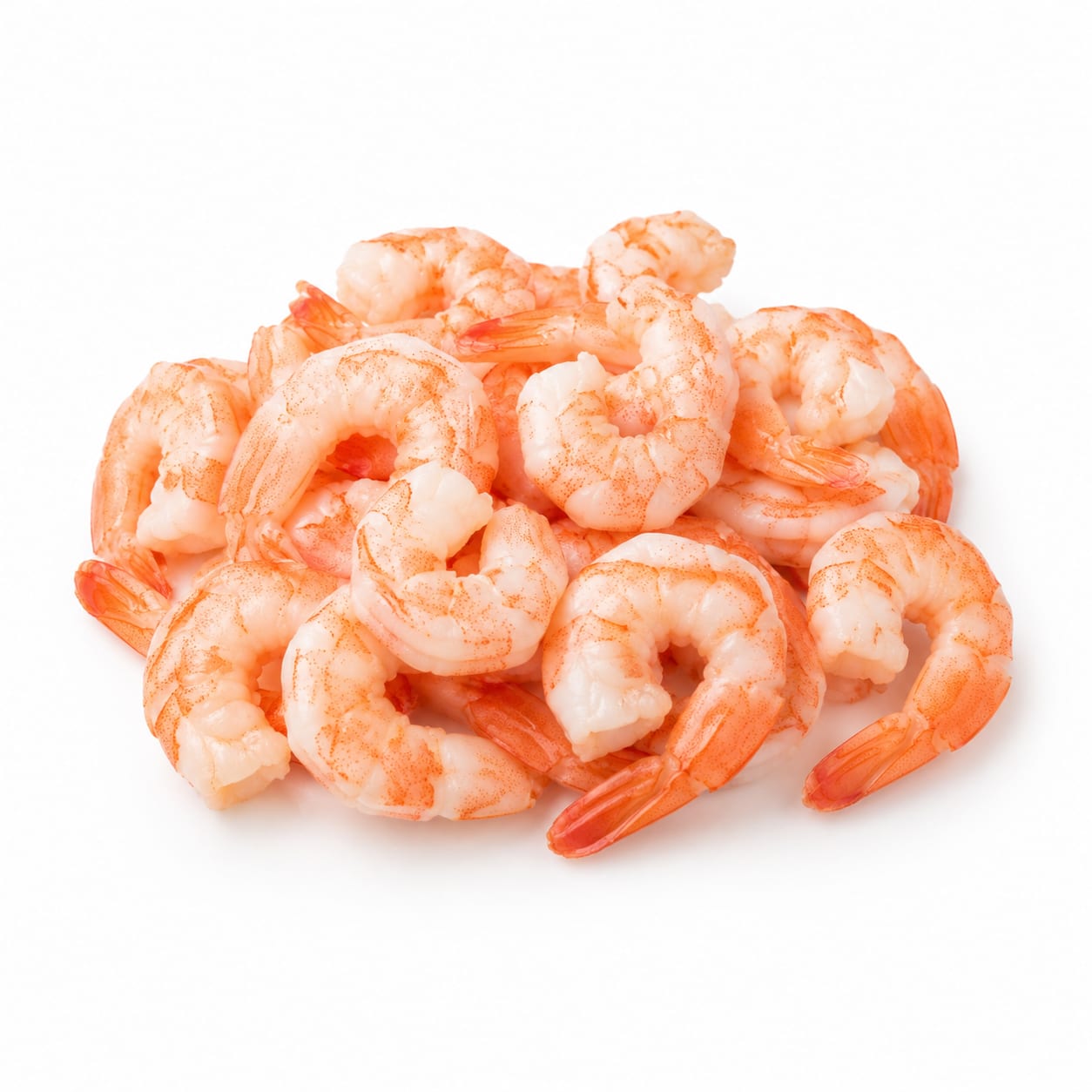
Prawn
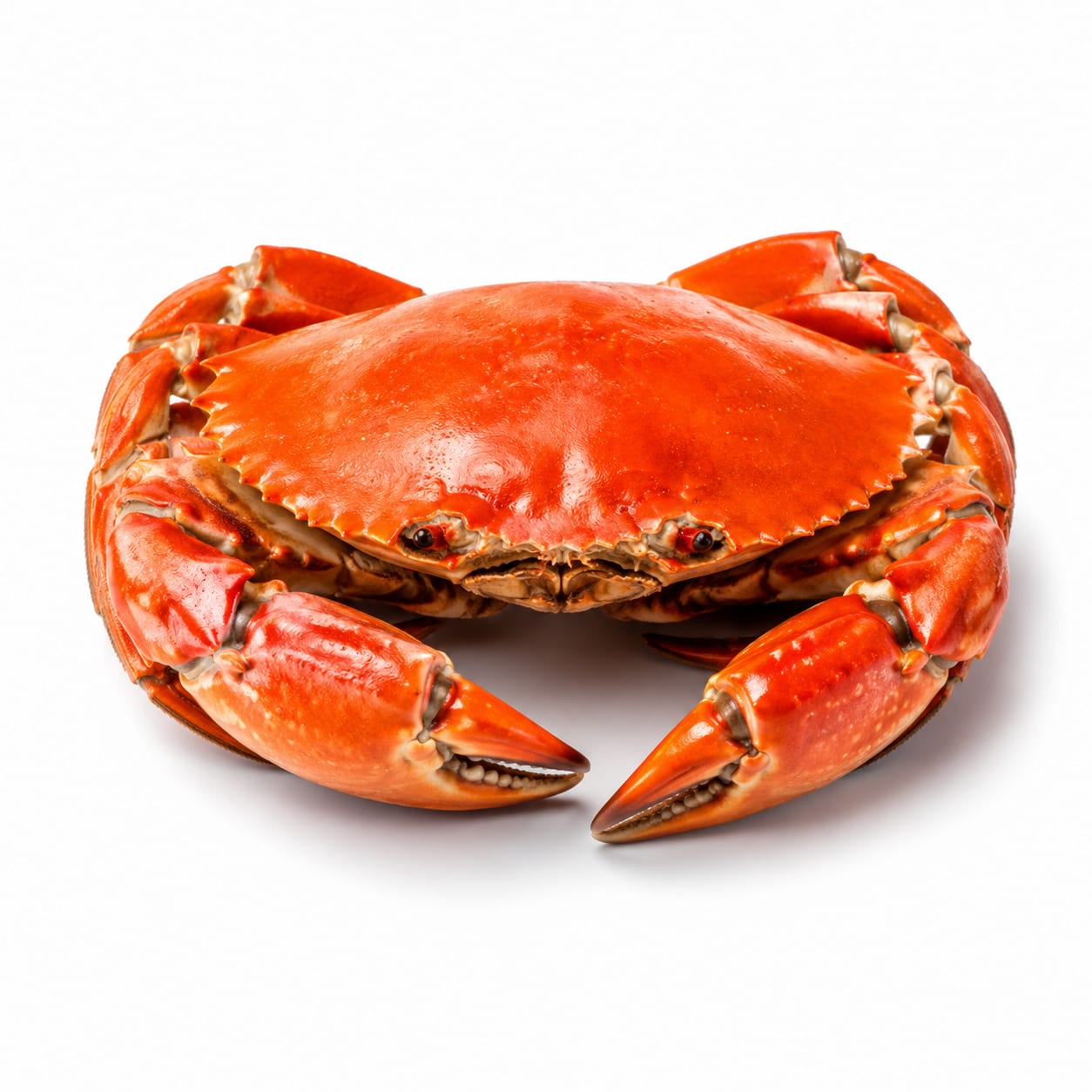
Crab
Prawn wins for quick, low-calorie protein, while Crab offers richer flavor and lower cholesterol for special occasions.
Prawn scores slightly higher due to everyday practicality and unmatched protein efficiency, though Crab's micronutrient density and lower cholesterol keep it competitive.
You trade Prawn's superior protein-to-calorie ratio and convenience for Crab's lower cholesterol, richer micronutrients, and culinary experience.
At a glance
Executive summary
Overall
It depends
Healthier
It depends
More practical
Prawn
Daily use
Prawn
Key comparison lenses
Protein and calorie efficiency for weight management
Both are lean proteins, but Prawn is significantly lower in calories per gram of protein, making it a staple for dieters.
Cholesterol concerns and heart health
Prawn is notoriously high in dietary cholesterol, while Crab offers a leaner profile for heart-conscious eaters.
Heavy metals and seafood contamination
Both shellfish carry contamination risks, but they differ in specific heavy metals like cadmium in Crab and microplastics in farmed Prawns.
Convenience and preparation effort
Prawn cooks in minutes and is widely available pre-cleaned, whereas Crab often requires labor-intensive shelling.
Best choice for
Prawn
- Strict calorie counters and weight loss diets
- Quick weeknight meal prep
- High-protein, low-carb eating plans
Crab
- Those monitoring dietary cholesterol
- Special occasion dining and indulgence
- People seeking zinc and B12 boost
Least suitable for
Prawn
- People with severe shellfish allergies
- Those strictly limiting dietary cholesterol
Crab
- People on tight food budgets
- Anyone wanting a fast, low-effort meal
Deep comparison
Dimension by dimension
Each lens scores both foods and breaks down who each option suits.
- Dimension 1 · Priority 92Prawn
Protein & Calorie Efficiency
Prawn · 95Crab · 80Prawn delivers more protein per calorie, making it incredibly filling without the caloric cost.
Tradeoff
Crab provides less protein per serving but brings more healthy fats and a richer flavor profile.
Why it matters
If you are tracking calories to lose weight or build lean muscle, Prawn gets you there faster with less energy intake.
Real-world impact
A Prawn stir-fry leaves you full and energized without the heavy feeling, whereas a Crab leg dinner is more of a leisurely indulgence.
Prawn
- Lean muscle gain
- Calorie deficit diets
Better for
- Those wanting higher omega-3 fats per bite
Worse for
Crab
- Keto or higher-fat diets
Better for
- Strict calorie counters
Worse for
- Dimension 2 · Priority 88Crab
Cholesterol & Heart Health
Prawn · 60Crab · 85Crab is significantly lower in cholesterol, making it a safer bet for heart-health-focused diets.
Tradeoff
While Prawn's cholesterol doesn't impact blood cholesterol for everyone, it remains a concern for hyper-responders.
Why it matters
If you have a family history of high cholesterol, dietary cholesterol from Prawn can be a risky regular habit.
Real-world impact
Eating Prawn several times a week might raise red flags at your doctor's office, while Crab offers a heart-friendlier shellfish option.
Prawn
- Healthy individuals without cholesterol issues
Better for
- Hyper-responders to dietary cholesterol
Worse for
Crab
- People with high blood cholesterol
- Heart-conscious eaters
Better for
- No significant downside here
Worse for
- Dimension 3 · Priority 80Crab
Micronutrients & Healthy Fats
Prawn · 75Crab · 90Crab packs more Vitamin B12, zinc, and omega-3 fatty acids, supporting brain health and immunity.
Tradeoff
Prawn offers more selenium and iodine but falls short on the omega-3 and B-vitamin density of Crab.
Why it matters
Zinc and B12 are crucial for energy and immune function, and Crab delivers them in a highly absorbable form.
Real-world impact
Choosing Crab can help fight fatigue and support your immune system better than Prawn over the long term.
Prawn
- Thyroid support due to high iodine
Better for
- Those needing a B12 boost
Worse for
Crab
- Brain health and cognitive function
- Immune system support
Better for
- No significant downside here
Worse for
- Dimension 4 · Priority 75Prawn
Convenience & Preparation
Prawn · 90Crab · 55Prawn cooks in minutes and is easy to find pre-peeled, while Crab is notoriously labor-intensive to shell and eat.
Tradeoff
Crab's effort is rewarded with a sweeter, more luxurious eating experience, whereas Prawn is purely functional.
Why it matters
On a busy Tuesday, Prawn is a realistic dinner; Crab is a weekend project or restaurant order.
Real-world impact
You can toss Prawn into a pasta in 5 minutes, but extracting Crab meat takes patience and skill.
Prawn
- Busy professionals
- Quick family dinners
Better for
- Special occasion dining where effort equals experience
Worse for
Crab
- Leisurely weekend meals
- Seafood boils and social dining
Better for
- Anyone short on time or patience
Worse for
Timeline
Health impact over time
Short-term
Hours to days
Prawn
- Quick, light satiety without feeling sluggish
- Rapid protein availability for post-workout recovery
Crab
- Highly satisfying and rich flavor that curbs cravings
- Sustained energy from higher fat content
Long-term
Months to years
Prawn
- Excellent for maintaining lean body mass
- Potential cholesterol concerns if consumed excessively by susceptible individuals
Crab
- Improved cognitive function and nerve health from B12 and omega-3s
- Risk of heavy metal accumulation if eaten too frequently
Risk profile
Safety & processing
Both are whole foods, but farmed Prawns often undergo treatment with sodium tripolyphosphate (STPP) to retain moisture, which adds unnecessary sodium and phosphates. Wild-caught Crab is typically sold without such additives.
Prawn
Antibiotic and chemical residues
mediumImported farmed Prawns are frequently treated with antibiotics and chemicals that are banned in many countries, posing long-term health risks.
Sodium tripolyphosphate (STPP)
lowUsed to preserve moisture, STPP can make Prawn taste soapy and adds hidden sodium.
Crab
Cadmium exposure
mediumCrab brown meat can accumulate cadmium, a toxic heavy metal, especially from polluted waters. Eating white meat only reduces this risk.
Parasitic infection
lowRaw or undercooked Crab can carry parasites, making thorough cooking essential.
Who wins for whom
Audience fit
Same foods, different winners depending on your goal.
children
CrabCrab meat is softer, easier to chew, and offers crucial B12 and zinc for development, provided there are no shellfish allergies.
daily consumption
PrawnPrawn is more affordable, easier to cook, and more versatile for everyday meals, though variety is always best.
diabetes
PrawnBoth have zero carbs, but Prawn's lower calorie count helps manage weight, a key factor in diabetes control.
elderly
CrabCrab is easier to chew and provides B12 and omega-3s which support brain health and joint function in older adults.
muscle gain
PrawnHigher protein density per calorie makes Prawn a more efficient building block for muscle repair and growth.
weight loss
PrawnPrawn has significantly fewer calories and more protein per serving, making it far easier to fit into a calorie deficit.
Your move
Decision guide
Choose Prawn
- You need a fast, high-protein dinner after a long day
- You are strictly counting calories or macros
- You want a versatile protein that pairs with any cuisine
Choose Crab
- You are celebrating and want a luxurious, flavorful meal
- You are watching your dietary cholesterol closely
- You want a boost of zinc, B12, and omega-3s
Either works if
- You want a zero-carb, high-protein seafood base
- You are cooking a seafood stew or paella where both work well
Avoid both if
- You have a diagnosed shellfish allergy
- You are following a strict low-sodium diet and cannot source fresh versions
Final recommendation
Keep Prawn in your weekly rotation for everyday lean protein, and save Crab for weekends or special occasions when you want richer nutrients and a more indulgent experience.
Practical
Consumer tips
- 1
Look for wild-caught Prawns to avoid antibiotics and chemical preservatives like STPP.
- 2
When eating Crab, stick mostly to the white meat to minimize heavy metal exposure from the brown meat.
- 3
Buy Prawn frozen in the shell; it thaws quickly and retains texture better than pre-cooked, shelled versions.
- 4
If buying canned Crab, check the sodium content and rinse it before use to reduce the salt load.