
Nutrition comparison
Prawn vs Cod: Nutrition, Cholesterol, and Health Comparison
Comparing Prawn and Cod? Discover which seafood is better for weight loss, cholesterol, and daily protein. Learn the nutritional tradeoffs between Prawn and Cod.
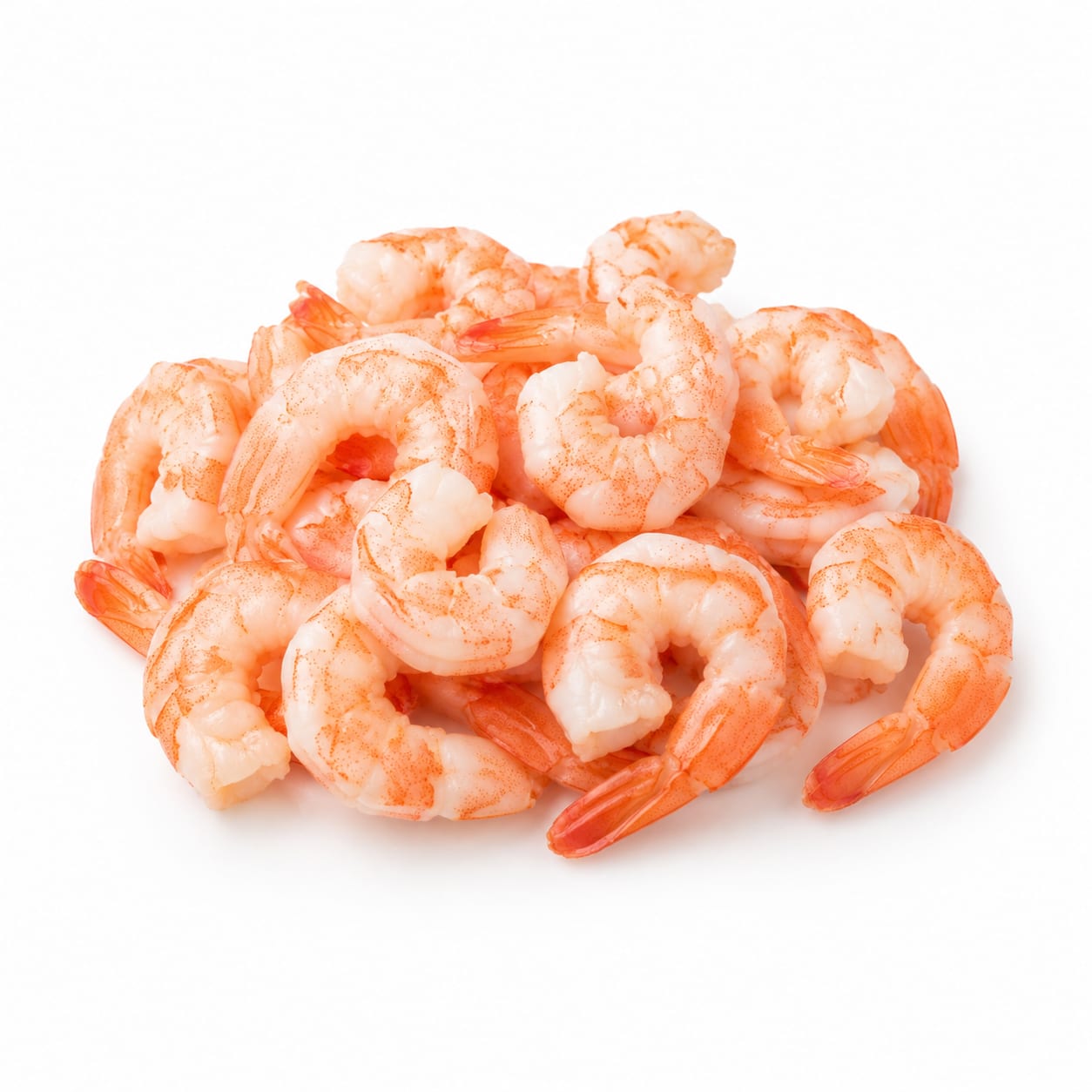
Prawn
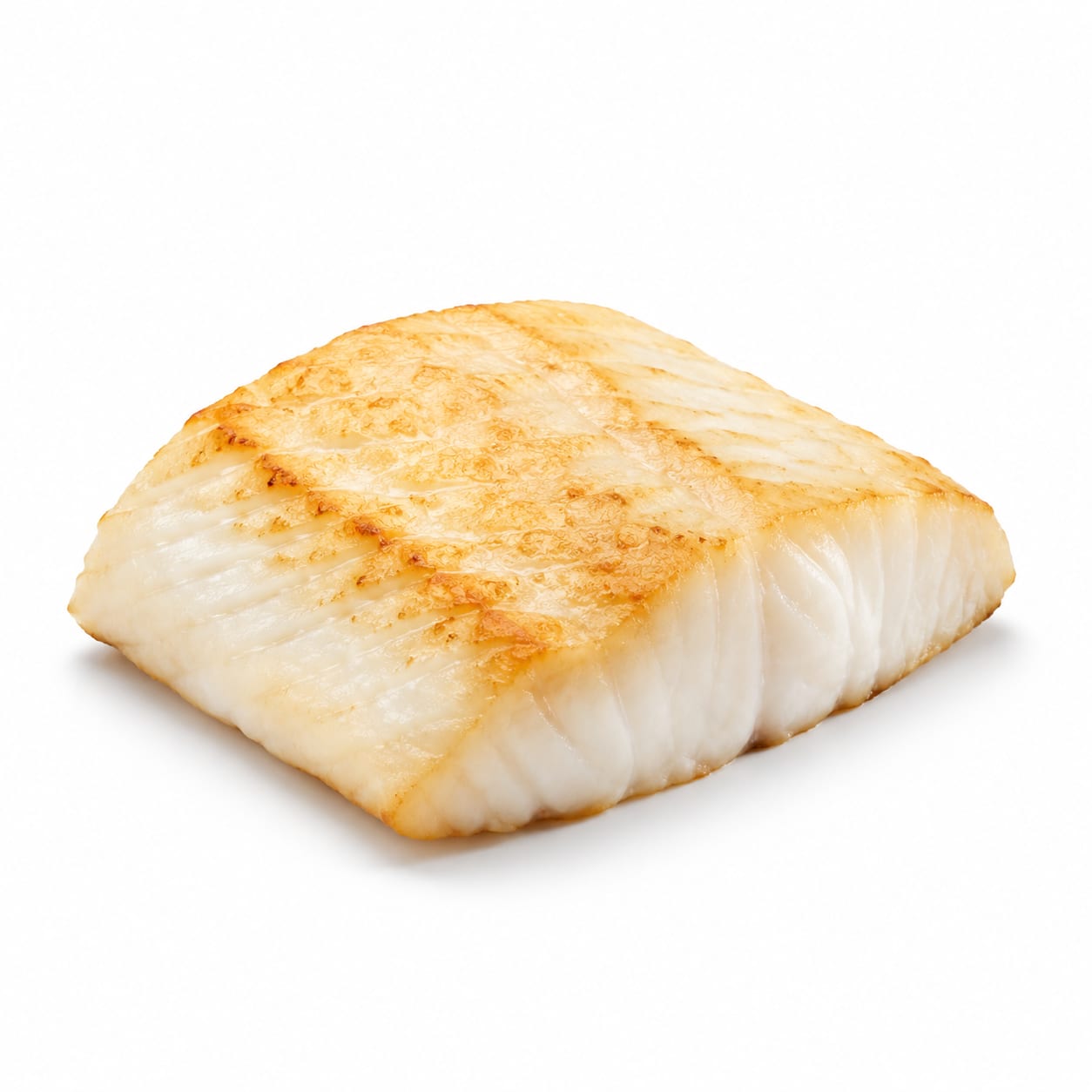
Cod
Prawn offers more protein and micronutrients like iodine per bite, while Cod provides a larger, lower-calorie portion with heart-friendly omega-3s and no cholesterol.
Cod edges ahead slightly due to its lower cholesterol, omega-3 content, and larger portion size for fewer calories, making it a more forgiving daily staple. Prawn is nutritionally denser but its cholesterol content and allergen risk require more moderation.
Prawn's superior micronutrient density and higher protein come at the cost of high dietary cholesterol, whereas Cod gives a bigger, cholesterol-free portion but with less overall nutritional punch per calorie.
At a glance
Executive summary
Overall
It depends
Healthier
It depends
More practical
Cod
Daily use
Cod
Key comparison lenses
Lean protein source selection
Both are popular low-fat, high-protein seafood options for weight management and muscle maintenance.
Cholesterol and heart health impact
Prawns are famously high in dietary cholesterol, while Cod has virtually none, making this a key differentiator for heart-conscious eaters.
Mercury and contaminant exposure
Consumers often weigh the heavy metal and farming residue risks between shellfish and white fish.
Best choice for
Prawn
- People needing more iodine and B12
- Those eating smaller, nutrient-dense portions
- Low-carb or keto dieters seeking quick protein
Cod
- People managing blood cholesterol levels
- Those wanting larger, more filling meals for fewer calories
- Individuals with shellfish allergies looking for a safe white fish
Least suitable for
Prawn
- People with severe shellfish allergies
- Those strictly limiting dietary cholesterol
Cod
- People seeking high iodine intake
- Those who prefer richer, more flavorful fish
Deep comparison
Dimension by dimension
Each lens scores both foods and breaks down who each option suits.
- Dimension 1 · Priority 90Prawn
Protein & Satiety
Prawn · 88Cod · 82Prawn packs more protein per calorie, but Cod offers more volume, making it feel like a bigger meal.
Tradeoff
You get denser protein and more satiating micronutrients from Prawn, but Cod lets you eat a larger physical portion for fewer calories.
Why it matters
If you are counting calories, Cod feels more filling by volume. If you need quick, dense protein after a workout, Prawn is faster to eat and digest.
Real-world impact
A 100g serving of Prawn feels like a quick snack or salad topper, while 100g of Cod feels like an actual meal centerpiece.
Prawn
- Post-workout dense protein
- Small, satisfying portions
Better for
- Those who need large portions to feel full
Worse for
Cod
- Large, filling dinners
- Volume eating for weight loss
Better for
- Those needing very high protein per bite
Worse for
- Dimension 2 · Priority 85Cod
Heart Health & Cholesterol
Prawn · 65Cod · 92Cod contains zero cholesterol and provides omega-3 fats, while Prawn is surprisingly high in dietary cholesterol.
Tradeoff
Prawn's cholesterol doesn't spike blood cholesterol for most people due to its low saturated fat, but Cod is simply a safer bet if you already have high blood lipid levels.
Why it matters
For the 25% of people who are hyper-responders to dietary cholesterol, Prawn can negatively impact blood levels. Cod avoids this entirely.
Real-world impact
If your doctor told you to watch your cholesterol, Cod is a stress-free choice. Prawn is fine in moderation for most, but requires more awareness.
Prawn
- Healthy individuals with normal lipid panels
Better for
- Hyper-responders to dietary cholesterol
Worse for
Cod
- People with high blood cholesterol
- Those prioritizing omega-3 intake
Better for
- No real downside here for heart health
Worse for
- Dimension 3 · Priority 80Prawn
Micronutrient Density
Prawn · 90Cod · 75Prawn is a micronutrient powerhouse, loaded with iodine, selenium, and B12, far outpacing Cod.
Tradeoff
Prawn delivers exceptional thyroid-supporting iodine and energy-boosting B12, while Cod offers decent B12 and phosphorus but less overall trace mineral impact.
Why it matters
Iodine is critical for metabolism and thyroid function, and Prawn is one of the best seafood sources. Cod is good, but doesn't move the needle as much on trace minerals.
Real-world impact
Eating Prawn regularly can support thyroid health and energy levels more effectively than Cod, assuming you tolerate shellfish well.
Prawn
- Supporting thyroid function
- Boosting B12 for energy
Better for
- Those who need to limit iodine
Worse for
Cod
- Basic lean protein maintenance
Better for
- Those needing an iodine boost
Worse for
- Dimension 4 · Priority 75It depends
Contaminant & Safety Profile
Prawn · 78Cod · 80Cod has moderate mercury concerns, while Prawns carry shellfish allergy risks and potential farming residues.
Tradeoff
Cod's ocean environment means mild mercury exposure, whereas farmed Prawns can sometimes harbor antibiotic residues, though wild Prawns avoid this.
Why it matters
Pregnant women need to watch Cod's mercury, while anyone with a shellfish allergy must strictly avoid Prawns.
Real-world impact
Sourcing matters heavily here. Wild-caught Prawn and sustainable Cod both minimize their respective risks significantly.
Prawn
- Wild-caught options for low mercury
Better for
- Shellfish allergy sufferers
- Those wary of farmed seafood residues
Worse for
Cod
- No shellfish allergy risk
Better for
- Pregnant women needing strict low-mercury diets
Worse for
Timeline
Health impact over time
Short-term
Hours to days
Prawn
- Quick, light protein digestion
- Potential allergic reaction if sensitive
Cod
- Very light on the stomach
- Steady energy without heaviness
Long-term
Months to years
Prawn
- Excellent thyroid support from iodine
- Possible blood cholesterol increases for hyper-responders if eaten excessively
Cod
- Cardiovascular benefits from omega-3s
- Low-calorie volume supports sustainable weight management
Risk profile
Safety & processing
Both are typically sold as minimally processed whole foods, but frozen Prawns are frequently treated with sodium tripolyphosphate (STPP) to retain moisture, which adds unnecessary sodium.
Prawn
Shellfish allergy
highOne of the top 8 allergens; reactions can be severe or anaphylactic.
Sodium tripolyphosphate (STPP)
mediumCommon in frozen Prawns to retain water weight, increasing sodium intake and altering texture.
Farming antibiotics
mediumImported farmed Prawns may contain antibiotic residues not permitted in domestic farming.
Cod
Mercury exposure
lowCod is a low-to-moderate mercury fish, generally safe but worth monitoring if eaten daily by pregnant women.
Parasites
lowLike all wild fish, raw Cod can carry parasites; requires proper cooking or freezing.
Who wins for whom
Audience fit
Same foods, different winners depending on your goal.
children
CodCod is safer for kids due to no shellfish allergy risk and its mild, easy-to-accept flavor.
daily consumption
CodCod's lack of cholesterol and lower allergen risk makes it a more worry-free daily staple than Prawn.
diabetes
CodBoth have zero carbs, but Cod's omega-3 content offers better long-term insulin sensitivity support.
elderly
It dependsPrawn's B12 and iodine support aging brains and thyroids, but Cod's soft texture and heart-healthy fats are easier to chew and safer for cardiovascular health.
muscle gain
PrawnPrawn provides slightly more protein per gram and is richer in B12 for energy production during heavy training.
weight loss
CodCod offers more food volume for fewer calories, making it easier to feel full on a deficit.
Your move
Decision guide
Choose Prawn
- You want maximum micronutrients like iodine and B12 in a small portion
- You have no shellfish allergies and normal cholesterol levels
- You need a fast-cooking, high-protein addition to stir-fries or salads
Choose Cod
- You are watching your blood cholesterol closely
- You want a larger, more filling meal for fewer calories
- You are cooking for kids or people with unknown shellfish allergies
Either works if
- You just need a lean, low-carb protein source for dinner
- You are meal-prepping healthy seafood on a budget
Avoid both if
- You have a strict vegan or vegetarian diet
- You require extremely high protein intake and need red meat or poultry instead
Final recommendation
Rotate both for the best balance. Eat Cod a few times a week for filling, heart-healthy meals, and enjoy Prawn occasionally for a micronutrient boost and culinary variety. If cholesterol or allergies are a concern, lean heavily into Cod.
Practical
Consumer tips
- 1
Check frozen Prawn labels for STPP (sodium tripolyphosphate) and opt for 'block frozen' or untreated options to avoid excess sodium.
- 2
Look for MSC-certified Cod to ensure sustainable fishing practices and lower contaminant risks.
- 3
Wild-caught Prawns generally have better flavor and fewer antibiotic concerns than farmed varieties.
- 4
Cod cooks beautifully in the oven or pan-seared; overcooking makes it dry, so pull it off the heat just before it flakes easily.