
Nutrition comparison
Prawn vs Chicken Breast: Which Lean Protein is Better?
Compare Prawn vs Chicken Breast for protein, cholesterol, omega-3s, and weight loss. Find out which lean protein is healthier and better for your diet goals.
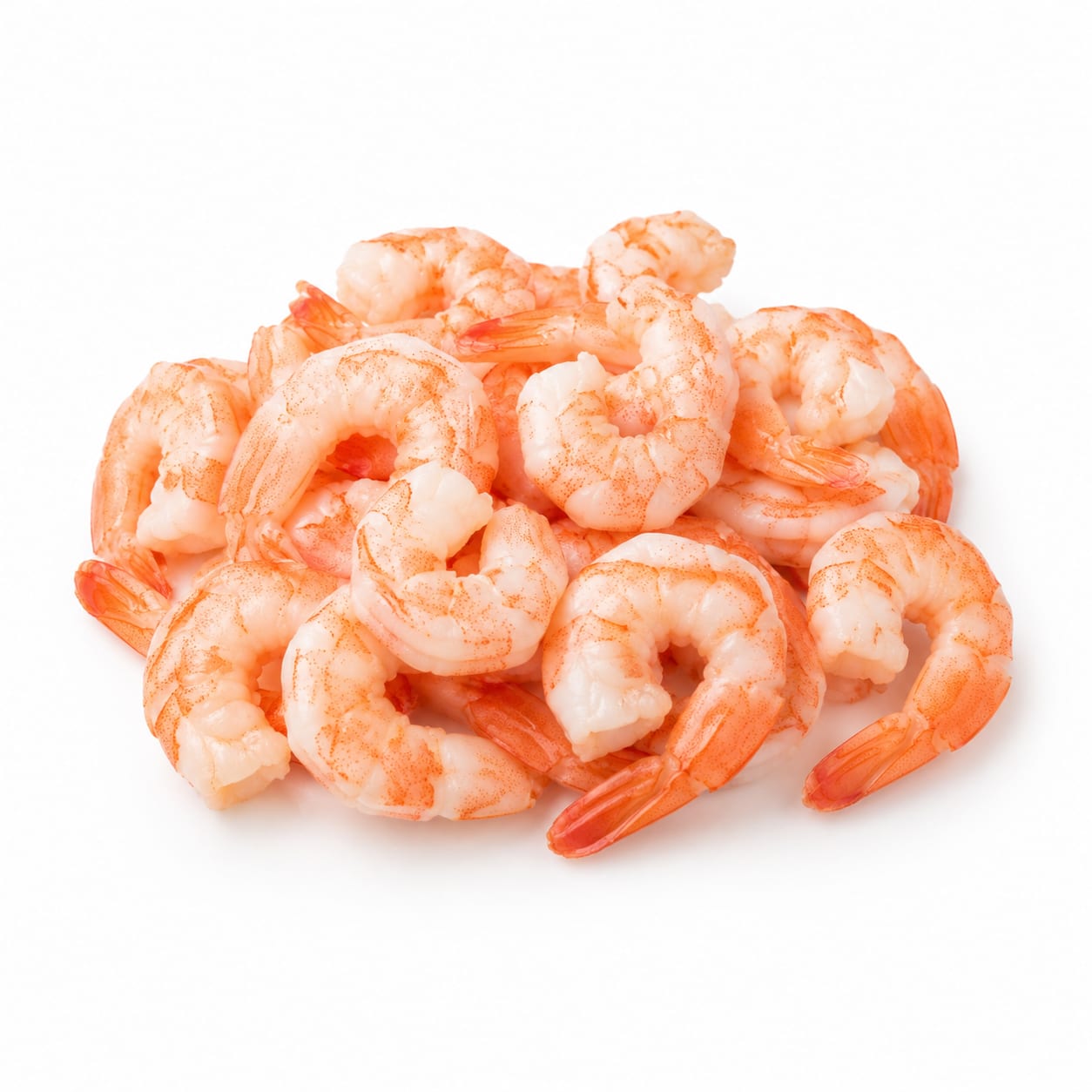
Prawn
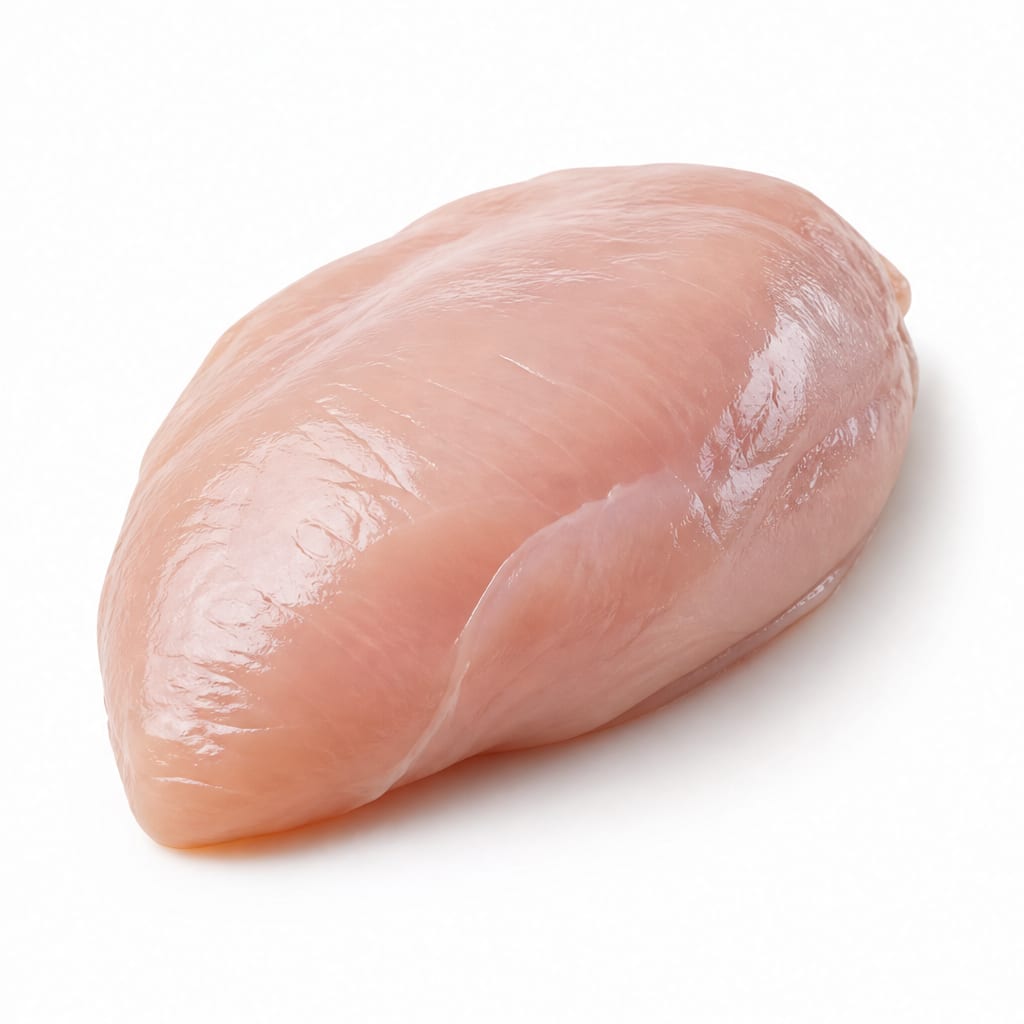
Chicken Breast
Chicken Breast wins for daily affordability and sheer protein volume, while Prawn offers unique micronutrients like iodine and selenium for occasional variety.
Chicken Breast scores slightly higher due to unmatched practicality, affordability, and protein-per-calorie ratio for daily use. Prawn remains an excellent choice but is limited by cost, cholesterol, and allergy concerns for routine consumption.
Dietary cholesterol and cost in Prawns versus lower micronutrient diversity and drier texture in Chicken Breast.
At a glance
Executive summary
Overall
It depends
Healthier
It depends
More practical
Chicken Breast
Daily use
Chicken Breast
Key comparison lenses
lean protein source selection
Both are premier lean protein options, making protein quality and quantity the primary decision factor
cholesterol and heart health impact
Prawns are known for high dietary cholesterol, which often concerns users comparing them to ultra-lean chicken
contaminant and safety tradeoffs
Seafood heavy metals and shellfish allergies versus poultry antibiotic residues and salmonella risk
budget and meal prep practicality
Chicken breast is a staple for affordable bulk cooking, while prawns are typically a pricier, occasional protein
Best choice for
Prawn
- People needing more iodine and selenium for thyroid health
- Those wanting a light, quick-cooking protein that feels indulgent
- Older adults who need softer, easier-to-chew protein sources
Chicken Breast
- Budget-conscious meal preppers needing reliable lean protein
- Bodybuilders and athletes requiring high protein volume at low cost
- People strictly monitoring dietary cholesterol intake
Least suitable for
Prawn
- People with shellfish allergies
- Those on very tight grocery budgets
- Individuals highly sensitive to dietary cholesterol
Chicken Breast
- People bored with dry, lean meats
- Those seeking omega-3 fatty acids from their protein source
- Individuals wanting a protein that cooks in under 5 minutes
Deep comparison
Dimension by dimension
Each lens scores both foods and breaks down who each option suits.
- Dimension 1 · Priority 95Chicken Breast
Protein Quantity and Satiety
Prawn · 82Chicken Breast · 92Chicken Breast provides more protein per serving and per calorie, making it more filling for weight management.
Tradeoff
Prawn is still highly satiating but you get less protein per serving compared to the same portion of Chicken Breast.
Why it matters
Higher protein volume keeps you full longer and supports muscle maintenance with less food volume.
Real-world impact
A Chicken Breast dinner will keep you full well into the night, whereas a Prawn dish might leave you hunting for a snack an hour later.
Prawn
- Lighter meals where you do not want to feel overly stuffed
Better for
- Recovery from intense weightlifting sessions
Worse for
Chicken Breast
- Post-workout recovery meals needing maximum protein
- Large appetite days where fullness is the priority
Better for
- Hot summer days when heavy meals feel uncomfortable
Worse for
- Dimension 2 · Priority 88It depends
Heart Health and Fat Profile
Prawn · 79Chicken Breast · 85Chicken Breast has virtually no saturated fat or cholesterol. Prawns have higher cholesterol but also offer beneficial omega-3s.
Tradeoff
Prawn provides anti-inflammatory omega-3s but brings dietary cholesterol; Chicken Breast avoids cholesterol entirely but lacks omega-3s.
Why it matters
Dietary cholesterol affects individuals differently, but saturated fat and omega-3 balance are crucial for cardiovascular health.
Real-world impact
If your doctor told you to lower cholesterol, Chicken Breast is the safer bet. If your lipid panels are fine, Prawn's omega-3s are a nice bonus.
Prawn
- Getting marine omega-3s without eating fish
- Diets needing more anti-inflammatory fats
Better for
- Hyper-responders to dietary cholesterol
Worse for
Chicken Breast
- Strict heart-health protocols limiting dietary cholesterol
- Low-fat diet frameworks like Pritikin or Ornish
Better for
- Diets specifically targeting inflammation through marine fats
Worse for
- Dimension 3 · Priority 82Prawn
Micronutrient Density
Prawn · 90Chicken Breast · 72Prawns are rich in iodine, selenium, and vitamin B12. Chicken Breast offers solid B vitamins but lacks marine minerals.
Tradeoff
Prawn delivers trace minerals hard to find elsewhere, while Chicken Breast provides more routine B-vitamins like niacin.
Why it matters
Iodine is critical for thyroid function, and selenium supports immunity and antioxidant defenses.
Real-world impact
Eating Prawns occasionally can fill nutritional gaps that Chicken Breast simply cannot touch, especially for thyroid health.
Prawn
- Supporting thyroid function and metabolism
- Boosting selenium for immune and antioxidant support
Better for
- Those exceeding selenium upper limits from heavy supplementation
Worse for
Chicken Breast
- Sustaining energy with high niacin and B6 intake
Better for
- Diets lacking iodine or marine-derived minerals
Worse for
- Dimension 4 · Priority 75Chicken Breast
Cost and Meal Prep Practicality
Prawn · 45Chicken Breast · 92Chicken Breast is a budget-friendly meal prep staple. Prawns are expensive and can easily overcook during batch cooking.
Tradeoff
Chicken Breast takes longer to cook but is cheap and reheats well. Prawns cook in minutes but are costly and rubbery when reheated.
Why it matters
Sustainability of a diet heavily depends on how easily it fits your budget and cooking routine.
Real-world impact
You can grill 5 pounds of Chicken Breast for the week on a budget. Doing the same with Prawns would break the bank and taste terrible by Wednesday.
Prawn
- Quick 10-minute weeknight dinners
- Impressive dinner parties on short notice
Better for
- Batch cooking and freezer meal planning
Worse for
Chicken Breast
- Sunday meal prep for the workweek
- Feeding a family on a grocery budget
Better for
- Last-minute meals when you forgot to thaw meat
Worse for
Timeline
Health impact over time
Short-term
Hours to days
Prawn
- Very light feeling after eating, easy digestion
- Quick energy from easily absorbed protein
Chicken Breast
- High satiety and lasting fullness for hours
- Steady energy without blood sugar spikes
Long-term
Months to years
Prawn
- Improved thyroid function from consistent iodine intake
- Potential cholesterol concerns if eaten excessively by sensitive individuals
Chicken Breast
- Reliable lean muscle maintenance and weight management
- Risk of diet fatigue if eaten monotonously without recipe variety
Risk profile
Safety & processing
Both are whole foods in their natural state, but frozen or packaged Prawns are frequently treated with sodium tripolyphosphate (STPP) to retain moisture, which adds unnecessary sodium and a soggy texture. Chicken Breast is typically free of such additives unless pre-marinated or injected with broth.
Prawn
Shellfish allergy
highOne of the top 8 allergens; reactions can be severe or anaphylactic.
Heavy metals and microplastics
mediumPrawns can accumulate lead and microplastics depending on farming or wild-catch environments.
Sodium tripolyphosphate sensitivity
lowUsed as a preservative in many frozen prawns; can cause mild digestive upset in sensitive people.
Chicken Breast
Salmonella contamination
highRaw chicken requires strict kitchen hygiene to avoid cross-contamination.
Antibiotic residues
mediumConventionally raised chicken may carry antibiotic residues; opt for organic or antibiotic-free labels to reduce exposure.
Who wins for whom
Audience fit
Same foods, different winners depending on your goal.
children
Chicken BreastChicken Breast is safer for kids due to the high risk of shellfish allergies with Prawns, and it is easier to serve in kid-friendly formats.
daily consumption
Chicken BreastChicken Breast is cheaper, has no daily cholesterol limit concerns, and reheats better for daily meal prep routines.
diabetes
It dependsBoth have zero carbs and will not spike blood sugar. Chicken Breast edges out slightly due to higher satiety, preventing overeating.
elderly
PrawnPrawns are softer and easier to chew for dental issues, and the iodine and B12 support cognitive health and thyroid function in aging.
muscle gain
Chicken BreastThe sheer volume of protein you can affordably consume from Chicken Breast makes it superior for building and repairing muscle mass.
weight loss
Chicken BreastChicken Breast offers more protein per calorie, keeping you fuller on fewer calories, which is crucial for staying in a deficit.
Your move
Decision guide
Choose Prawn
- You want to treat yourself to a meal that feels fancy but stays lean
- You need a quick-cooking protein for a busy weeknight
- You are focusing on thyroid health and need more iodine and selenium
Choose Chicken Breast
- You are meal-prepping for the week on a budget
- You need maximum protein per bite for muscle gain or weight loss
- You are closely monitoring your dietary cholesterol intake
Either works if
- You just need a zero-carb, lean protein source for a salad or stir-fry
- You are rotating proteins to keep your diet interesting and sustainable
Avoid both if
- You are following a strict plant-based or vegan diet
- You have severe gout and are highly sensitive to purines, as both contain moderate levels
Final recommendation
Make Chicken Breast your daily workhorse for affordable, high-volume lean protein, and bring in Prawns a couple of times a week for micronutrient variety, omega-3s, and a meal that feels a bit more special.
Practical
Consumer tips
- 1
Check the ingredient list on frozen Prawns to avoid sodium tripolyphosphate (STPP); buy 'block frozen' or fresh when possible.
- 2
Do not overcook Prawns; they are done as soon as they form a 'C' shape. An 'O' shape means they are rubbery and overdone.
- 3
Pound Chicken Breast to an even thickness before cooking to prevent dry, overcooked edges and raw centers.
- 4
Marinate Chicken Breast in a little yogurt or olive oil to keep it moist during meal prep reheating.
- 5
Buy organic or antibiotic-free Chicken Breast when budget allows to reduce exposure to resistant bacteria.