
Nutrition comparison
Perch vs Walleye: Nutrition, Safety, and Taste Comparison
Compare Perch and Walleye side by side. Which freshwater fish is healthier, safer, and better for your budget? Expert nutritional breakdown and real-world recommendations.

Perch
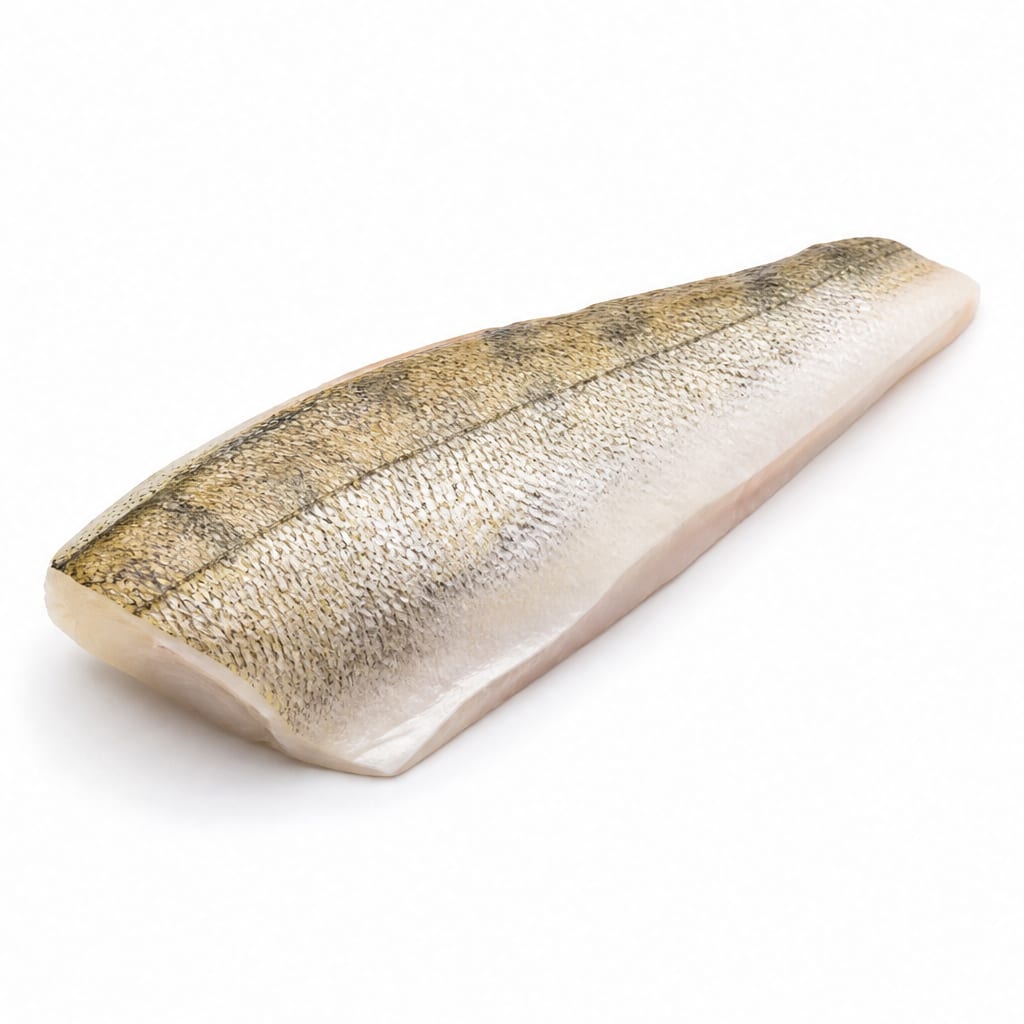
Walleye
Perch and Walleye are nutritionally near-identical lean freshwater fish. Walleye edges ahead slightly on protein density and omega-3s, while Perch wins on affordability and lower contaminant exposure due to smaller size.
Walleye scores slightly higher due to better protein density and omega-3 content, but the gap is narrow because both are lean, clean freshwater fish with similar health profiles. Perch's practical advantages keep it competitive.
Walleye offers marginally better nutrition per serving, but Perch is cheaper, easier to find, and carries slightly less contaminant risk from being lower on the food chain.
At a glance
Executive summary
Overall
It depends
Healthier
Walleye
More practical
Perch
Daily use
Perch
Key comparison lenses
nutritional superiority between similar freshwater fish
Perch and Walleye are both prized freshwater fish with overlapping profiles, so users want to know if one offers meaningful nutritional advantages
contaminant and mercury safety for regular consumption
Both are freshwater species potentially affected by lake and river contamination, making safety a top concern for frequent eaters
taste and culinary value versus health tradeoffs
Walleye is often considered the premium table fish, so users wonder if the culinary reputation translates to nutritional benefits
value and accessibility for everyday meals
Walleye is typically more expensive and harder to find, so practicality matters for regular meal planning
Best choice for
Perch
- Budget-conscious families wanting lean protein weekly
- People concerned about freshwater contaminant accumulation
- Anglers who catch their own and want safe regular consumption
- Anyone seeking an affordable entry into eating freshwater fish
Walleye
- Those wanting maximum protein and omega-3 per calorie
- Special occasion meals where quality matters more than cost
- Diners at restaurants where Walleye is the featured catch
- Fitness-focused eaters optimizing every gram of protein
Least suitable for
Perch
- People who find bony fish frustrating to eat
- Those seeking the highest omega-3 content available
- Diners expecting a premium restaurant-quality experience
Walleye
- Budget-limited households needing fish multiple times per week
- Anyone avoiding larger predator fish due to contaminant concerns
- People who cannot source Walleye locally or affordably
Deep comparison
Dimension by dimension
Each lens scores both foods and breaks down who each option suits.
- Dimension 1 · Priority 88Walleye
Protein Density and Quality
Perch · 72Walleye · 82Walleye delivers more protein per serving with slightly higher essential amino acid density, making it the better choice for muscle maintenance and satiety.
Tradeoff
The protein gap is real but modest. You would need to eat noticeably more Perch to match Walleye's protein per calorie.
Why it matters
Higher protein density means you feel fuller with fewer calories, which helps with weight management and muscle preservation.
Real-world impact
A 6-ounce Walleye fillet provides roughly 3-4 more grams of protein than the same portion of Perch. Over a week of regular consumption, that adds up.
Perch
- Still a solid lean protein source for everyday meals
Better for
- Slightly less efficient for muscle-building goals
Worse for
Walleye
- Post-workout meals where protein per calorie matters
- Older adults needing efficient protein intake
Better for
- The advantage is small enough that cost may outweigh it
Worse for
- Dimension 2 · Priority 82Walleye
Omega-3 Fatty Acid Content
Perch · 60Walleye · 70Neither fish is an omega-3 powerhouse like salmon, but Walleye contains modestly more EPA and DHA than Perch.
Tradeoff
If heart health is your priority through omega-3s, both fall short of fatty sea fish. Walleye is slightly better, but neither replaces salmon or sardines.
Why it matters
Omega-3s reduce inflammation and support heart and brain health. Even small differences matter when fish is your primary source.
Real-world impact
Eating Walleye twice a week might give you 200-300mg more omega-3s than Perch. Helpful, but you would still likely need other sources to hit recommended intake.
Perch
- Still contributes some anti-inflammatory fats to your diet
Better for
- Not a reliable standalone omega-3 source
Worse for
Walleye
- People who rarely eat fatty fish and need every bit of omega-3 they can get
Better for
- Still insufficient as a primary omega-3 strategy
Worse for
- Dimension 3 · Priority 90Perch
Contaminant and Mercury Safety
Perch · 82Walleye · 72Perch sits lower on the food chain and accumulates fewer contaminants like mercury and PCBs. Walleye, as a larger predator, carries moderately higher risk.
Tradeoff
Perch is the safer choice for frequent consumption, especially for vulnerable populations. Walleye is still relatively safe compared to many saltwater predators, but warrants more caution.
Why it matters
Freshwater fish can accumulate industrial pollutants from lakes and rivers. Smaller, shorter-lived species naturally carry less burden.
Real-world impact
If you eat freshwater fish 3+ times per week, choosing Perch over Walleye meaningfully reduces your long-term contaminant exposure. For occasional meals, the difference is negligible.
Perch
- Pregnant women and children who need the safest fish options
- Regular consumers eating freshwater fish multiple times weekly
Better for
- Contaminant levels still depend heavily on water source
Worse for
Walleye
- Still safe for moderate consumption in most waters
Better for
- Higher trophic level means more bioaccumulation risk
- Not ideal as a daily fish for sensitive populations
Worse for
- Dimension 4 · Priority 78Perch
Affordability and Accessibility
Perch · 80Walleye · 55Perch is generally cheaper and more widely available. Walleye commands premium pricing due to its reputation and limited supply.
Tradeoff
Walleye's culinary prestige comes with a steeper price tag. For regular family meals, Perch delivers similar nutrition at a fraction of the cost.
Why it matters
The best fish for your health is the one you can afford to eat consistently. Premium pricing often means less frequent consumption.
Real-world impact
Walleye can cost 50-100% more per pound than Perch depending on region and season. That difference determines whether fish becomes a weekly staple or a rare treat.
Perch
- Families feeding 3-4 people on a budget
- Anyone wanting fish twice a week without breaking the grocery budget
Better for
- May not feel like a premium dining experience
Worse for
Walleye
- Special dinners where quality justifies the splurge
Better for
- Hard to justify for everyday meals at current prices
- Limited availability outside the Midwest and Great Lakes region
Worse for
- Dimension 5 · Priority 72Walleye
Culinary Experience and Enjoyment
Perch · 68Walleye · 85Walleye is widely considered the finest-tasting freshwater fish with a delicate, flaky texture. Perch is excellent but slightly more prone to dryness and has a subtler flavor.
Tradeoff
If eating fish feels like a chore, Walleye's superior taste might actually get you to eat more fish overall. Enjoyment drives consistency.
Why it matters
People who enjoy their meals are more likely to maintain healthy eating patterns long-term. A delicious fish eaten twice beats a bland fish avoided.
Real-world impact
Walleye's tender, sweet fillets convert fish skeptics. Perch is still very good, especially pan-fried, but less likely to win over reluctant eaters.
Perch
- Excellent when fresh and pan-fried with simple preparation
- Familiar comfort food for Great Lakes regional cuisine
Better for
- Can dry out easily if overcooked
- Smaller fillets require more fish per serving
Worse for
Walleye
- Converting picky eaters who claim they dislike fish
- Restaurant-quality meals at home
Better for
- Premium pricing may make you hesitant to experiment with cooking methods
Worse for
Timeline
Health impact over time
Short-term
Hours to days
Perch
- Light, lean meal that will not leave you feeling sluggish
- Easy to digest with minimal fat content
- Quick to cook, making fresh weeknight dinners realistic
Walleye
- Slightly more satisfying due to higher protein per bite
- Gentle on digestion like most lean white fish
- Feels like a proper meal rather than a light snack
Long-term
Months to years
Perch
- Lower contaminant load supports safer long-term regular consumption
- Consistent lean protein helps maintain healthy weight and muscle
- Modest omega-3 contribution still better than no fish at all
Walleye
- Marginally better cardiovascular support from higher omega-3s
- Slightly more efficient protein intake supports aging muscles
- Moderate contaminant risk warrants varying your fish sources rather than eating Walleye exclusively
Risk profile
Safety & processing
Both Perch and Walleye are whole, natural fish typically sold fresh or frozen without additives. Neither raises processing concerns. The main consideration is sourcing from clean waters.
Perch
Mercury accumulation
lowPerch are smaller and lower on the food chain, so mercury levels are generally low. Still varies by water body.
PCB and industrial pollutant exposure
lowFreshwater fish near industrial areas can carry PCBs. Check local advisories, but Perch's smaller size limits accumulation.
Parasites
lowLike all freshwater fish, Perch can carry parasites. Cooking to 145°F eliminates this risk.
Walleye
Mercury accumulation
mediumWalleye are larger predators that accumulate more mercury over their lifespan. Levels are usually acceptable but higher than Perch.
PCB and industrial pollutant exposure
mediumAs a longer-lived predator fish, Walleye can concentrate PCBs and dioxins more than smaller species. Check regional advisories.
Parasites
lowStandard freshwater parasite risk. Proper cooking eliminates concern.
Who wins for whom
Audience fit
Same foods, different winners depending on your goal.
children
PerchPerch's lower contaminant profile makes it the safer regular choice for developing bodies, though both are acceptable in moderation.
daily consumption
PerchLower contaminant risk and better affordability make Perch the more sustainable choice for daily or near-daily eating.
diabetes
It dependsBoth fish have negligible carbohydrate and similar fat content. Either works well for blood sugar management. Choose based on availability and cost.
elderly
WalleyeWalleye's tender texture is easier to chew, and the slightly higher protein and omega-3 content supports muscle preservation and cognitive health in aging.
muscle gain
WalleyeWalleye's higher protein density per serving makes it marginally more efficient for supporting muscle growth and recovery.
weight loss
It dependsBoth are extremely lean and low-calorie. Perch is cheaper for consistent consumption, while Walleye's higher protein may provide slightly better satiety per calorie.
Your move
Decision guide
Choose Perch
- You eat freshwater fish multiple times per week and want the safest long-term option
- Budget matters and you need fish that fits regular meal planning
- You catch your own and want a smaller, cleaner fish for frequent meals
- You are feeding children and want the lowest contaminant exposure
Choose Walleye
- You want the best-tasting freshwater fish for a special dinner
- Protein density matters more than cost for your fitness goals
- You eat fish only occasionally and want maximum nutrition per serving
- You are hosting guests and want to impress with a premium catch
Either works if
- You simply want a lean, healthy protein source and both are available fresh
- You rotate between multiple fish types weekly and neither will be your sole source
- You are eating fish 1-2 times per week and contaminant differences are negligible
Avoid both if
- You have a specific allergy to freshwater fish
- Your local water body has active consumption advisories for either species
- You need significant omega-3 intake and should prioritize fatty fish like salmon or mackerel instead
Final recommendation
For most people, Perch is the smarter everyday choice. It delivers nearly identical nutrition to Walleye at a lower price and with less contaminant risk. Save Walleye for occasions when the superior taste and texture justify the premium. If you only eat freshwater fish occasionally, go ahead and enjoy Walleye. If it is a weekly staple, Perch is the more sustainable and safer bet.
Practical
Consumer tips
- 1
Always check your state or province's fish consumption advisory before eating locally caught Perch or Walleye
- 2
Trim skin and fat from fillets to reduce contaminant exposure by up to 50%
- 3
Cook both fish to 145°F to eliminate parasite risk common in freshwater species
- 4
Pan-frying in a light coating preserves moisture better than baking for these lean fish
- 5
If buying frozen, look for individually quick-frozen (IQF) fillets without added sodium or preservatives
- 6
Pair either fish with a side rich in fiber and healthy fats to build a more balanced meal
- 7
Vary your fish sources weekly rather than relying solely on one freshwater species