
Nutrition comparison
Perch vs Tuna: Which Fish Is Healthier and Safer to Eat?
Compare perch and tuna on mercury, protein, omega-3s, and safety. Learn which fish is better for daily eating, weight loss, and families with children.
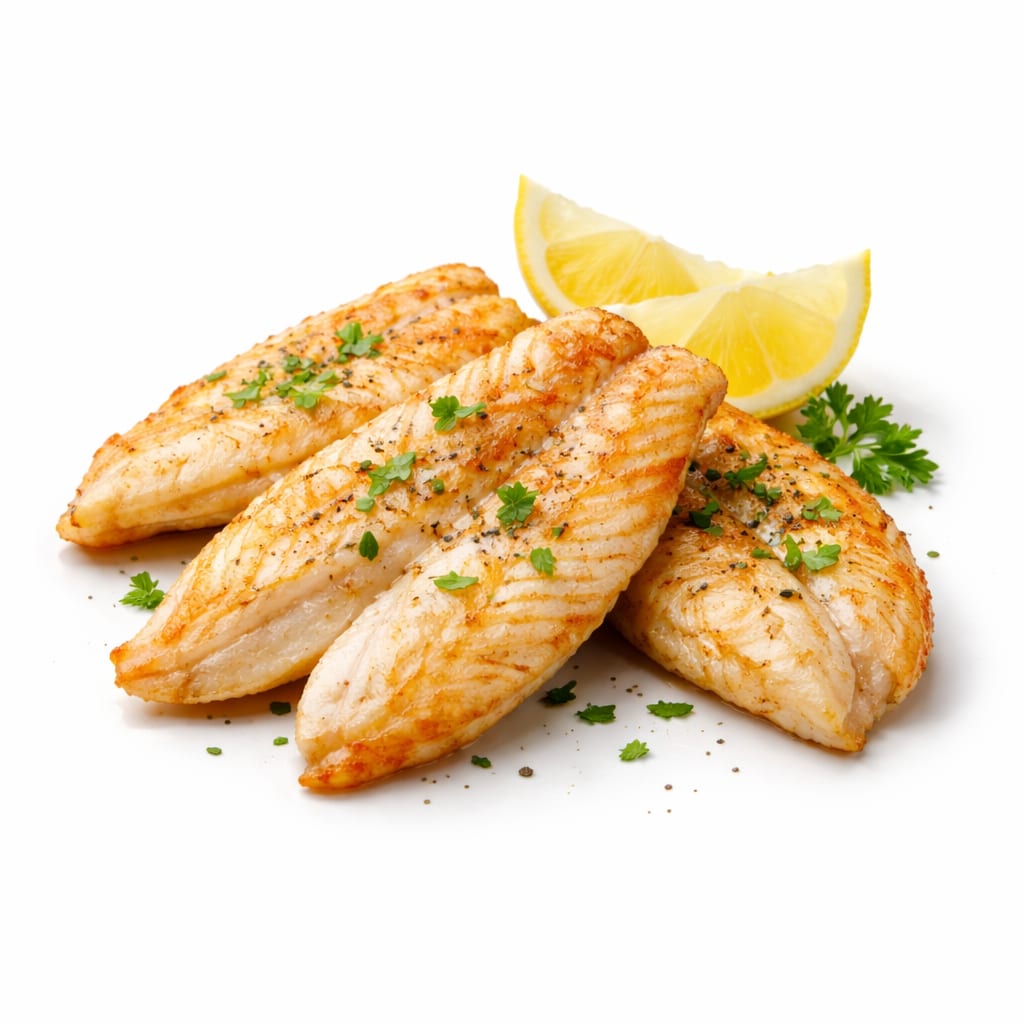
Perch
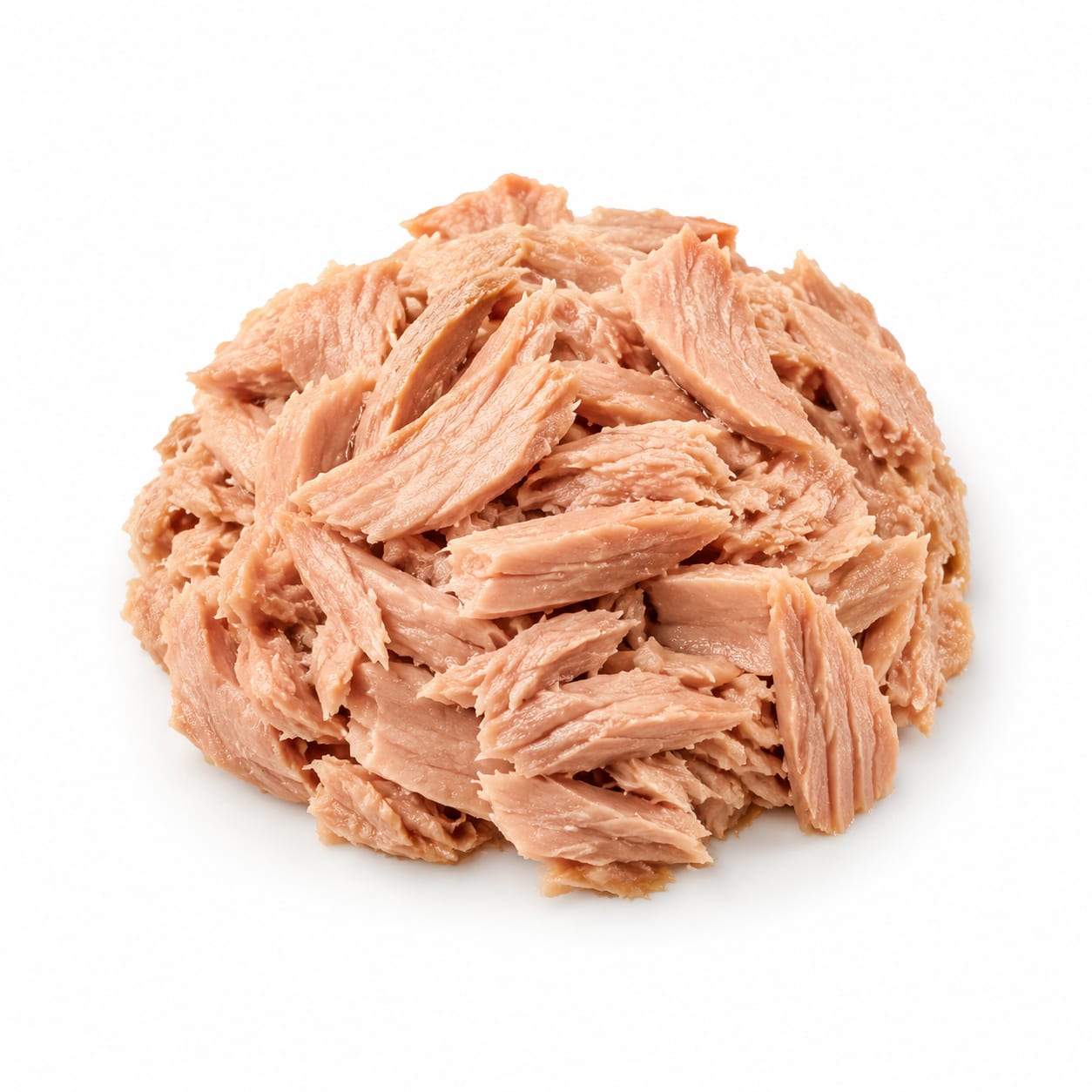
Tuna
Perch wins on safety and lower mercury exposure while tuna wins on protein, omega-3s, and convenience. Your choice depends on whether you prioritize clean protein or nutritional density.
Perch edges ahead primarily due to dramatically lower mercury content, making it safer for frequent consumption. Tuna scores close behind because its nutritional density and convenience are genuinely valuable. The small gap reflects that both are quality fish with different risk-benefit profiles.
Tuna delivers more nutrition per ounce but carries significantly more mercury risk. Perch is the safer everyday fish but offers less protein and fewer omega-3s.
At a glance
Executive summary
Overall
It depends
Healthier
Perch
More practical
Tuna
Daily use
Perch
Key comparison lenses
mercury and heavy metal safety
Tuna is notorious for mercury accumulation while perch sits lower on the food chain with significantly less contamination risk
protein density for muscle and satiety
Both are lean protein sources but tuna delivers substantially more protein per serving
omega-3 fatty acid intake
Tuna provides more omega-3s which matters for heart and brain health decisions
convenience and everyday practicality
Canned tuna is a pantry staple while perch is typically fresh-only and less accessible
sustainability and environmental impact
Tuna fisheries face overfishing concerns while perch generally has lower environmental pressure
Best choice for
Perch
- Pregnant women and children concerned about mercury
- People eating fish multiple times per week
- Those seeking a clean low-contaminant protein source
- Anyone prioritizing long-term safety over convenience
Tuna
- Athletes needing high protein intake
- People seeking omega-3s on a budget
- Those who want shelf-stable quick meals
- Anyone eating fish only occasionally
Least suitable for
Perch
- Those needing maximum protein per meal
- People relying on pantry staples for meal prep
- Anyone seeking significant omega-3 intake from fish alone
Tuna
- Pregnant or breastfeeding women
- Young children
- People eating fish daily who need to limit mercury
- Those with heavy metal sensitivity concerns
Deep comparison
Dimension by dimension
Each lens scores both foods and breaks down who each option suits.
- Dimension 1 · Priority 95Perch
mercury and contaminant safety
Perch · 90Tuna · 45Perch has dramatically lower mercury levels than tuna, making it far safer for regular consumption.
Tradeoff
Choosing tuna means accepting measurable mercury exposure in exchange for more protein and omega-3s.
Why it matters
Mercury accumulates in the body over time and can impair neurological function, especially dangerous for developing brains.
Real-world impact
Eating tuna several times a week can push mercury levels into concerning territory within months. Perch lets you eat fish frequently without this worry.
Perch
- Pregnant women
- Children
- Frequent fish eaters
- Anyone concerned about long-term heavy metal accumulation
Better for
Tuna
- Occasional fish consumers
- Adults with low overall mercury exposure
Better for
- Pregnant women
- Children under 6
- People who already eat high-mercury fish regularly
Worse for
- Dimension 2 · Priority 85Tuna
protein density
Perch · 65Tuna · 92Tuna delivers roughly 50% more protein per serving than perch, making it a more efficient protein source.
Tradeoff
You get more muscle-fueling protein from tuna but absorb more mercury with every serving.
Why it matters
Higher protein per serving means better satiety, easier muscle maintenance, and fewer calories needed to hit protein targets.
Real-world impact
A single can of tuna can deliver over 30g of protein. Perch requires a larger portion to hit the same numbers.
Perch
- Those who eat smaller protein portions
- People who mix protein sources across meals
Better for
- Bodybuilders needing high protein efficiency
- Anyone on a tight calorie budget needing protein density
Worse for
Tuna
- Athletes and lifters
- Anyone tracking macros
- People trying to increase protein without supplements
- Older adults combating muscle loss
Better for
- Dimension 3 · Priority 80Tuna
omega-3 fatty acids
Perch · 50Tuna · 82Tuna contains substantially more omega-3 fatty acids than perch, especially DHA which supports brain and heart health.
Tradeoff
The omega-3 benefit comes packaged with the mercury risk, creating a genuine health tradeoff.
Why it matters
Omega-3s reduce inflammation, support cardiovascular health, and are critical for cognitive function.
Real-world impact
If fish is your primary omega-3 source, tuna gets you there faster. But you could also choose perch and supplement with fish oil to avoid the mercury entirely.
Perch
- People who get omega-3s from other sources like salmon or sardines
Better for
- Anyone not supplementing omega-3s through other sources
Worse for
Tuna
- Those relying on fish as their main omega-3 source
- People who do not take fish oil supplements
- Budget-conscious consumers seeking heart-healthy fats
Better for
- Dimension 4 · Priority 75Tuna
convenience and accessibility
Perch · 40Tuna · 90Canned tuna is one of the most convenient proteins available. Perch is mostly sold fresh and requires cooking immediately.
Tradeoff
Tuna's convenience makes it easy to eat more often, which paradoxically increases mercury exposure risk.
Why it matters
The best protein source is the one you actually eat. Convenience drives real-world nutrition choices more than nutrient profiles.
Real-world impact
Tuna can sit in your pantry for years and be ready in seconds. Perch requires a grocery trip, refrigeration, and same-day cooking.
Perch
- People who cook fresh meals daily
- Those near freshwater fish markets
Better for
- Anyone without reliable access to fresh fish markets
- People who need grab-and-go meal options
Worse for
Tuna
- Busy professionals
- Students with limited cooking facilities
- Anyone building emergency food supplies
- Meal preppers who value shelf stability
Better for
- Dimension 5 · Priority 70Perch
sustainability and environmental impact
Perch · 75Tuna · 50Perch generally faces less overfishing pressure than tuna species, many of which are overharvested or caught using destructive methods.
Tradeoff
Choosing perch supports more sustainable fisheries but gives you a less nutrient-dense fish.
Why it matters
Overfishing threatens ocean ecosystems and future seafood availability. Consumer choices drive fishing practices.
Real-world impact
Some tuna populations have declined by over 90%. Choosing pole-caught or sustainably certified tuna helps, but perch is typically the lower-impact choice.
Perch
- Environmentally conscious consumers
- Those worried about ocean depletion
Better for
Tuna
- People who choose sustainably certified tuna brands
Better for
- Anyone avoiding contributing to overfishing
- Consumers who do not verify tuna sourcing
Worse for
- Dimension 6 · Priority 60It depends
versatility and taste experience
Perch · 70Tuna · 72Perch offers a mild sweet flavor ideal for pan-frying. Tuna works in everything from sandwiches to steaks but can be dry if overcooked.
Tradeoff
Perch excels as a delicate fresh fish while tuna offers more culinary range but requires more skill to prepare well fresh.
Why it matters
Enjoyment drives long-term dietary habits. A fish you actually like eating matters more than marginal nutrient differences.
Real-world impact
Perch makes an excellent Friday fish fry. Tuna can be a quick lunch or an impressive dinner, but canned tuna can get boring.
Perch
- Fans of mild non-fishy flavor
- Traditional fish fry enthusiasts
Better for
- Those who find mild fish boring
- Anyone wanting raw or seared preparations
Worse for
Tuna
- People who enjoy tuna salad and sandwiches
- Home cooks comfortable searing tuna steaks
- Anyone wanting raw preparations like poke
Better for
- People sensitive to fishier flavors
- Those who find canned tuna unappetizing
Worse for
Timeline
Health impact over time
Short-term
Hours to days
Perch
- Clean lean protein with minimal digestive burden
- Steady energy without heaviness
- Unlikely to cause any acute adverse reactions
Tuna
- Quick high-protein satisfaction especially from canned tuna
- Possible mild digestive heaviness from larger portions
- Higher sodium if consuming canned varieties
Long-term
Months to years
Perch
- Safe for frequent consumption without mercury accumulation concerns
- Consistent lean protein supporting muscle maintenance
- Lower omega-3 intake may require supplementation for heart health
Tuna
- Mercury accumulation risk increases with regular consumption
- Better cardiovascular protection from higher omega-3 intake if consumed moderately
- Potential neurological effects from chronic mercury exposure if overconsumed
Risk profile
Safety & processing
Fresh perch is typically sold as a whole minimally processed fish. Canned tuna often contains added sodium and may include vegetable broth or other additives. Fresh tuna steaks are minimally processed but less commonly purchased than the canned version.
Perch
mercury contamination
lowPerch sits low on the aquatic food chain and accumulates minimal mercury, making it safe even for frequent consumption.
parasites in fresh fish
lowLike all freshwater fish, perch can carry parasites but proper cooking eliminates this risk entirely.
microplastics
lowFreshwater fish may contain microplastics but levels are generally lower than large marine species.
Tuna
mercury contamination
highTuna is a large predatory fish that accumulates significant mercury. Albacore and bigeye tuna are especially concerning. Regular consumption can lead to mercury levels exceeding safe thresholds.
sodium in canned varieties
mediumCanned tuna often contains 200-300mg of sodium per serving which adds up quickly if eaten frequently.
BPA from can linings
mediumMost canned tuna uses BPA-lined cans which may leach into the fish. Look for BPA-free brands to reduce this exposure.
overfishing and bycatch
mediumMany tuna fishing methods harm other marine species. Longline fishing catches turtles, sharks, and dolphins as bycatch.
Who wins for whom
Audience fit
Same foods, different winners depending on your goal.
children
PerchChildren are far more vulnerable to mercury's neurological effects. Perch's low mercury levels make it the clearly safer choice for developing brains.
daily consumption
PerchPerch can be eaten daily without mercury accumulation concerns. Tuna should be limited to 2-3 servings per week for most adults and less for vulnerable populations.
diabetes
PerchBoth fish have minimal impact on blood sugar, but perch's lower contaminant load makes it safer for regular consumption which matters for long-term metabolic health.
elderly
It dependsTuna's omega-3s support heart and brain health in aging adults, but mercury concerns remain. Moderate tuna intake with perch as the everyday fish is the smartest approach.
muscle gain
TunaTuna delivers substantially more protein per serving, making it easier to hit muscle-building protein targets without excess calories.
weight loss
TunaTuna's higher protein content provides better satiety per calorie, helping control hunger on a calorie deficit. Just watch mercury intake if eating it daily.
Your move
Decision guide
Choose Perch
- You are pregnant, breastfeeding, or feeding young children
- You eat fish more than three times per week
- Mercury exposure concerns you more than convenience
- You have access to fresh perch and enjoy cooking fish
- You want a clean protein source for daily use without worry
Choose Tuna
- You eat fish only once or twice per week
- You need maximum protein per meal for athletic performance
- Budget and convenience are top priorities
- You do not take omega-3 supplements and need dietary sources
- You want a shelf-stable emergency protein option
Either works if
- You rotate between multiple protein sources throughout the week
- You are a healthy adult eating fish in moderation
- You value both safety and nutrition and can balance portions
Avoid both if
- You have a fish or seafood allergy
- You are vegan or vegetarian
- You have severe gout and need to limit purines
Final recommendation
Make perch your everyday fish and tuna your occasional protein boost. This gives you the safety of low mercury with the nutritional benefits of omega-3s and high protein when you need them. If you only eat fish once weekly, tuna is fine. If fish is a daily habit, perch is the smarter anchor choice.
Practical
Consumer tips
- 1
Choose light canned tuna over albacore to cut mercury exposure by roughly two-thirds
- 2
Look for pole-caught tuna brands which are more sustainable and typically lower in mercury
- 3
Limit tuna to 2-3 servings per week maximum if you are a healthy adult, and less if pregnant
- 4
Pair perch with omega-3-rich sides like walnuts or flaxseed to compensate for its lower fatty acid content
- 5
Rinse canned tuna to reduce sodium by up to 25%
- 6
Check local advisories for perch caught recreatively as some freshwater bodies have specific contamination warnings
- 7
Freeze fresh perch for up to 3 months if you cannot cook it immediately
- 8
Try pouch tuna instead of canned to avoid BPA can lining concerns