
Nutrition comparison
Perch vs Tilapia: Which Fish Is Actually Healthier?
Compare perch and tilapia on omega-3 content, farming safety, protein quality, and price. Learn which fish is better for inflammation, weight loss, and daily meals.
Overall winner · Perch
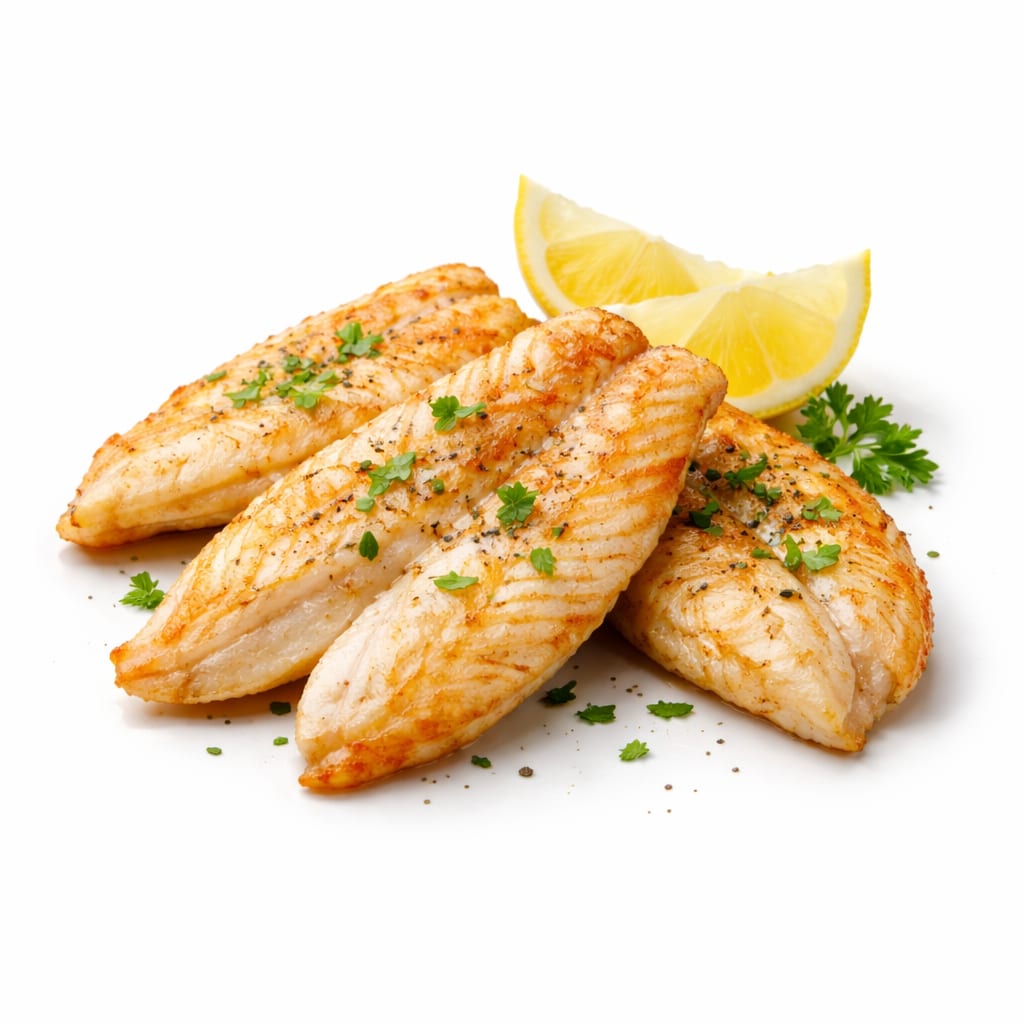
Perch
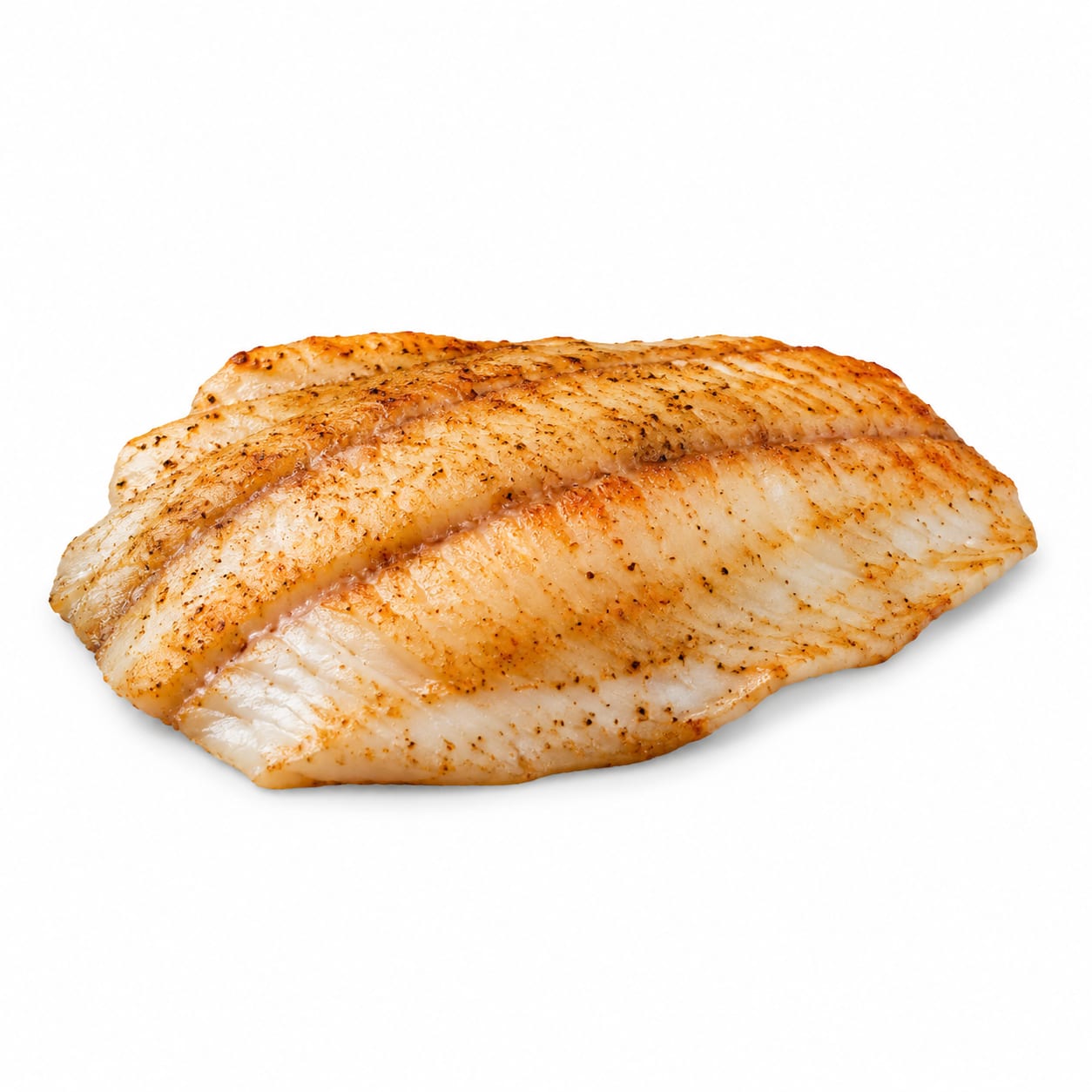
Tilapia
Perch offers better omega-3 balance and cleaner sourcing, while tilapia wins on price and convenience but carries inflammatory and farming concerns.
Perch scores notably higher due to superior fat quality, cleaner sourcing, and lower contamination risk. Tilapia remains relevant for affordability and convenience but loses ground on the health dimensions that matter most for regular fish consumption.
You pay less for tilapia but get a fish with a worse fat profile and more farming unknowns. Perch costs more but delivers cleaner nutrition.
At a glance
Executive summary
Overall
Perch
Healthier
Perch
More practical
Tilapia
Daily use
Perch
Key comparison lenses
omega-3 to omega-6 balance and inflammatory impact
Tilapia's notoriously high omega-6 to omega-3 ratio is the single biggest differentiator and health concern users should understand
farming practices and contamination safety
Tilapia is almost entirely farmed with variable oversight, while perch is more often wild-caught, creating real safety and quality differences
affordability and everyday accessibility
Tilapia is one of the cheapest proteins available, which drives many purchasing decisions regardless of nutritional tradeoffs
protein quality for lean muscle and satiety
Both are lean white fish, but subtle differences in amino acid profiles and satiety response matter for regular consumers
environmental sustainability
Farmed tilapia has significant environmental footprint concerns, while perch sourcing varies widely by region
Best choice for
Perch
- People managing inflammation or autoimmune conditions
- Anyone prioritizing omega-3 intake without supplements
- Consumers who prefer wild-caught fish
- Families concerned about antibiotic and contaminant exposure
- Those eating fish specifically for brain and heart health benefits
Tilapia
- Budget-conscious households needing affordable lean protein
- Meal preppers who want a mild, easy-to-cook fish
- People new to eating fish who prefer neutral flavor
- Anyone needing widely available frozen fish options
- Those who supplement omega-3s separately and just need a protein source
Least suitable for
Perch
- People on very tight grocery budgets
- Those who need frozen fish available year-round in any store
- Anyone who strongly dislikes fishy flavor even when mild
Tilapia
- People fighting chronic inflammation
- Those avoiding farmed seafood entirely
- Consumers worried about antibiotic residues in food
- Anyone relying on fish as their primary omega-3 source
- Pregnant women concerned about farming contaminants
Deep comparison
Dimension by dimension
Each lens scores both foods and breaks down who each option suits.
- Dimension 1 · Priority 95Perch
Omega-3 to Omega-6 Balance
Perch · 78Tilapia · 32Perch provides a much healthier fat ratio, while tilapia's omega-6 dominance can actually promote inflammation when eaten frequently.
Tradeoff
Tilapia is cheap lean protein, but its fat profile works against you if you're eating fish for anti-inflammatory benefits.
Why it matters
The whole point of eating fish is often the omega-3 benefit. Tilapia undermines that goal with ratios worse than some land meats.
Real-world impact
Regular tilapia eaters may not get the joint, heart, and mood benefits they expect from fish, while perch consumers get closer to the intended anti-inflammatory payoff.
Perch
- Reducing systemic inflammation
- Supporting heart and brain health
- Complementing an anti-inflammatory diet
Better for
- Slightly lower total fat, which means less satiety from fat alone
Worse for
Tilapia
- Getting cheap protein when omega-3s come from supplements or other sources
Better for
- Potentially worsening inflammation when eaten multiple times per week
- Undermining the health rationale for eating fish
Worse for
- Dimension 2 · Priority 90Perch
Contamination and Farming Safety
Perch · 80Tilapia · 45Wild-caught perch generally carries fewer contaminants and antibiotic concerns than farmed tilapia, which has inconsistent international oversight.
Tradeoff
Tilapia's mass farming keeps prices low but introduces antibiotic, pesticide, and water quality variables that are hard to trace.
Why it matters
You are eating whatever the fish ate. Farmed tilapia from poorly regulated sources can carry residues you would never choose to consume.
Real-world impact
Choosing perch means less worry about what was in the water or feed. Choosing tilapia means doing homework on country of origin and farming certifications.
Perch
- Lower antibiotic exposure risk
- Fewer concerns about feed quality and additives
- Generally cleaner water source for wild-caught varieties
Better for
- Wild-caught availability can be inconsistent regionally
Worse for
Tilapia
- Consistent availability regardless of season
Better for
- Antibiotic residues in some imported farmed tilapia
- Pesticide and chemical exposure from pond farming
- Less transparent supply chain overall
Worse for
- Dimension 3 · Priority 80Tilapia
Affordability and Accessibility
Perch · 40Tilapia · 88Tilapia is one of the most affordable and widely available fish proteins, while perch commands a premium and can be harder to find.
Tradeoff
Budget constraints are real. Tilapia makes fish accessible to households that cannot justify perch prices.
Why it matters
The best nutrition choice only matters if you can actually afford and find it regularly.
Real-world impact
A family of four can eat tilapia twice a week for a fraction of what perch would cost. That frequency matters for building sustainable eating habits.
Perch
- Higher quality per dollar if budget allows
Better for
- Often $4-8 more per pound than tilapia
- Fresh availability limited in many regions
- May require specialty fish markets
Worse for
Tilapia
- Consistently low price point
- Available frozen in nearly every grocery store
- Easy to stock up during sales
Better for
- Lower nutritional value per dollar spent on fish specifically
Worse for
- Dimension 4 · Priority 70Perch
Protein Quality and Satiety
Perch · 74Tilapia · 68Both deliver solid lean protein, but perch has a slight edge in amino acid completeness and keeps you satisfied a bit longer.
Tradeoff
The protein gap is modest. Both work well for muscle maintenance and weight management, but perch feels slightly more filling per serving.
Why it matters
When fish is your main protein source at a meal, satiety matters for avoiding overeating later.
Real-world impact
A perch fillet tends to keep hunger at bay for an extra 30-60 minutes compared to an equivalent tilapia portion, which can reduce snacking.
Perch
- Slightly more satisfying per calorie
- Better amino acid profile for muscle repair
Better for
- Smaller typical portion sizes due to cost
Worse for
Tilapia
- Still a solid lean protein source
- Easier to eat larger portions due to lower cost
Better for
- Less satiating fat content
- Slightly lower protein density per serving
Worse for
- Dimension 5 · Priority 60It depends
Flavor and Cooking Versatility
Perch · 72Tilapia · 70Perch offers a sweeter, more distinctive flavor, while tilapia's neutral taste makes it a blank canvas for any seasoning.
Tradeoff
Perch rewards simple preparation that lets the fish shine. Tilapia works better when you want the sauce and spices to dominate.
Why it matters
Flavor preference determines whether you actually keep eating fish long-term or abandon it after a few tries.
Real-world impact
Fish-averse eaters often prefer tilapia because it disappears into recipes. Fish lovers appreciate perch for actually tasting like something.
Perch
- More complex, satisfying flavor for fish enthusiasts
- Excellent pan-fried or in classic preparations
Better for
- Can taste too fishy for people avoiding strong flavors
Worse for
Tilapia
- Takes on any marinade or sauce beautifully
- Great gateway fish for picky eaters
- Hard to mess up in cooking
Better for
- Bland without aggressive seasoning
- Easy to overcook into a dry texture
Worse for
Timeline
Health impact over time
Short-term
Hours to days
Perch
- Solid protein satisfaction without heaviness
- Clean energy from quality lean protein
- Minimal digestive discomfort due to low fat content
Tilapia
- Quick, light protein that digests easily
- May not feel as satisfying without added fats or sides
- Safe neutral option for sensitive stomachs
Long-term
Months to years
Perch
- Better inflammatory profile supports joint and cardiovascular health
- Consistent omega-3 intake benefits mood and cognitive function
- Lower cumulative contaminant exposure with wild-caught sourcing
Tilapia
- Frequent consumption may contribute to omega-6 excess if not balanced with omega-3 sources
- Possible cumulative exposure to farming residues depending on source quality
- Affordable protein access supports weight management when options are limited
Risk profile
Safety & processing
Both are minimally processed as raw fish, but tilapia's farming environment introduces more variables including potential antibiotic and chemical treatments that wild-caught perch avoids.
Perch
Mercury accumulation
lowPerch is a smaller fish lower on the food chain, so mercury levels are generally modest. Still worth varying your fish sources.
Habitat contamination in local waters
lowWild-caught perch from polluted waters can carry local contaminants. Source from clean lakes and reputable suppliers.
Tilapia
Antibiotic residues from farming
mediumInternational tilapia farming practices vary widely. Some operations use antibiotics that can leave residues in the flesh, especially from certain exporting countries.
Pesticide and chemical exposure from pond farming
mediumCrowded pond conditions often require chemical treatments. Quality control depends heavily on the specific farm and country of origin.
Inferior feed quality affecting nutrient profile
mediumTilapia are sometimes fed corn and soy-based diets rather than their natural algae and plant diet, which degrades their omega-3 content and introduces GMO and pesticide concerns.
Who wins for whom
Audience fit
Same foods, different winners depending on your goal.
children
PerchLower contamination risk and better fat quality make perch a safer choice for developing bodies, though tilapia's mild flavor can help introduce kids to fish.
daily consumption
PerchPerch's cleaner fat profile and lower contamination risk make it safer for frequent eating, though cost may limit practical daily use for some households.
diabetes
PerchPerch's superior omega-3 content supports insulin sensitivity, while tilapia's omega-6 dominance may work against glycemic control when consumed regularly.
elderly
PerchAnti-inflammatory omega-3s from perch support joint and cognitive health in aging, while tilapia's inflammatory profile offers less protective benefit.
muscle gain
It dependsBoth provide quality protein for muscle repair. Tilapia's affordability allows larger and more frequent portions, while perch offers slightly better amino acid quality per serving.
weight loss
PerchBoth are low-calorie lean proteins, but perch's better satiety and fat profile support more stable appetite control during calorie restriction.
Your move
Decision guide
Choose Perch
- You are eating fish specifically for omega-3 and anti-inflammatory benefits
- You have concerns about farmed seafood and prefer wild-caught options
- You are managing an inflammatory or autoimmune condition
- Budget is not the primary constraint in your food choices
- You want fish that actually tastes like fish
Choose Tilapia
- You need affordable lean protein and supplement omega-3s separately
- You are feeding a family on a tight budget and fish frequency matters more than fish quality
- You or your family members are picky about fish flavor
- You need a frozen fish option that is always available at any grocery store
- You plan to use heavy seasonings or sauces where fish flavor is secondary
Either works if
- You eat fish only occasionally and variety matters more than optimization
- You alternate protein sources throughout the week anyway
- You are simply looking for a lean dinner option tonight
Avoid both if
- You have a fish allergy
- You are strictly vegan or vegetarian
- You need high omega-3 intake and should be eating salmon, sardines, or mackerel instead
Final recommendation
Choose perch when health optimization drives your decision, especially for inflammation, heart health, or clean sourcing. Choose tilapia when budget and convenience are the real constraints, but supplement omega-3s from higher-quality sources and check country of origin labels to minimize farming risks. Neither fish is a top-tier omega-3 source compared to salmon or sardines, so consider whether fish is serving its intended role in your diet.
Practical
Consumer tips
- 1
Check tilapia packaging for country of origin. Fish from the US, Canada, or Ecuador generally has better farming oversight than some Asian imports.
- 2
If buying tilapia, look for BAP (Best Aquaculture Practices) certification as a minimum quality signal.
- 3
Perch from the Great Lakes or Scandinavian waters tends to have the cleanest contaminant profiles.
- 4
For either fish, baking or poaching preserves more omega-3 content than deep frying, which degrades fragile fats.
- 5
If you eat tilapia regularly, balance it with a high-omega-3 fish like salmon or sardines at least once per week to offset the inflammatory ratio.
- 6
Fresh perch should have clear eyes, red gills, and a mild lake-water smell. Pass on anything smelling strongly ammonia-like.
- 7
Frozen tilapia fillets are fine, but avoid any with excessive ice crystals or freezer burn, which signals poor storage.