
Nutrition comparison
Perch vs Shrimp: Which Is Healthier for Daily Eating?
Compare perch and shrimp on cholesterol, protein, contaminants, and convenience. Find out which lean seafood is better for heart health, weight loss, and weekly meal planning.
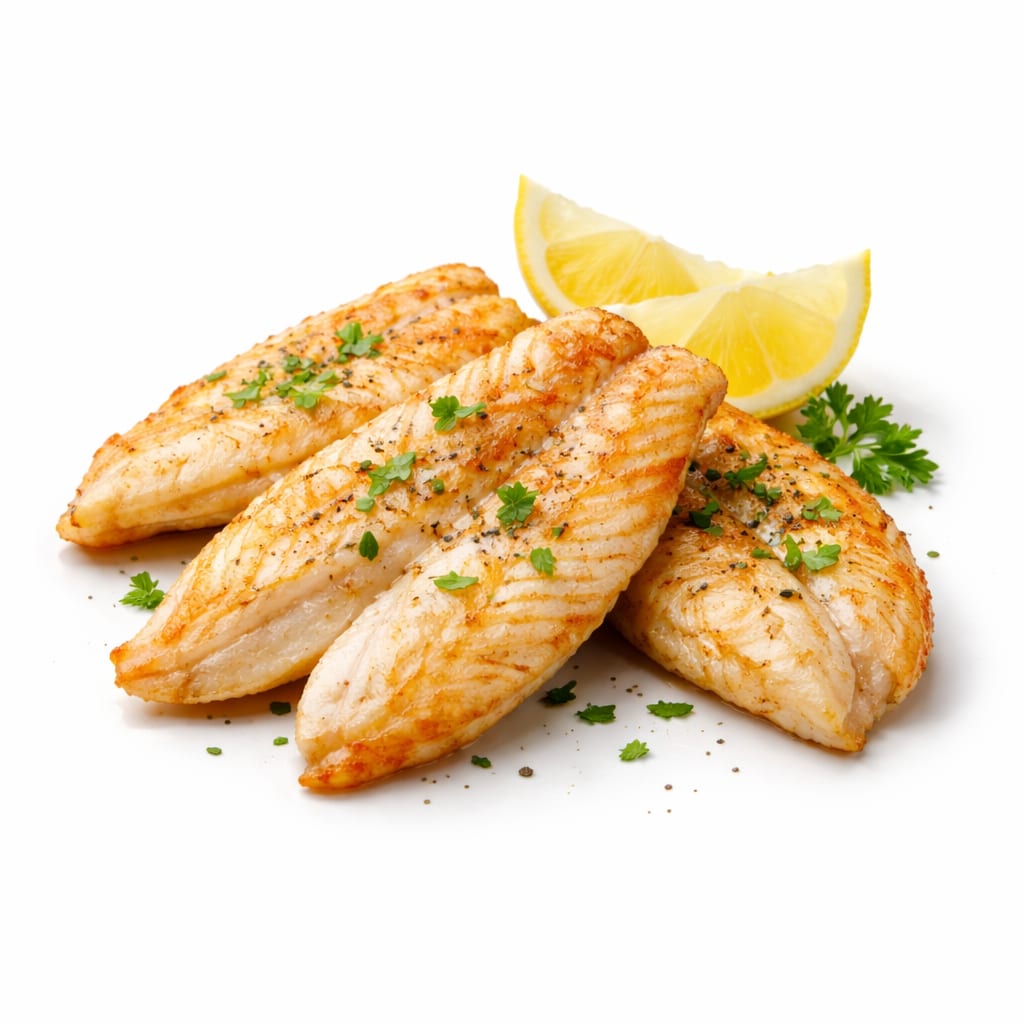
Perch
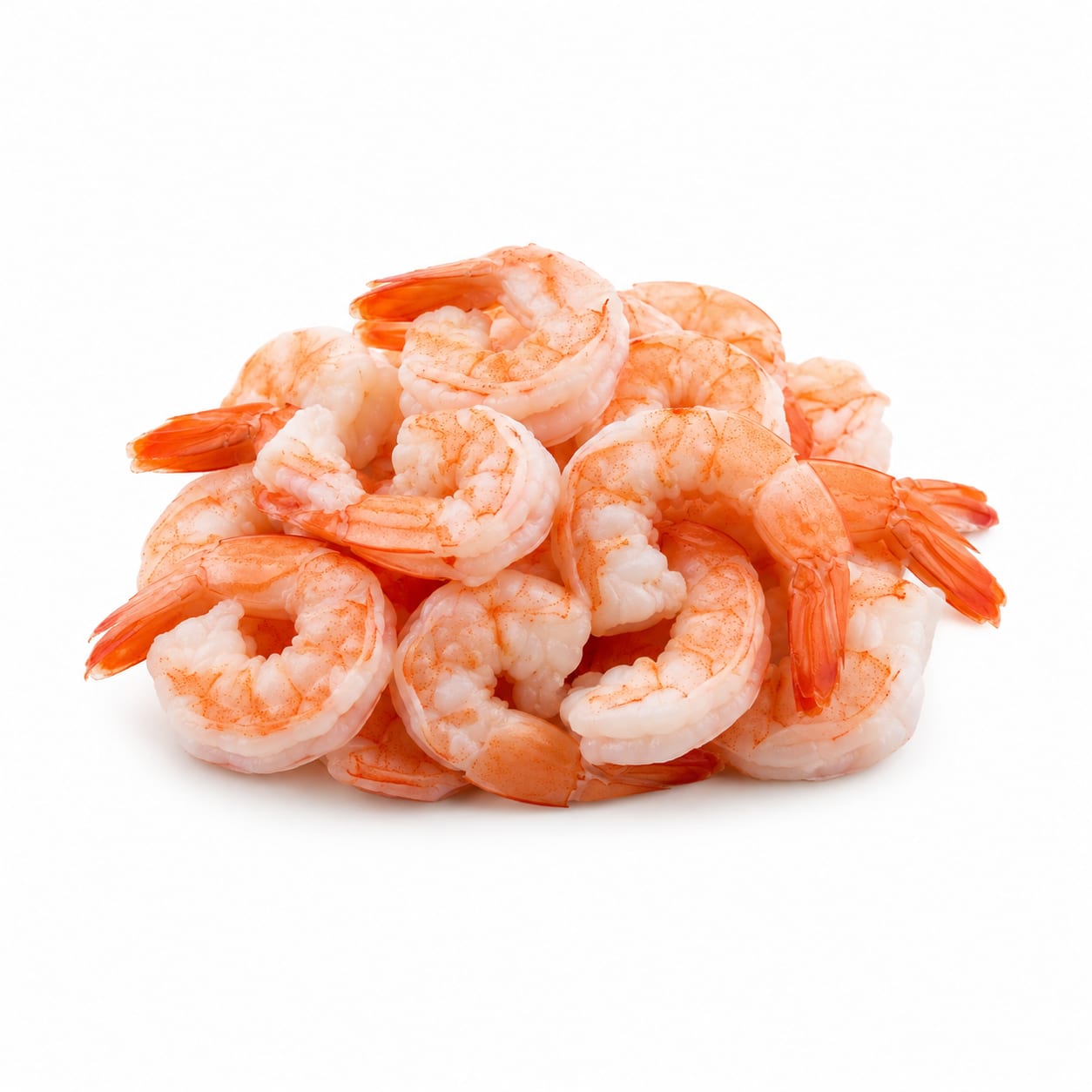
Shrimp
Perch wins for heart health and cleaner protein, while shrimp wins for convenience and portion flexibility. Your choice hinges on cholesterol concerns and cooking habits.
Perch edges ahead due to its cleaner cholesterol profile and lower contamination risk for regular consumption. Shrimp remains excellent for convenience and leanness but its cholesterol content and farming practices pull its score down slightly for daily use.
Shrimp offers faster cooking and more recipe versatility but carries significantly more dietary cholesterol. Perch is the heart-friendlier protein but takes more effort to prepare well.
At a glance
Executive summary
Overall
It depends
Healthier
Perch
More practical
Shrimp
Daily use
Perch
Key comparison lenses
protein quality and leanness
Both are lean protein sources, so users want to know which delivers better protein per calorie and per serving
cholesterol and heart health
Shrimp is famously high in cholesterol while perch is not, making this a key decision factor for many
contaminant and heavy metal exposure
Both seafood options carry different contamination profiles that matter for regular consumption
allergen safety
Shellfish allergy is one of the most common and severe food allergies, while fish allergy is separate and also serious
meal versatility and convenience
Shrimp cooks in minutes and appears in many cuisines, while perch requires more preparation skill
Best choice for
Perch
- People watching their cholesterol
- Those seeking a heart-friendly lean protein
- Anyone avoiding shellfish allergens
- Home cooks who enjoy preparing fish
Shrimp
- Busy weeknight dinners
- People wanting quick-cooking protein
- Those who need small portion control
- Anyone following low-calorie diets who wants volume flexibility
Least suitable for
Perch
- People with fish allergies
- Those wanting fast 10-minute meals
- Anyone unfamiliar with cooking fresh fish
Shrimp
- People with shellfish allergies
- Those strictly limiting dietary cholesterol
- Anyone concerned about antibiotic use in farmed seafood
Deep comparison
Dimension by dimension
Each lens scores both foods and breaks down who each option suits.
- Dimension 1 · Priority 92Perch
protein quality and content
Perch · 82Shrimp · 78Perch delivers slightly more protein per serving with a more balanced amino acid profile for sustained muscle support.
Tradeoff
Shrimp is close behind and offers protein in smaller, more snackable portions, but perch provides more protein per full fillet serving.
Why it matters
If you are eating seafood primarily for protein, perch gives you a bit more per meal without needing multiple servings.
Real-world impact
A single perch fillet covers more of your daily protein needs than a typical shrimp serving, which often requires a larger portion to feel satisfying.
Perch
- Post-workout recovery meals
- Building a high-protein dinner plate
Better for
- Quick appetizer protein needs
Worse for
Shrimp
- Light protein snacking
- Adding protein to salads or stir-fries without heaviness
Better for
- Situations where you need a large single-serving protein hit
Worse for
- Dimension 2 · Priority 88Perch
cholesterol and heart health
Perch · 88Shrimp · 52Perch is genuinely heart-friendly with minimal cholesterol. Shrimp packs surprisingly high cholesterol per serving despite being low in saturated fat.
Tradeoff
Shrimp's cholesterol may not affect blood cholesterol in everyone, but for those who are sensitive or already managing heart conditions, perch is the clearly safer bet.
Why it matters
A single serving of shrimp can contain over half your daily cholesterol limit, while perch stays well under any concern threshold.
Real-world impact
If your doctor has told you to watch cholesterol, shrimp becomes a food to limit while perch can stay in regular rotation.
Perch
- Anyone with elevated cholesterol
- Heart disease prevention diets
- Regular daily or near-daily seafood consumption
Better for
- No real heart health downside for perch
Worse for
Shrimp
- People with normal cholesterol who metabolize dietary cholesterol well
Better for
- Cholesterol-restricted diets
- People on statins or managing cardiovascular risk
Worse for
- Dimension 3 · Priority 85Perch
contaminant and heavy metal risk
Perch · 76Shrimp · 64Perch generally carries lower heavy metal risk, especially when sourced from clean freshwater. Shrimp faces more contamination concerns from farming practices and ocean pollution.
Tradeoff
Wild-caught perch from polluted waters can still carry risks, but farmed shrimp consistently raises more concern about antibiotics, microplastics, and chemical residues.
Why it matters
If you eat seafood multiple times per week, these contaminants accumulate and matter more than occasional consumption would suggest.
Real-world impact
Regularly eating imported farmed shrimp means more exposure to substances your body has to process and eliminate over time.
Perch
- Frequent seafood eaters minimizing cumulative exposure
- Families feeding children regularly
Better for
- Perch from industrial waterways with known pollution
Worse for
Shrimp
- Occasional consumption where contaminant load matters less
Better for
- Daily consumption of farmed imported shrimp
- Pregnant women needing to minimize contaminant exposure
Worse for
- Dimension 4 · Priority 80It depends
allergen safety
Perch · 70Shrimp · 60Both carry serious but distinct allergen risks. Shellfish allergy tends to be more severe and lifelong, while fish allergy is somewhat less common but still dangerous.
Tradeoff
Neither is truly safer. The relevant allergy depends entirely on the individual. Shellfish allergy is more prevalent in adults, fish allergy more common in children who may outgrow it.
Why it matters
Serving either food at a gathering means asking guests about allergies. Shellfish reactions tend to be more severe and are less likely to be outgrown.
Real-world impact
If you have a shellfish allergy, perch is safe. If you have a fish allergy, shrimp is safe. Cross-reactivity between the two is rare but possible.
Perch
- People with shellfish allergies
- Dinner parties where shellfish allergy is known
Better for
- Households with fish allergy
Worse for
Shrimp
- People with finfish allergies
- Situations where fish allergy is the known concern
Better for
- Households with shellfish allergy
- School lunches where severe shellfish reactions are a concern
Worse for
- Dimension 5 · Priority 75Shrimp
convenience and cooking ease
Perch · 55Shrimp · 88Shrimp cooks in 2-3 minutes and works in countless dishes. Perch requires more careful cooking and is less forgiving if overdone.
Tradeoff
Shrimp's speed and versatility come at the cost of more prep work like peeling and deveining, while perch fillets are ready to cook but need more attention to get right.
Why it matters
On a busy Tuesday night, shrimp can go from fridge to plate in under 15 minutes. Perch demands more planning and technique.
Real-world impact
Shrimp is the reason many people actually eat seafood during the week. Perch is more of a weekend or planned meal choice.
Perch
- Leisurely weekend cooking
- Meals where you want to showcase a fish fillet
Better for
- Last-minute meal situations
- Cooking for one in a hurry
Worse for
Shrimp
- Weeknight dinners after a long day
- Quick protein additions to pasta, rice, or salad
- Meal prep where speed matters
Better for
- When you dislike peeling and deveining
- Situations where you want a simple fillet presentation
Worse for
- Dimension 6 · Priority 72Perch
omega-3 fatty acids
Perch · 72Shrimp · 60Perch provides more omega-3s per serving than shrimp, though neither is a top-tier omega-3 source like salmon or sardines.
Tradeoff
If you are specifically eating seafood for brain and heart benefits from omega-3s, perch contributes more but both fall short of fatty fish levels.
Why it matters
People often assume all seafood is rich in omega-3s. These two are relatively lean, so you would need to eat them alongside other omega-3 sources.
Real-world impact
Neither perch nor shrimp alone will meet your omega-3 needs. Think of them as lean protein sources first and omega-3 contributors second.
Perch
- Slightly better anti-inflammatory support
- Contributing to daily omega-3 intake alongside other sources
Better for
- Anyone relying on it as a primary omega-3 source
Worse for
Shrimp
- No real omega-3 advantage over perch
Better for
- Those expecting significant omega-3 benefits from shrimp alone
Worse for
Timeline
Health impact over time
Short-term
Hours to days
Perch
- Provides steady, clean protein energy without a heavy feeling
- Very light on digestion, unlikely to cause bloating or discomfort
- Low sodium content means no post-meal thirst or water retention
Shrimp
- Quick-digesting protein that feels light in the stomach
- Can cause mild digestive upset in sensitive individuals, especially with garlic butter preparations
- Higher sodium in many shrimp preparations may cause temporary water retention
Long-term
Months to years
Perch
- Supports cardiovascular health through low cholesterol and moderate omega-3 intake
- Lower contaminant burden with regular consumption supports cleaner metabolic function
- Sustainable as a frequent protein source without cholesterol accumulation concerns
Shrimp
- Regular high cholesterol intake may impact heart health in sensitive individuals over time
- Farmed shrimp consumption may contribute to low-level antibiotic exposure with unclear long-term effects
- Good lean protein option for weight maintenance when portions are controlled
Risk profile
Safety & processing
Both are whole foods in their natural state, but shrimp is more commonly treated with sodium tripolyphosphate to retain moisture and improve appearance. Perch is typically sold as fresh or frozen fillets with minimal intervention. If you buy shrimp, look for labels specifying no added phosphates or preservatives.
Perch
Mercury and freshwater contaminants
mediumPerch from industrial or agricultural runoff areas can accumulate mercury and PCBs. Source from clean lakes or trusted suppliers to minimize this risk.
Parasites in raw or undercooked fish
lowFreshwater fish can carry parasites. Cooking perch thoroughly eliminates this concern. Avoid raw preparations unless previously frozen to parasite-killing temperatures.
Shrimp
Antibiotic residues in farmed shrimp
highImported farmed shrimp, particularly from Southeast Asia, frequently test positive for banned antibiotics. Choose wild-caught or domestically farmed shrimp with certification.
Microplastics and chemical contaminants
mediumShrimp bottom-feed in coastal waters where microplastics and industrial chemicals concentrate. Wild-caught shrimp from cleaner waters reduces but does not eliminate this exposure.
Sodium tripolyphosphate additive
lowCommonly used to retain moisture in processed shrimp. Not dangerous but adds sodium and may indicate lower quality product. Check ingredient lists.
Who wins for whom
Audience fit
Same foods, different winners depending on your goal.
children
PerchLower contaminant risk and no shellfish allergy concern makes perch safer for kids. Shrimp's shape and texture can also be a choking hazard for very young children.
daily consumption
PerchPerch's cleaner profile across cholesterol, contaminants, and additives makes it more suitable as a regular near-daily protein source. Shrimp is better reserved for a few times per week.
diabetes
PerchBoth are zero-carb options, but perch's cleaner cholesterol profile and lower contaminant risk make it a better long-term choice for managing cardiovascular diabetes complications.
elderly
PerchPerch's soft flaky texture is easier to chew and digest. Its lower cholesterol content also aligns better with the cardiovascular concerns common in older adults.
muscle gain
PerchPerch provides more protein per serving in a single fillet, making it easier to hit higher protein targets without needing large volumes of food.
weight loss
ShrimpShrimp's extremely low calorie count per serving makes it easier to control portions while still feeling like you ate something satisfying. Just watch preparation methods that add butter or oil.
Your move
Decision guide
Choose Perch
- You are managing cholesterol or heart disease risk
- You want a regular weekly fish that you can eat frequently without concern
- You are cooking for children or elderly family members
- You prefer a simple fillet that pairs well with vegetables and grains
- You are concerned about antibiotic and contaminant exposure from farmed seafood
Choose Shrimp
- You need fast-cooking protein for busy weeknights
- You want a versatile ingredient that works in pasta, stir-fries, tacos, and salads
- You have normal cholesterol and want a very low-calorie protein source
- You are planning a dinner party or special meal where shrimp feels more celebratory
- You do not have a shellfish allergy and want maximum cooking flexibility
Either works if
- You simply want a lean protein source and have no cholesterol or allergy concerns
- You rotate your protein sources throughout the week anyway
- You are eating seafood 1-2 times per week and contaminant accumulation is less of a factor
Avoid both if
- You have both fish and shellfish allergies
- You are following a strict vegan or plant-based diet
- You are pregnant and unsure about the sourcing quality of either option
- You live in an area where neither is available fresh and only poor-quality frozen options exist
Final recommendation
Keep both in rotation but lean toward perch for regular meals and save shrimp for when convenience or recipe variety matters most. If cholesterol is a personal concern, make perch your default and enjoy shrimp as an occasional treat. Always source shrimp carefully — wild-caught domestic shrimp is worth the extra cost for the reduction in antibiotic and contaminant exposure.
Practical
Consumer tips
- 1
Buy wild-caught domestic shrimp whenever possible to avoid antibiotic residues common in imported farmed shrimp
- 2
Look for perch from the Great Lakes or similar clean freshwater sources for the lowest contaminant profile
- 3
If shrimp lists sodium tripolyphosphate in ingredients, find a different brand — it adds unwanted sodium and masks water weight
- 4
Freeze perch fillets individually on a sheet pan before bagging so you can thaw only what you need
- 5
Thaw shrimp under cold running water for 5 minutes rather than microwaving to preserve texture
- 6
Both foods benefit from simple preparations — olive oil, lemon, garlic, and herbs let the natural flavor shine without adding unhealthy fats
- 7
Avoid pre-breaded or pre-marinated versions of either fish, as they add sodium, fillers, and unnecessary calories