
Nutrition comparison
Perch vs Sardines: Which Fish Is Healthier? Nutrition, Omega-3, and Safety Compared
Perch or sardines? Compare omega-3 content, mercury levels, calcium, protein, and taste. Find out which fish is better for heart health, weight loss, and daily eating.
Overall winner · Sardines

Perch
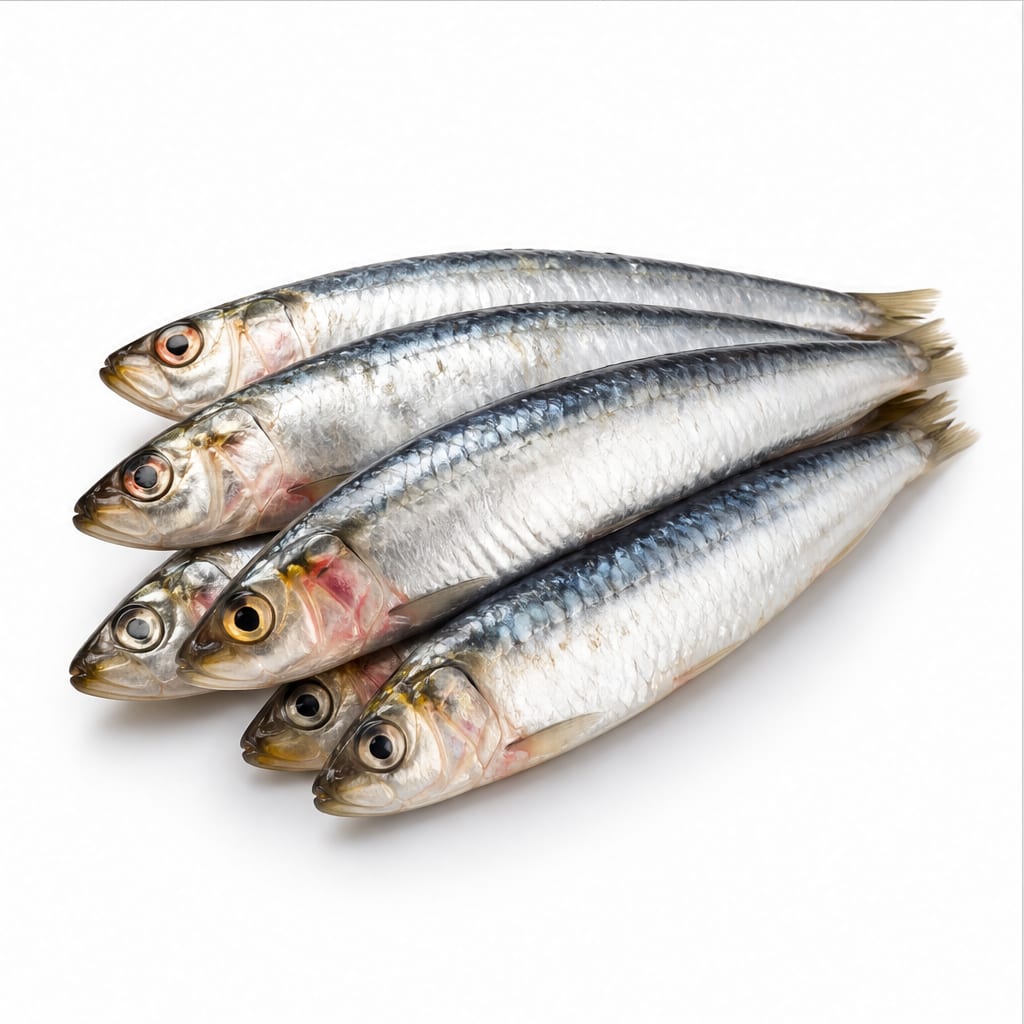
Sardines
Sardines deliver dramatically more omega-3s, calcium, vitamin D, and B12 per serving, making them the nutritional powerhouse. Perch wins on taste accessibility and leanness but falls short on the nutrients most people actually need more of.
Sardines score significantly higher due to omega-3 content, calcium, vitamin D, B12, lower mercury, and better sustainability. Perch is a perfectly healthy lean protein but lacks the standout nutrient density that makes sardines exceptional.
Sardines are nutritionally superior but their strong flavor and texture are a dealbreaker for many. Perch is easy to enjoy but you miss out on the omega-3s and bone-building nutrients.
At a glance
Executive summary
Overall
Sardines
Healthier
Sardines
More practical
It depends
Daily use
Sardines
Key comparison lenses
omega-3 and heart health comparison
Sardines are one of the richest omega-3 sources available while perch is a lean fish with minimal omega-3s — this is the defining nutritional gap
mercury and contamination safety
Both are fish, so heavy metals and pollutants are a real concern; sardines being small and low on the food chain have a distinct advantage
bone health and micronutrient density
Sardines with bones deliver exceptional calcium and vitamin D, while perch offers lean protein but far fewer micronutrients
taste preference and meal versatility
Perch has a mild, approachable flavor; sardines are polarizing with a strong fishy taste that limits who will eat them regularly
sustainability and environmental impact
Sardines are among the most sustainable seafood choices; perch sustainability varies by source and fishing method
Best choice for
Perch
- People who dislike strong fish flavors
- Those wanting a lean, low-calorie protein source
- Families introducing fish to picky eaters
- Anyone tracking calories closely while still eating fish
Sardines
- Heart health and omega-3 optimization
- Bone density support without dairy
- Vitamin D and B12 deficiency prevention
- Budget-conscious nutrient density seekers
Least suitable for
Perch
- Those relying on fish for omega-3 intake
- People needing calcium from non-dairy sources
- Vitamin D deficient individuals
Sardines
- People with strong aversion to fishy flavors
- Those who cannot tolerate small bones in food
- Diners wanting a neutral protein for versatile recipes
Deep comparison
Dimension by dimension
Each lens scores both foods and breaks down who each option suits.
- Dimension 1 · Priority 95Sardines
Omega-3 and Heart Health
Perch · 20Sardines · 96Sardines are one of the best omega-3 sources on the planet. Perch barely registers.
Tradeoff
You would need to eat roughly 8 servings of perch to match the omega-3s in one serving of sardines.
Why it matters
Omega-3s reduce inflammation, lower triglycerides, and support brain and heart health. This is the single biggest nutritional difference between these two fish.
Real-world impact
Eating sardines twice a week meaningfully moves the needle on your omega-3 intake. Eating perch twice a week barely changes it.
Perch
- People already getting omega-3s from supplements or other sources
Better for
- Heart health optimization
Worse for
Sardines
- Cardiovascular risk reduction
- Anti-inflammatory diets
- Brain health and cognitive support
- Anyone not taking fish oil supplements
Better for
- Very low-calorie diet plans where fat intake is restricted
Worse for
- Dimension 2 · Priority 78Perch
Protein Quality and Leanness
Perch · 85Sardines · 80Perch delivers slightly more protein per calorie since it is a lean fish. Sardines still have excellent protein but come with more fat calories.
Tradeoff
Perch gives you more protein per bite with fewer calories. Sardines give you protein plus heart-healthy fats, but at higher calorie density.
Why it matters
For strict calorie counters or bodybuilders, protein-per-calorie matters. For most people, the fat in sardines is a benefit, not a drawback.
Real-world impact
A 3-ounce perch fillet has about 20g protein and 100 calories. The same amount of sardines has roughly 20g protein and 190 calories — but those extra calories are mostly omega-3s.
Perch
- Strict calorie-restricted diets
- Lean bulk meal plans
- Post-workout meals where low fat is preferred
Better for
- Feeling satisfied after eating — lean fish digests quickly
Worse for
Sardines
- Satiety and staying full longer
- Meals where healthy fats are welcome
Better for
- Very low-calorie meal plans
Worse for
- Dimension 3 · Priority 82Sardines
Bone Health and Micronutrient Density
Perch · 35Sardines · 94Sardines with bones are a calcium and vitamin D powerhouse. Perch offers lean protein but minimal micronutrient standout.
Tradeoff
Eating soft sardine bones delivers calcium you simply cannot get from perch. The vitamin D and B12 gap is also enormous.
Why it matters
Many adults are deficient in vitamin D and calcium. Sardines are one of the few natural food sources that address both simultaneously without dairy.
Real-world impact
One can of sardines provides about 35% of your daily calcium and over 100% of vitamin B12. Perch provides trace amounts of both.
Perch
- Those who get calcium and vitamin D from other sources already
Better for
- Bone density support
- Micronutrient gap prevention
Worse for
Sardines
- Dairy-free diets needing calcium
- Older adults at risk for osteoporosis
- Vitamin D deficiency correction
- B12 deficiency prevention, especially for older adults
Better for
- People who cannot tolerate eating small bones
Worse for
- Dimension 4 · Priority 88Sardines
Mercury and Contamination Safety
Perch · 65Sardines · 90Sardines are among the lowest-mercury fish available. Perch is moderate, and some freshwater perch can have local contamination concerns.
Tradeoff
Sardines' small size and short lifespan mean minimal mercury accumulation. Perch, especially lake perch, can accumulate more depending on water quality.
Why it matters
Mercury exposure affects neurological health and is especially concerning for pregnant women and children. Low-mercury fish choices matter for frequent consumption.
Real-world impact
You can safely eat sardines 3-4 times per week with no mercury concern. Perch is better limited to 1-2 times per week depending on source.
Perch
- Ocean perch which tends to be lower in contaminants than lake perch
Better for
- Frequent consumption safety
- Lake-caught perch from potentially polluted waters
Worse for
Sardines
- Pregnant and breastfeeding women
- Children
- Frequent fish eaters needing safe daily options
- Anyone concerned about heavy metal exposure
Better for
- Purine sensitivity — sardines are high in purines
Worse for
- Dimension 5 · Priority 75Perch
Taste and Palatability
Perch · 82Sardines · 48Perch has a mild, sweet flavor most people enjoy. Sardines are polarizing — loved by some, intolerable to others.
Tradeoff
Perch is an easy sell at the dinner table. Sardines require acquired taste or creative preparation to be enjoyable for many people.
Why it matters
The healthiest food only works if you actually eat it. Sardines' strong flavor limits real-world adherence for a large portion of the population.
Real-world impact
Most people will happily eat perch without complaint. Sardines often get pushed to the back of the pantry or skipped entirely.
Perch
- Fish beginners and picky eaters
- Family meals with children
- Restaurant dining and social eating
- Recipes where fish should not dominate the flavor
Better for
- Culinary excitement — perch is pleasant but not memorable
Worse for
Sardines
- Mediterranean and Portuguese cuisine enthusiasts
- People who enjoy bold, savory flavors
Better for
- Anyone sensitive to strong fish flavors or smells
- Office lunches where smell matters
Worse for
- Dimension 6 · Priority 68Sardines
Convenience and Availability
Perch · 50Sardines · 85Canned sardines are shelf-stable, affordable, and ready to eat. Perch requires refrigeration, cooking, and is harder to find fresh.
Tradeoff
Sardines win on grab-and-go convenience and pantry storage. Perch requires a grocery trip to the seafood counter and cooking time.
Why it matters
Convenience often determines what actually gets eaten. A can of sardines is a 10-second meal. Perch is a 20-minute cooking project.
Real-world impact
Keeping sardines in your pantry means you always have a healthy meal backup. Perch requires planning and immediate use.
Perch
- Fine dining and special occasion meals
- Those who prefer cooking fresh fish
Better for
- Last-minute meal situations
- People without reliable fresh fish access
Worse for
Sardines
- Busy professionals needing quick meals
- Pantry stocking and emergency food prep
- Travel and camping food
- Budget-conscious shoppers
Better for
- Those wanting a hot, freshly cooked meal experience
Worse for
- Dimension 7 · Priority 70Sardines
Sustainability
Perch · 55Sardines · 90Sardines are one of the most sustainable seafood choices globally. Perch sustainability varies widely by species and fishing method.
Tradeoff
Sardines reproduce quickly and are abundant. Some perch populations are overfished or caught with environmentally damaging methods.
Why it matters
If you eat fish regularly, choosing sustainable options reduces your environmental footprint meaningfully over time.
Real-world impact
Sardines are a guilt-free repeat choice. Perch requires checking the source — lake perch from the Great Lakes is generally better than imported options.
Perch
- Locally sourced perch from well-managed fisheries
Better for
- Imported perch with unknown sourcing
- Environmentally conscious regular consumption
Worse for
Sardines
- Environmentally conscious eaters
- Regular fish consumers wanting low-impact options
- Those who care about ocean health
Better for
- Overfishing concerns in some specific regional sardine fisheries
Worse for
Timeline
Health impact over time
Short-term
Hours to days
Perch
- Light, clean protein that digests easily
- Minimal aftertaste or digestive discomfort
- Lower satiety due to low fat content — you may feel hungry sooner
Sardines
- Quick omega-3 boost that supports steady energy and focus
- More filling due to healthy fat content
- Possible fishy aftertaste or mild digestive adjustment if new to eating sardines
Long-term
Months to years
Perch
- Decent lean protein source but unlikely to move the needle on omega-3 status
- Low mercury risk if consumed moderately from clean sources
- May leave micronutrient gaps if relied on as your primary fish
Sardines
- Significant cardiovascular protection from consistent omega-3 intake
- Improved bone density from calcium and vitamin D
- Better B12 status, especially important for older adults
- Gout risk for susceptible individuals due to high purine content
Risk profile
Safety & processing
Both are whole, minimally processed fish. Fresh perch is typically sold as fillets. Canned sardines may contain salt and oil but are still fundamentally a single-ingredient food. Check sardine labels for added sodium if that concerns you.
Perch
Mercury accumulation
mediumPerch is a mid-level mercury fish. Lake perch from certain regions may have higher levels due to local water contamination. Limit to 1-2 servings per week, especially for pregnant women.
Local water contamination
mediumFreshwater perch can accumulate PCBs and other pollutants from industrial waterways. Check local advisories if eating locally caught fish.
Parasite risk in raw preparation
lowLike all freshwater fish, perch can carry parasites if consumed raw or undercooked. Always cook thoroughly.
Sardines
Purine content and gout
mediumSardines are high in purines, which can trigger gout flares in susceptible individuals. People with gout should limit or avoid sardines.
Sodium in canned varieties
lowCanned sardines can contain 200-400mg sodium per serving. Choose low-sodium or water-packed options if watching salt intake.
Allergy cross-reactivity
lowFish allergy applies to sardines. Some individuals allergic to other fish may react to sardines as well.
Who wins for whom
Audience fit
Same foods, different winners depending on your goal.
children
PerchMild flavor and bone-free fillets make perch far more kid-friendly. Sardine bones and strong taste are a hard sell for most children.
daily consumption
SardinesLow mercury and exceptional nutrient density make sardines safe and beneficial for regular eating. Perch is fine occasionally but does not offer enough nutritional upside for daily use.
diabetes
SardinesThe omega-3s in sardines improve insulin sensitivity and reduce inflammation, both critical for diabetes management. The healthy fats also slow digestion and stabilize blood sugar.
elderly
SardinesCalcium, vitamin D, and B12 are especially important for older adults. Sardines deliver all three in significant amounts, plus omega-3s for heart and brain health.
muscle gain
PerchHigher protein-per-calorie ratio makes perch slightly better for muscle-building phases where lean protein intake matters most.
weight loss
PerchPerch provides lean protein with fewer calories per serving, making it easier to stay within calorie limits while still getting quality protein.
Your move
Decision guide
Choose Perch
- You find sardines unpalatable and would simply not eat them
- You are on a strict calorie-restricted diet and need maximum protein per calorie
- You are feeding children or picky eaters who need a gentle introduction to fish
- You are bodybuilding and prefer lean protein sources post-workout
Choose Sardines
- Heart health and omega-3 intake are top priorities
- You want a convenient, shelf-stable protein source always on hand
- You are avoiding dairy and need calcium from food
- You want the most nutrient-dense fish per dollar spent
- You are an older adult concerned about bone density and B12
Either works if
- You simply want variety in your fish intake throughout the week
- You have no specific health concerns and enjoy both flavors
- You alternate between lean and fatty fish as part of a balanced diet
Avoid both if
- You have a fish allergy
- You are following a strict vegan or plant-based diet
- You have gout and need to limit purine intake — especially from sardines
Final recommendation
Eat sardines as your default fish for nutritional impact, and enjoy perch when you want something milder or are cooking for others who dislike strong flavors. The ideal approach is sardines 2-3 times per week with perch as an occasional lean alternative. If sardines are truly unpalatable to you, perch is still a healthy choice — just consider adding an omega-3 supplement to close the gap.
Practical
Consumer tips
- 1
Choose sardines packed in water or olive oil — avoid soybean or canola oil packs
- 2
Mash sardines into avocado toast or pasta sauce to mellow the flavor if it bothers you
- 3
Check local fish advisories before eating freshwater perch from lakes or rivers
- 4
Look for MSC-certified sardines for the most sustainable option
- 5
If sodium is a concern, rinse canned sardines before eating to remove some salt
- 6
Freeze fresh perch within 2 days of purchase or cook immediately for best quality
- 7
Try sardines on crackers with mustard and hot sauce — the condiments transform the experience
- 8
Ocean perch is generally lower in contaminants than lake perch — ask your fishmonger which type they carry