
Nutrition comparison
Perch vs Salmon: Nutrition, Mercury, and Health Comparison
Compare Perch vs Salmon for omega-3s, calories, mercury, and health benefits. Find out which fish is better for weight loss, heart health, and daily consumption.

Perch
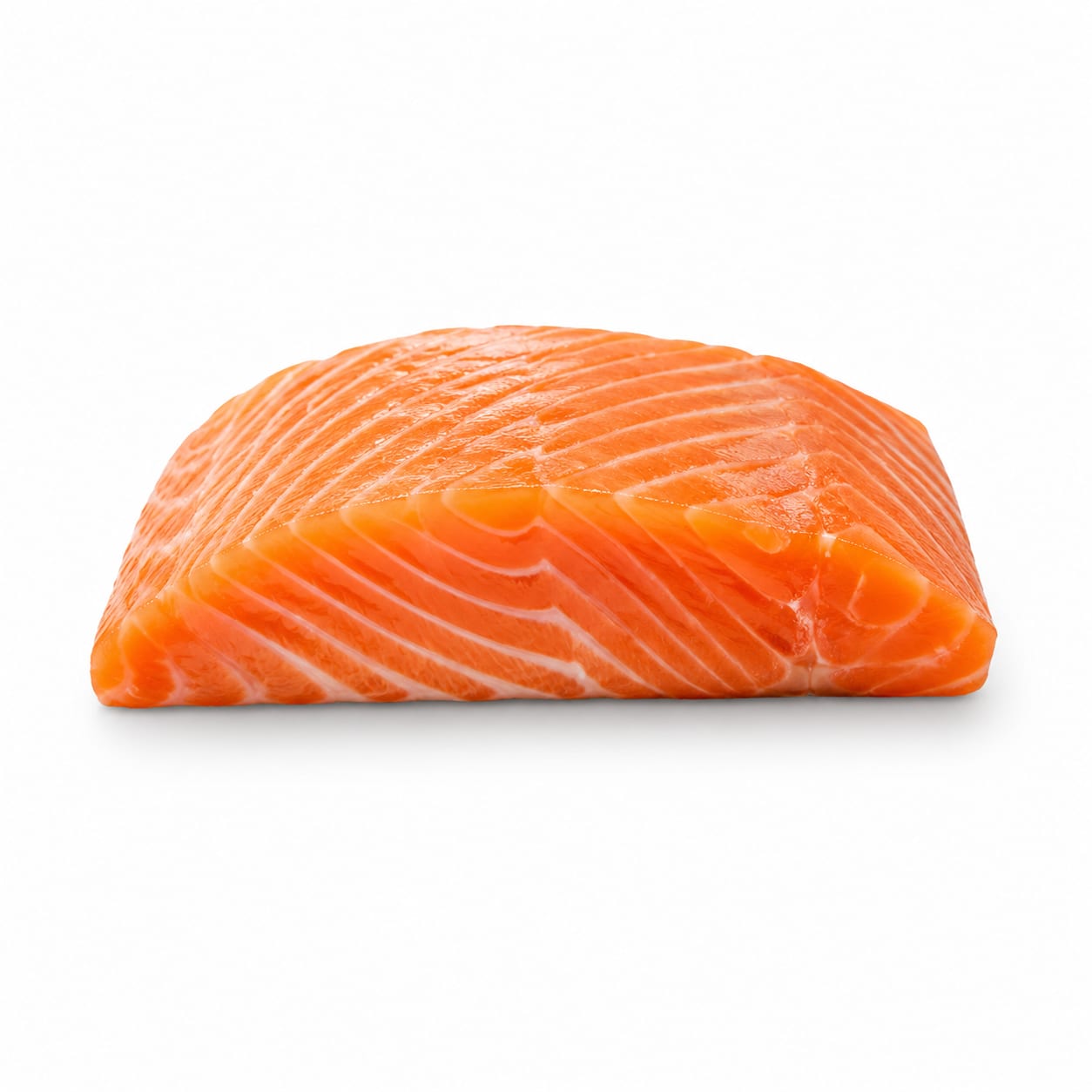
Salmon
Salmon dominates for omega-3s and heart health, while Perch offers a leaner, lower-calorie protein with fewer contaminant concerns.
Salmon scores higher due to its exceptional omega-3 content and broad health benefits, but Perch remains a strong choice for lean protein and lower contaminant risk.
Rich, healthy fats and higher calories in Salmon versus lean, mild, and cleaner protein in Perch.
At a glance
Executive summary
Overall
It depends
Healthier
Salmon
More practical
Salmon
Daily use
Perch
Key comparison lenses
Omega-3 fatty acid intake and heart health
Salmon is famous for its omega-3 content, while Perch is a lean white fish with minimal fat.
Mercury and contaminant exposure
Fatty fish store more toxins, making safety a key differentiator between these two.
Calorie density and weight management
The fat content difference significantly impacts calorie counts and diet suitability.
Meal satiety and satisfaction
Fat plays a huge role in how full you feel after eating fish.
Best choice for
Perch
- Low-calorie diets
- Frequent fish eaters watching mercury
- Mild fish lovers
Salmon
- Heart health optimization
- Omega-3 supplementation through food
- Keto or high-fat diets
Least suitable for
Perch
- Those needing omega-3 boosts
- High-calorie needs
Salmon
- Strict low-fat diets
- People avoiding strong fish flavors
Deep comparison
Dimension by dimension
Each lens scores both foods and breaks down who each option suits.
- Dimension 1 · Priority 95Salmon
Omega-3 & Heart Health
Perch · 25Salmon · 98Salmon is one of the richest sources of omega-3s, while Perch provides very little.
Tradeoff
You trade the profound anti-inflammatory benefits of Salmon's fat for a leaner, lighter profile in Perch.
Why it matters
Omega-3s are critical for heart and brain health, and most people do not get enough.
Real-world impact
Eating Salmon twice a week can meaningfully improve cardiovascular markers; Perch will not move the needle on omega-3s.
Perch
- Keeping meals light and low-fat
Better for
- Boosting omega-3 intake naturally
Worse for
Salmon
- Reducing systemic inflammation
- Supporting brain function
- Lowering triglycerides
Better for
- Keeping fat macros low
Worse for
- Dimension 2 · Priority 80Perch
Calorie Density & Leanness
Perch · 92Salmon · 60Perch is a very lean protein source, making it lower in calories per serving than Salmon.
Tradeoff
Perch keeps calories low but lacks the staying power that Salmon's fat provides.
Why it matters
If you are cutting calories, lean fish helps you stay within limits without sacrificing protein.
Real-world impact
A Perch fillet feels like a light lunch; a Salmon fillet feels like a hearty, filling dinner.
Perch
- Calorie-restricted diets
- Macros favoring high protein and low fat
Better for
- Sustained energy without adding sides
Worse for
Salmon
- Meals that need to keep you full for hours
- Keto or low-carb lifestyles
Better for
- Strict calorie counting or low-fat protocols
Worse for
- Dimension 3 · Priority 85Perch
Contaminant & Mercury Safety
Perch · 88Salmon · 70Perch generally carries lower mercury levels and fewer fat-soluble pollutants than Salmon.
Tradeoff
Salmon's high fat content means it stores more environmental toxins like PCBs, especially if farmed.
Why it matters
Frequent consumption of contaminated fish can negate some of the health benefits over time.
Real-world impact
You can eat Perch more often without worrying about heavy metal buildup, whereas Salmon should be limited to a few times a week.
Perch
- Pregnant women seeking safe fish
- Very frequent fish consumers
Better for
- Those looking for nutrient density per bite
Worse for
Salmon
- Getting maximum nutrient density in limited servings
Better for
- Minimizing exposure to fat-soluble ocean pollutants
Worse for
- Dimension 4 · Priority 75Salmon
Satiety & Meal Satisfaction
Perch · 65Salmon · 90Salmon's healthy fats make it far more filling and satisfying than lean Perch.
Tradeoff
Perch digests quickly and may leave you hungry sooner, while Salmon provides long-lasting satiety.
Why it matters
Staying full between meals helps prevent snacking and overeating.
Real-world impact
A Salmon dinner will likely keep you full until morning; Perch might have you reaching for a snack later.
Perch
- Light pre-workout meals
- Small appetites
Better for
- Going long stretches without eating
Worse for
Salmon
- Preventing late-night snacking
- Post-workout recovery meals
Better for
- Eating right before bed when you want something light
Worse for
Timeline
Health impact over time
Short-term
Hours to days
Perch
- Light, non-sluggish feeling after eating
- Quick-digesting protein for muscle repair
Salmon
- High satiety and reduced cravings
- Feeling comfortably full for hours
Long-term
Months to years
Perch
- Easier weight maintenance due to low calories
- Lower risk of heavy metal accumulation
Salmon
- Significantly reduced cardiovascular risk
- Better cognitive aging from omega-3s
Risk profile
Safety & processing
Both are whole, natural foods. However, farmed Salmon is sometimes treated with artificial dyes to achieve the pink color, whereas Perch is almost always sold wild and unaltered.
Perch
Mercury
lowPerch is a smaller fish, generally accumulating minimal mercury, making it safe for frequent consumption.
Parasites
mediumLike all freshwater fish, wild Perch can carry parasites and should be cooked thoroughly.
Salmon
PCBs and Dioxins
mediumFarmed Salmon can contain higher levels of industrial pollutants stored in its fat.
Mercury
mediumSalmon has moderate mercury levels; safe in moderation but not recommended as a daily staple for pregnant women.
Who wins for whom
Audience fit
Same foods, different winners depending on your goal.
children
PerchLower mercury and contaminant levels make Perch a safer choice for developing bodies, though Salmon is fine in moderation.
daily consumption
PerchLower contaminant load allows Perch to be eaten more frequently than Salmon without heavy metal concerns.
diabetes
SalmonThe healthy fats in Salmon slow digestion and stabilize blood sugar better than lean Perch alone.
elderly
SalmonThe omega-3s in Salmon are highly protective against cognitive decline and joint inflammation in aging.
muscle gain
SalmonSalmon offers more calories and anti-inflammatory omega-3s, which support intense training and recovery.
weight loss
PerchPerch provides high protein with minimal calories and fat, making it easier to maintain a calorie deficit.
Your move
Decision guide
Choose Perch
- You are counting calories or tracking macros closely
- You eat fish very frequently and worry about mercury
- You prefer a mild, non-fishy flavor
Choose Salmon
- You want to boost your omega-3 intake for heart or brain health
- You need a meal that keeps you full for hours
- You follow a keto, paleo, or low-carb diet
Either works if
- You simply want a high-quality whole-food protein source
- You are rotating your protein sources for a balanced diet
Avoid both if
- You have a severe fish or seafood allergy
Final recommendation
Make Salmon your go-to for 2-3 meals a week to hit your omega-3 targets, and use Perch on other days when you want lean protein without the heavy metal load.
Practical
Consumer tips
- 1
Choose wild-caught Salmon over farmed when possible to reduce exposure to PCBs and artificial dyes.
- 2
Pair Perch with a healthy fat source like olive oil or avocado to boost satiety and nutrient absorption.
- 3
Look for ocean perch over lake perch if you want to further minimize any parasite risk.
- 4
Freeze Salmon before eating raw to kill potential parasites.