
Nutrition comparison
Perch vs Haddock: Which White Fish Is Better for You?
Compare perch and haddock nutrition, mercury levels, protein content, and taste. Find out which lean white fish fits your health goals and cooking style better.
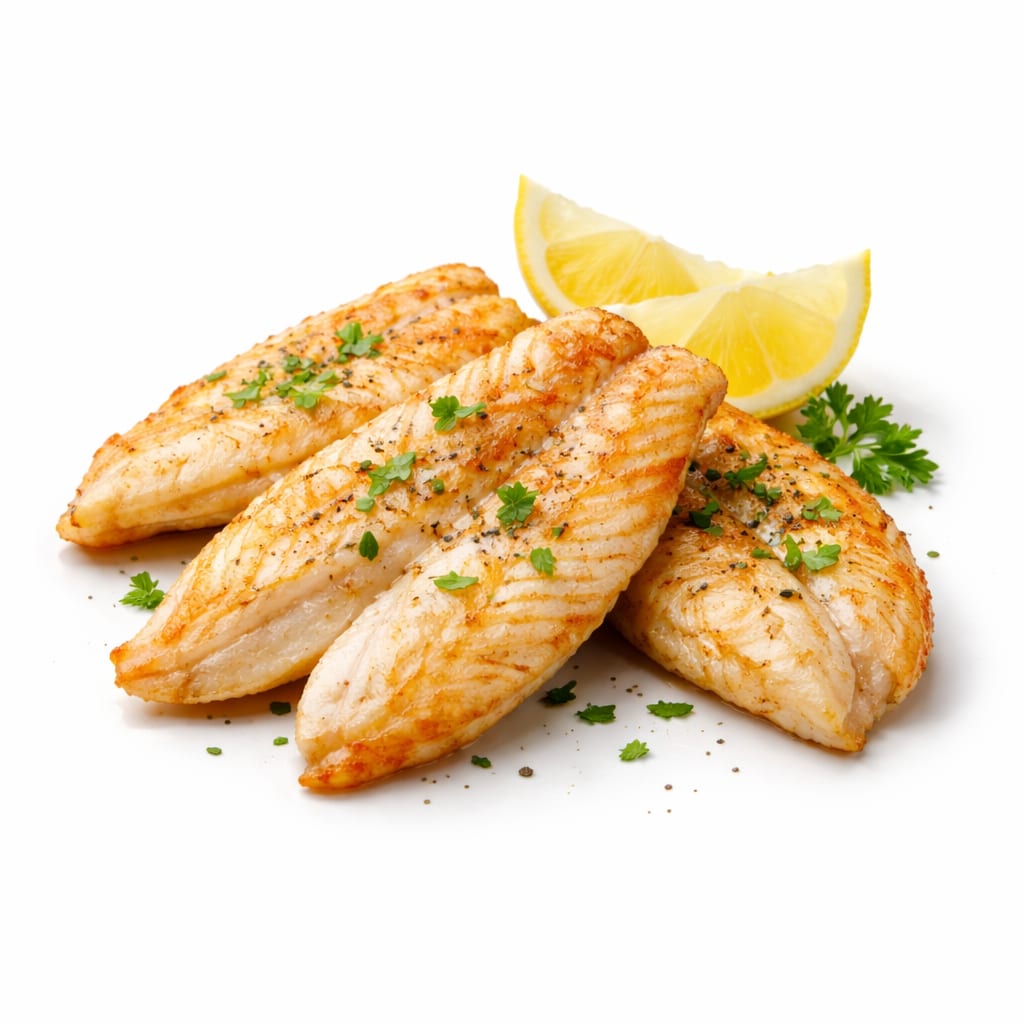
Perch
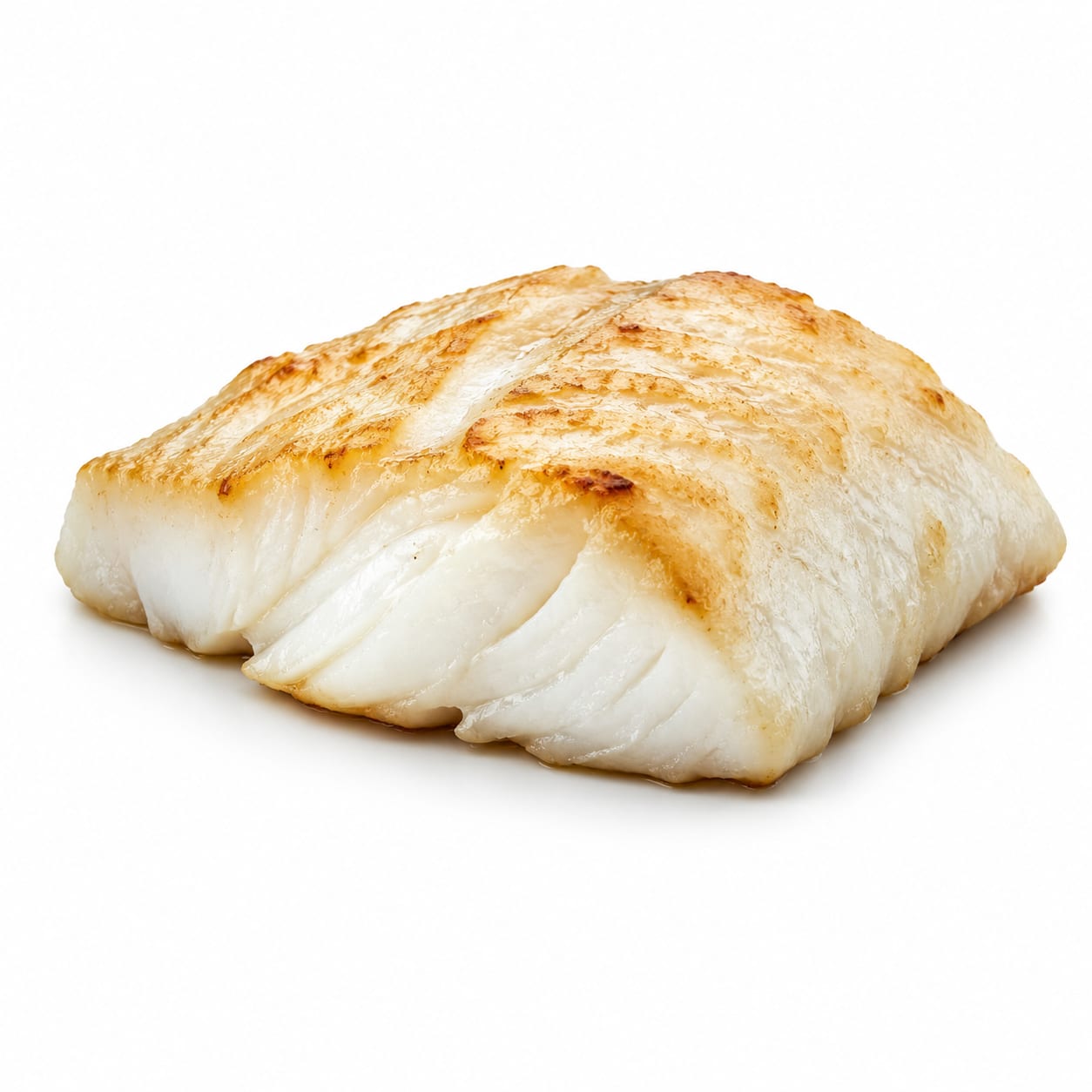
Haddock
Perch offers slightly more protein and firmer texture, while haddock delivers more B vitamins and broader availability. Both are excellent lean fish choices.
Haddock edges ahead slightly due to better nutrient diversity and widespread availability, but Perch holds its own with higher protein density and lower contaminant exposure. The gap is small because both are solid lean fish choices.
Perch wins on protein density and cooking versatility; haddock wins on nutrient breadth and easier sourcing at most grocery stores.
At a glance
Executive summary
Overall
It depends
Healthier
It depends
More practical
Haddock
Daily use
Haddock
Key comparison lenses
choosing a lean white fish for regular meals
Both are mild, lean white fish often swapped in recipes, so users want to know which serves them better day-to-day
mercury and contaminant safety for frequent fish consumption
Safety is a top concern when eating fish multiple times per week, and these species differ in habitat and exposure profiles
maximizing protein and nutrients per calorie
Both fish appeal to health-conscious eaters looking for high-protein, low-calorie options
sustainability and environmental impact
Perch and haddock come from different fisheries with varying sustainability ratings that conscious consumers care about
Best choice for
Perch
- Those wanting maximum protein per bite
- Home cooks who prefer pan-frying or grilling firm fillets
- People seeking very low mercury fish from freshwater sources
- Anyone bored with typical grocery store fish options
Haddock
- Those prioritizing B12 and selenium intake
- Busy shoppers who want reliable fish availability
- Families wanting a milder, more kid-friendly flavor
- People following heart-healthy diets with proven seafood track records
Least suitable for
Perch
- Those who need easy weeknight fish without specialty shopping
- Anyone avoiding freshwater fish due to local water quality concerns
- People who prefer delicate, flaky textures over firm fillets
Haddock
- Those avoiding Atlantic fisheries due to sustainability concerns
- Anyone sensitive to slightly higher sodium levels in saltwater fish
- People who dislike the softer texture that can fall apart during cooking
Deep comparison
Dimension by dimension
Each lens scores both foods and breaks down who each option suits.
- Dimension 1 · Priority 90Perch
Protein Density and Quality
Perch · 85Haddock · 78Perch delivers slightly more protein per serving with a firm texture that feels more substantial on the plate.
Tradeoff
Haddock still provides solid protein but has slightly less per calorie, making it marginally less efficient for protein-focused meals.
Why it matters
If you are eating fish primarily for muscle maintenance or satiety, that extra protein per bite adds up over the week.
Real-world impact
A perch fillet leaves you feeling slightly more satisfied after dinner, reducing the urge to snack later.
Perch
- Post-workout meals where protein density matters
- Anyone tracking macros closely
- Older adults preserving muscle mass
Better for
- Very low-calorie diets where every gram is scrutinized for micronutrient breadth
Worse for
Haddock
- Light lunches where you want protein without feeling heavy
- Meals paired with other protein sources
Better for
- Body composition phases needing maximum protein efficiency
Worse for
- Dimension 2 · Priority 85Haddock
Vitamin and Mineral Profile
Perch · 68Haddock · 84Haddock is notably richer in B12, selenium, and phosphorus, giving it a stronger micronutrient profile overall.
Tradeoff
Perch still provides decent nutrition but lacks the B12 punch that makes haddock particularly valuable for nerve health and energy.
Why it matters
B12 deficiency is common, especially in older adults and plant-leaning eaters. Haddock helps close that gap more effectively.
Real-world impact
Eating haddock twice a week meaningfully contributes to your B12 needs, while perch requires you to find B12 elsewhere.
Perch
- Those already getting plenty of B12 from eggs or dairy
- Anyone focused primarily on selenium from a variety of sources
Better for
- Those counting on fish as their main B12 source
Worse for
Haddock
- Older adults at risk for B12 deficiency
- Pescatarians who rely on fish as a primary B12 source
- Anyone wanting broader nutrient coverage from fewer supplements
Better for
- People already meeting B12 needs who want different mineral diversity
Worse for
- Dimension 3 · Priority 88Perch
Contaminant and Mercury Safety
Perch · 86Haddock · 76Perch generally carries lower mercury and fewer contaminant concerns, especially when sourced from clean freshwater systems.
Tradeoff
Haddock is still a low-mercury saltwater fish, but Atlantic fisheries can carry slightly higher contaminant loads depending on sourcing.
Why it matters
If you eat fish 3+ times per week, cumulative mercury exposure matters even with low-mercury species.
Real-world impact
Families eating fish frequently can feel more comfortable with perch as a regular rotation choice, especially for children.
Perch
- Pregnant women being cautious about mercury
- Children eating fish regularly
- Anyone eating fish more than three times weekly
Better for
- Anyone buying perch from unknown or polluted freshwater sources
Worse for
Haddock
- Those sourcing from well-managed Atlantic fisheries with strong testing
- Occasional fish eaters for whom cumulative exposure is minimal
Better for
- Heavy fish consumers concerned about long-term bioaccumulation
Worse for
- Dimension 4 · Priority 78Perch
Cooking Versatility and Texture
Perch · 82Haddock · 74Perch has a firmer texture that holds up beautifully to pan-frying, grilling, and breading without falling apart.
Tradeoff
Haddock's softer, flakier texture is lovely for baking and chowders but can break apart with aggressive cooking methods.
Why it matters
If you enjoy cooking fish multiple ways, a firmer fillet gives you more options and fewer ruined dinners.
Real-world impact
Perch lets you confidently sear, grill, or bread fillets. Haddock requires gentler handling to keep pieces intact.
Perch
- Home cooks who love pan-frying or grilling fish
- Anyone making fish tacos or sandwiches where structural integrity matters
- Those who bread and fry fish at home
Better for
- Those wanting fish that melts into soups and stews
Worse for
Haddock
- Chowder and stew lovers wanting flaky fish that breaks into broth
- Baked fish preparations where tenderness is prized
- Steamed fish dishes where delicacy is the goal
Better for
- Anyone frustrated by fillets falling apart in the pan
Worse for
- Dimension 5 · Priority 82Haddock
Availability and Practicality
Perch · 58Haddock · 88Haddock is one of the most widely available white fish in North American and European grocery stores and restaurants.
Tradeoff
Perch can be harder to find fresh, often requiring specialty fish markets or regional access, especially outside the Great Lakes area.
Why it matters
The healthiest fish is the one you actually buy and cook. Availability often determines what ends up on your plate.
Real-world impact
You can find haddock at nearly any supermarket. Perch might require a special trip or frozen options, which adds friction.
Perch
- Those living near Great Lakes or European freshwater fisheries
- Anyone who enjoys seeking out specialty ingredients
Better for
- Those without access to specialty fish markets
- Anyone living in regions where perch is rarely stocked
Worse for
Haddock
- Busy weeknight cooks who shop at standard grocery stores
- Anyone who wants fish they can find anywhere, anytime
- Travelers who eat fish at restaurants and want familiar options
Better for
- Those in areas where Atlantic fish supply is inconsistent
Worse for
- Dimension 6 · Priority 72It depends
Sustainability and Environmental Impact
Perch · 70Haddock · 72Both fish have mixed sustainability profiles depending on source, though well-managed haddock fisheries have shown strong recovery.
Tradeoff
Overfished perch populations in some regions contrast with well-managed Atlantic haddock, but farmed perch can be quite sustainable.
Why it matters
Choosing sustainably sourced fish protects future supply and reduces environmental guilt around regular consumption.
Real-world impact
Looking for MSC certification matters more than choosing between the two species. Either can be responsible or problematic depending on source.
Perch
- Those with access to sustainably farmed perch
- Anyone buying from well-managed Great Lakes fisheries
Better for
- Anyone buying perch without knowing the source fishery
Worse for
Haddock
- Those choosing MSC-certified Atlantic haddock
- Consumers who trust recovered New England fishery management
Better for
- Those concerned about bottom-trawling bycatch in Atlantic fisheries
Worse for
Timeline
Health impact over time
Short-term
Hours to days
Perch
- High protein content promotes steady satiety without heaviness
- Lean profile makes it easy to digest without feeling sluggish
- Firm texture feels satisfying and meal-like rather than insubstantial
Haddock
- B12 content supports energy levels and mental clarity after eating
- Light flaky texture feels gentle on the stomach
- Low calorie density allows generous portions without discomfort
Long-term
Months to years
Perch
- Consistent low-mercury protein source supports muscle maintenance with minimal contaminant risk
- Lower sodium load from freshwater habitat benefits blood pressure over time
- Regular lean protein intake helps maintain healthy body composition
Haddock
- Strong B12 contribution supports nerve health and cognitive function as you age
- Selenium content plays a role in thyroid and immune system resilience
- Well-documented heart health benefits from regular white fish consumption
Risk profile
Safety & processing
Both perch and haddock are typically sold as fresh or frozen whole fillets with minimal processing. The main concern is frozen products with added sodium solutions or breading, which applies to both equally. When buying plain fillets, you are getting close to nature with either choice.
Perch
Freshwater contaminant exposure
mediumPerch from polluted lakes or rivers can carry PCBs or agricultural runoff. Source matters significantly. Great Lakes perch from clean areas test well, but unknown sources carry uncertainty.
Parasite risk in wild-caught freshwater fish
lowProper cooking and freezing eliminate this concern, but raw preparations are riskier with freshwater fish than saltwater species.
Haddock
Mercury accumulation in Atlantic fisheries
lowHaddock is classified as a low-mercury fish, but regular consumers should still vary their seafood choices to minimize cumulative exposure.
Sodium content in saltwater fish
lowNaturally higher sodium than freshwater fish, which matters for those on strict low-sodium diets, though the difference is modest.
Bycatch and bottom-trawling concerns
mediumSome haddock is caught using methods that damage ocean floor habitats. Choosing MSC-certified products mitigates this concern.
Who wins for whom
Audience fit
Same foods, different winners depending on your goal.
children
PerchLower mercury levels make perch slightly safer for developing bodies, and the firmer texture is easier for small hands to hold. Haddock's milder flavor may appeal more to picky eaters though.
daily consumption
HaddockHaddock's wider availability, broader nutrient profile, and established place in heart-healthy diets make it easier to eat regularly without sourcing challenges.
diabetes
It dependsBoth fish have zero carbohydrates and minimal impact on blood sugar. Haddock's B12 content supports nerve health relevant to diabetic neuropathy, while perch's protein density aids satiety without glucose spikes.
elderly
HaddockHaddock's superior B12 content addresses a common deficiency in older adults, and its softer texture is easier to chew and swallow for those with dental concerns.
muscle gain
PerchPerch provides slightly more protein per serving, making it marginally more efficient for muscle-building meals, though both should be paired with other protein sources for serious gains.
weight loss
It dependsBoth are extremely lean and low-calorie. Perch offers slightly more protein per calorie for satiety, while haddock's flaky texture in smaller portions feels satisfying. The difference is negligible for weight loss.
Your move
Decision guide
Choose Perch
- You want maximum protein per serving from your fish
- You have access to high-quality, sustainably sourced perch
- You enjoy pan-frying, grilling, or breading fish at home
- You eat fish frequently and want to minimize cumulative mercury exposure
- You prefer a firmer, meatier texture in your fillets
Choose Haddock
- You want reliable availability at any grocery store
- You prioritize B12 and selenium intake from food sources
- You prefer delicate, flaky fish for baking or chowders
- You want a milder flavor that appeals to fish-hesitant eaters
- You are following a heart-healthy Mediterranean-style eating pattern
Either works if
- You simply want a lean, healthy protein source for dinner
- You are rotating through multiple fish types each week
- You are cooking for someone who enjoys mild white fish regardless of species
- Both are available fresh at comparable prices
Avoid both if
- You have a fish allergy or severe seafood sensitivity
- You require high omega-3 intake and need oilier fish like salmon or sardines instead
- You only eat plant-based proteins
- You are looking for fish with bold, distinctive flavor rather than mild white fish
Final recommendation
Let availability and cooking method guide your choice. If you find fresh perch from a trusted source and want to pan-fry or grill, grab it for the superior texture and protein. If you need something reliable for Tuesday night baking that covers your B12 needs, haddock is your friend. Both are far better choices than most protein options on your plate. Just vary your fish weekly rather than eating either one exclusively.
Practical
Consumer tips
- 1
Look for MSC certification on haddock packaging to ensure sustainable sourcing
- 2
Ask your fish counter where perch comes from — Great Lakes and European sources tend to be better managed
- 3
Buy frozen fillets with no added sodium solution; check the ingredient list for just 'fish'
- 4
Thaw frozen fillets in the refrigerator overnight rather than microwaving for better texture with both fish
- 5
If perch is unavailable, haddock makes an easy substitute in any recipe, though adjust cooking gentleness for the softer texture
- 6
Pair either fish with roasted vegetables and a whole grain for a complete, satisfying meal without heavy sauces
- 7
Avoid pre-breaded versions of either fish — the sodium and calorie load undermines the natural leanness