
Nutrition comparison
Perch vs Catfish: Nutrition, Safety, and Which Fish to Choose
Compare Perch and Catfish on protein, fat, contaminants, price, and taste. Learn which fish is healthier, which is more affordable, and how to choose between them.
Overall winner · Perch
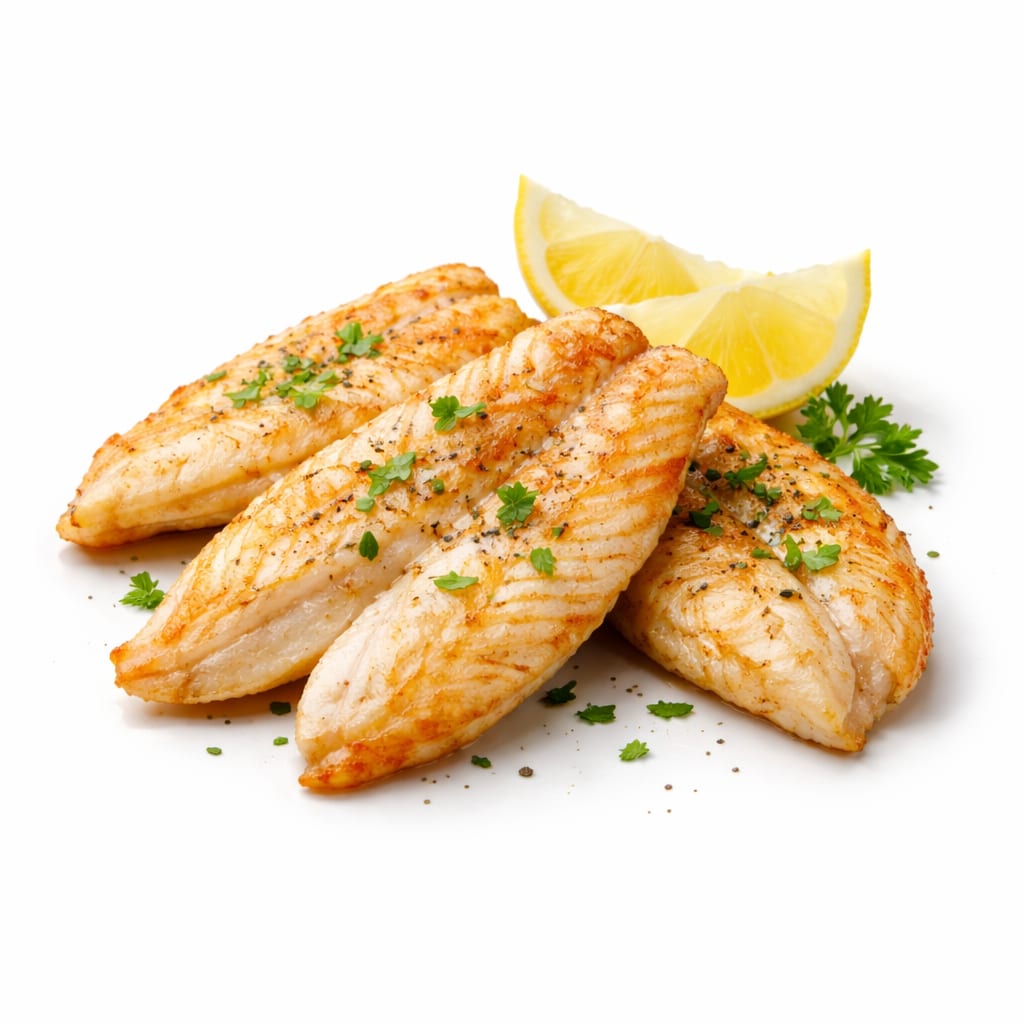
Perch
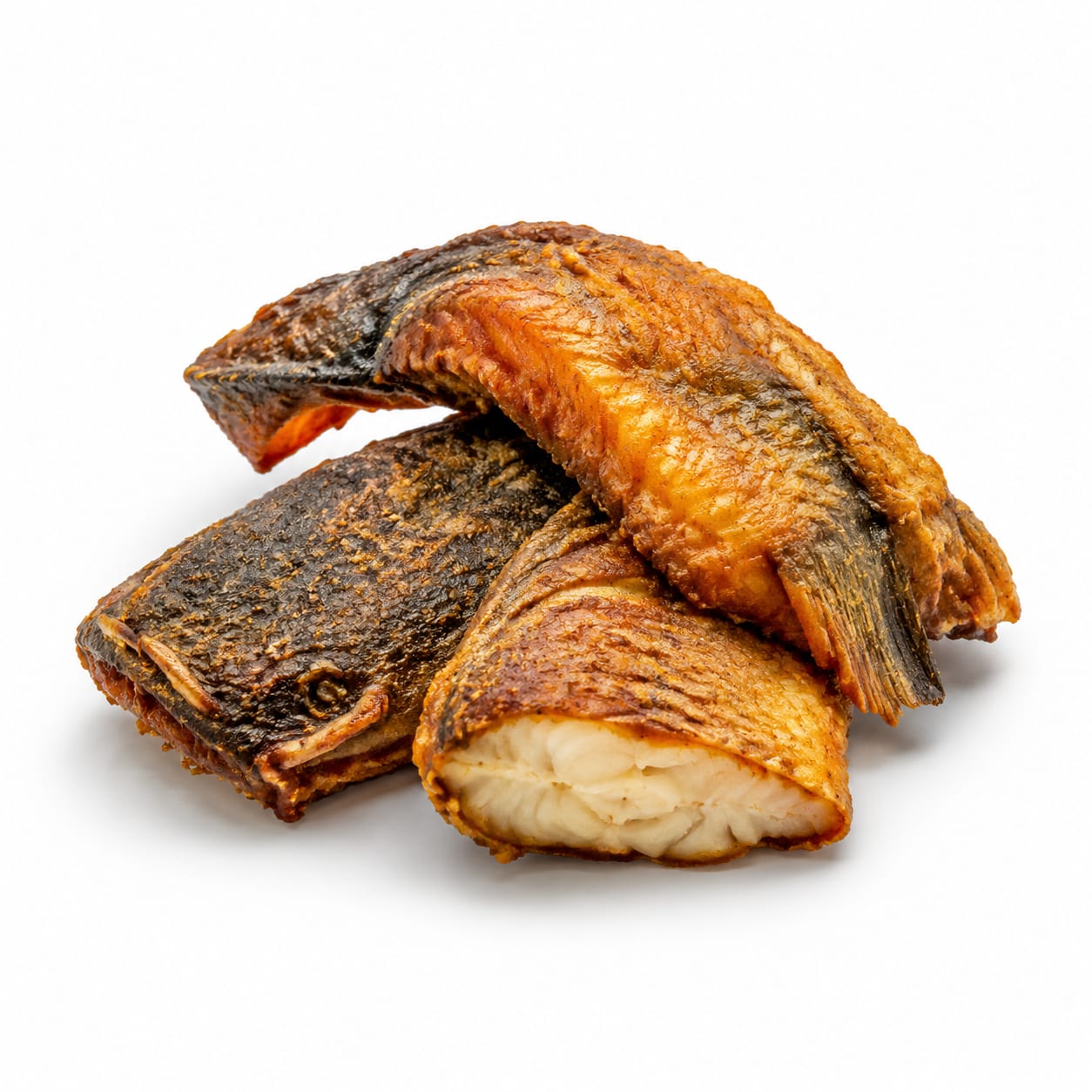
Catfish
Perch wins on nutritional quality and cleanliness, but Catfish wins on affordability and everyday practicality.
Perch scores higher due to superior leanness and cleaner safety profile, but Catfish remains competitive through affordability and practicality. The gap reflects nutritional edge versus real-world convenience.
Leaner, cleaner fish versus cheaper, more available, more versatile fish with higher fat content.
At a glance
Executive summary
Overall
Perch
Healthier
Perch
More practical
Catfish
Daily use
It depends
Key comparison lenses
lean protein comparison
Perch is notably leaner than Catfish, making protein-to-calorie ratio a key decision factor
contaminant and safety concerns
Catfish are bottom-feeders often farmed with antibiotic concerns, while Perch generally has cleaner contaminant profiles
fat profile and omega balance
Catfish carries more fat with potentially less favorable omega-6 to omega-3 ratios in farmed varieties
affordability and accessibility
Catfish is significantly cheaper and more widely available, impacting real-world dietary choices
cooking versatility
Catfish holds up better to frying and bold seasonings, while Perch shines in delicate preparations
Best choice for
Perch
- Lean protein seekers watching calories
- People concerned about contaminants and farm-raised fish quality
- Those prioritizing omega-3 to omega-6 balance
- Lighter, more refined meal preparations
Catfish
- Budget-conscious families needing affordable protein
- Southern and comfort food cooking traditions
- People who find lean fish too dry or bland
- Grilling, frying, and heavily seasoned dishes
Least suitable for
Perch
- Tight grocery budgets
- Regions where freshwater fish is hard to source
- People wanting a hearty, filling fish entrée
Catfish
- Those strictly managing omega-6 intake
- People avoiding farmed seafood
- Anyone concerned about antibiotic residues in aquaculture
Deep comparison
Dimension by dimension
Each lens scores both foods and breaks down who each option suits.
- Dimension 1 · Priority 90Perch
Protein Quality and Density
Perch · 85Catfish · 75Perch delivers more protein per calorie thanks to its lean profile, while Catfish provides solid protein but with more fat tagging along.
Tradeoff
Perch gives you cleaner protein numbers, but Catfish's fat content makes it more filling and satisfying per serving.
Why it matters
If you are tracking macros or calories, Perch makes hitting protein targets easier without overshooting fat.
Real-world impact
A 6oz Perch fillet gets you roughly 35g protein with under 3g fat. The same Catfish portion hits similar protein but carries 10-15g fat.
Perch
- Macro trackers and calorie counters
- Post-workout meals where lean protein is preferred
Better for
- People needing higher calorie intake to maintain weight
Worse for
Catfish
- Those who find lean fish unsatisfying and end up overeating later
Better for
- Anyone on a strict low-fat diet plan
Worse for
- Dimension 2 · Priority 85Perch
Fat Profile and Omega Balance
Perch · 80Catfish · 60Perch has minimal fat with a decent omega-3 presence. Farmed Catfish often carries more omega-6 from corn and soy feed, skewing the ratio unfavorably.
Tradeoff
Catfish provides more total omega-3 in absolute terms due to higher fat content, but the omega-6 load can offset anti-inflammatory benefits.
Why it matters
A skewed omega-6 to omega-3 ratio promotes inflammation. Farmed Catfish typically lands around 4:1 or worse, while Perch stays closer to 1:1.
Real-world impact
Eating farmed Catfish regularly without balancing omega-3s elsewhere may quietly contribute to chronic low-grade inflammation.
Perch
- People managing inflammatory conditions
- Those not supplementing omega-3s elsewhere
Better for
- Those needing higher caloric intake from healthy fats
Worse for
Catfish
- Anyone whose diet is already omega-3 rich from other sources
Better for
- People already consuming excessive omega-6 from seed oils and processed foods
Worse for
- Dimension 3 · Priority 88Perch
Contaminant and Safety Profile
Perch · 82Catfish · 58Perch generally carries fewer contamination concerns. Farmed Catfish raises questions about antibiotics, pesticide residues in feed, and water quality standards.
Tradeoff
Wild-caught Catfish can have higher mercury and pollutant levels from bottom-feeding habits, while farmed Catfish trades environmental mercury for aquaculture chemical concerns.
Why it matters
Bottom-feeders accumulate more environmental toxins. Farmed operations vary wildly in quality, and imported Catfish has less regulatory oversight.
Real-world impact
US farm-raised Catfish is reasonably regulated, but imported varieties often bypass similar safety standards. Always check country of origin.
Perch
- Pregnant women and children needing cleaner seafood options
- Anyone eating fish multiple times per week
Better for
- Not applicable — Perch has clear safety advantages
Worse for
Catfish
- Those who verify sourcing and buy US farm-raised with certifications
Better for
- Frequent fish eaters accumulating contaminants over time
- Pregnant women eating imported Catfish of unknown origin
Worse for
- Dimension 4 · Priority 78Catfish
Affordability and Accessibility
Perch · 45Catfish · 88Catfish is one of the most affordable fish proteins available, especially in the US South and Midwest. Perch is pricier and harder to find outside specialty markets.
Tradeoff
You pay more for Perch's leanness and cleaner profile, while Catfish delivers solid nutrition per dollar spent.
Why it matters
The best fish nutritionally means nothing if it is not accessible or affordable for regular meals.
Real-world impact
Catfish often runs $4-7 per pound versus $12-20 for Perch. For a family of four eating fish twice weekly, that difference compounds fast.
Perch
- Those with flexible food budgets prioritizing quality
Better for
- Budget-limited households
- Rural areas with limited fresh fish selection
Worse for
Catfish
- Families feeding multiple people affordably
- Anyone in regions where Perch is unavailable or extremely expensive
Better for
- Not applicable — Catfish has clear affordability advantages
Worse for
- Dimension 5 · Priority 70Catfish
Cooking Versatility and Satisfaction
Perch · 62Catfish · 80Catfish holds up beautifully to frying, blackening, grilling, and heavy seasoning. Perch is delicate and best with lighter preparations that can feel limiting.
Tradeoff
Perch's delicacy is a virtue in fine cooking but a liability for everyday home cooks wanting forgiving, flavorful fish.
Why it matters
Fish people enjoy cooking and eating gets eaten regularly. Fish that feels fussy or easy to overcook often gets skipped.
Real-world impact
Catfish is nearly impossible to mess up with bold seasonings. Perch can go from perfect to dry in 60 seconds of overcooking.
Perch
- Experienced cooks comfortable with delicate fish
- Elegant dinner parties and refined presentations
Better for
- Impatient cooks or those new to preparing fish
Worse for
Catfish
- Weeknight home cooks wanting easy, forgiving fish
- Fried fish traditions and comfort food meals
Better for
- Those who find fried or heavily seasoned fish unappealing
Worse for
- Dimension 6 · Priority 72Catfish
Satiety and Fullness
Perch · 60Catfish · 78Catfish's higher fat content makes it more filling and satisfying per serving. Perch is lighter and may leave you hungry sooner.
Tradeoff
Perch keeps meals light, which is great for calorie control but poor for staying full. Catfish satisfies longer but at a caloric cost.
Why it matters
Satiety determines whether you stick with your meal plan or find yourself snacking an hour later.
Real-world impact
A Catfish dinner tends to carry you through the evening. A Perch dinner might have you reaching for something else by 9pm.
Perch
- Those preferring lighter dinners
- People who eat frequent small meals
Better for
- People prone to late-night snacking after insufficient dinner
Worse for
Catfish
- Active individuals needing sustained energy
- Anyone who finds lean fish leaves them unsatisfied
Better for
- Those trying to reduce portion sizes without feeling deprived
Worse for
Timeline
Health impact over time
Short-term
Hours to days
Perch
- Light, clean energy without heaviness after eating
- Easy digestion with minimal fat load
- Less post-meal sluggishness compared to richer fish
Catfish
- More sustained fullness after meals
- Higher fat content may slow digestion, which can be comforting or heavy depending on portion
- Richer mouthfeel and satisfaction from fat content
Long-term
Months to years
Perch
- Lower cumulative contaminant exposure with regular consumption
- Better omega-6 to omega-3 ratio supporting anti-inflammatory pathways
- Easier weight management from consistently lower calorie intake
Catfish
- Potential omega-6 excess if farmed Catfish is a frequent protein source without omega-3 balancing
- Affordable consistent protein intake supports muscle maintenance long-term
- Contaminant accumulation risk varies significantly based on sourcing choices
Risk profile
Safety & processing
Both fish are whole foods when sold fresh. However, farmed Catfish may involve antibiotics, colorants, and feed additives that Perch typically avoids. Frozen or pre-breaded Catfish products add further processing concerns.
Perch
Mercury exposure
lowPerch is a smaller predatory fish with relatively low mercury accumulation. Safe for regular consumption including pregnant women in moderate amounts.
Parasite contamination in wild-caught
lowFreshwater fish can carry parasites, but proper cooking eliminates this risk entirely. Freezing before raw preparation is recommended.
Catfish
Antibiotic residues in farmed varieties
mediumFarmed Catfish, especially imported, may be raised with antibiotics. US regulations are stricter, but enforcement varies. Look for domestic sources with certification.
Environmental contaminant accumulation
mediumBottom-feeding habits expose Catfish to sediment-bound pollutants. Wild Catfish from industrial waterways can carry PCBs and heavy metals.
Imported Catfish regulatory gaps
highImported Catfish from Southeast Asia often faces less rigorous inspection than domestic. These may contain residues banned in US aquaculture.
Who wins for whom
Audience fit
Same foods, different winners depending on your goal.
children
PerchLower contaminant burden and leaner profile make Perch safer for developing bodies, though US farm-raised Catfish in moderation is acceptable.
daily consumption
PerchLower contaminant accumulation risk and better fat profile make Perch safer as a frequent protein source, assuming budget allows.
diabetes
PerchBoth are zero-carb, but Perch's lower fat content and better omega profile support insulin sensitivity more favorably.
elderly
It dependsPerch offers cleaner protein for those with slower metabolism. Catfish provides more calories and fat that underweight seniors may actually need.
muscle gain
It dependsBoth provide quality protein. Perch is cleaner per calorie, but Catfish's extra calories can support the surplus needed for bulking.
weight loss
PerchPerch's lean profile delivers high protein with minimal fat calories, making it easier to maintain a caloric deficit without sacrificing protein intake.
Your move
Decision guide
Choose Perch
- You prioritize clean, lean protein and can afford the premium price
- You eat fish 3+ times per week and want to minimize cumulative contaminant exposure
- You are managing inflammation, weight, or metabolic health carefully
- You enjoy delicate fish preparations and are confident cooking them properly
Choose Catfish
- Budget is a primary concern and you need affordable consistent protein
- You love Southern-style cooking, blackened seasoning, or fried fish traditions
- You find lean fish unsatisfying and end up overeating after meals
- You can source US farm-raised Catfish with good certification standards
Either works if
- You eat fish only 1-2 times per week and want variety
- You are generally healthy without specific metabolic concerns
- You rotate protein sources regularly and neither fish will dominate your diet
Avoid both if
- You have a confirmed seafood allergy
- You live in an area where freshwater fish advisories are active due to local water contamination
- You are strictly vegan or vegetarian
Final recommendation
Choose Perch when health optimization and leanness matter most. Choose Catfish when affordability, satisfaction, and cooking ease drive your decisions. If eating Catfish regularly, prioritize US farm-raised with certification and balance your omega-3 intake with other sources like sardines or mackerel.
Practical
Consumer tips
- 1
For Catfish, always check country of origin labeling. US farm-raised is significantly safer than imported varieties.
- 2
If buying frozen Catfish, avoid pre-breaded options which add ultra-processed ingredients and excess sodium.
- 3
Perch cooks fast — pull it from heat just before it looks done, as carryover heat will finish the job.
- 4
Pair Catfish with a side rich in omega-3s like a walnut salad or flaxseed dressing to offset the omega-6 load.
- 5
Wild-caught Perch from clean Great Lakes fisheries offers the best safety and taste profile.
- 6
If sustainability matters to you, US farm-raised Catfish actually scores well on environmental metrics compared to many imported fish options.
- 7
For meal prep, Catfish reheats better than Perch, which can dry out when reheated.