
Nutrition comparison
Pear vs Strawberries: Nutrition, Sugar, and Health Comparison
Compare pears vs strawberries for weight loss, fiber, sugar, and pesticides. Find out which fruit is better for your health goals.
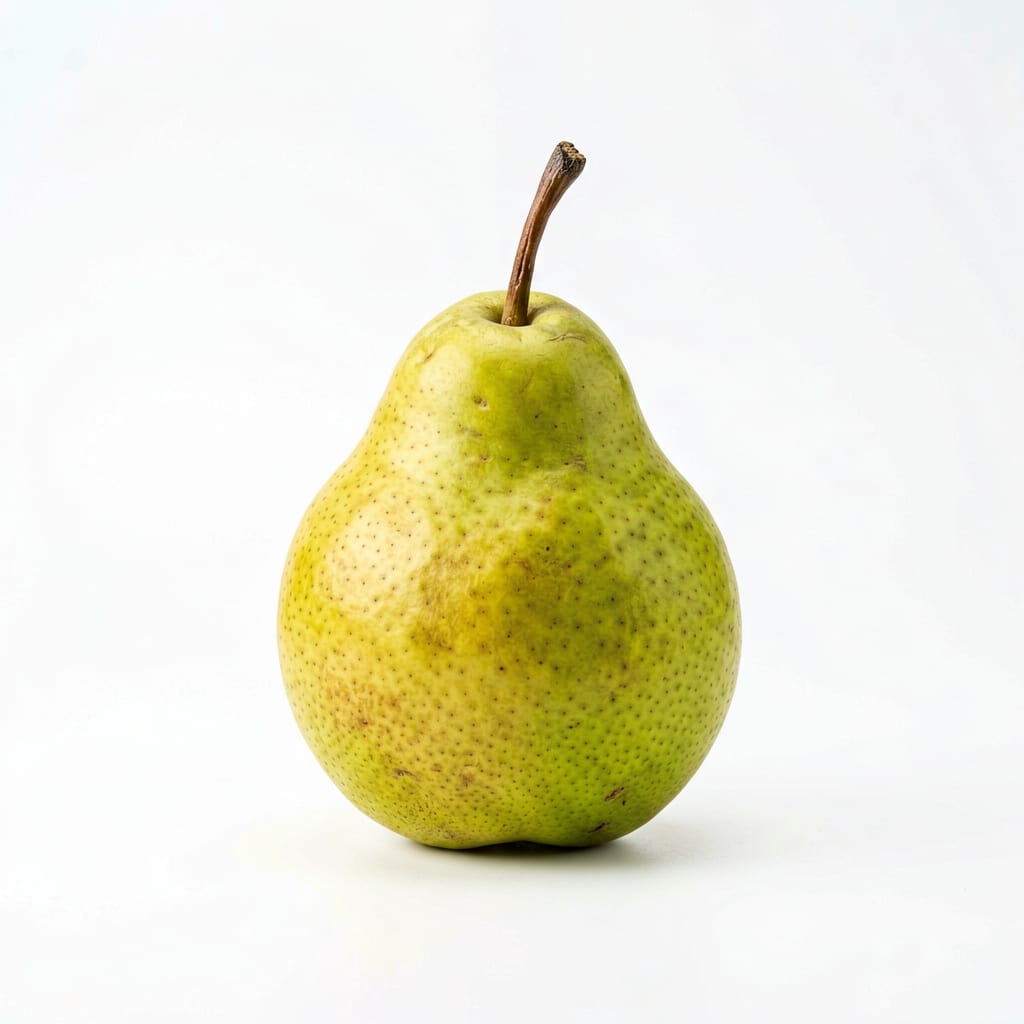
Pear
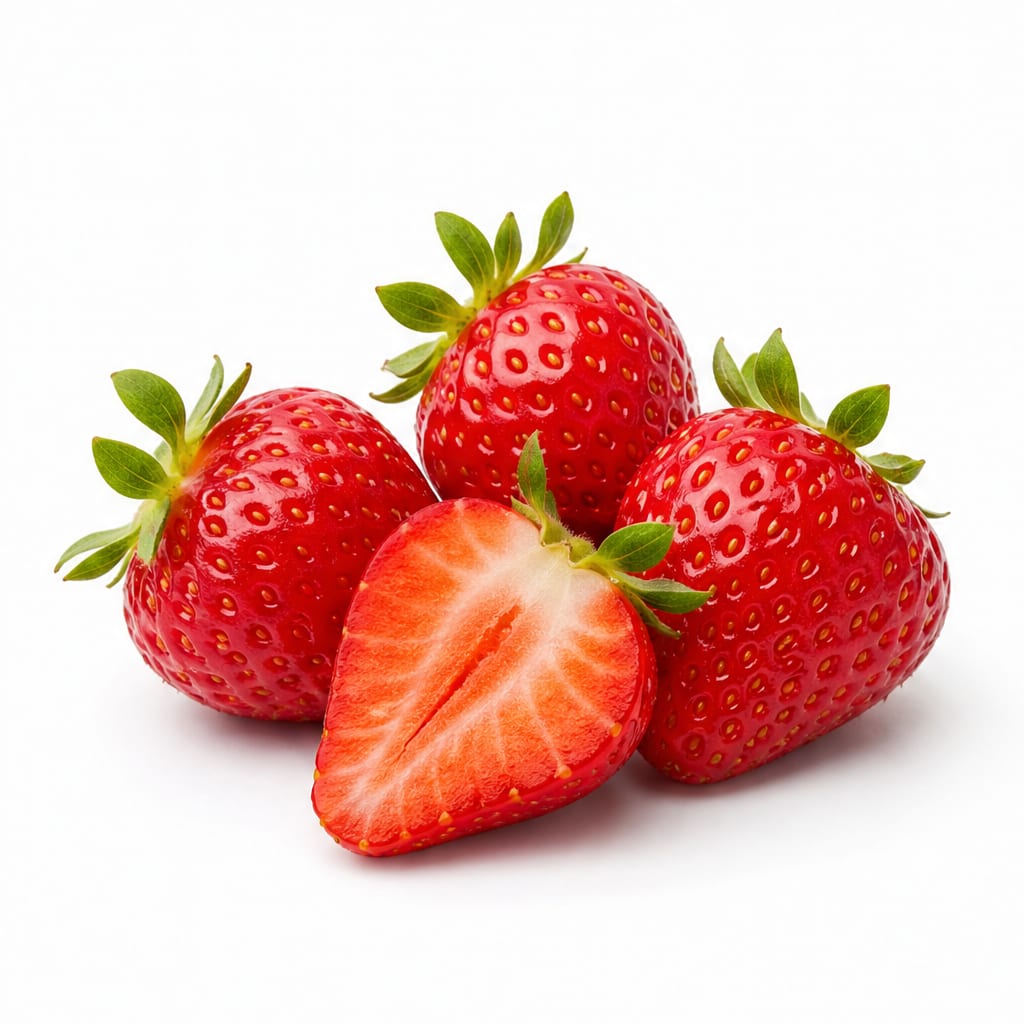
Strawberries
Pears offer more filling fiber, while strawberries deliver a bigger vitamin punch with fewer calories.
Strawberries edge out pears slightly due to lower sugar and higher micronutrient density, but pears remain an excellent high-fiber choice.
Satiety and digestive regularity from pears versus lower sugar and higher antioxidants from strawberries.
At a glance
Executive summary
Overall
It depends
Healthier
It depends
More practical
Strawberries
Daily use
Strawberries
Key comparison lenses
Sugar and calorie load for weight management
Pears are notably higher in sugar and calories than strawberries, which matters for low-carb or calorie-counting diets.
Fiber and digestive satiety
Pears provide a dense source of fiber, making them much more filling than strawberries per serving.
Micronutrient and antioxidant density
Strawberries are packed with vitamin C and anthocyanins, offering a stronger antioxidant punch per calorie.
Pesticide exposure and food safety
Strawberries consistently rank high on the Dirty Dozen list for pesticide residues, while pears are generally lower risk.
Best choice for
Pear
- People needing digestive regularity
- Those wanting a filling afternoon snack
- Anyone looking to increase daily fiber easily
Strawberries
- People watching their sugar intake
- Those needing an immune system boost
- Anyone counting calories
Least suitable for
Pear
- People on strict low-carb or keto diets
- Those sensitive to fructose
Strawberries
- People wanting a dense, filling snack
- Those concerned about pesticide exposure if buying conventional
Deep comparison
Dimension by dimension
Each lens scores both foods and breaks down who each option suits.
- Dimension 1 · Priority 90Pear
Satiety & Fullness
Pear · 85Strawberries · 60Pears are significantly more filling due to their dense fiber content, especially if you eat the skin.
Tradeoff
You get more fullness from a pear, but it also comes with more calories and sugar than strawberries.
Why it matters
A filling snack prevents overeating later, making pears a better bridge between meals.
Real-world impact
Eating a pear at 3 PM is more likely to keep you satisfied until dinner than a handful of strawberries.
Pear
- Curbing afternoon hunger
- Preventing late-night snacking
Better for
- Eating right before a heavy meal
Worse for
Strawberries
- Light post-meal sweetness
- Grazing without overconsuming calories
Better for
- Trying to survive a long gap between meals
Worse for
- Dimension 2 · Priority 85Strawberries
Blood Sugar & Sugar Load
Pear · 65Strawberries · 85Strawberries have much less sugar and a lower glycemic load, making them easier on blood sugar.
Tradeoff
Pears have more fiber to slow sugar absorption, but their total sugar content is still notably higher.
Why it matters
Lower sugar fruits prevent energy crashes and are safer for those monitoring glucose.
Real-world impact
A bowl of strawberries won't cause the mid-morning energy dip that a sweet pear might trigger for sensitive individuals.
Pear
- Providing quick energy for active individuals
Better for
- Those on a strict low-sugar protocol
Worse for
Strawberries
- Managing diabetes or insulin resistance
- Avoiding sugar crashes
Better for
- Endurance athletes needing quick carbs
Worse for
- Dimension 3 · Priority 80Strawberries
Micronutrient Density
Pear · 55Strawberries · 90Strawberries are loaded with Vitamin C and antioxidants, far outpacing pears in immune-supporting nutrients.
Tradeoff
You sacrifice the high fiber of a pear to get a concentrated dose of vitamin C and anthocyanins from strawberries.
Why it matters
Vitamin C is crucial for skin health, immunity, and iron absorption, and strawberries deliver it efficiently.
Real-world impact
Eating strawberries regularly can help you hit your daily vitamin C target without needing supplements.
Pear
- Getting soluble fiber for heart health
Better for
- Relying on it as a primary vitamin C source
Worse for
Strawberries
- Boosting immune function
- Fighting oxidative stress
Better for
- Supporting digestive regularity
Worse for
- Dimension 4 · Priority 75Pear
Pesticide & Safety Concerns
Pear · 70Strawberries · 40Strawberries consistently rank at the top of the EWG's Dirty Dozen for pesticide residues, while pears are generally lower risk.
Tradeoff
Strawberries offer better nutrition but carry a higher risk of chemical exposure if you cannot afford or find organic options.
Why it matters
Pesticide exposure can disrupt hormones and affect gut health over time, making sourcing critical.
Real-world impact
If you are buying conventional produce, pears are a safer bet for your long-term chemical load.
Pear
- Eating conventional produce safely
- Avoiding the Dirty Dozen
Better for
- Missing out on high antioxidant density
Worse for
Strawberries
- Getting maximum antioxidants if organic is available
Better for
- Ingesting higher pesticide residues when buying non-organic
Worse for
Timeline
Health impact over time
Short-term
Hours to days
Pear
- Provides sustained energy from complex carbs
- Promotes a quick bowel movement due to high fiber
Strawberries
- Offers a rapid vitamin C boost
- Satisfies sweet cravings with minimal calorie impact
Long-term
Months to years
Pear
- Supports cardiovascular health via soluble fiber
- Helps maintain healthy cholesterol levels
Strawberries
- Reduces systemic inflammation through anthocyanins
- Supports collagen production and skin elasticity
Risk profile
Safety & processing
Both are whole, raw fruits with no artificial additives when purchased fresh, making them equally natural choices.
Pear
Pesticide residue
mediumNon-organic pears can carry some pesticide residue, though less than berries. Washing thoroughly helps.
Fructose malabsorption
lowPears are high in fructose and sorbitol, which can cause bloating in sensitive individuals.
Strawberries
High pesticide residue
highStrawberries consistently top the EWG Dirty Dozen list. Buying organic is highly recommended.
Mold and spoilage
mediumStrawberries spoil very quickly and can harbor mold, which can cause allergic reactions or upset stomach.
Who wins for whom
Audience fit
Same foods, different winners depending on your goal.
children
StrawberriesKids love the sweet taste and bite-sized nature of strawberries, and the vitamin C supports their developing immune systems.
daily consumption
StrawberriesLower sugar and calorie density make strawberries easier to eat every day without impacting weight goals.
diabetes
StrawberriesStrawberries have a much lower glycemic load and sugar content, making them safer for blood sugar management.
elderly
PearThe high fiber in pears helps combat common digestive sluggishness in older adults, and the soft texture is easy to chew.
muscle gain
It dependsNeither is a primary muscle-building food, but pears offer slightly more carbs for post-workout glycogen replenishment.
weight loss
StrawberriesStrawberries provide massive volume and sweetness for very few calories, making it easier to stay in a deficit.
Your move
Decision guide
Choose Pear
- You struggle with constipation or irregularity
- You need a snack that will actually keep you full for hours
- You are buying conventional produce and want to avoid high pesticide loads
Choose Strawberries
- You are watching your calorie or carbohydrate intake
- You want to boost your immune system and skin health with vitamin C
- You can afford or find organic berries to avoid pesticide concerns
Either works if
- You just want a healthy, whole-food sweet treat
- You are trying to increase your daily fruit intake
Avoid both if
- You are on a strict ketogenic diet
- You have a severe fructose intolerance
Final recommendation
Choose strawberries for daily low-calorie snacking and immune support, but opt for pears when you need serious staying power and digestive regularity. If buying conventional, pears are the safer bet; if buying organic, strawberries are a nutritional powerhouse.
Practical
Consumer tips
- 1
Always buy organic strawberries if possible to avoid heavy pesticide exposure.
- 2
Eat the pear's skin—that is where most of the fiber and antioxidants are concentrated.
- 3
Wash strawberries right before eating, not before storing, to prevent mold and mushiness.
- 4
Pair either fruit with a handful of nuts or a spoonful of nut butter to blunt the sugar spike and increase satiety.