
Nutrition comparison
Pear vs Peach: Which Fruit Is Healthier for You?
Compare pear vs peach nutrition, fiber, sugar, and health benefits. Discover which fruit is better for weight loss, digestion, and blood sugar stability.
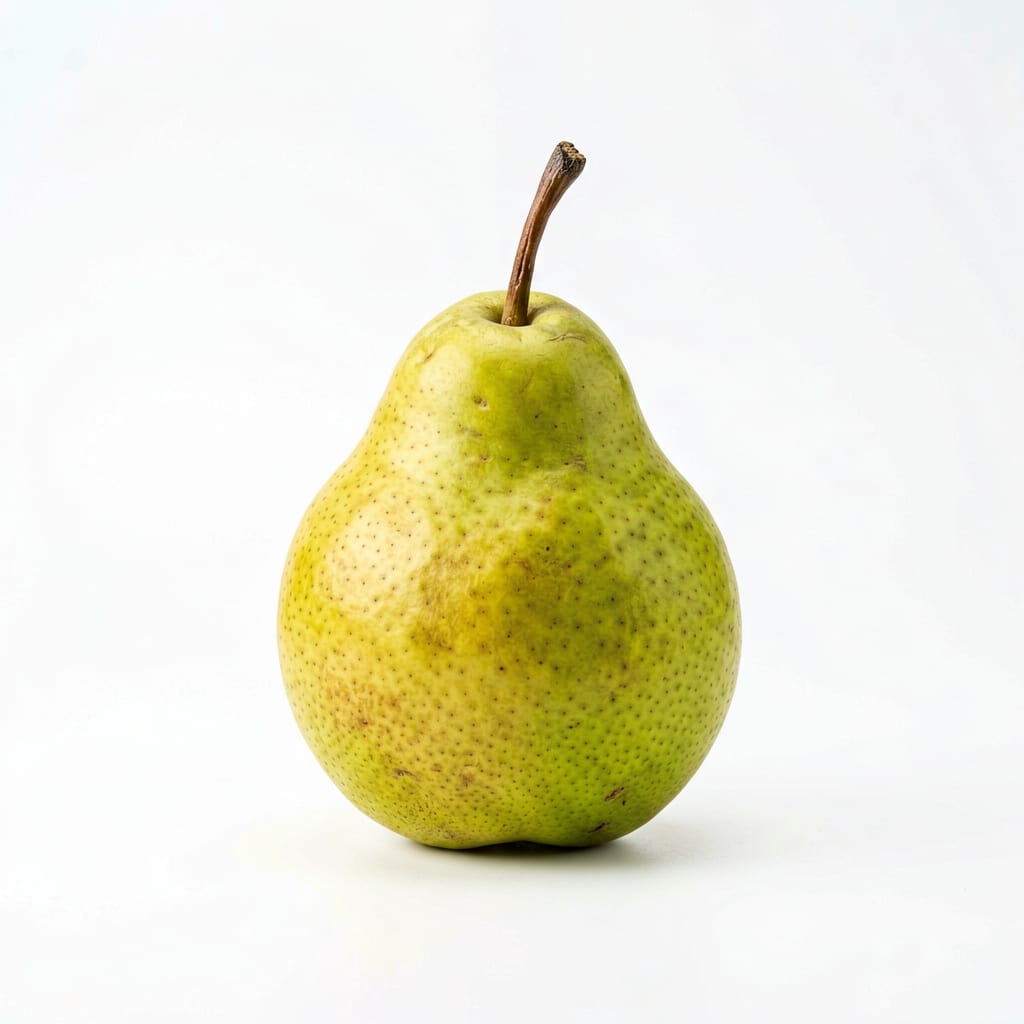
Pear
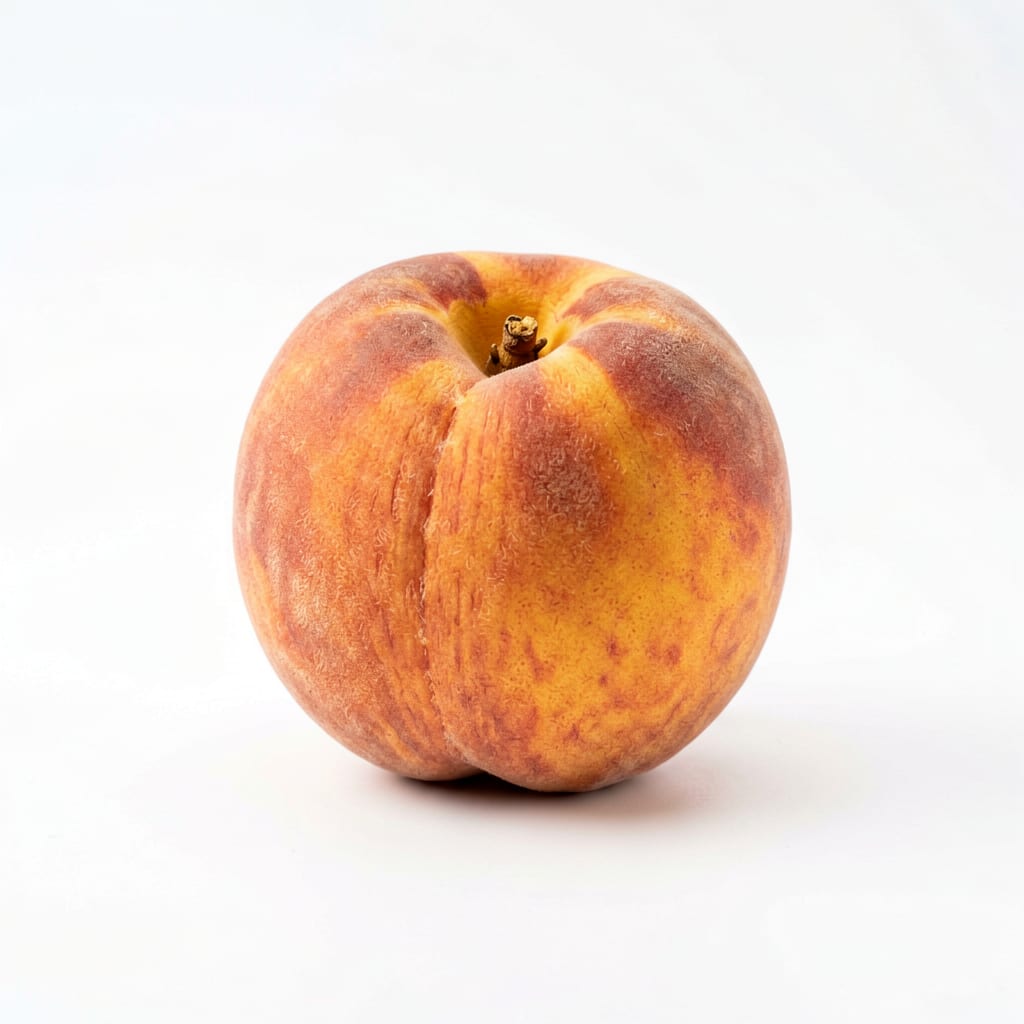
Peach
Pears offer more fiber and steadier energy, while peaches provide fewer calories and a richer boost of skin-supporting vitamins.
Pears edge out slightly due to superior fiber and blood sugar benefits, but peaches are close behind with lower calories and better hydration.
Filling fiber and blood sugar stability from pears versus lower calories and higher vitamin C from peaches.
At a glance
Executive summary
Overall
It depends
Healthier
It depends
More practical
It depends
Daily use
Pear
Key comparison lenses
Digestive health and fiber intake
Pears are significantly higher in fiber, making digestive impact a key differentiator between the two fruits.
Blood sugar management
The difference in glycemic index and fiber content affects how each fruit influences blood sugar stability.
Pesticide exposure and safety
Peaches consistently rank high on the Dirty Dozen list, making pesticide residue a major concern for conventional shoppers.
Low-calorie snacking and weight management
Peaches offer a sweeter, more hydrating experience for fewer calories, appealing to those watching their intake.
Best choice for
Pear
- People wanting better digestion and fullness
- Those managing blood sugar spikes
- Meal prep and snacking on the go
Peach
- Those watching calorie intake closely
- People wanting a hydrating, vitamin C-rich snack
- Kids or elderly who prefer softer textures
Least suitable for
Pear
- People with fructose or sorbitol intolerance
- Those wanting a low-calorie sweet treat
Peach
- People needing a high-fiber snack to stay full
- Those sensitive to high pesticide residue if not organic
Deep comparison
Dimension by dimension
Each lens scores both foods and breaks down who each option suits.
- Dimension 1 · Priority 90Pear
Satiety & Fullness
Pear · 85Peach · 65Pears are significantly more filling due to their high fiber content, keeping hunger at bay longer than peaches.
Tradeoff
You get more staying power with pears, but peaches feel lighter and less heavy in the stomach.
Why it matters
A snack that actually keeps you full prevents overeating later in the day.
Real-world impact
A mid-afternoon pear will likely carry you to dinner, while a peach might leave you hunting for another snack in an hour.
Pear
- Curbing afternoon cravings
- Sustained energy between meals
Better for
- Eating right before a workout due to heaviness
Worse for
Peach
- A light post-meal treat
- Staying refreshed without feeling stuffed
Better for
- Using as a standalone meal replacement
Worse for
- Dimension 2 · Priority 85Pear
Blood Sugar Stability
Pear · 82Peach · 70Pears have a lower glycemic index and more fiber, resulting in a slower, steadier release of sugar into the bloodstream.
Tradeoff
Pears provide more stable energy, while peaches can cause a slightly quicker rise and fall in blood sugar.
Why it matters
Stable blood sugar means fewer energy crashes and less cravings.
Real-world impact
Eating a pear leads to a smoother energy curve, avoiding the quick spike and dip you might feel after a sweet peach.
Pear
- Pre-diabetics managing glucose
- Avoiding the afternoon slump
Better for
- Situations requiring immediate fast energy
Worse for
Peach
- Quick pre-workout energy
Better for
- Those needing strict glycemic control
Worse for
- Dimension 3 · Priority 75Peach
Antioxidant & Micronutrient Profile
Pear · 68Peach · 82Peaches deliver more vitamin C, vitamin A, and beta-carotene, which are great for skin and immune health.
Tradeoff
Peaches offer brighter antioxidant benefits, while pears rely more on their fiber and mineral content like copper and potassium.
Why it matters
Vitamin C is crucial for collagen production and immune defense, and peaches provide a solid dose.
Real-world impact
Choosing peaches helps support skin health and wound healing more effectively than pears.
Pear
- Supporting heart health with potassium
- Maintaining gut flora
Better for
- Relying on it for daily vitamin C needs
Worse for
Peach
- Boosting immune function
- Supporting skin elasticity
Better for
- Getting enough daily fiber from a single serving
Worse for
- Dimension 4 · Priority 80It depends
Digestive Tolerance
Pear · 70Peach · 80Peaches are generally easier on a sensitive stomach due to their softer texture and lower fiber load.
Tradeoff
Pears are excellent for promoting bowel regularity but their sorbitol and rough fiber can cause bloating in sensitive individuals.
Why it matters
A healthy snack shouldn't leave you feeling gassy or uncomfortable.
Real-world impact
If you have a sensitive gut, a ripe peach is a safer, gentler choice, whereas a pear might trigger bloating or gas.
Pear
- Relieving constipation
- Feeding beneficial gut bacteria
Better for
- IBS or fructose intolerance flare-ups
Worse for
Peach
- Sensitive stomachs
- Recovering from stomach illness
Better for
- Chronic constipation issues
Worse for
- Dimension 5 · Priority 80Pear
Pesticide & Safety Profile
Pear · 72Peach · 55Both fruits retain pesticides on their skin, but peaches are consistently ranked higher on the Dirty Dozen list.
Tradeoff
Peaches pose a higher risk of pesticide exposure if consumed conventionally, while pears are somewhat safer but still warrant organic buying.
Why it matters
Pesticide exposure can disrupt hormones and affect long-term health, especially when eaten frequently.
Real-world impact
If you can't buy organic, peaches carry a heavier chemical burden than pears, making peeling or choosing organic more critical for peaches.
Pear
- Conventional shoppers looking for slightly safer options
Better for
- Eating the skin of conventional fruit without washing
Worse for
Peach
- Those who strictly buy organic anyway
Better for
- Eating conventional fruit frequently due to high pesticide residues
Worse for
Timeline
Health impact over time
Short-term
Hours to days
Pear
- Increased fullness
- Potential for gas or bloating if sensitive
- Steady energy without a sugar crash
Peach
- Quick hydration
- Lighter stomach feel
- Mild blood sugar rise from natural sugars
Long-term
Months to years
Pear
- Improved bowel regularity
- Better blood sugar management
- Support for heart health via fiber
Peach
- Enhanced skin health from vitamin C
- Better immune resilience
- Lower overall calorie intake aiding weight maintenance
Risk profile
Safety & processing
Both pears and peaches are whole, unprocessed fruits you can eat right off the tree, making them equally excellent choices for avoiding artificial additives.
Pear
Pesticide residue on skin
mediumPears often have non-organic pesticide residues; washing thoroughly or choosing organic is recommended.
Sorbitol sensitivity
lowNatural sugar alcohol in pears can cause digestive distress in sensitive individuals.
Peach
High pesticide residue
highPeaches frequently appear on the EWG's Dirty Dozen list due to high pesticide load on their delicate skin.
Foodborne illness from bruised fruit
lowSoft, bruised peaches can harbor mold or bacteria more easily than firmer fruits.
Who wins for whom
Audience fit
Same foods, different winners depending on your goal.
children
PeachPeaches are softer, sweeter, and easier for small children to chew and digest.
daily consumption
PearPears offer more consistent satiety and blood sugar stability, making them a more reliable daily staple.
diabetes
PearPears have a lower glycemic index and more fiber, preventing sharp blood sugar spikes.
elderly
PeachThe soft texture of peaches is easier to chew for those with dental issues, and they are gentler on aging digestive systems.
muscle gain
It dependsNeither is a significant protein source, though pears offer slightly more carbs for glycogen replenishment.
weight loss
PeachPeaches are lower in calories and feel lighter, making it easier to stay within a calorie deficit.
Your move
Decision guide
Choose Pear
- You want a snack that keeps you full for hours
- You are managing blood sugar or insulin resistance
- You struggle with constipation and need more fiber
Choose Peach
- You want a low-calorie, hydrating treat
- You prioritize vitamin C for skin and immunity
- You prefer softer, sweeter fruit that's easy to chew
Either works if
- You just want a healthy, whole-food sweet snack
- You are buying organic to avoid pesticides
- You need a natural dessert after a meal
Avoid both if
- You are on a strict very-low-carb or keto diet
- You have a severe fructose intolerance
Final recommendation
Let your body's response guide you: choose pears for fullness and blood sugar control, or peaches for a lighter, vitamin C-rich refreshment. Both are excellent daily fruits.
Practical
Consumer tips
- 1
Always wash both fruits thoroughly under running water to remove pesticide residues.
- 2
If buying conventional, peeling peaches is more important than peeling pears due to higher pesticide risk.
- 3
Let pears ripen at room temperature until the stem end yields slightly to pressure for the best flavor and texture.
- 4
Choose firm, unbruised peaches, as soft spots can indicate bacterial growth.