
Nutrition comparison
Pear vs Nectarine: Which Fruit Is Better for You?
Compare pear and nectarine nutrition including fiber, calories, blood sugar impact, and satiety. Find out which fruit fits your health goals and daily routine better.
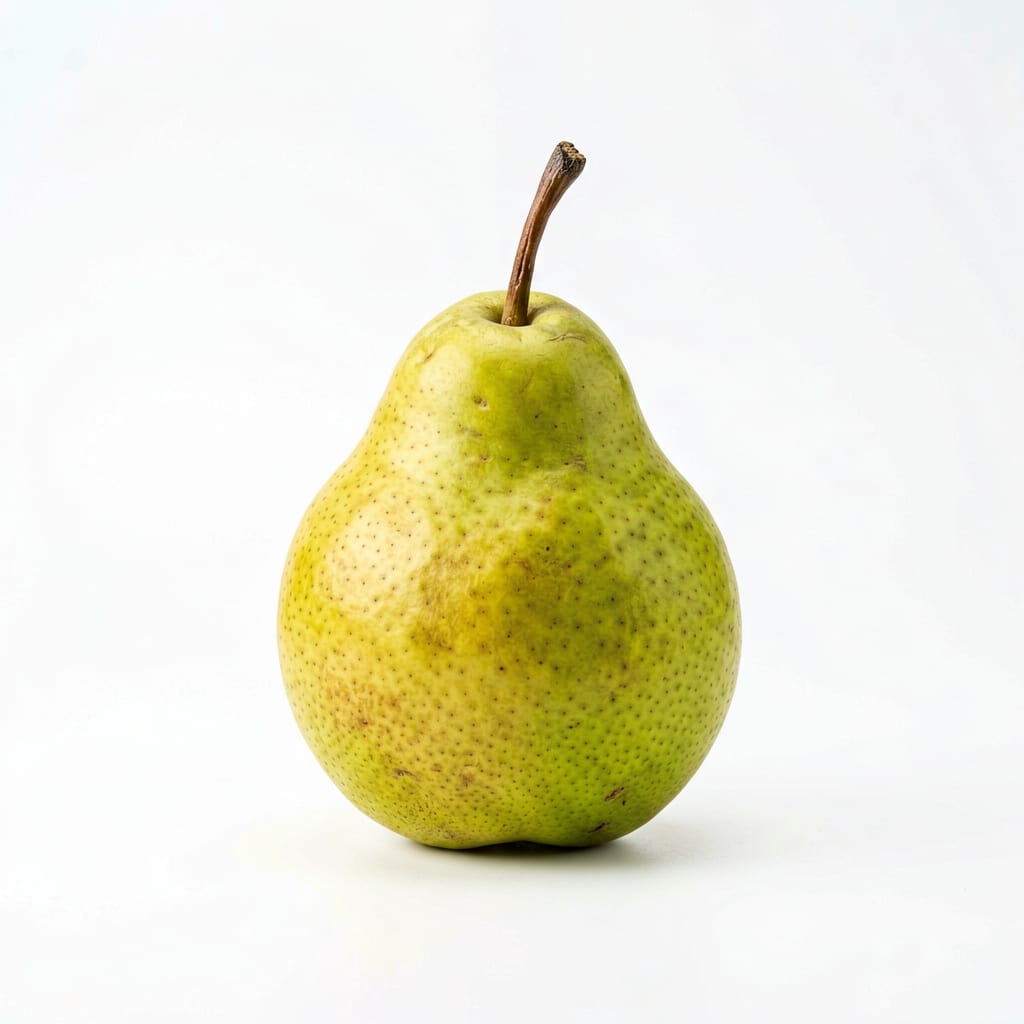
Pear
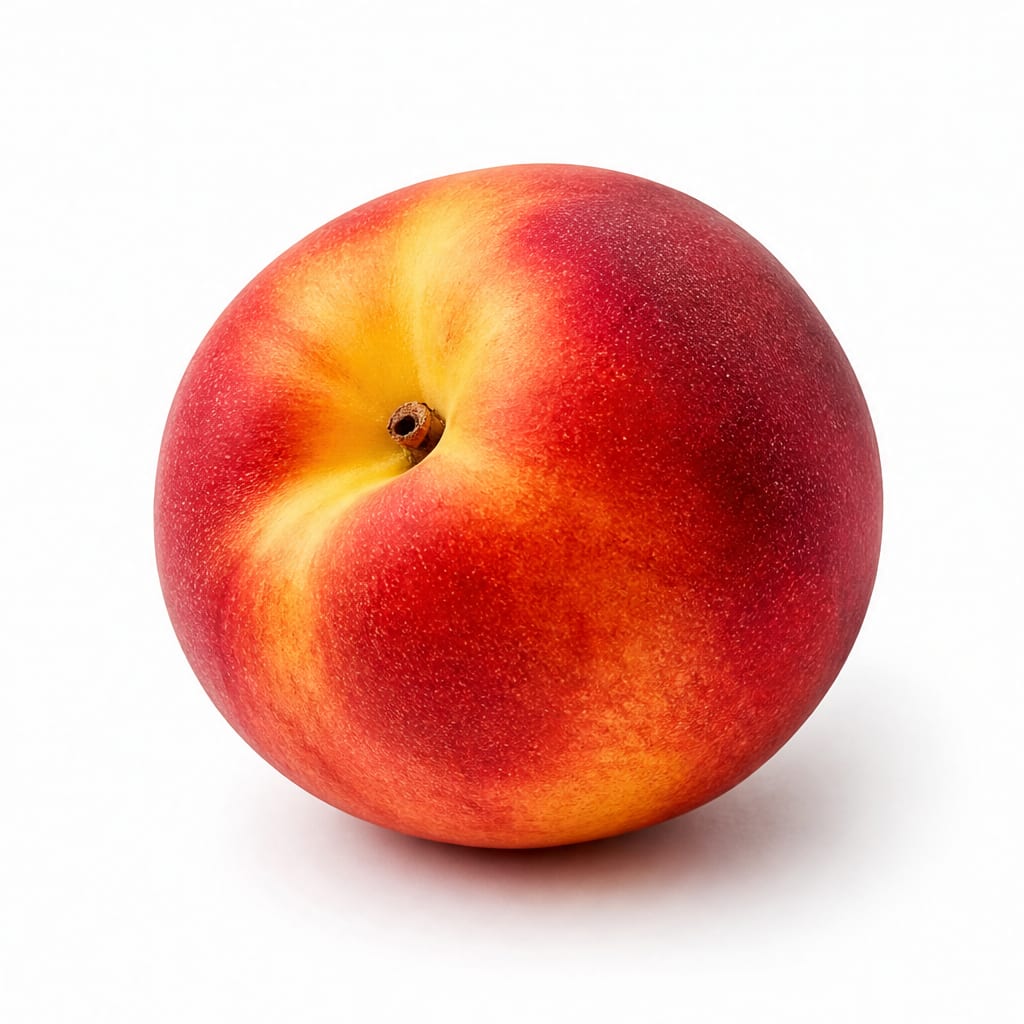
Nectarine
Pear wins on fullness and fiber; nectarine wins on calorie lightness and portability.
Pear scores higher due to its substantial fiber advantage and stronger satiety impact, but nectarine stays competitive with lower calories and better portability. The gap reflects fiber's importance for most health goals rather than a clear universal superiority.
You choose between staying full longer with pear or enjoying a lighter, lower-calorie bite with nectarine.
At a glance
Executive summary
Overall
It depends
Healthier
Pear
More practical
Nectarine
Daily use
It depends
Key comparison lenses
fiber and satiety comparison
Pear has dramatically more fiber than nectarine, making fullness a key differentiator
blood sugar management
Fiber gap directly affects how each fruit impacts blood sugar stability
snack convenience
Texture and portability differ enough to affect daily snacking choices
calorie efficiency
Nectarine offers fewer calories per serving, relevant for weight-conscious users
digestive tolerance
Fiber content and fructose levels differ, impacting sensitive stomachs differently
Best choice for
Pear
- People wanting better appetite control between meals
- Anyone needing more daily fiber
- Those managing blood sugar who benefit from slower carbohydrate absorption
- People prone to constipation
Nectarine
- Calorie-counters wanting a sweet treat with less impact
- People who prefer firmer, less messy portable snacks
- Those who find high-fiber foods cause bloating
- Anyone wanting a refreshing light snack in hot weather
Least suitable for
Pear
- People with fructose malabsorption or IBS triggered by high fructose
- Those wanting a low-calorie sweet option
- Anyone who dislikes soft, grainy textures
Nectarine
- People relying on fruit for significant fiber intake
- Those who find low-fiber snacks unsatisfying
- Anyone needing sustained energy from a single snack
Deep comparison
Dimension by dimension
Each lens scores both foods and breaks down who each option suits.
- Dimension 1 · Priority 92Pear
Fiber and Satiety
Pear · 88Nectarine · 52A medium pear delivers roughly 5.5g of fiber versus nectarine's 2.4g, making pear over twice as filling.
Tradeoff
Pear keeps you satisfied longer, but that heavier feel may be unwanted when you want a light refreshment.
Why it matters
Fiber is the single biggest predictor of whether a snack actually holds you over until your next meal.
Real-world impact
Eat a pear at 3pm and you likely skip the office candy bowl. Eat a nectarine and you might be hunting for something else within an hour.
Pear
- Between-meal hunger control
- Meeting daily fiber targets
- Preventing afternoon energy crashes
Better for
- Right before intense exercise when you want light energy
Worse for
Nectarine
- Light pre-workout snacking
- When you want something sweet without feeling heavy
Better for
- As a standalone breakfast replacement
- When you need sustained fullness for hours
Worse for
- Dimension 2 · Priority 85Pear
Blood Sugar Stability
Pear · 80Nectarine · 65Pear's higher fiber slows sugar absorption significantly, leading to a gentler blood sugar curve.
Tradeoff
Nectarine has slightly less total sugar but absorbs faster due to lower fiber, which can mean a quicker spike and drop.
Why it matters
Steadier blood sugar means fewer cravings, better focus, and more consistent energy throughout the day.
Real-world impact
A pear as a morning snack supports stable energy until lunch. A nectarine might give a quick lift followed by a dip that sends you reaching for coffee.
Pear
- Prediabetics or anyone monitoring glucose
- Sustained mental focus during long work sessions
Better for
- When rapid energy replenishment is the priority
Worse for
Nectarine
- Quick energy before a short workout
- When you want immediate refreshment
Better for
- Late-night snacking where blood sugar spikes disrupt sleep
Worse for
- Dimension 3 · Priority 72Nectarine
Calorie Efficiency
Pear · 62Nectarine · 78A medium nectarine runs about 60 calories versus a medium pear at roughly 100 calories.
Tradeoff
Nectarine gives you more volume per calorie, but pear gives you more fullness per fruit.
Why it matters
For strict calorie counters, every calorie needs to justify itself. Nectarine offers sweetness with less caloric commitment.
Real-world impact
If you track calories closely, nectarine fits more easily into a tight budget. But pear might save you calories elsewhere by preventing later snacking.
Pear
- When one snack needs to replace a mini-meal
Better for
- When every calorie counts toward a strict limit
Worse for
Nectarine
- Calorie-restricted diets
- Multiple fruit servings per day without overshooting targets
Better for
- When you need one snack to actually hold you over
Worse for
- Dimension 4 · Priority 65It depends
Vitamin and Antioxidant Profile
Pear · 70Nectarine · 72Nectarine edges ahead on vitamin A and slightly more vitamin C per calorie; pear offers more vitamin K and unique flavonoids.
Tradeoff
Neither fruit is a vitamin powerhouse — both are decent contributors rather than standout sources.
Why it matters
Antioxidant diversity matters more than quantity from any single fruit, so rotating both is ideal.
Real-world impact
Eating both across the week gives you broader antioxidant coverage than doubling down on either one alone.
Pear
- Vitamin K intake for bone and blood health
- Unique flavonoid antioxidants like catechin and epicatechin
Better for
- Vitamin A contribution is minimal
Worse for
Nectarine
- Vitamin A for skin and eye health
- Slightly more vitamin C per calorie
Better for
- Vitamin K content is negligible
Worse for
- Dimension 5 · Priority 78Nectarine
Convenience and Portability
Pear · 55Nectarine · 82Nectarine is firmer, less juicy-messy, and easier to eat on the go without a napkin.
Tradeoff
Pear's softness makes it comforting and easy to chew but impractical for commuting or quick snacking.
Why it matters
The best healthy snack is the one you actually reach for. Convenience often determines what gets eaten.
Real-world impact
Toss a nectarine in your bag for later without worry. A ripe pear might bruise and leak, making it a desk-only snack.
Pear
- Eating at home where messiness doesn't matter
- For people with dental issues who need softer food
Better for
- On-the-go eating while walking or commuting
Worse for
Nectarine
- Gym bag or backpack snacking
- Office fruit bowl where neatness matters
- Kids' lunchboxes
Better for
- When a comforting, soft texture is what you crave
Worse for
- Dimension 6 · Priority 68It depends
Digestive Tolerance
Pear · 60Nectarine · 70Pear's high fructose and fiber can trigger IBS symptoms in sensitive people; nectarine is gentler on most digestive systems.
Tradeoff
Pear helps regular digestion for most people but worsens symptoms for those with fructose intolerance.
Why it matters
A food that's theoretically healthy but causes bloating or discomfort undermines both nutrition and quality of life.
Real-world impact
If you feel gassy or bloated after pear, switching to nectarine might solve the problem while still giving you fruit benefits.
Pear
- People with normal digestion who need help with regularity
Better for
- Fructose malabsorption
- FODMAP-restricted diets
Worse for
Nectarine
- IBS or FODMAP-sensitive individuals
- People who experience bloating from high-fructose fruits
Better for
- Chronic constipation where extra fiber would help
Worse for
Timeline
Health impact over time
Short-term
Hours to days
Pear
- Stronger feeling of fullness within 30 minutes
- Possible bloating if sensitive to fructose or sorbitol
- Steadier energy without a sharp crash
Nectarine
- Light refreshing energy boost
- Less risk of digestive discomfort
- Possible quicker hunger return within 60-90 minutes
Long-term
Months to years
Pear
- Better long-term fiber intake supporting gut microbiome diversity
- Improved cholesterol from soluble fiber (pectin)
- Risk of fructose-related digestive issues if overconsumed
Nectarine
- Consistent low-calorie fruit habit supporting weight maintenance
- Good vitamin A intake for skin and immune health over time
- May need supplemental fiber sources to meet daily targets
Risk profile
Safety & processing
Both are whole fresh fruits with no processing concerns. The only consideration is pesticide residue — both appear on the EWG's Dirty Dozen list, so buying organic reduces exposure when feasible.
Pear
Pesticide residue
mediumPears frequently retain pesticide residues on their skin. Washing helps but does not eliminate all residues. Organic reduces this significantly.
Fructose intolerance reaction
lowNot a contamination risk, but pear's high fructose and sorbitol can cause significant digestive distress in sensitive individuals.
Nectarine
Pesticide residue
mediumNectarines consistently rank on the Dirty Dozen list. Their smooth skin does not trap pesticides like peach fuzz, but residues remain a concern.
Potential allergen cross-reactivity
lowPeople with birch pollen allergy may experience oral allergy syndrome with nectarine, causing mouth itching or swelling.
Who wins for whom
Audience fit
Same foods, different winners depending on your goal.
children
NectarineNectarine is neater, easier to hold, and less likely to cause sticky messes. Its milder fiber content is also gentler on small digestive systems.
daily consumption
PearDaily fiber contribution from pear makes it a more impactful daily habit, assuming no fructose sensitivity.
diabetes
PearPear's significantly higher fiber slows glucose absorption, leading to more stable blood sugar responses.
elderly
PearPear's soft texture is easier to chew for dental issues, and its fiber supports the constipation concerns common in older adults.
muscle gain
NectarineNeither is a muscle-building food, but nectarine's lighter profile fits more easily into a high-protein meal plan without displacing protein calories.
weight loss
It dependsNectarine has fewer calories per fruit, but pear's fiber may prevent overeating later. Choose nectarine for strict calorie tracking and pear for appetite control.
Your move
Decision guide
Choose Pear
- You want one snack that actually keeps you full for hours
- You struggle to get enough fiber from other sources
- Blood sugar stability is a priority for you
- You have no issues digesting fructose
- You eat fruit at a desk or at home where messiness is fine
Choose Nectarine
- You count calories carefully and want more volume per calorie
- You need a portable, neat snack for on-the-go
- High-fiber foods cause you bloating or gas
- You want something refreshing and light, not heavy and filling
- You're packing school lunches or gym snacks
Either works if
- You rotate fruits weekly for antioxidant diversity
- You have no specific digestive or blood sugar concerns
- You enjoy both and want variety in your fruit routine
Avoid both if
- You're on a very low-carb or ketogenic diet
- You have severe fructose intolerance that triggers with both fruits
- You need a protein-rich snack and fruit alone won't suffice
Final recommendation
Keep both in your rotation. Pear is your workhorse for fullness and fiber; nectarine is your light, portable option. If you must pick one for daily eating, pear gives you more nutritional momentum per fruit — but only if your digestion tolerates it well.
Practical
Consumer tips
- 1
Buy organic for both fruits if possible — they consistently rank high for pesticide residues
- 2
Avoid refrigerating pears until they're ripe; nectarines can go in the fridge once ripe to buy a few days
- 3
If pear causes bloating, try eating half a pear instead of a whole one, or switch to nectarine
- 4
Pair either fruit with a handful of nuts or a spoon of nut butter to add protein and further slow sugar absorption
- 5
A ripe pear should yield slightly near the stem — if rock hard, let it sit at room temperature for 2-3 days
- 6
Nectarines bruise less than peaches but still handle gently to avoid soft spots