
Nutrition comparison
Pear vs Mango: Which Fruit Is Healthier for You?
Compare pear and mango nutrition including sugar, fiber, vitamins, and blood sugar impact. Find out which fruit fits your health goals better.
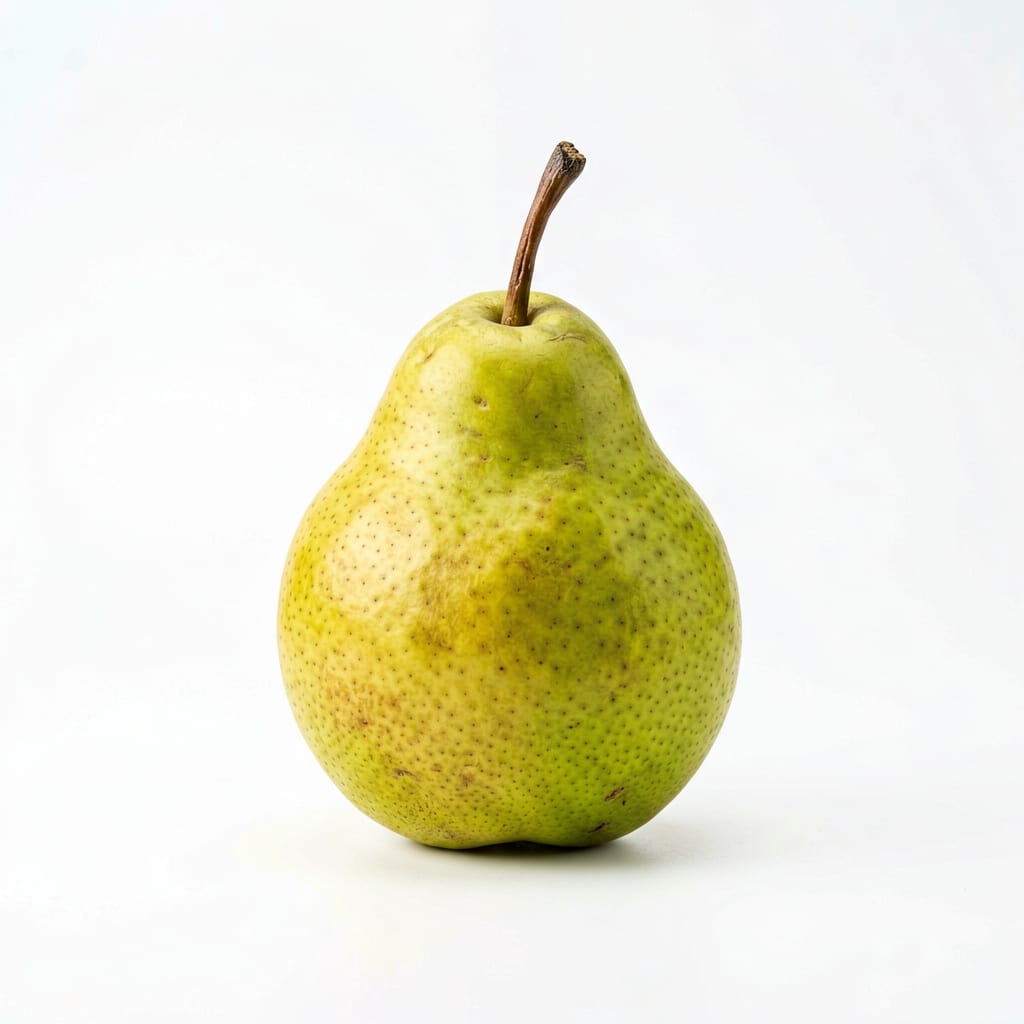
Pear
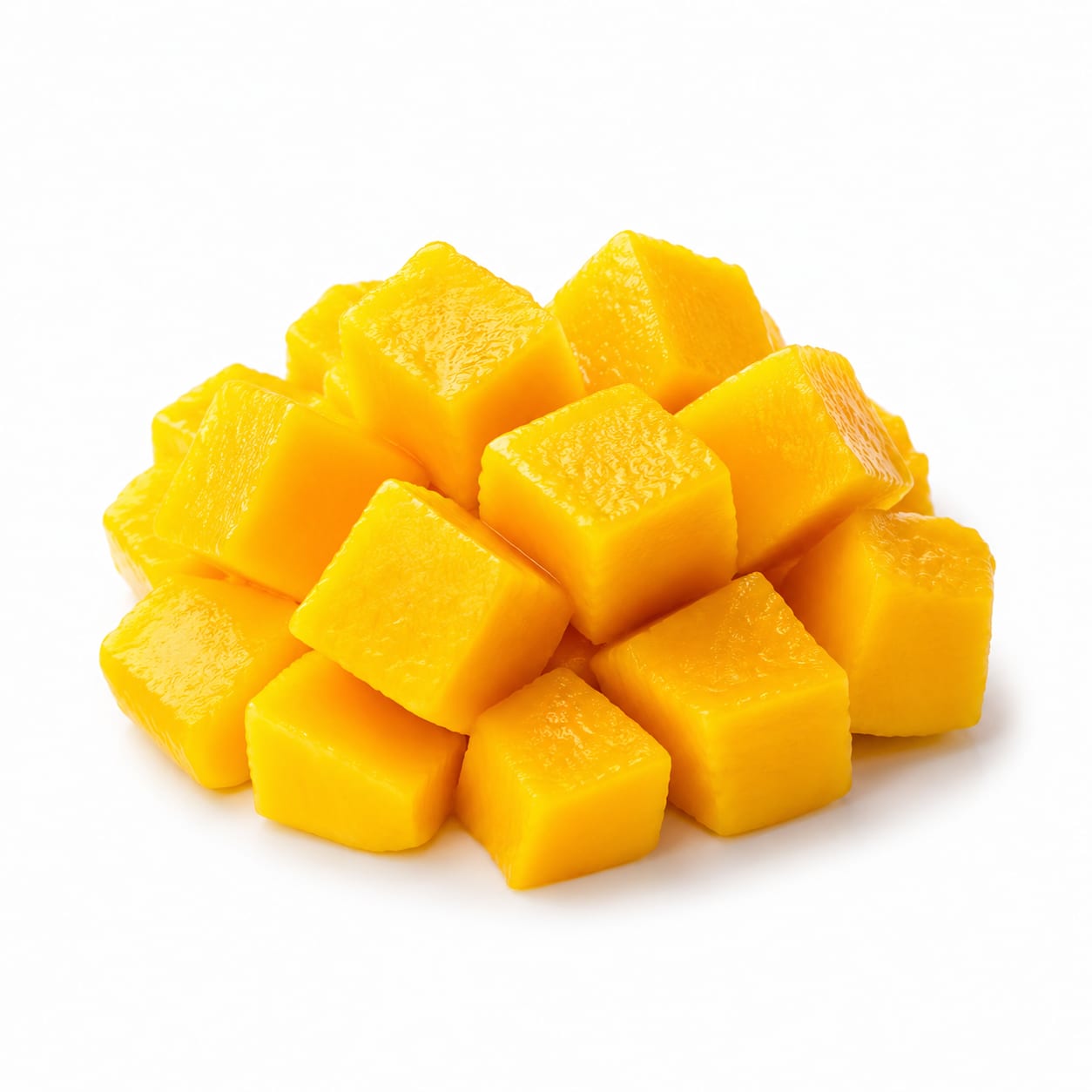
Mango
Pears are steadier and more filling; mangoes are more nutrient-dense and energizing. Your pick depends on what your body needs most.
Pears edge ahead for daily reliability thanks to better blood sugar control and satiety. Mangoes win on nutrient density but their higher sugar and lower fiber make them less forgiving for frequent consumption.
Mango gives you more vitamins and tropical sweetness but hits your blood sugar harder. Pears keep you fuller longer with less sugar drama.
At a glance
Executive summary
Overall
It depends
Healthier
It depends
More practical
Pear
Daily use
Pear
Key comparison lenses
blood sugar management
Both fruits contain significant natural sugars but differ sharply in glycemic impact, making this the top concern for most users
weight management and satiety
Fiber content and calorie density differ meaningfully, directly affecting fullness and overeating risk
vitamin and antioxidant intake
Mango delivers far more vitamin C and beta-carotene, while pears offer different phytonutrients
digestive comfort
Fiber type and sugar load affect gut tolerance differently for each fruit
everyday practicality
Ripening speed, storage, and prep convenience vary significantly between these fruits
Best choice for
Pear
- Steady energy without sugar crashes
- Weight management and portion control
- Blood sugar sensitivity
- Gut regularity and digestive comfort
- Easy everyday snacking without prep
Mango
- Immune support and vitamin C boost
- Skin health and beta-carotene intake
- Pre-workout quick energy
- Adding vibrant flavor to meals
- Fighting oxidative stress
Least suitable for
Pear
- Anyone needing rapid energy replenishment
- Those seeking high vitamin A intake
- People wanting tropical flavor variety
Mango
- Strict blood sugar management
- Fructose-sensitive digestion
- Controlled calorie diets requiring precise portions
Deep comparison
Dimension by dimension
Each lens scores both foods and breaks down who each option suits.
- Dimension 1 · Priority 92Pear
Blood Sugar Stability
Pear · 82Mango · 55Pears have a glycemic index around 38 versus mango at roughly 56, making pears noticeably gentler on blood sugar.
Tradeoff
Mango's sweeter taste comes with a faster glucose rise that can trigger cravings later.
Why it matters
Steadier blood sugar means fewer energy crashes and less hunger between meals.
Real-world impact
A pear as an afternoon snack won't leave you reaching for more food an hour later. A mango might.
Pear
- Diabetics and prediabetics
- Anyone prone to afternoon energy crashes
- Intermittent fasters breaking a fast gently
Better for
- Situations requiring rapid energy
Worse for
Mango
- Athletes needing quick carbs post-workout
- People with low blood sugar episodes
Better for
- Late-night snacking when blood sugar should stay low
- Managing insulin resistance
Worse for
- Dimension 2 · Priority 88Pear
Satiety and Fullness
Pear · 80Mango · 58Pears deliver roughly 5-6g of fiber per medium fruit versus mango's 2-3g, keeping you fuller for longer.
Tradeoff
Mango's lower fiber makes it less filling but also lighter on the stomach when you want something refreshing rather than heavy.
Why it matters
Feeling full matters for weight management and avoiding unnecessary snacking.
Real-world impact
Eat a pear and you may skip the handful of nuts you'd reach for after a mango.
Pear
- Weight loss diets
- People who snack out of hunger
- Replacing higher-calorie desserts
Better for
- When you want something light and refreshing
Worse for
Mango
- Hot days when heavy food feels unappealing
- Light breakfasts alongside protein
Better for
- Controlling portions when eating out of hunger
Worse for
- Dimension 3 · Priority 80Mango
Vitamin and Antioxidant Density
Pear · 52Mango · 88Mango dominates in vitamin C, vitamin A, and folate. One cup covers most of your daily vitamin C needs.
Tradeoff
You get more micronutrients from mango but at the cost of higher sugar intake per serving.
Why it matters
Vitamin C supports immunity and skin health. Beta-carotene protects cells from damage.
Real-world impact
Eating mango regularly can meaningfully boost your immune defenses during cold season.
Pear
- Those already getting enough vitamins from other sources
Better for
- Relying on fruit as a primary vitamin C source
Worse for
Mango
- Immune system support
- Skin health and anti-aging routines
- People low on vitamin A or C
- Recovery from illness
Better for
- Those watching total sugar intake closely
Worse for
- Dimension 4 · Priority 75It depends
Digestive Tolerance
Pear · 72Mango · 68Pears have more fiber for regularity but contain sorbitol that can bloat sensitive people. Mango has digestive enzymes but more fructose.
Tradeoff
Both can cause issues for sensitive guts, just in different ways.
Why it matters
Bloating or discomfort after fruit can discourage healthy eating habits.
Real-world impact
If you have IBS, test both carefully. Pears may cause gas; mangoes may cause loose stools.
Pear
- Promoting bowel regularity
- Mild constipation relief
Better for
- Sorbitol-sensitive individuals
- IBS-C with bloating concerns
Worse for
Mango
- Breaking down protein-heavy meals
- People who tolerate fructose well but need enzyme support
Better for
- Fructose malabsorption
- IBS-D sufferers
Worse for
- Dimension 5 · Priority 70Pear
Practicality and Convenience
Pear · 78Mango · 60Pears are easier to store, transport, and eat on the go. Mangoes require peeling, pit removal, and careful ripening timing.
Tradeoff
Mango takes more effort but rewards with bolder flavor that can replace less healthy desserts.
Why it matters
Inconvenient fruit often gets skipped for processed snacks.
Real-world impact
Tossing a pear in your bag takes two seconds. Prepping a mango requires a cutting board and sticky hands.
Pear
- Office snacking
- Packing in lunchboxes
- Commuting
- Minimal meal prep
Better for
- Culinary versatility
Worse for
Mango
- Weekend meal prep
- Smoothie making
- Dessert preparation
Better for
- On-the-go eating
- Quick grab-and-go situations
Worse for
- Dimension 6 · Priority 85Pear
Sugar and Calorie Load
Pear · 76Mango · 54A medium pear has about 100 calories and 17g sugar. A cup of mango has roughly 100 calories but 23g sugar with less fiber to slow absorption.
Tradeoff
Mango packs more sweetness per bite, which is satisfying but easier to overconsume.
Why it matters
Sugar from whole fruit is better than added sugar, but total load still matters for metabolic health.
Real-world impact
It's easier to accidentally eat two mangoes than two pears because mangoes are sweeter and less filling.
Pear
- Calorie-conscious eating
- Reducing total sugar intake
- Mindful snacking
Better for
- Satisfying a strong sweet tooth
Worse for
Mango
- Replacing processed sweets naturally
- Active individuals burning carbs readily
Better for
- Portion control challenges
- Metabolic syndrome management
Worse for
Timeline
Health impact over time
Short-term
Hours to days
Pear
- Steady energy without a sugar spike and crash
- Comforting fullness that reduces between-meal snacking
- Possible mild bloating if sorbitol-sensitive
Mango
- Quick energy lift from natural sugars
- Refreshing hydration on hot days
- Possible blood sugar dip 1-2 hours after eating if consumed alone
Long-term
Months to years
Pear
- Better blood sugar regulation with regular consumption
- Improved bowel regularity from consistent fiber intake
- Lower risk of sugar-driven metabolic issues
Mango
- Stronger immune function from high vitamin C
- Better skin health from beta-carotene
- Higher cumulative sugar exposure if portions aren't managed
Risk profile
Safety & processing
Both fruits are whole foods with no additives when fresh. The main concern is pesticide residue on conventionally grown versions of both, particularly mango skins and pear skins.
Pear
Pesticide residue on skin
mediumPears often retain pesticide residue on their skin. Washing helps but peeling or choosing organic reduces exposure more effectively.
Sorbitol sensitivity
lowPears contain sorbitol, a sugar alcohol that can cause bloating and gas in sensitive individuals, especially when eaten in large amounts.
Mango
Pesticide residue
mediumImported mangoes frequently show pesticide residue. The thick skin offers some protection, but cross-contamination during cutting is possible.
Allergic cross-reactivity
lowMango skin contains urushiol, the same compound in poison ivy. Peeling carefully and avoiding skin contact prevents most reactions.
Fructose overload
mediumHigh fructose content can trigger digestive distress in people with fructose malabsorption or IBS.
Who wins for whom
Audience fit
Same foods, different winners depending on your goal.
children
MangoKids love the sweet tropical flavor, and the vitamin content supports growth and immune development.
daily consumption
PearLower sugar, higher fiber, and steadier energy make pears more sustainable as a daily habit without metabolic downsides.
diabetes
PearLower glycemic index and higher fiber slow glucose absorption, making blood sugar easier to manage.
elderly
PearSofter texture when ripe, more fiber for regularity, and gentler blood sugar impact suit aging metabolisms.
muscle gain
MangoHigher sugar content provides faster glycogen replenishment after training, and vitamin C supports recovery.
weight loss
PearMore fiber and less sugar per serving means better satiety and fewer cravings between meals.
Your move
Decision guide
Choose Pear
- You want steady energy without crashes
- You're managing your weight or blood sugar
- You need a convenient on-the-go snack
- You eat fruit daily and want something sustainable
- You struggle with afternoon cravings
Choose Mango
- You need a vitamin C and immune boost
- You're an athlete refueling after exercise
- You want something sweet enough to replace dessert
- You're preparing a tropical-themed meal
- You're healthy and active with no blood sugar concerns
Either works if
- You simply want whole fruit instead of processed snacks
- You're rotating fruits for dietary variety
- You have no specific metabolic concerns
Avoid both if
- You're on a strict very-low-carb or keto diet
- You have severe fructose intolerance
Final recommendation
Make pears your everyday fruit and enjoy mangoes as a treat a few times per week. This gives you the metabolic steadiness of pears with the vitamin boost and joy of mangoes, without overloading on sugar from either direction.
Practical
Consumer tips
- 1
Choose organic pears if you eat the skin, which is where most fiber and nutrients live
- 2
Pick mangoes that yield slightly to pressure but aren't mushy for the best flavor and nutrient balance
- 3
Pair either fruit with a handful of nuts or a spoonful of yogurt to blunt the sugar spike
- 4
Refrigerate pears after they ripen to buy yourself 3-5 extra days of perfect eating texture
- 5
Cut mangoes around the flat pit in slices rather than trying to peel first for less mess and waste
- 6
If blood sugar is a concern, eat fruit after a balanced meal rather than on an empty stomach