
Nutrition comparison
Pear vs Grapes: Which Fruit Is Better for Blood Sugar, Satiety, and Snacking?
Compare pears and grapes on fiber, sugar, antioxidants, and overeating risk. Find out which fruit is better for weight loss, diabetes, and daily snacking.
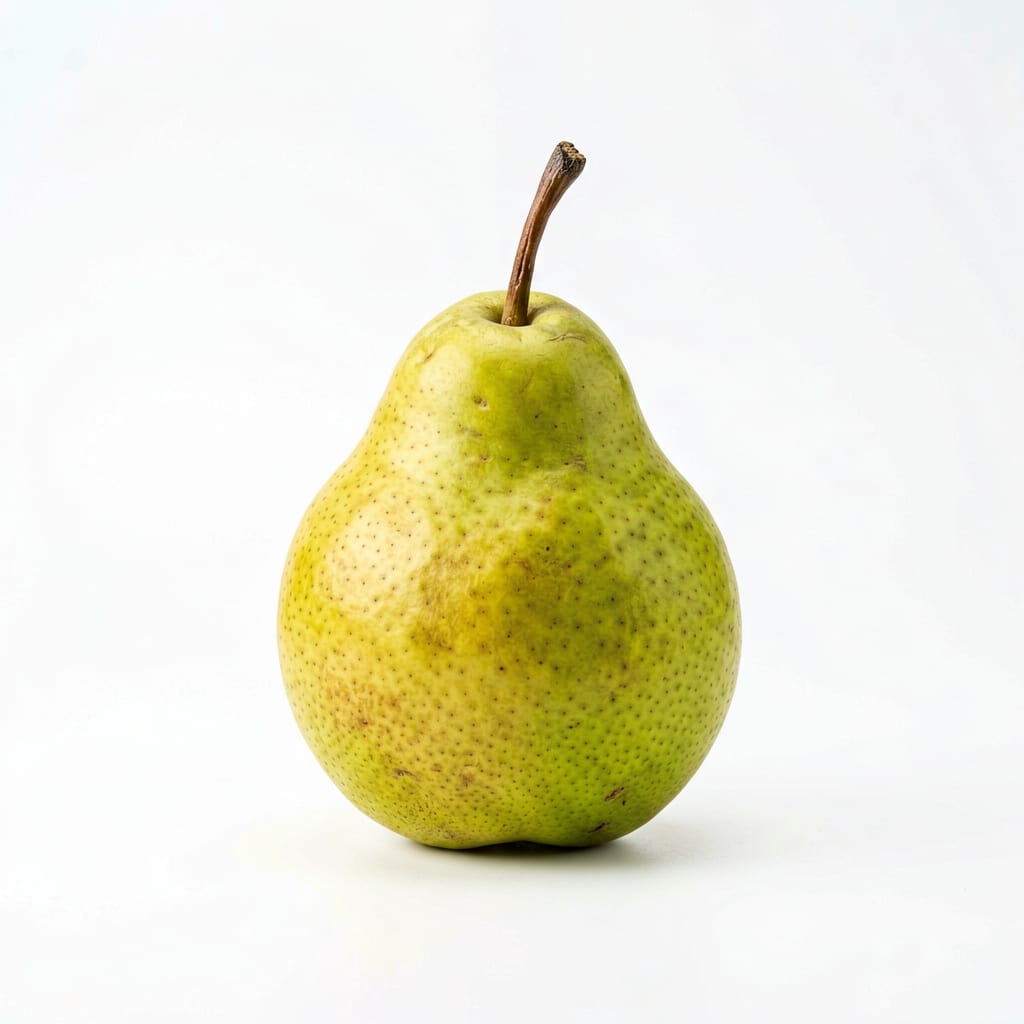
Pear
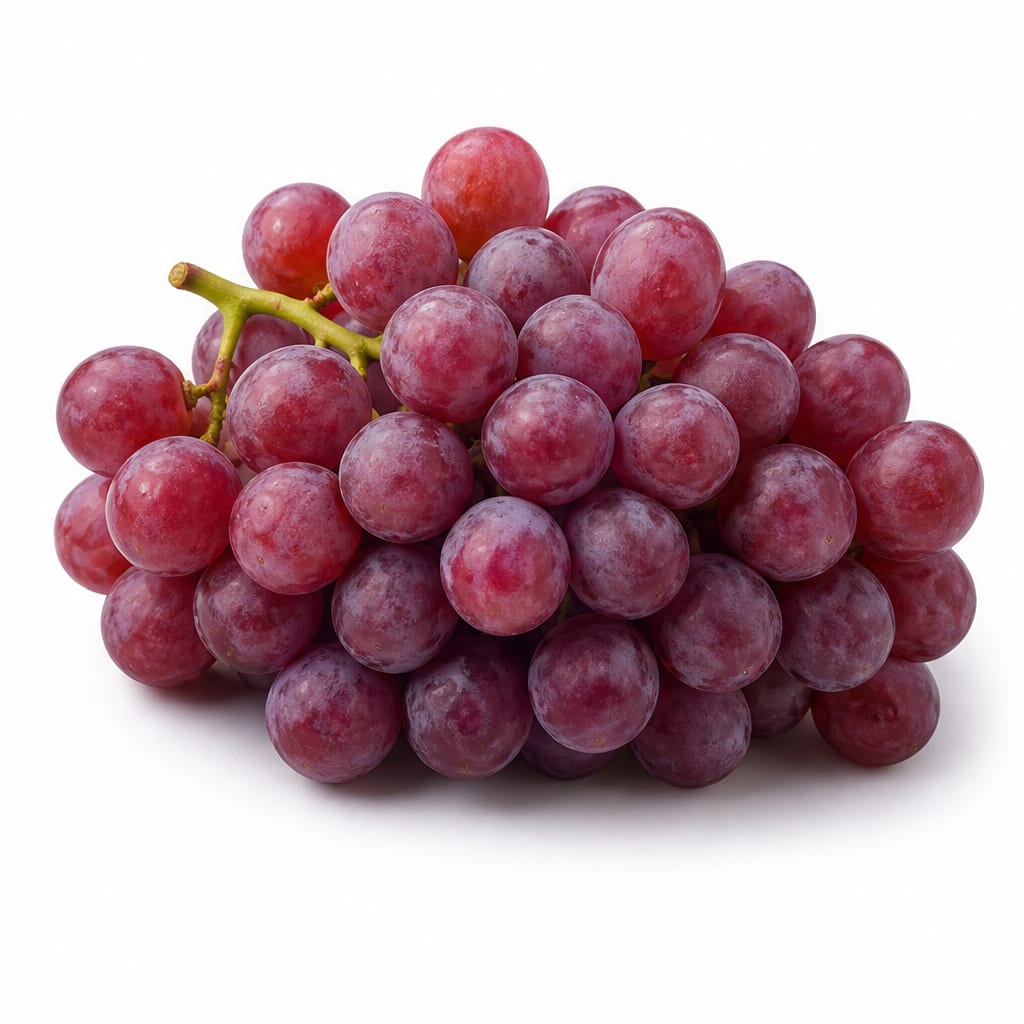
Grapes
Pears deliver steadier energy and better satiety; grapes offer unique antioxidants and unmatched convenience.
Pears score higher due to superior fiber, lower sugar density, and natural portion control. Grapes lose ground on overeating risk and blood sugar impact, though their antioxidant profile is genuinely valuable.
Fiber and fullness versus convenience and resveratrol — pears keep you satisfied longer, grapes are easier to snack on but easier to overeat.
At a glance
Executive summary
Overall
It depends
Healthier
Pear
More practical
Grapes
Daily use
Pear
Key comparison lenses
blood sugar control and snacking
Both are sweet fruits with very different fiber profiles, making glycemic impact the most meaningful differentiator
overeating and portion control
Grapes are extremely easy to overconsume while pears naturally limit intake due to size and fiber
antioxidant and anti-inflammatory benefits
Grapes offer unique polyphenols like resveratrol that pears cannot match
digestive health and regularity
Fiber content differs dramatically between these two fruits
convenient on-the-go snacking
Grapes are grab-and-go while pears require more effort and can be messy
Best choice for
Pear
- People managing blood sugar or diabetes
- Anyone trying to stay full between meals
- Those prone to overeating fruit
- People prioritizing digestive regularity
- Weight-conscious snackers
Grapes
- Athletes needing quick natural sugar
- People seeking heart-protective antioxidants
- Busy individuals needing portable snacks
- Kids who resist eating fruit
- Anyone wanting anti-inflammatory benefits
Least suitable for
Pear
- People needing fast pre-workout energy
- Anyone wanting bite-sized snacking convenience
- Those with severe fructose intolerance
Grapes
- People strictly controlling sugar intake
- Anyone prone to mindless snacking
- Those managing insulin resistance without portion control
Deep comparison
Dimension by dimension
Each lens scores both foods and breaks down who each option suits.
- Dimension 1 · Priority 95Pear
Satiety and Fullness
Pear · 88Grapes · 45A single pear provides nearly 6g of fiber — roughly six times what a cup of grapes offers. That fiber slows digestion and keeps hunger at bay for hours.
Tradeoff
Pears feel heavy and satisfying; grapes disappear quickly and leave you reaching for more.
Why it matters
If your snack does not fill you up, you eat again sooner. That is the difference between one piece of fruit and three cups of grapes.
Real-world impact
Eat a pear at 3pm and you may skip the 4pm vending machine visit. Eat grapes and you might polish off the whole bag without noticing.
Pear
- Sustained energy between meals
- Avoiding afternoon cravings
- Reducing total daily calorie intake
Better for
- Situations where you want a light stomach soon after eating
Worse for
Grapes
- Light snacking before exercise when you want energy without feeling full
Better for
- Anyone trying to control portions or total sugar intake
Worse for
- Dimension 2 · Priority 92Pear
Blood Sugar Stability
Pear · 82Grapes · 52Pears have a glycemic index around 38 while grapes sit closer to 59. Combined with pears' much higher fiber, sugar enters your bloodstream far more gradually.
Tradeoff
Grapes give you a quicker energy lift but with a steeper rise and fall. Pears deliver a slower, steadier burn.
Why it matters
The sugar crash after grapes can trigger hunger and fatigue within an hour, especially if eaten alone.
Real-world impact
A pear as a mid-morning snack keeps you steady until lunch. A bowl of grapes might leave you hungry again by 11am.
Pear
- People with prediabetes or diabetes
- Anyone avoiding energy crashes
- Those pairing fruit with other foods for balanced meals
Better for
- Moments when you need rapid carbohydrate replenishment
Worse for
Grapes
- Quick fuel before or during exercise
- Recovery after intense activity
Better for
- Sedentary snacking while watching TV
- Late-night eating when blood sugar should stay stable
Worse for
- Dimension 3 · Priority 82Grapes
Antioxidant and Anti-Inflammatory Power
Pear · 60Grapes · 85Red and purple grapes are among the best fruit sources of resveratrol and other polyphenols linked to heart and brain health. Pears have antioxidants but lack the concentrated punch grapes provide.
Tradeoff
You eat pears mainly for fiber and steady energy. You eat grapes partly for the protective compounds that support long-term health.
Why it matters
Resveratrol has been associated with reduced cardiovascular risk and anti-aging effects in numerous studies.
Real-world impact
A daily handful of red grapes may contribute meaningfully to heart health over years. Pears help more with day-to-day digestion and satiety.
Pear
- General digestive health and gut microbiome support
Better for
- Anyone specifically seeking resveratrol or potent polyphenols
Worse for
Grapes
- Long-term cardiovascular protection
- Anti-inflammatory benefits
- Brain health and healthy aging
Better for
- Immediate digestive benefits or constipation relief
Worse for
- Dimension 4 · Priority 88Pear
Overeating Risk and Portion Control
Pear · 90Grapes · 35One pear is one serving. Grapes come in clusters and it is remarkably easy to eat two or three cups before feeling satisfied — that is 60+ grams of sugar.
Tradeoff
Pears have built-in portion control. Grapes require deliberate willpower or pre-portioning to avoid overconsumption.
Why it matters
The calories and sugar in three cups of grapes rival a candy bar, but most people do not perceive fruit as something to limit.
Real-world impact
Mindless grape snacking can add 200+ calories and 50g of sugar in a sitting without any fullness signal.
Pear
- Anyone who snacks while distracted
- Portion-conscious eaters
- Emotional eaters who struggle to stop
Better for
- No real downside here — pears are self-regulating
Worse for
Grapes
- Shared social snacking where everyone takes a few
Better for
- Late-night snacking
- Eating while working or watching screens
- Anyone tracking sugar or calories closely
Worse for
- Dimension 5 · Priority 72Grapes
Convenience and Practicality
Pear · 50Grapes · 88Grapes require no peeling, no core, and no napkin. Pears can be juicy, messy, and need to be eaten over a sink or with a plate.
Tradeoff
Grapes are the ultimate grab-and-go fruit. Pears demand more attention and are less portable.
Why it matters
Convenience determines whether you actually reach for fruit or grab something packaged instead.
Real-world impact
Toss grapes in a container for the car or office. A pear needs careful packing and a dedicated eating moment.
Pear
- Sitting down for a mindful snack break
Better for
- On-the-go lifestyles
- Kids who want quick easy snacks
Worse for
Grapes
- Commuting and travel
- Office desk snacking
- Packing school lunches
- Eating while walking or standing
Better for
- Formal settings where finger food feels inappropriate
Worse for
- Dimension 6 · Priority 78Pear
Digestive Health
Pear · 90Grapes · 48With nearly 6g of fiber per fruit, pears are one of the best everyday fruits for digestion and regularity. Grapes provide less than 1g per cup.
Tradeoff
If gut health and preventing constipation are priorities, pears are dramatically more effective. Grapes contribute minimally to fiber goals.
Why it matters
Most people fall short on daily fiber. One pear covers roughly 20% of daily needs; you would need six cups of grapes to match that.
Real-world impact
Eating a pear a day can meaningfully improve bowel regularity within days. Grapes alone will not move the needle.
Pear
- Chronic constipation sufferers
- Anyone on a low-fiber diet trying to improve
- Gut microbiome optimization
Better for
- Acute diarrhea or when you need low-fiber foods temporarily
Worse for
Grapes
- Light snacking when you want minimal digestive load
Better for
- Anyone relying on fruit as a significant fiber source
Worse for
Timeline
Health impact over time
Short-term
Hours to days
Pear
- Steady energy without a sugar spike and crash
- Noticeable fullness that reduces snacking urge
- Improved bowel movement within hours for some people
- Possible bloating if you are not used to high fiber
Grapes
- Quick energy lift from readily available sugars
- Easy to overconsume before satiety signals kick in
- Light feeling in the stomach — rarely causes bloating
- Possible blood sugar dip within 60-90 minutes if eaten alone
Long-term
Months to years
Pear
- Better glycemic control with regular consumption
- Improved digestive regularity and gut health
- Easier weight maintenance due to natural portion control
- Modest cardiovascular benefits from fiber
Grapes
- Potential heart and brain protection from resveratrol and polyphenols
- Risk of excess sugar intake if portions are not managed
- Anti-inflammatory benefits from regular consumption
- Possible contribution to elevated triglycerides if overeaten consistently
Risk profile
Safety & processing
Both pears and grapes are whole fresh fruits with no added ingredients. The main concern is pesticide residue on conventionally grown grapes, which consistently rank high on the Dirty Dozen list. Pears also appear on the list but with somewhat lower residue levels. Organic is worthwhile for both if budget allows.
Pear
Pesticide residue
mediumPears appear on the EWG Dirty Dozen list. Non-organic pears frequently carry multiple pesticide residues. Washing helps but does not eliminate all traces.
Grapes
Pesticide residue
highGrapes are consistently near the top of the Dirty Dozen list. Thin skin and growing methods lead to high pesticide loads. Organic grapes are strongly recommended.
Mold and spoilage
mediumGrapes spoil quickly and can harbor mold that spreads through the cluster. Inspect carefully and discard any soft or wrinkled grapes.
Who wins for whom
Audience fit
Same foods, different winners depending on your goal.
children
GrapesKids love the sweetness and fun bite-sized nature of grapes. Just cut them in half for children under 5 to prevent choking.
daily consumption
PearOne pear a day is easy to sustain and delivers consistent fiber benefits. Daily grapes are fine in moderation but require portion discipline to avoid excess sugar.
diabetes
PearLower glycemic index and dramatically more fiber make pears gentler on blood sugar. Grapes can be included in small portions but require careful monitoring.
elderly
PearFiber becomes increasingly important with age for digestion and blood sugar management. Pears are softer to chew when ripe and provide more nutritional density per bite.
muscle gain
GrapesGrapes provide faster-digesting carbs that are useful around workouts, though neither fruit is a significant protein source.
weight loss
PearHigher fiber and natural portion control make pears far easier to integrate into a calorie-controlled plan without overeating.
Your move
Decision guide
Choose Pear
- You want a snack that actually keeps you full
- You are watching your blood sugar or managing diabetes
- You tend to overeat when snacking
- Digestive regularity is a priority
- You prefer eating one satisfying piece of fruit rather than grazing
Choose Grapes
- You need quick energy before or after exercise
- Heart health and antioxidant intake are top priorities
- You want a portable no-mess snack for work or travel
- You are feeding kids who find whole fruit unappealing
- You can reliably stop at one cup and not keep eating
Either works if
- You simply want more whole fruit in your diet
- You are rotating fruits for dietary variety
- Both fit within your daily sugar and calorie budget
Avoid both if
- You have severe fructose intolerance or malabsorption
- You are on a very low-carb or ketogenic diet
- You have been advised to limit all fruit sugar by your doctor
Final recommendation
Keep both in your rotation but lean toward pears for everyday snacking and save grapes for pre-workout fuel or antioxidant-focused meals. If you eat grapes, pre-portion one cup and put the bag away. If budget allows, buy organic grapes — their pesticide load is among the highest of any fruit.
Practical
Consumer tips
- 1
Buy organic grapes whenever possible — they rank consistently in the top three on the Dirty Dozen list for pesticide residue
- 2
Pre-portion grapes into single-serving bags immediately after buying to prevent mindless overeating
- 3
Choose pears that yield slightly to pressure near the stem — they are ripe and at peak sweetness
- 4
Refrigerate ripe pears to slow further softening; they last several days longer
- 5
Red and purple grapes contain significantly more resveratrol than green grapes — choose darker varieties for antioxidant benefits
- 6
Freeze grapes for a refreshing summer snack that also slows down eating speed
- 7
Pair grapes with a handful of nuts or cheese to blunt the blood sugar spike and add staying power
- 8
If pears feel too hard, leave them at room temperature in a paper bag for a day or two to ripen evenly