
Nutrition comparison
Pear vs Banana: Which Fruit Is Better for Blood Sugar, Energy, and Weight Loss?
Compare pear and banana nutrition side by side. Discover which fruit is better for blood sugar control, workout fuel, weight loss, and daily snacking.
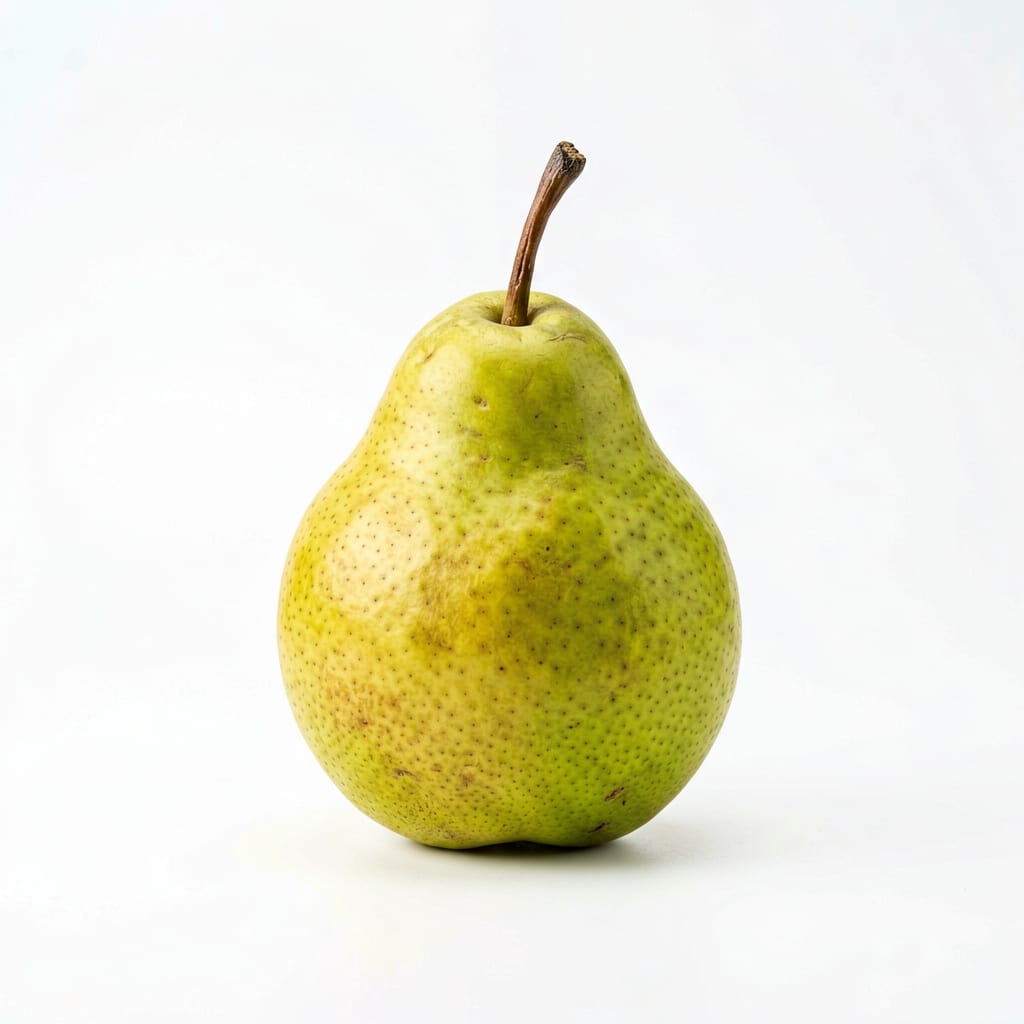
Pear
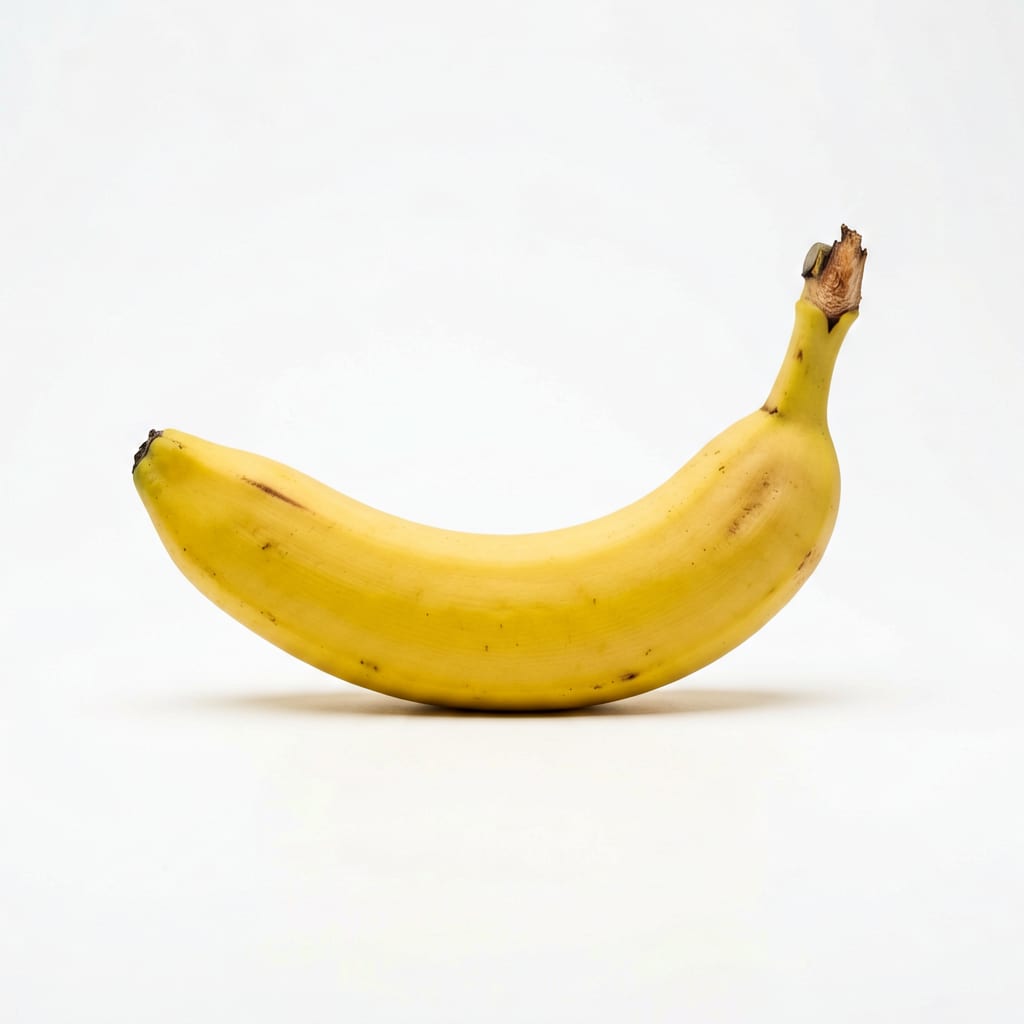
Banana
Pears edge ahead for blood sugar control and fullness. Bananas win for quick energy and convenience. Your best pick depends on when and why you're eating fruit.
Pears score higher due to superior fiber content, lower glycemic impact, and better satiety per calorie. Bananas remain strong for energy and convenience but carry a higher sugar load that narrows their advantage for daily unrestricted use.
Steady, filling energy from pears versus fast, convenient fuel from bananas.
At a glance
Executive summary
Overall
It depends
Healthier
Pear
More practical
Banana
Daily use
Pear
Key comparison lenses
blood sugar management
Both are sweet fruits with different glycemic impacts, a top concern for most people comparing them
snack choice for energy
Both are popular grab-and-go fruits, often chosen for quick fuel
weight management
Calorie and fiber differences matter for satiety and daily intake
digestive health
Fiber type and content differ significantly between these fruits
workout and athletic fuel
Banana is a classic exercise snack; pear is less common for this purpose
Best choice for
Pear
- People managing blood sugar or prediabetes
- Anyone wanting to stay full longer between meals
- Those watching calorie intake while snacking
- People with sensitive digestion who need gentle fiber
Banana
- Athletes needing quick pre-workout carbs
- Busy people who want a mess-free portable snack
- Anyone craving something sweet and comforting
- People needing fast morning energy
Least suitable for
Pear
- Athletes needing rapid fuel during intense exercise
- People who want a no-prep, no-mess snack on the go
- Anyone who dislikes soft or grainy fruit textures
Banana
- People strictly managing blood sugar spikes
- Those trying to limit carbohydrate intake
- People sensitive to ripeness-dependent sugar content
Deep comparison
Dimension by dimension
Each lens scores both foods and breaks down who each option suits.
- Dimension 1 · Priority 95Pear
blood sugar stability
Pear · 82Banana · 55Pears release sugar into your bloodstream more gradually, avoiding the sharper spike bananas can cause.
Tradeoff
Bananas give you faster energy when you need it, but that speed comes with less stability.
Why it matters
If you've ever felt shaky or crashed an hour after a sweet snack, glycemic impact is likely the culprit.
Real-world impact
A pear at 3pm keeps you steady until dinner. A banana might leave you reaching for another snack by 4pm.
Pear
- Steady afternoon energy without the crash
- Managing prediabetes or insulin resistance
- Pairing with a meal without spiking blood sugar
Better for
- Situations demanding instant energy replenishment
Worse for
Banana
- Quick recovery after intense exercise
- Fast morning blood sugar boost if you woke up low
- Immediate energy before a short workout
Better for
- Sitting at a desk for hours after eating
- Late-night snacking when you want stable blood sugar
Worse for
- Dimension 2 · Priority 90Pear
satiety and fullness
Pear · 80Banana · 60Pears keep you fuller longer thanks to more fiber per calorie and a slower digestion rate.
Tradeoff
Bananas feel more immediately satisfying due to their creamy texture and natural sweetness, but that feeling fades faster.
Why it matters
The difference between a snack that holds you for two hours versus one that lasts only one hour changes your whole eating pattern.
Real-world impact
Choose a pear when your next meal is still a while away. Choose a banana when you're eating again soon anyway.
Pear
- Bridging long gaps between meals
- Reducing overall daily snacking frequency
- Feeling satisfied on fewer calories
Better for
- Moments when you want immediate gratification and comfort
Worse for
Banana
- Pre-workout when you want something light but satisfying
- Quick comfort before a stressful event
Better for
- Controlling hunger during long work afternoons
- Preventing overeating at your next meal
Worse for
- Dimension 3 · Priority 85Banana
energy and workout fuel
Pear · 50Banana · 88Bananas are the classic athletic snack for good reason: fast-digesting carbs that fuel muscles quickly.
Tradeoff
That same fast digestion makes bananas less ideal for sedentary periods when you don't need rapid fuel.
Why it matters
Your body handles sugar differently depending on whether you're about to move or about to sit.
Real-world impact
Eat a banana 30 minutes before a run and feel strong. Eat a pear instead and you might feel sluggish during the workout but fine afterward.
Pear
- Sustained low-intensity activity like hiking
- Post-workout when you want steady replenishment without a spike
Better for
- High-intensity exercise when you need quick-available fuel
Worse for
Banana
- Pre-workout fuel for cardio or lifting
- Mid-game energy for sports
- Recovery when you need glycogen replenished fast
Better for
- Rest day snacking when quick energy just becomes stored energy
Worse for
- Dimension 4 · Priority 82Pear
digestive health
Pear · 85Banana · 70Pears provide more fiber overall, including soluble fiber that feeds beneficial gut bacteria.
Tradeoff
Bananas contain resistant starch when less ripe, which also supports gut health, but this benefit disappears as they ripen.
Why it matters
Your gut microbiome influences everything from immunity to mood, and fiber type matters as much as amount.
Real-world impact
A daily pear habit contributes more consistently to digestive regularity. A slightly green banana helps too, but most people prefer them ripe.
Pear
- Consistent daily fiber intake regardless of ripeness
- Supporting diverse gut bacteria with soluble fiber
- Preventing constipation reliably
Better for
- Situations requiring very gentle, low-residue foods
Worse for
Banana
- Settling an upset stomach when you need gentle, bland food
- Refeeding after illness when digestion is sensitive
Better for
- Maximizing fiber intake if you consistently eat fully ripe bananas
Worse for
- Dimension 5 · Priority 78Banana
convenience and portability
Pear · 55Banana · 90Bananas come in their own protective wrapper, are easy to eat one-handed, and never drip juice on your shirt.
Tradeoff
Pears bruise easily, can be messy to eat, and often require a napkin or knife to eat neatly.
Why it matters
The best snack is the one you actually grab. Convenience often trumps nutrition in real-life decisions.
Real-world impact
Toss a banana in your bag on the way out the door without thinking. A pear requires more planning and care.
Pear
- Eating at home where mess and utensils don't matter
- Packed carefully in a lunch container
Better for
- Quick grab-and-go mornings
- Eating while walking or driving
Worse for
Banana
- Commuting and eating on the go
- Stuffing in a gym bag without worry
- Keeping at your desk for easy access
Better for
- Situations where you want a more refined or elegant snack experience
Worse for
- Dimension 6 · Priority 75Pear
nutrient density per calorie
Pear · 78Banana · 65Pears deliver more fiber and diverse antioxidants per calorie, while bananas offer more potassium and vitamin B6.
Tradeoff
Bananas excel in specific nutrients like potassium, but pears provide broader micronutrient coverage relative to their calorie cost.
Why it matters
If you're counting calories, you want each one to carry more nutritional value.
Real-world impact
A medium pear costs roughly 100 calories and gives you substantial fiber and antioxidants. A medium banana costs about 105 calories with more sugar and less fiber.
Pear
- Maximizing nutrition within a calorie budget
- Getting more fiber per calorie consumed
- Broader antioxidant variety including flavonoids and carotenoids
Better for
- Replenishing electrolytes after heavy sweating
Worse for
Banana
- Meeting potassium needs for blood pressure management
- Getting vitamin B6 for energy metabolism
- Supplementing magnesium intake
Better for
- Getting the most nutritional bang per calorie buck
Worse for
Timeline
Health impact over time
Short-term
Hours to days
Pear
- Gradual energy rise without a sugar crash
- Comforting fullness that reduces snacking urge
- Possible mild bloating if you're not used to high fiber
Banana
- Quick energy lift within 15-20 minutes
- Comforting, mood-boosting sweetness
- Possible blood sugar dip 45-60 minutes after eating if consumed alone
Long-term
Months to years
Pear
- Better blood sugar regulation with consistent daily consumption
- Improved digestive regularity from reliable fiber intake
- Lower cumulative sugar exposure compared to daily banana habit
Banana
- Improved potassium status supporting healthy blood pressure
- Consistent vitamin B6 intake supporting brain and nerve function
- Higher cumulative sugar intake if eaten daily, which may affect insulin sensitivity over time
Risk profile
Safety & processing
Both pears and bananas are whole, unprocessed foods as typically eaten. Neither contains added ingredients. The only processing concern is agricultural chemicals, which affect both but can be mitigated by choosing organic.
Pear
Pesticide residue
mediumPears frequently appear on the EWG's Dirty Dozen list. Non-organic pears often carry multiple pesticide residues. Washing helps but doesn't remove everything. Choose organic when possible, especially if eating daily.
Banana
Pesticide residue
mediumConventional bananas use significant pesticides during cultivation, though the thick peel reduces direct residue on the edible portion. Peeling removes most surface chemicals, making bananas somewhat lower risk than thin-skinned fruits.
Who wins for whom
Audience fit
Same foods, different winners depending on your goal.
children
BananaBananas are sweeter, softer, easier to hold, and less messy. Most kids accept them more readily, which matters more than marginal nutritional differences.
daily consumption
PearLower sugar load and higher fiber make pears a more sustainable daily habit without cumulative blood sugar concerns.
diabetes
PearLower glycemic index and higher fiber slow glucose absorption, making blood sugar easier to manage after eating.
elderly
PearOlder adults benefit more from the fiber for digestive regularity and the lower glycemic load for blood sugar management.
muscle gain
BananaQuick-digesting carbs around workouts support glycogen replenishment and training performance, which drives muscle growth.
weight loss
PearMore fiber and fewer calories per gram of carbohydrate make pears more satiating per calorie, helping you eat less overall.
Your move
Decision guide
Choose Pear
- You want steady energy without crashes
- Blood sugar management is a priority for you
- You tend to snack again soon after eating fruit
- You're watching your calorie intake closely
- You eat fruit mostly at a desk or at home
Choose Banana
- You need quick fuel before or after exercise
- Portability and convenience matter most to you
- You want a comforting, sweet snack that feels like a treat
- You're recovering from illness and need gentle, appealing food
- You struggle to eat enough calories and need easy energy
Either works if
- You just want a healthy whole-food snack and have no specific health concerns
- You're alternating throughout the week for variety
- You're pairing with protein or fat, which blunts the glycemic difference
Avoid both if
- You're on a strict very-low-carb or ketogenic diet
- You have a fructose intolerance or malabsorption issue
- You're allergic to either fruit specifically
Final recommendation
Keep both in your kitchen but assign them different jobs. Reach for bananas when you need fast fuel or portable convenience. Choose pears when you want lasting fullness and steady energy. If you must pick one for daily eating, pears give you more stability and less sugar over time.
Practical
Consumer tips
- 1
Choose organic pears when possible since they rank high for pesticide residue
- 2
Slightly underripe pears have an even lower glycemic impact and crunchier texture some people prefer
- 3
Pair either fruit with a handful of nuts or spoonful of nut butter to slow sugar absorption significantly
- 4
Freeze overripe bananas for smoothies instead of throwing them away
- 5
A green-tipped banana has less sugar and more resistant starch than a fully yellow one
- 6
Pears ripen off the tree, so buy firm ones and let them soften at home for better flavor
- 7
If blood sugar is a concern, eat fruit after a meal rather than on an empty stomach