
Nutrition comparison
Peach vs Orange: Which Fruit Is Healthier for You?
Compare peach and orange nutrition including vitamin C, sugar, digestion, and satiety. Find out which fruit fits your health goals and when to choose each one.
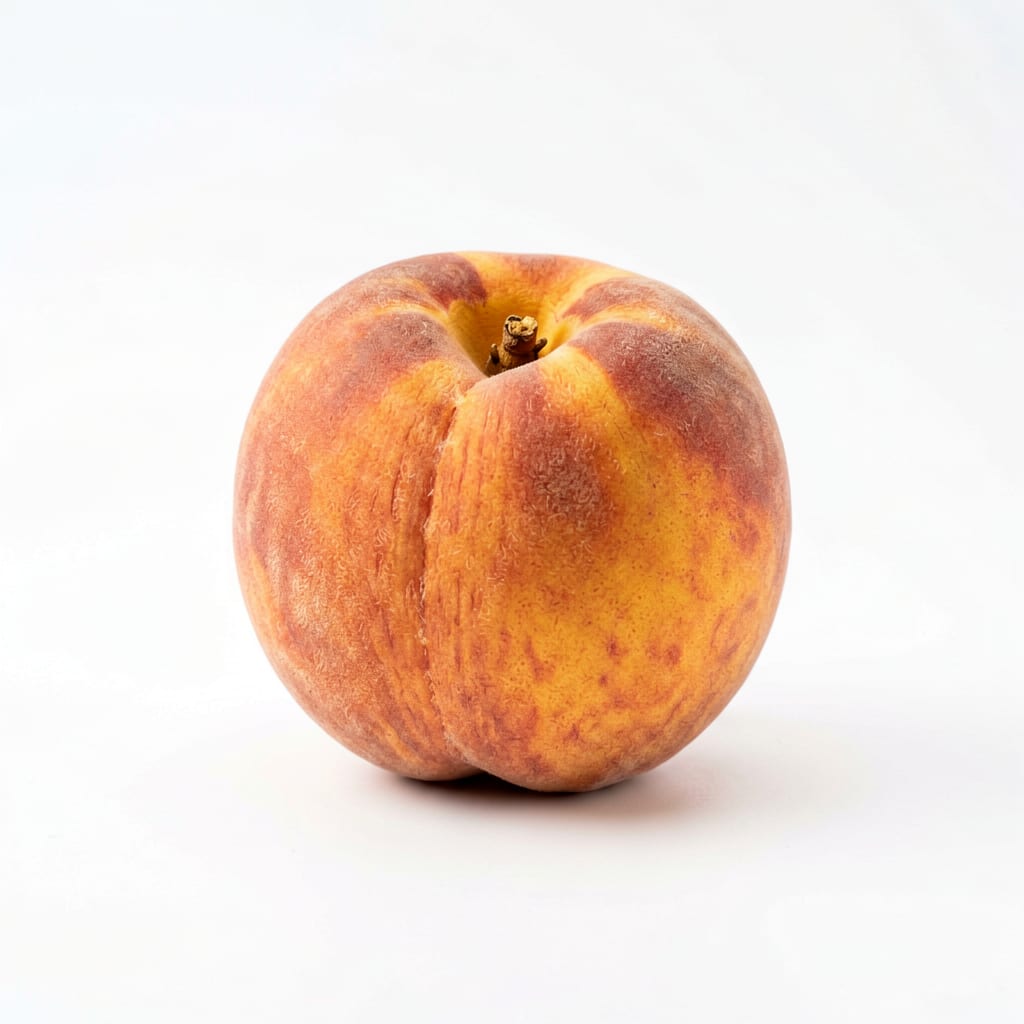
Peach
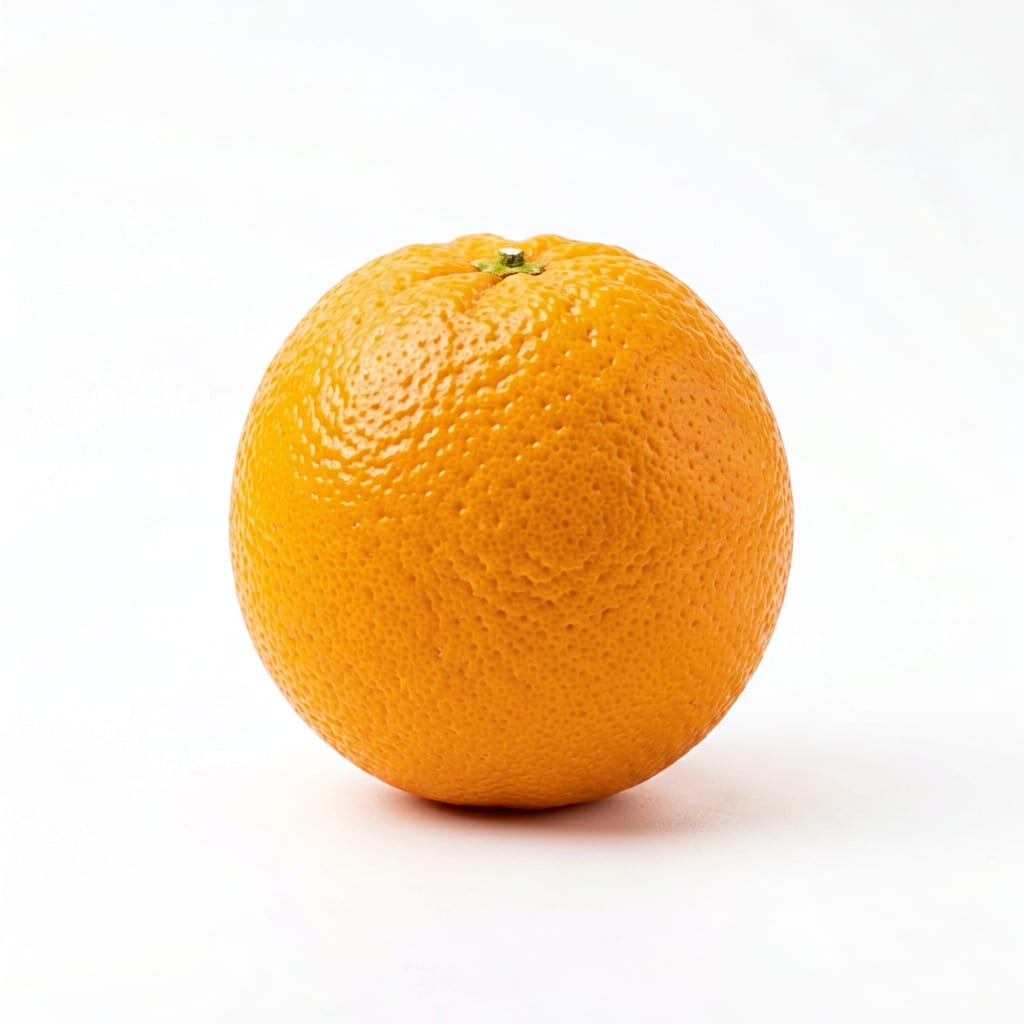
Orange
Oranges deliver far more vitamin C and better satiety, but peaches are gentler on digestion and lower in sugar for those watching intake.
Oranges score higher due to significantly more vitamin C, better satiety, and year-round availability. Peaches remain a strong choice for lower sugar and gentler digestion, but their seasonal limits and lower nutrient density narrow the gap.
Immune-boosting power and fullness from oranges versus lower sugar and softer digestion from peaches.
At a glance
Executive summary
Overall
It depends
Healthier
Orange
More practical
Orange
Daily use
Orange
Key comparison lenses
vitamin C and immune support comparison
Oranges are iconic for vitamin C; users want to know if peaches can substitute
sugar content and blood sugar impact
Both are sweet fruits; sugar-conscious users need clarity on which spikes glucose less
snack convenience and portability
Both are popular grab-and-go fruits with very different handling needs
digestive sensitivity and acidity tolerance
Oranges are acidic and can irritate; peaches are gentler on the stomach
seasonal availability and year-round practicality
Peaches are highly seasonal while oranges are available nearly all year
Best choice for
Peach
- People with acid reflux or sensitive stomachs
- Those limiting sugar but still wanting fruit
- Anyone seeking a light, low-calorie summer snack
- People who find citrus irritating to teeth or mouth
Orange
- Anyone prioritizing immune support and vitamin C
- People wanting a more filling between-meal snack
- Those who need potassium for muscle cramps or recovery
- Families wanting year-round affordable fruit
Least suitable for
Peach
- Anyone relying on fruit as their main vitamin C source
- People wanting a filling snack that curbs hunger for hours
- Those in regions with limited peach availability most of the year
Orange
- People with GERD, acid reflux, or citrus sensitivity
- Those closely monitoring sugar intake per serving
- Anyone with orange allergy or oral allergy syndrome
Deep comparison
Dimension by dimension
Each lens scores both foods and breaks down who each option suits.
- Dimension 1 · Priority 92Orange
Vitamin C and Immune Support
Peach · 25Orange · 95Oranges dominate with roughly 70mg of vitamin C per medium fruit versus only about 6mg in a peach.
Tradeoff
Choosing peaches means you need other vitamin C sources in your diet to avoid falling short.
Why it matters
Vitamin C is not stored in the body, so daily intake matters for immune function, skin health, and iron absorption.
Real-world impact
One orange covers most of your daily vitamin C needs. You would need to eat roughly ten peaches to match that.
Peach
- People who already get vitamin C from other sources like bell peppers or kiwi
Better for
- Those relying on a single fruit for immune support
Worse for
Orange
- Anyone during cold and flu season
- Vegetarians needing to boost iron absorption from meals
- People who do not take a vitamin C supplement
Better for
- People who experience mouth ulcers from high-acid citrus
Worse for
- Dimension 2 · Priority 85Peach
Sugar Content and Blood Sugar Impact
Peach · 78Orange · 62Peaches contain roughly 8-9g of sugar per medium fruit, while oranges pack about 12g with a slightly higher glycemic load.
Tradeoff
Peaches give you sweetness with less glycemic impact, but oranges offer more fiber per serving to slow absorption.
Why it matters
For people managing blood sugar, every gram matters. The difference is modest but consistent.
Real-world impact
A peach feels like a lighter sweet treat. An orange, while not extreme, can nudge blood sugar higher if eaten alone without protein or fat.
Peach
- People with prediabetes or insulin resistance
- Those tracking sugar grams carefully
- Anyone pairing fruit with a meal rather than eating it solo
Better for
- Those wanting fruit to double as an energy recovery snack after exercise
Worse for
Orange
- Athletes needing quick natural sugar post-workout
- People who find low-sugar fruit unsatisfying and end up overeating
Better for
- People trying to minimize sugar while still eating fruit daily
Worse for
- Dimension 3 · Priority 80Orange
Satiety and Fullness
Peach · 55Orange · 75Oranges are denser and more filling per fruit, thanks to more fiber and a thicker, chewier texture that slows eating.
Tradeoff
Peaches feel lighter and more refreshing but leave you hungry sooner, which can lead to reaching for another snack.
Why it matters
A snack that actually holds you over prevents overeating later in the day.
Real-world impact
An orange at 3pm can carry you to dinner. A peach at 3pm often means you are rummaging for something else by 4pm.
Peach
- People who prefer light grazing throughout the day
- Anyone eating fruit as a palate cleanser after a meal rather than a standalone snack
Better for
- Anyone prone to late-afternoon hunger spirals
Worse for
Orange
- People who need one snack to bridge a 3-hour gap between meals
- Those trying to reduce overall daily snacking frequency
Better for
- People who feel uncomfortably full from dense fruit before a workout
Worse for
- Dimension 4 · Priority 74Peach
Digestive Tolerance and Acidity
Peach · 85Orange · 50Peaches are soft, low-acid, and gentle on the digestive tract. Oranges are highly acidic and a common trigger for reflux or heartburn.
Tradeoff
If your stomach is sensitive, oranges can cause real discomfort despite their nutritional advantages.
Why it matters
The healthiest food on paper is useless if it causes pain or digestive distress when you eat it.
Real-world impact
People with GERD often report that oranges trigger symptoms within minutes, while peaches are usually well tolerated even on an empty stomach.
Peach
- Anyone with acid reflux, GERD, or heartburn
- People with sensitive teeth or enamel erosion concerns
- Those who get stomach upset from citrus on an empty stomach
Better for
- Those who need the digestive stimulation that mild acidity can provide
Worse for
Orange
- People with no digestive sensitivity who tolerate citrus well
Better for
- Anyone prone to heartburn, especially when eating fruit before bed
Worse for
- Dimension 5 · Priority 70Orange
Convenience and Year-Round Availability
Peach · 45Orange · 85Oranges are available virtually all year, store well, and travel easily. Peaches are highly seasonal, bruise easily, and spoil fast.
Tradeoff
Peaches at peak ripeness are incredible, but that window is narrow and fragile. Oranges are a reliable staple you can always count on.
Why it matters
A fruit you can actually find and keep fresh is one you will actually eat consistently.
Real-world impact
You can keep oranges in a bowl for two weeks. A ripe peach might last two days before turning mealy or molding.
Peach
- Summer farmers market shoppers who eat fruit immediately
- People who enjoy seasonal eating and do not mind waiting
Better for
- Meal preppers who need fruit to survive a full week in the fridge
- People in cold climates with limited peach season
Worse for
Orange
- Busy households needing a fruit that is always in the store
- People who buy groceries once a week and need produce to last
- Anyone packing lunch snacks the night before
Better for
- Those who find peeling oranges messy or annoying at work
Worse for
- Dimension 6 · Priority 65It depends
Antioxidant Diversity
Peach · 72Orange · 74Oranges provide flavonoids like hesperidin, while peaches offer chlorogenic acid and carotenoids. Both are valuable but different.
Tradeoff
Neither fruit is a clear antioxidant winner. Rotating both gives you broader coverage than eating only one.
Why it matters
Different antioxidants protect different systems. Variety matters more than quantity from a single source.
Real-world impact
Eating oranges supports blood vessel health. Eating peaches supports skin and eye health. Both are worth including.
Peach
- People focused on skin-protective carotenoids
- Those who already eat citrus regularly and want antioxidant variety
Better for
- Anyone expecting peach antioxidants to substitute for citrus flavonoids
Worse for
Orange
- People prioritizing cardiovascular flavonoid intake
- Those who do not eat any other citrus fruits
Better for
- Those missing out on carotenoid diversity by skipping stone fruits
Worse for
Timeline
Health impact over time
Short-term
Hours to days
Peach
- Quick light energy with minimal blood sugar spike
- Comforting and easy on the stomach, even when eaten alone
- Unlikely to cause acid-related discomfort
Orange
- Noticeable immune-supporting vitamin C dose within hours
- More sustained fullness that reduces snacking urges
- Can trigger heartburn or mouth irritation in sensitive people
Long-term
Months to years
Peach
- Consistent low-sugar fruit intake supports stable blood sugar over time
- Carotenoid intake may contribute to skin and eye health
- Limited vitamin C means you must source it elsewhere to avoid deficiency
Orange
- Strong daily vitamin C intake supports immune resilience and collagen production
- Hesperidin from regular orange consumption may improve vascular health
- Higher sugar load matters if oranges are one of many daily fruit servings
Risk profile
Safety & processing
Both peaches and oranges are whole, unprocessed fruits with no additives when eaten fresh. The only concern is pesticide residue on conventionally grown peaches, which consistently rank high on the Dirty Dozen list. Oranges are lower risk because the thick peel is removed before eating.
Peach
Pesticide residue on skin
mediumPeaches rank in the top 5 of the EWG Dirty Dozen list most years. The soft skin absorbs and retains pesticides more than thick-peeled fruit. Washing helps but does not eliminate all residue. Choose organic when possible.
Rapid spoilage and mold
lowPeaches spoil quickly once ripe and can develop mold within days. Damaged or moldy peaches should be discarded entirely, not trimmed, as mold roots can penetrate deep into soft fruit.
Orange
Pesticide residue on peel
lowOranges have thick peels that are removed before eating, significantly reducing pesticide exposure to the edible flesh. If using zest, choose organic to avoid concentrated residue on the outer peel.
Citrus allergy or oral allergy syndrome
lowSome individuals experience itching or swelling in the mouth from citrus proteins. This is more common in people with birch pollen allergies. Cooking or peeling may reduce symptoms but not always.
Who wins for whom
Audience fit
Same foods, different winners depending on your goal.
children
OrangeOranges are easier for kids to handle, store well in lunchboxes, and deliver vitamin C that growing immune systems benefit from. Peaches bruise and leak in lunch bags.
daily consumption
OrangeYear-round availability, better nutrient density, and stronger satiety make oranges a more reliable daily staple.
diabetes
PeachLower sugar content and slightly lower glycemic load make peaches the safer choice, though both should be paired with protein or fat for best blood sugar control.
elderly
PeachPeaches are softer, easier to chew, and gentler on aging digestive systems. The lower acidity is also kinder to medications that already irritate the stomach.
muscle gain
OrangeOranges provide more potassium for muscle cramp prevention and quick natural sugar that helps replenish glycogen after training.
weight loss
PeachPeaches have fewer calories and less sugar per serving while still satisfying a sweet craving, making them easier to fit into a calorie deficit.
Your move
Decision guide
Choose Peach
- You have acid reflux, GERD, or citrus sensitivity
- You are closely tracking sugar or calories
- You want a gentle fruit to eat on an empty stomach
- It is summer and you can get fresh, ripe, local peaches
Choose Orange
- You want maximum vitamin C from a single fruit
- You need a snack that actually holds you over between meals
- You want a fruit you can buy any week of the year
- You are recovering from illness and need immune support
Either works if
- You already eat a varied diet with multiple fruit types
- You are simply looking for a whole-food sweet snack
- You have no digestive issues or sugar constraints
Avoid both if
- You are on a strict very-low-carb or ketogenic diet
- You have fructose intolerance or malabsorption
Final recommendation
Eat both, but lean toward oranges as your daily default and enjoy peaches as a seasonal treat. Oranges give you more nutritional reliability and staying power day to day. Peaches earn their place when digestion is delicate or sugar needs to stay low. The best approach is oranges most days and peaches when they are in season and at their best.
Practical
Consumer tips
- 1
Choose organic peaches when possible, as they consistently rank high for pesticide residue on the skin
- 2
If buying conventional oranges, wash the peel thoroughly before zesting, or use organic zest
- 3
Ripe peaches should yield slightly to pressure but not feel mushy; firm peaches can ripen on the counter for 2-3 days
- 4
Oranges stored in the fridge last up to 3 weeks; peaches last only 2-3 days once ripe
- 5
Pair either fruit with a handful of nuts or a spoonful of nut butter to slow sugar absorption and extend fullness
- 6
Freeze sliced peaches at peak ripeness for smoothies later in the year when fresh ones are unavailable