
Nutrition comparison
Peach vs Nectarine: Which Is Healthier? Nutrition, Pesticides, and Taste Compared
Peach or Nectarine? They look similar but differ in vitamins, pesticide risk, and eating experience. Find out which stone fruit is better for your health goals.
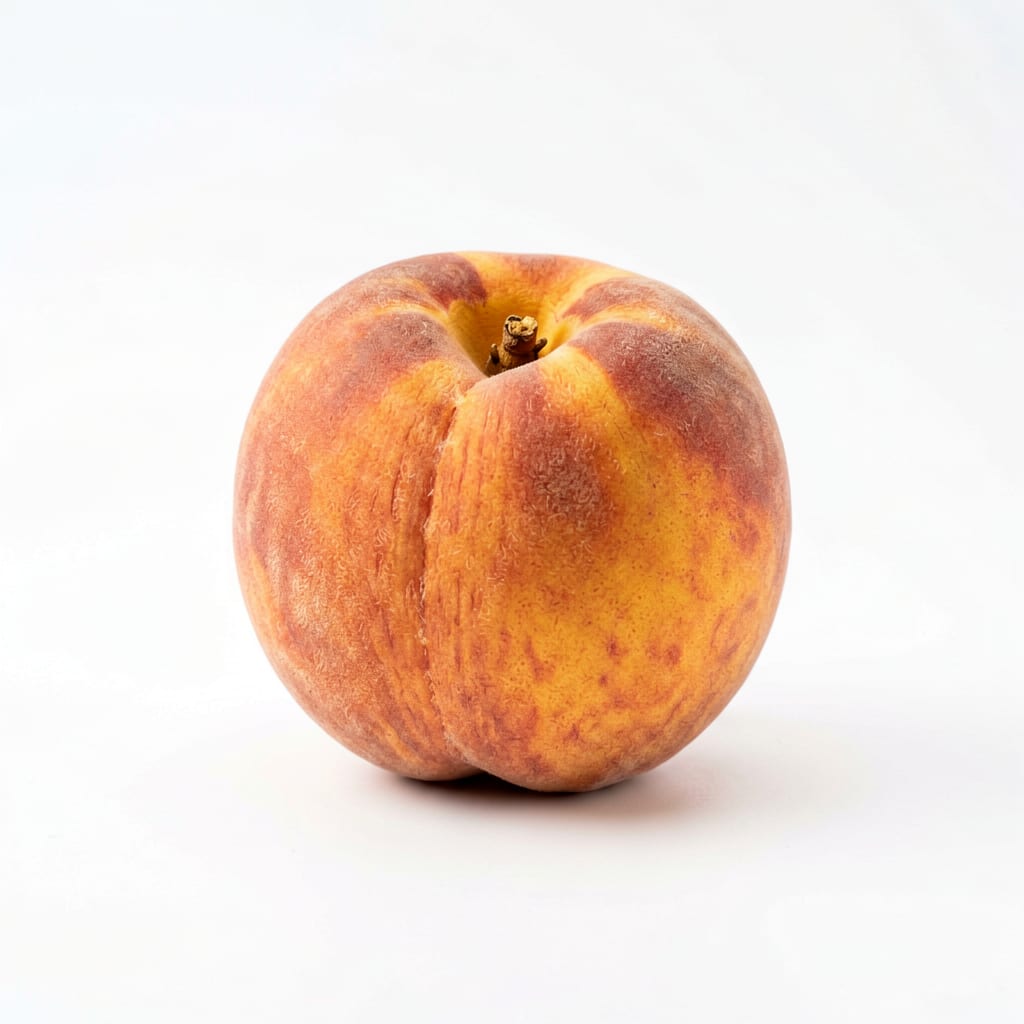
Peach
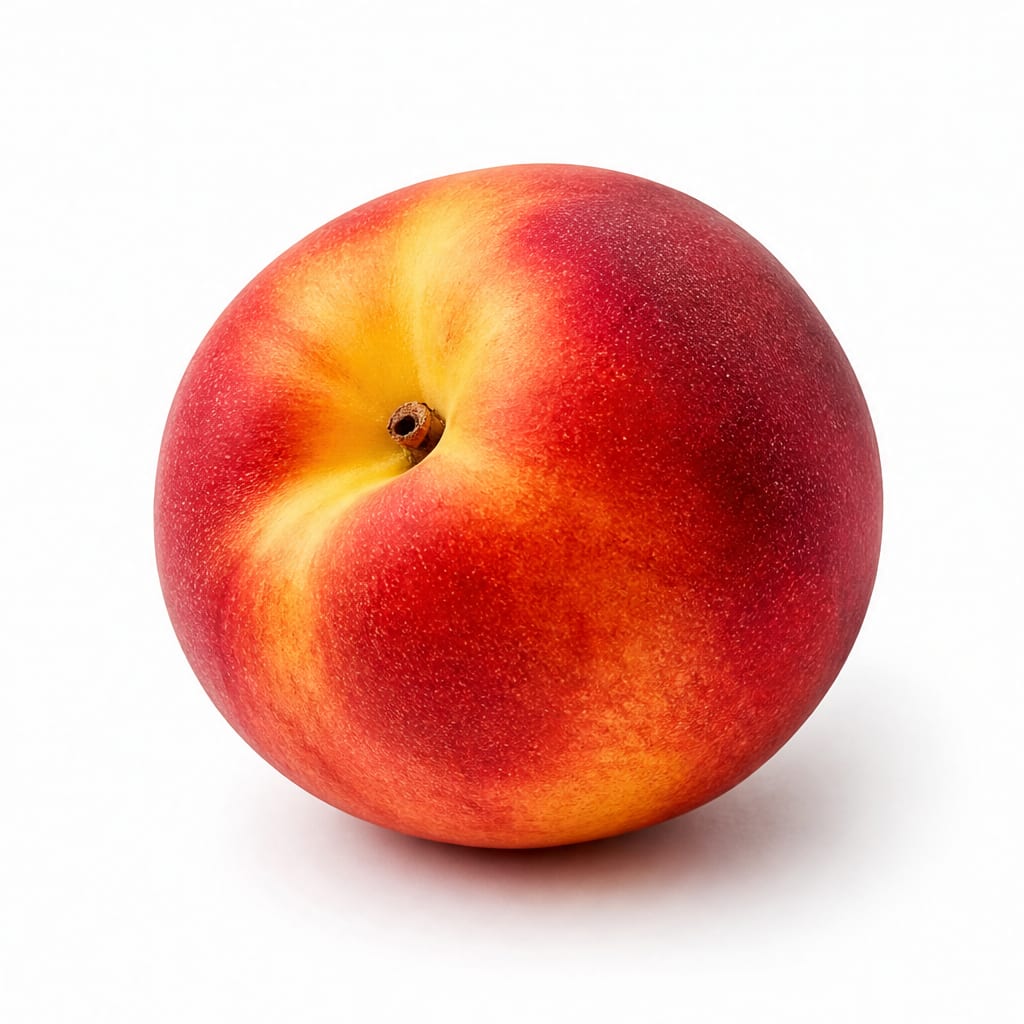
Nectarine
Peach and Nectarine are nutritional twins separated at birth — the real decision comes down to texture preference and pesticide exposure.
Nectarines edge ahead due to smoother skin (better for eating whole), slightly higher vitamin content, and lower pesticide retention. The gap is small because these fruits are genetically nearly identical.
Nectarines offer smoother eating and slightly more vitamins, while Peaches deliver a classic comforting texture and slightly more fiber.
At a glance
Executive summary
Overall
It depends
Healthier
Nectarine
More practical
Nectarine
Daily use
Nectarine
Key comparison lenses
everyday snacking preference
These are nearly identical fruits, so skin texture and eating experience drive most real-world decisions
nutritional micro-optimization
Users comparing these two want to know if the small differences actually matter
pesticide and safety concerns
Both appear on the Dirty Dozen list, but peach fuzz traps more residue than smooth nectarine skin
culinary and recipe use
Baking and cooking applications differ meaningfully between these two
digestive comfort
Fuzzy skin can irritate sensitive throats or digestive tracts
Best choice for
Peach
- People who love the classic fuzzy peach texture
- Baking and grilling recipes where the skin is removed anyway
- Those seeking slightly more fiber per serving
- Anyone making preserves, jams, or cobblers
Nectarine
- Snackers who dislike fuzzy fruit skin
- People concerned about pesticide residue on skin
- Those wanting slightly more vitamin A and C per bite
- Anyone eating fruit on the go without peeling
Least suitable for
Peach
- People with texture sensitivities to fuzzy skin
- Those who eat fruit unwashed or unpeeled in high-pesticide contexts
Nectarine
- Traditional Southern baking recipes that specifically call for Peaches
- Anyone wanting the softest, most melt-in-mouth cooked texture
Deep comparison
Dimension by dimension
Each lens scores both foods and breaks down who each option suits.
- Dimension 1 · Priority 92Nectarine
eating experience and texture
Peach · 68Nectarine · 85Nectarines win for raw snacking — smooth skin means no peeling needed and no fuzzy mouthfeel.
Tradeoff
Peach fuzz is beloved by many but creates friction that some find unpleasant or irritating.
Why it matters
If you will not eat fruit unless it is convenient, Nectarines remove the peel-or-not barrier entirely.
Real-world impact
Grabbing a Nectarine on your commute is effortless. A Peach might leave you wiping fuzz off your lips or avoiding the skin entirely.
Peach
- Traditional dessert recipes
- People who find the fuzzy skin nostalgic and comforting
Better for
- Texture-sensitive eaters
- People who hate peeling fruit
Worse for
Nectarine
- Quick snacking without peeling
- Kids who reject weird textures
- Office or on-the-go fruit eating
Better for
- Classic peach cobbler or pie recipes
- Anyone who specifically craves that fuzzy bite
Worse for
- Dimension 2 · Priority 78Nectarine
vitamin and antioxidant density
Peach · 70Nectarine · 78Nectarines pack slightly more vitamin C, vitamin A, and certain antioxidants per serving than Peaches.
Tradeoff
The difference is real but modest — roughly 10-15% more of key vitamins in Nectarines.
Why it matters
Over months of daily fruit choices, small vitamin differences accumulate into meaningful nutritional gaps.
Real-world impact
Eating a Nectarine daily instead of a Peach is like getting a small free vitamin boost — noticeable over time but not dramatic day-to-day.
Peach
- Situations where fiber matters more than vitamins
Better for
- Those relying heavily on fruit for vitamin C intake
Worse for
Nectarine
- Immune support during cold season
- Skin health optimization
- Anyone not taking a multivitamin
Better for
- Not a meaningful concern — Nectarines are strong here
Worse for
- Dimension 3 · Priority 72Peach
fiber and digestive comfort
Peach · 76Nectarine · 72Peaches contain slightly more fiber, especially when eaten with the skin, supporting steadier digestion.
Tradeoff
The fuzzy skin that adds fiber can also irritate sensitive digestive tracts or scratch throats.
Why it matters
For anyone managing constipation or blood sugar, extra fiber from whole Peaches is a quiet advantage.
Real-world impact
A whole Peach with skin gives you roughly half a gram more fiber than a Nectarine — helpful but not life-changing.
Peach
- Digestive regularity support
- Blood sugar stabilization
- Feeling slightly more full after eating
Better for
- People with IBS who react to skin texture
- Children who gag on fuzzy textures
Worse for
Nectarine
- Sensitive stomachs irritated by fuzzy skin
- Throat sensitivity or scratchiness concerns
Better for
- Those counting every gram of fiber for gut health
Worse for
- Dimension 4 · Priority 80Nectarine
pesticide exposure and safety
Peach · 58Nectarine · 68Both fruits are on the Dirty Dozen list, but Peach fuzz traps and holds more pesticide residue than smooth Nectarine skin.
Tradeoff
Washing helps both, but Peach fuzz physically holds onto chemicals more stubbornly.
Why it matters
If you cannot afford organic, Nectarines are the safer conventional choice for skin-on eating.
Real-world impact
Eating conventional Peaches with the skin means more pesticide exposure than conventional Nectarines with the skin. Peeling either fruit removes most residue.
Peach
- Situations where you peel the fruit anyway — pesticide difference vanishes
Better for
- Eating unwashed conventional Peaches with skin
- Children eating non-organic Peaches whole
Worse for
Nectarine
- Eating conventional (non-organic) fruit with skin on
- Budget-conscious shoppers who cannot buy organic
Better for
- Still high pesticide risk if conventional and unwashed
Worse for
- Dimension 5 · Priority 65Peach
culinary versatility
Peach · 82Nectarine · 74Peaches are the gold standard for baking, grilling, and preserving — their texture and flavor hold up better in cooked applications.
Tradeoff
Nectarines work in most recipes but can become slightly mealy when baked or cooked at high heat.
Why it matters
If you cook with fruit regularly, Peaches deliver more reliable results across techniques.
Real-world impact
Peach cobbler, grilled Peach salad, and Peach jam are iconic for a reason. Nectarine versions are good but rarely as luscious.
Peach
- Pies, cobblers, and crisps
- Grilling and roasting
- Jams, preserves, and canning
- Southern and classic American desserts
Better for
- Raw presentations where fuzzy skin looks unappealing
Worse for
Nectarine
- Raw salads and fresh salsas
- Fruit platters where appearance matters
- Smoothies where skin texture is blended away
Better for
- Baked goods that need that soft, melting Peach texture
Worse for
- Dimension 6 · Priority 60It depends
sugar and blood sugar impact
Peach · 72Nectarine · 72Sugar content and glycemic impact are nearly identical — both are low-glycemic fruits that most people can enjoy freely.
Tradeoff
Nectarines taste slightly sweeter to many people, which could lead to eating more, but the metabolic difference is negligible.
Why it matters
Neither fruit is a blood sugar concern for most people, so this dimension should not drive your choice.
Real-world impact
Both fruits are safe for most people managing blood sugar. Pair with nuts or cheese for even steadier energy.
Peach
- Slightly less sweet taste may reduce overeating
Better for
- No meaningful downside here
Worse for
Nectarine
- Same glycemic impact with more satisfying sweetness
Better for
- No meaningful downside here
Worse for
Timeline
Health impact over time
Short-term
Hours to days
Peach
- Mild blood sugar rise that stabilizes within an hour
- Fuzzy skin may cause slight throat scratchiness in sensitive individuals
- Quick hydration from high water content
Nectarine
- Similar gentle blood sugar response
- Smoother eating experience with no throat irritation
- Refreshing and light — easy to eat multiple without feeling heavy
Long-term
Months to years
Peach
- Consistent fiber intake supports gut health and regularity
- Antioxidant consumption helps protect cells from oxidative stress
- Conventional Peach consumption may contribute to higher cumulative pesticide exposure if eaten daily with skin
Nectarine
- Slightly higher vitamin C and A intake supports immune and skin health over time
- Lower pesticide residue on skin reduces long-term chemical exposure
- Same fiber and antioxidant benefits as Peaches with marginally more vitamin density
Risk profile
Safety & processing
Both Peaches and Nectarines are whole, unprocessed fruits. Neither contains additives when purchased fresh. The only processing concern is canned versions packed in syrup — always choose water-packed or fresh for both.
Peach
Pesticide residue on fuzzy skin
mediumPeaches consistently rank in the top 5 of the EWG Dirty Dozen list. The fuzzy skin traps and holds pesticide residues more effectively than smooth fruit skin.
Foodborne illness from surface contamination
lowFuzzy skin can harbor bacteria more readily than smooth skin. Always wash thoroughly before eating.
Nectarine
Pesticide residue on skin
mediumNectarines also appear on the Dirty Dozen list, but smooth skin holds less residue than Peach fuzz. Washing is still essential.
Bruising and spoilage
lowSmooth skin shows bruises more visibly and Nectarines can soften quickly, increasing spoilage risk if not consumed promptly.
Who wins for whom
Audience fit
Same foods, different winners depending on your goal.
children
NectarineKids often reject fuzzy textures. Smooth Nectarine skin is more kid-friendly, and the slightly sweeter taste appeals to young palates.
daily consumption
NectarineLower pesticide retention, smoother eating experience, and slightly more vitamins make Nectarines the marginally better daily habit fruit.
diabetes
It dependsBoth have low glycemic loads and similar sugar profiles. Either is safe in moderation. Peaches edge ahead slightly on fiber, which slows sugar absorption marginally.
elderly
NectarineSmooth texture is easier on sensitive mouths and throats. Nectarines also provide slightly more vitamin A, which supports aging eyes.
muscle gain
It dependsNeither fruit is a meaningful protein source. Both provide quick carbs useful post-workout. Choose based on taste preference.
weight loss
It dependsBoth are low-calorie, high-water fruits. Nectarines taste slightly sweeter, which may satisfy cravings with fewer total fruits eaten. Peaches have marginally more fiber, which helps with fullness. The difference is negligible.
Your move
Decision guide
Choose Peach
- You are baking, grilling, or making preserves
- The fuzzy texture is part of the joy for you
- You peel your fruit anyway — pesticide difference disappears
- You want slightly more fiber per serving
Choose Nectarine
- You eat fruit whole and on the go
- You buy conventional produce and worry about pesticides
- You or your kids dislike fuzzy skin
- You want the maximum vitamin boost per calorie
Either works if
- You are buying organic — pesticide difference vanishes
- You are blending into smoothies — texture difference vanishes
- You are simply craving stone fruit — both are excellent choices
Avoid both if
- You have a stone fruit allergy or birch pollen syndrome
- You are on a strict very-low-carb or keto diet
- You have FODMAP sensitivity to excess fructose
Final recommendation
For daily snacking, Nectarines win by a small margin — smoother eating, more vitamins, and less pesticide worry. For cooking and baking, Peaches remain the classic choice. When both are organic, pick whichever tastes better to you. The nutritional gap is too small to override enjoyment.
Practical
Consumer tips
- 1
Buy organic whenever possible — both Peaches and Nectarines are Dirty Dozen regulars
- 2
If buying conventional, wash both thoroughly under running water and rub the skin gently
- 3
Peeling conventional Peaches removes most pesticide residue but also removes fiber
- 4
Choose firm but slightly yielding fruit for both — rock-hard means underripe, mushy means overripe
- 5
Nectarines bruise more visibly, so check carefully before purchasing
- 6
Ripen both fruits at room temperature, then refrigerate to extend shelf life by 2-3 days
- 7
Frozen Peaches and Nectarines retain nearly all their nutrients and are great for smoothies