
Nutrition comparison
Peach vs Mango: Which Fruit Is Healthier for You?
Compare Peach and Mango nutrition — sugar, vitamins, calories, and health benefits side by side. Find out which fruit fits your diet, blood sugar goals, and lifestyle better.
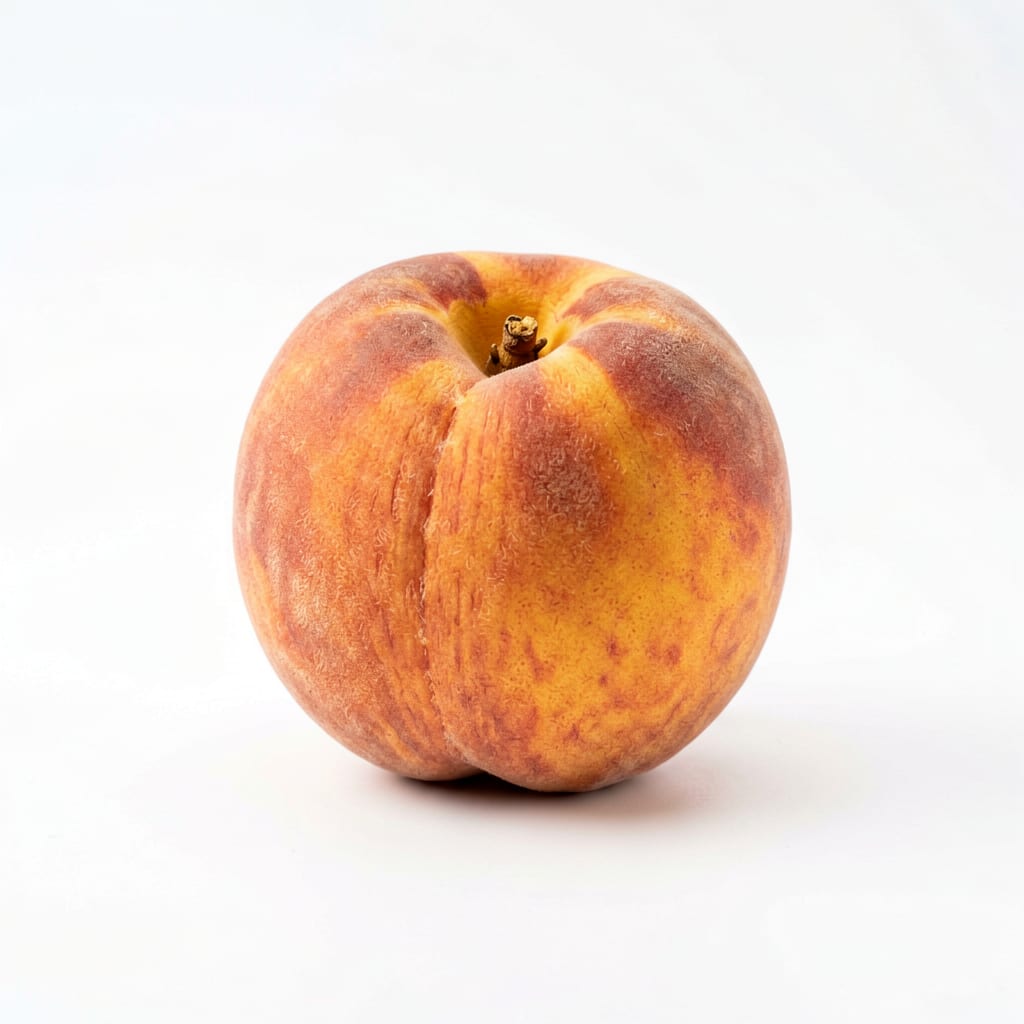
Peach
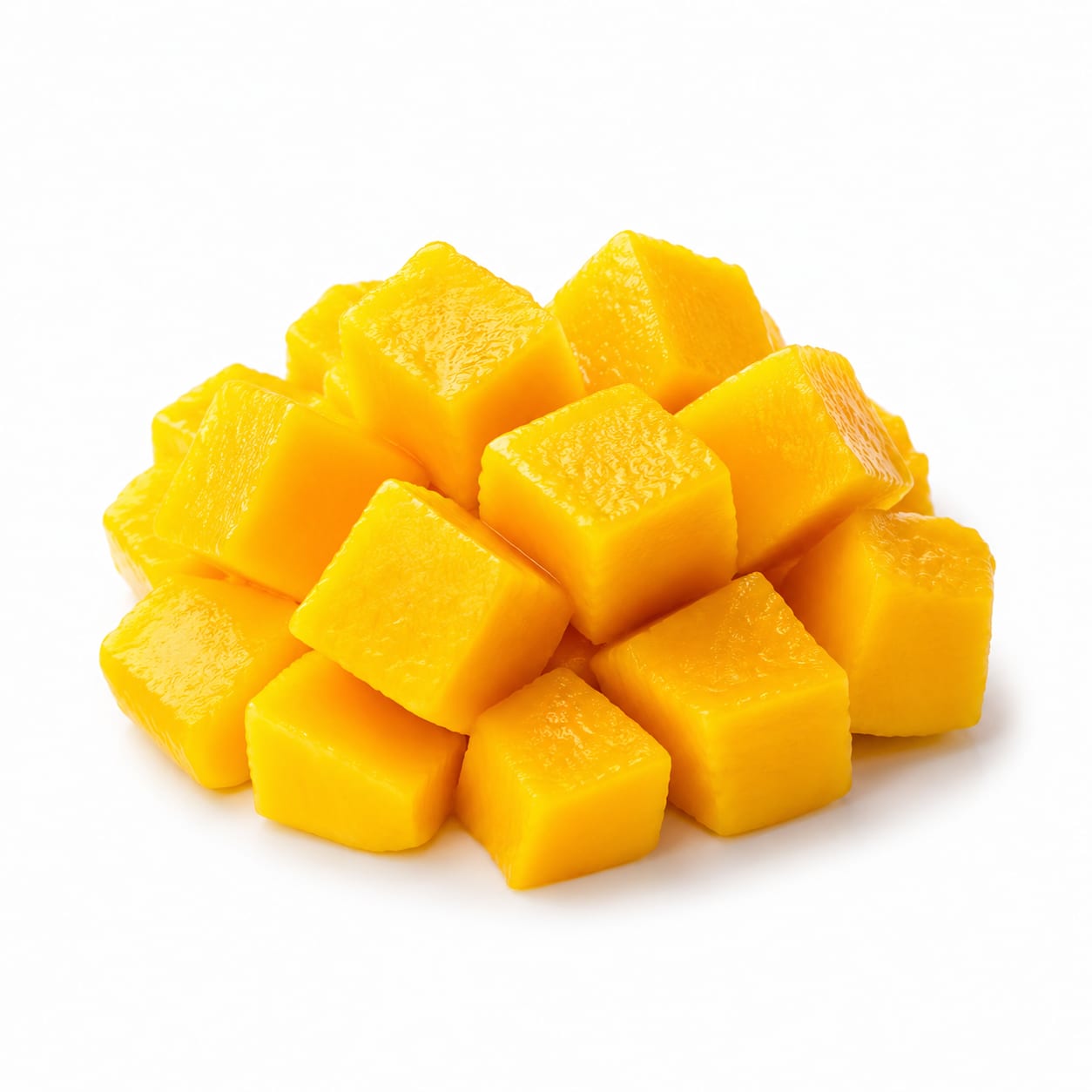
Mango
Peach is the lighter, lower-sugar everyday fruit. Mango is the nutrient powerhouse that costs more calories and sugar.
Mango scores slightly higher due to superior vitamin and antioxidant content, but Peach stays competitive because of its lower sugar and calorie profile. The close scores reflect that neither is universally better — it depends on what you prioritize.
Mango delivers far more vitamins and antioxidants but carries significantly more sugar and calories per serving than Peach
At a glance
Executive summary
Overall
It depends
Healthier
It depends
More practical
Peach
Daily use
Peach
Key comparison lenses
sugar and blood impact
Mango has nearly double the sugar content of Peach, making glycemic load the most consequential difference for daily eating decisions
vitamin density
Mango dramatically outperforms Peach on vitamins A and C, which is the primary nutritional reason to choose it
weight management
Calorie and sugar differences make Peach the leaner option for portion-conscious eaters
antioxidant and anti inflammatory
Mango contains unique polyphenols like mangiferin that Peach lacks entirely
digestive tolerance
Both fruits are gentle, but Mango's digestive enzymes and higher fiber give it a slight edge for sensitive stomachs
Best choice for
Peach
- Blood sugar management and low-carb eating
- Weight loss and calorie counting
- Multiple servings per day without overloading sugar
- Gentle, light snacking between meals
Mango
- Boosting vitamin A and C intake quickly
- Anti-inflammatory and immune support
- Pre- or post-workout natural energy
- Tropical flavor satisfaction with functional nutrients
Least suitable for
Peach
- Meeting high vitamin C needs from fruit alone
- Those wanting nutrient density per calorie from supplements-like food
- Athletes needing quick carbohydrate energy
Mango
- Strict low-sugar or keto diets
- Diabetics monitoring glycemic load carefully
- Those who struggle with portion control on sweet foods
Deep comparison
Dimension by dimension
Each lens scores both foods and breaks down who each option suits.
- Dimension 1 · Priority 92Peach
Blood Sugar Impact
Peach · 82Mango · 58Peach has roughly half the sugar of Mango per serving, making it far easier on blood glucose.
Tradeoff
Mango's higher sugar delivers quick energy but risks spikes if you're sedentary or insulin-resistant
Why it matters
Steady blood sugar means fewer cravings, better focus, and less afternoon fatigue
Real-world impact
A Peach as a morning snack won't derail your energy. A full Mango might leave you reaching for more food an hour later.
Peach
- Diabetics and prediabetics
- Low-carb eaters
- People prone to sugar crashes
Better for
- Situations requiring rapid energy replenishment
Worse for
Mango
- Athletes needing fast carbs before training
- Underweight individuals seeking calorie-dense fruit
Better for
- Sedentary evening snacking
- Anyone counting net carbs carefully
Worse for
- Dimension 2 · Priority 88Mango
Vitamin and Mineral Density
Peach · 48Mango · 91Mango is dramatically richer in vitamins A and C, folate, and several B vitamins compared to Peach.
Tradeoff
You get more micronutrients from Mango but at the cost of more sugar and calories to access them
Why it matters
Vitamin C supports immunity and skin health. Vitamin A is critical for vision and cell function. Getting these from whole fruit is more sustainable than supplements.
Real-world impact
One cup of Mango covers most of your daily vitamin C needs. You'd need to eat several Peaches to match that.
Peach
- Those already meeting vitamin needs through other foods
- People who prefer spreading nutrients across diverse sources
Better for
- Reliance on Peach as a primary vitamin C source will fall short
Worse for
Mango
- Anyone with low vitamin C or A intake
- Immune support during cold season
- Skin health focused diets
Better for
- Those who already supplement these vitamins and don't need extra sugar to get them
Worse for
- Dimension 3 · Priority 80Peach
Calorie Efficiency
Peach · 85Mango · 62Peach delivers satisfying fruit flavor at roughly 60% of Mango's calorie cost per serving.
Tradeoff
Mango is more filling per serving but requires more caloric budget to enjoy
Why it matters
When you're managing weight, every 40-50 calories per snack adds up over weeks and months
Real-world impact
Two Peaches cost about the same calories as one cup of Mango. If you like volume, Peach lets you eat more for less.
Peach
- Calorie-restricted diets
- Volume eaters who want more food for fewer calories
- Grazing throughout the day
Better for
- When you need calorie density for energy or weight gain
Worse for
Mango
- One-and-done snackers who prefer a single satisfying portion
- Active people who can afford the calories
Better for
- Cutting phases where every calorie matters
Worse for
- Dimension 4 · Priority 75Mango
Antioxidant and Anti-Inflammatory Power
Peach · 55Mango · 86Mango contains mangiferin, quercetin, and other polyphenols that Peach simply doesn't offer in comparable amounts.
Tradeoff
These compounds are genuinely beneficial but come packaged with Mango's higher sugar load
Why it matters
Chronic inflammation drives aging and disease. Food-based anti-inflammatories are more sustainable than pills.
Real-world impact
Regular Mango consumption has been linked to reduced inflammatory markers in studies. Peach offers mild benefits but nothing comparable.
Peach
- Those getting antioxidants from berries and other low-sugar sources
Better for
- Reliance on Peach alone for antioxidant intake is insufficient
Worse for
Mango
- Anti-aging and longevity-focused diets
- People with inflammatory conditions seeking food-based support
- Anyone not eating berries regularly
Better for
- Those who could get similar antioxidants from lower-sugar berries instead
Worse for
- Dimension 5 · Priority 65Mango
Digestive Friendliness
Peach · 72Mango · 78Both fruits are easy on digestion, but Mango's digestive enzymes and higher fiber give it a slight advantage.
Tradeoff
Mango's enzymes help break down food, but its higher sugar can ferment in sensitive guts
Why it matters
Bloating and discomfort after fruit is common. Enzyme-rich fruits tend to feel lighter in the stomach.
Real-world impact
Mango after a heavy meal can actually aid digestion. Peach is gentle but doesn't actively assist.
Peach
- Those with fructose sensitivity who need lower sugar loads
- IBS-D patients who react to fermentable carbs
Better for
- Situations where digestive enzyme support would help
Worse for
Mango
- Sluggish digestion and bloating after meals
- Older adults with declining digestive enzyme production
Better for
- Fructose malabsorption and FODMAP-sensitive individuals
Worse for
Timeline
Health impact over time
Short-term
Hours to days
Peach
- Light, hydrating energy without sugar crash
- Unlikely to cause bloating or digestive discomfort
- May not satisfy strong sweet cravings effectively
Mango
- Noticeable energy boost from natural sugars
- Possible blood sugar spike if eaten on an empty stomach
- Can feel heavy if consumed in large portions
Long-term
Months to years
Peach
- Easier to maintain as a daily fruit habit without calorie creep
- Lower cumulative sugar exposure over months and years
- Modest but consistent fiber and micronutrient support
Mango
- Stronger immune and skin health support from consistent vitamin C and A intake
- Anti-inflammatory benefits accumulate with regular consumption
- Higher daily sugar intake if not portion-controlled
Risk profile
Safety & processing
Both Peach and Mango are whole, unprocessed fruits when eaten fresh. Neither contains additives. The main concern is pesticide residue on conventional Peach skins — Peach consistently appears on the EWG Dirty Dozen list, while Mango is typically on the Clean Fifteen. Choose organic Peaches if you eat the skin.
Peach
Pesticide residue on skin
mediumPeach ranks high on the EWG Dirty Dozen list. Non-organic Peaches frequently carry multiple pesticide residues. Washing helps but doesn't eliminate all exposure. Peeling removes most residue but also loses fiber and nutrients.
Mango
Cross-reaction with latex allergy
mediumMango contains urushiol-related compounds in its skin, similar to poison ivy. People with latex-fruit syndrome may experience oral allergy symptoms. The flesh is generally safe, but always peel Mango and avoid touching the skin directly.
Sorbitol and fructose load
lowHigh fructose and sorbitol content can trigger symptoms in people with IBS or fructose malabsorption. This is dose-dependent — small portions are usually fine.
Who wins for whom
Audience fit
Same foods, different winners depending on your goal.
children
MangoKids benefit from Mango's higher vitamin A for growth and development, and the sweeter taste improves acceptance. Just watch portion size.
daily consumption
PeachLower sugar and calorie load makes Peach more sustainable as a multiple-times-per-day fruit without accumulating excess sugar
diabetes
PeachLower glycemic load and roughly half the sugar make Peach significantly safer for blood glucose management
elderly
MangoMango's digestive enzymes, higher folate, and vitamin A support aging digestive systems and immune function. Softer texture when ripe is also easier to chew.
muscle gain
MangoHigher carbohydrate content provides useful training fuel, and vitamin C supports collagen synthesis for joint and tissue repair
weight loss
PeachFewer calories and less sugar per serving make Peach easier to fit into a calorie deficit without triggering cravings
Your move
Decision guide
Choose Peach
- You're watching your sugar intake or managing blood glucose
- You want a light fruit you can eat multiple times daily without guilt
- You're counting calories and prefer volume over density
- You're sensitive to fructose or have IBS triggers
- You eat organic and want a clean, simple everyday fruit
Choose Mango
- You need a vitamin C and A boost, especially in winter
- You're active and want fruit that doubles as training fuel
- You don't eat many berries and need antioxidant support
- You want something satisfying enough to replace dessert
- You're feeding kids who need nutrient-dense fruit they'll actually enjoy
Either works if
- You just want a healthy whole fruit snack and have no specific health concerns
- You're already eating a varied diet with plenty of other fruits and vegetables
- You rotate fruits seasonally and enjoy both throughout the year
Avoid both if
- You're on a strict ketogenic diet and cannot spare the carbs
- You have a severe fructose intolerance that limits all stone and tropical fruits
- You're allergic to either urushiol compounds or stone fruit proteins
Final recommendation
Eat Peach as your everyday fruit and Mango as your nutrient booster. Peach is the smarter daily default because it's easier on blood sugar and calories. But swapping in Mango a few times per week gives you a vitamin and antioxidant upgrade that Peach can't match. The best approach is rotation — not choosing one forever.
Practical
Consumer tips
- 1
Buy organic Peaches if you eat the skin — they're consistently high in pesticide residue. Organic Mango matters less since it's on the Clean Fifteen list.
- 2
Always peel Mango skin to avoid urushiol exposure, especially if you have sensitive skin or latex allergy.
- 3
A Peach with slight give but no soft spots is perfectly ripe. Rock-hard Peaches can sit on the counter for 1-2 days.
- 4
Mango is ripe when it yields to gentle pressure near the stem and smells fragrant at the ends. Color alone is unreliable.
- 5
Freeze sliced Mango for smoothies — it maintains texture and nutrients well. Frozen Peach works too but gets softer.
- 6
Half a Mango is often enough for one serving. The full fruit can push 45g of sugar, which rivals a candy bar in glucose impact.
- 7
Pair either fruit with a handful of nuts or a spoon of yogurt to slow sugar absorption and extend satiety.