
Nutrition comparison
Peach vs Cherry: Which Fruit Is Healthier for You?
Compare peach and cherry nutrition, antioxidants, sugar content, and health benefits. Find out which fruit is better for weight loss, diabetes, sleep, and daily snacking.
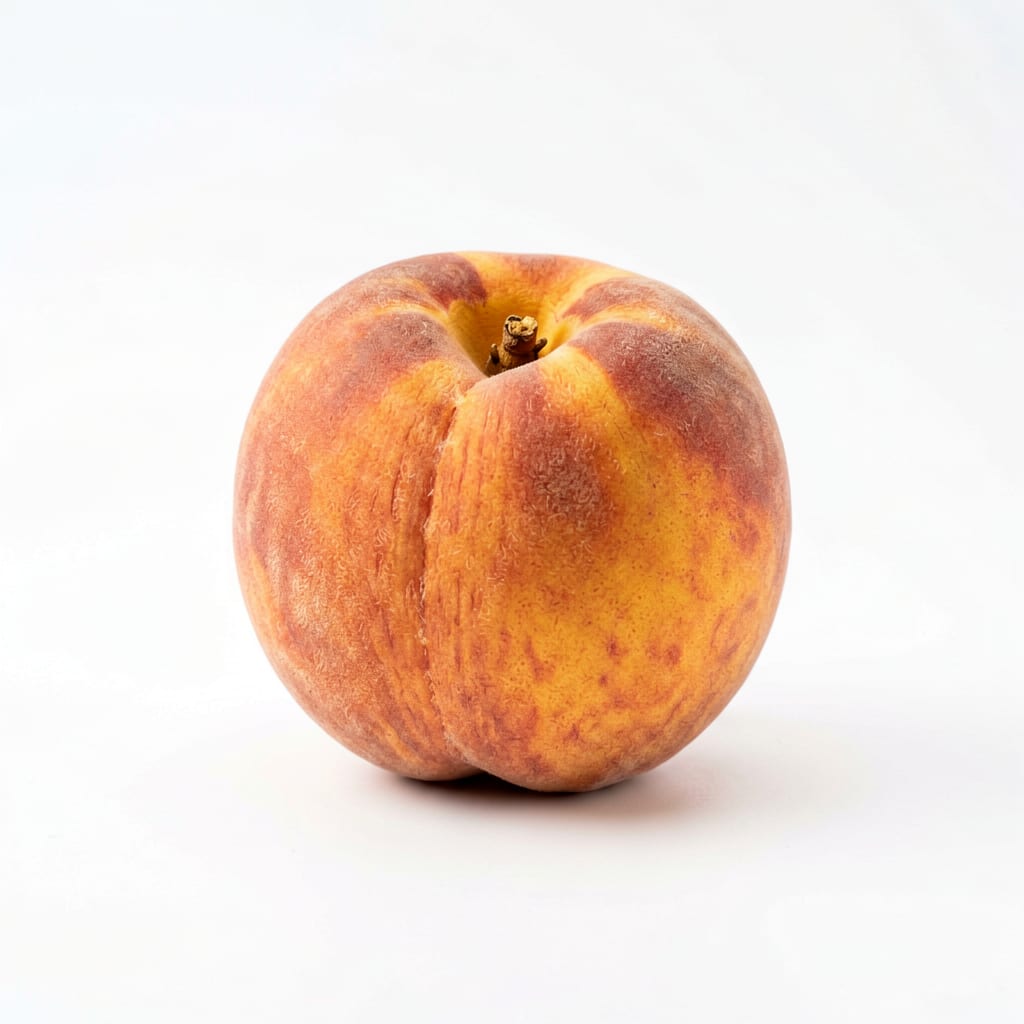
Peach
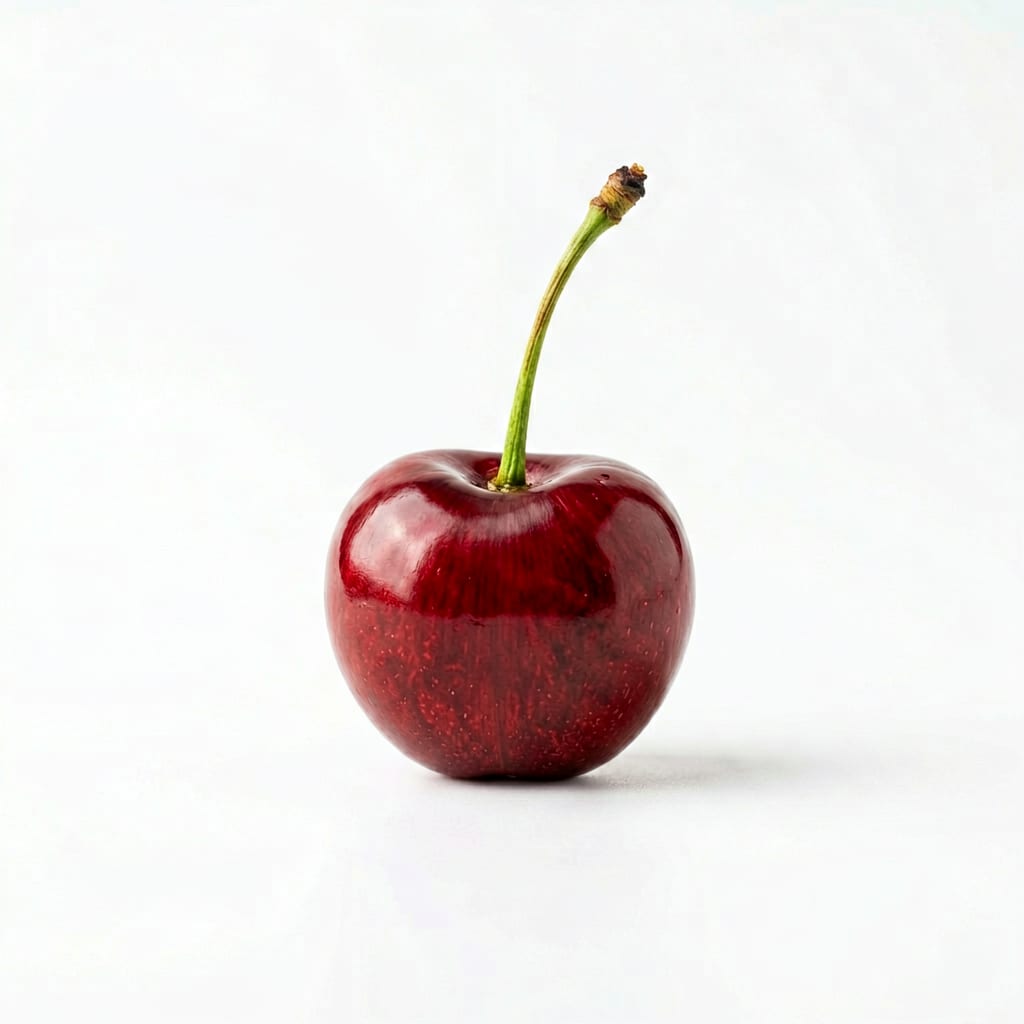
Cherry
Cherries win on antioxidants and recovery benefits; peaches win on convenience, hydration, and lower sugar per serving.
Cherries edge ahead on health density due to superior antioxidants and recovery benefits, but peaches stay competitive thanks to lower sugar, better hydration, and everyday practicality. The gap is small because both are whole fruits with strong nutritional profiles.
Cherries deliver more anti-inflammatory power and sleep support but cost more and are fiddlier to eat. Peaches are refreshing, easier to snack on, and gentler on blood sugar.
At a glance
Executive summary
Overall
It depends
Healthier
Cherry
More practical
Peach
Daily use
Peach
Key comparison lenses
antioxidant and anti inflammatory benefits
Cherries are renowned for anthocyanins and inflammation reduction, making this the most clinically meaningful difference between these two fruits
blood sugar and diabetes friendliness
Both are sweet fruits, so sugar load and glycemic impact are top-of-mind for health-conscious users
snack convenience and eating experience
Peaches are bite-and-go while cherries require pit management, a real-world factor that affects daily use
sleep and recovery optimization
Cherries contain natural melatonin and are studied for sleep and exercise recovery, a unique differentiator
weight management and calorie efficiency
Both are low-calorie fruits but differ in calorie density and how easy they are to overeat
Best choice for
Peach
- People who want a hydrating, low-sugar snack
- Anyone needing quick grab-and-go fruit
- Those managing blood sugar closely
- Hot weather refreshment seekers
Cherry
- Athletes focused on muscle recovery
- People with joint pain or inflammation
- Those seeking better sleep naturally
- Anyone wanting maximum antioxidant bang per bite
Least suitable for
Peach
- People specifically targeting anti-inflammatory diets
- Athletes wanting post-workout recovery fruit
- Those seeking sleep-supportive foods
Cherry
- People watching their budget closely
- Anyone annoyed by pitting or messiness
- Those who struggle with portion control on small snack foods
- People on very low-sugar diets
Deep comparison
Dimension by dimension
Each lens scores both foods and breaks down who each option suits.
- Dimension 1 · Priority 95Cherry
Antioxidant & Anti-Inflammatory Power
Peach · 45Cherry · 90Cherries dominate this category with anthocyanins that give them their deep red color and potent anti-inflammatory effects.
Tradeoff
You get far more inflammation-fighting compounds from cherries, but you pay a premium price for that benefit.
Why it matters
Chronic inflammation drives joint pain, heart disease, and aging. Cherries are one of the best fruit sources for fighting it.
Real-world impact
Regular cherry consumption is linked to reduced gout attacks and less post-exercise muscle soreness — benefits peaches simply cannot match.
Peach
- Those specifically targeting inflammation reduction
Worse for
Cherry
- People with arthritis or joint stiffness
- Athletes recovering from intense training
- Anyone seeking anti-aging antioxidant support
Better for
- Dimension 2 · Priority 88Peach
Blood Sugar Impact
Peach · 82Cherry · 68Peaches have a lower glycemic load per typical serving and less sugar per bite, making them the steadier choice for blood sugar.
Tradeoff
Cherries pack more sugar into a smaller package, and their snackability makes it easy to eat a large bowl before realizing it.
Why it matters
Even natural fruit sugar adds up. For anyone watching glucose levels, the serving-size-to-sugar ratio matters.
Real-world impact
A single medium peach satisfies with modest sugar. A bowl of cherries can quietly deliver double the sugar before you feel full.
Peach
- People with prediabetes or diabetes
- Anyone trying to minimize sugar spikes
- Those tracking carbohydrate intake carefully
Better for
Cherry
- People who mindlessly snack on fruit
- Those on strict low-sugar protocols
Worse for
- Dimension 3 · Priority 82Peach
Convenience & Eating Experience
Peach · 88Cherry · 55Peaches are a grab-and-bite fruit. Cherries require pitting, stain fingers, and are messier to eat on the go.
Tradeoff
Cherries are more snackable in small portions but far less convenient as a quick standalone fruit.
Why it matters
The fruit you actually reach for beats the one that sits in the fridge because it is annoying to prep.
Real-world impact
A peach works at your desk, in the car, or on a walk. Cherries demand a pit bowl and stained fingertips.
Peach
- Busy professionals needing fast snacks
- Parents packing school lunches
- Anyone eating fruit while commuting
Better for
Cherry
- Leisurely snacking at home with a bowl
Better for
- On-the-go eaters
- Anyone who dislikes messy hands
Worse for
- Dimension 4 · Priority 78Cherry
Sleep & Recovery Support
Peach · 25Cherry · 85Cherries, especially tart varieties, are one of the few natural food sources of melatonin and have proven exercise recovery benefits.
Tradeoff
You need to consume cherries consistently for sleep benefits, and tart cherries are an acquired taste compared to sweet ones.
Why it matters
Natural sleep support is rare in food. Cherries offer a genuine, evidence-backed advantage here.
Real-world impact
Athletes drinking tart cherry juice report less soreness and better sleep. Peaches offer nothing comparable in this domain.
Peach
- Anyone specifically seeking sleep-supportive foods
Worse for
Cherry
- People with insomnia or poor sleep quality
- Runners and strength athletes
- Older adults with sleep disruptions
Better for
- Dimension 5 · Priority 72Peach
Hydration & Refreshment
Peach · 90Cherry · 65Peaches are juicier and more water-dense, making them more refreshing and filling per calorie.
Tradeoff
That high water content means peaches are less nutrient-dense per bite compared to the more concentrated cherry.
Why it matters
On a hot day or after exercise, a water-rich fruit satisfies thirst and hunger simultaneously.
Real-world impact
Biting into a ripe peach feels like drinking and eating at once. Cherries satisfy but never feel truly hydrating.
Peach
- Hot climate dwellers
- Post-workout refreshment seekers
- Anyone who finds plain water boring
Better for
Cherry
- Those wanting maximum nutrients per bite
Worse for
- Dimension 6 · Priority 68Peach
Cost & Accessibility
Peach · 75Cherry · 55Peaches are generally cheaper per pound and more widely available fresh. Cherries, especially premium varieties, carry a significant price premium.
Tradeoff
Cherries cost more partly because they are harder to harvest and more perishable — that cost reflects real agricultural difficulty.
Why it matters
A fruit you can afford to eat daily beats a superfruit you only buy occasionally as a treat.
Real-world impact
A bag of peaches often costs half what a similar weight of cherries runs. For families on a budget, this matters weekly.
Peach
- Budget-conscious shoppers
- Families buying fruit in bulk
- Anyone wanting affordable daily fruit
Better for
Cherry
- Households watching grocery spending
Worse for
Timeline
Health impact over time
Short-term
Hours to days
Peach
- Quick hydration from high water content
- Mild blood sugar rise that stabilizes relatively fast
- Refreshing satiety that curbs sweet cravings without heavy sugar load
Cherry
- Noticeable antioxidant intake even from a single serving
- Potential mild blood sugar spike if eating a large bowl
- Stained fingers and teeth from potent pigments — a sign of concentrated polyphenols
Long-term
Months to years
Peach
- Consistent low-sugar fruit intake supports stable weight management
- Vitamin A and C contribute to skin health and immune resilience
- Unlikely to cause sugar-related issues even with daily consumption
Cherry
- Reduced inflammatory markers with regular consumption
- Improved sleep quality over weeks of consistent intake
- Lower uric acid levels reducing gout flare frequency
- Higher cumulative antioxidant intake supporting cellular aging defense
Risk profile
Safety & processing
Both peaches and cherries are whole, unprocessed fruits when purchased fresh. Neither carries additive concerns in their natural state. The main naturalness consideration is pesticide exposure — both are commonly sprayed crops, so organic matters more here than processing level.
Peach
Pesticide residue
mediumPeaches consistently appear on the EWG Dirty Dozen list. Non-organic peaches carry notable pesticide residue. Washing helps but does not eliminate all exposure.
Allergic cross-reactivity
lowPeople with birch pollen allergy may experience oral allergy syndrome with raw peaches — itching or swelling in the mouth. Cooking usually resolves this.
Cherry
Pesticide residue
mediumCherries also rank high for pesticide residue. Sweet cherries in particular tend to carry multiple pesticide types. Organic is strongly preferable.
Choking hazard from pits
lowCherry pits pose a choking risk for young children and can crack teeth if bitten accidentally. Always pit cherries before serving to kids.
Cyanogenic compounds in pits
lowCherry pits contain amygdalin, which releases cyanide when crushed and ingested. Accidentally swallowing a whole pit is harmless, but deliberately crushing and eating multiple pits is dangerous.
Who wins for whom
Audience fit
Same foods, different winners depending on your goal.
children
PeachPeaches are easier for kids to handle, have no choking hazard from pits, and their mild sweetness appeals to young palates without excessive sugar.
daily consumption
PeachLower cost, easier prep, and lower sugar make peaches more sustainable as a daily staple. Cherries are better as a targeted supplement-style addition a few times per week.
diabetes
PeachLower glycemic load per serving and less sugar make peaches the safer choice for blood sugar management. Portion control is also easier with a single peach versus an open bowl of cherries.
elderly
It dependsCherries support joint health and sleep, both critical for older adults. But peaches are softer, easier to chew, and gentler on digestion. Choose based on whether joint pain or digestive ease is the bigger concern.
muscle gain
CherryCherries reduce exercise-induced muscle damage and soreness, supporting more consistent training. Neither fruit is a protein source, but cherries directly aid recovery.
weight loss
PeachPeaches offer more volume and hydration per calorie, making them more filling for fewer calories. Their larger size also naturally limits overconsumption compared to easy-to-binge cherries.
Your move
Decision guide
Choose Peach
- You want a refreshing, low-sugar everyday fruit
- Budget is a factor in your grocery decisions
- You need grab-and-go convenience without mess
- You are managing blood sugar or watching carbohydrate intake
- You want something hydrating during hot months
Choose Cherry
- Joint inflammation or gout is a personal health concern
- You are an athlete seeking natural recovery support
- Sleep quality is a priority and you want food-based solutions
- You want maximum antioxidant density per bite
- You enjoy leisurely snacking and do not mind the prep
Either works if
- You simply want more whole fruit variety in your diet
- Neither fruit is a dietary staple and you are rotating seasonally
- You are healthy and just craving something sweet and natural
Avoid both if
- You have a strict very-low-carb or keto protocol that limits all fruit
- You have a known allergy to stone fruits
- You are on a tight budget and need cheaper calorie sources
Final recommendation
Eat peaches daily for refreshment and easy nutrition. Add cherries a few times per week for their anti-inflammatory and recovery benefits. Together they cover more health ground than either alone. If you must pick one, choose peaches for sustainability and cherries for targeted health outcomes.
Practical
Consumer tips
- 1
Buy organic for both fruits — they rank high for pesticide residue and you eat the skin
- 2
Freeze cherries when in season for year-round smoothie and recovery drink use
- 3
Choose firm but fragrant peaches — rock-hard ones may never ripen properly
- 4
Tart cherries deliver more recovery and sleep benefits than sweet cherries, but taste more sour
- 5
Wash both fruits thoroughly even if organic, as surface residue and handling contaminants are common
- 6
Pit cherries before storing them in the fridge — it makes snacking easier and removes the choking risk upfront
- 7
If peaches ripen too fast, refrigerate them to buy a couple extra days before they go mushy