
Nutrition comparison
Peach vs Banana: Which Fruit Is Better for Weight Loss, Blood Sugar, and Snacking?
Compare peach and banana nutrition including calories, sugar, potassium, and pesticide risk. Find out which fruit is better for weight loss, diabetes, athletes, and daily snacking.
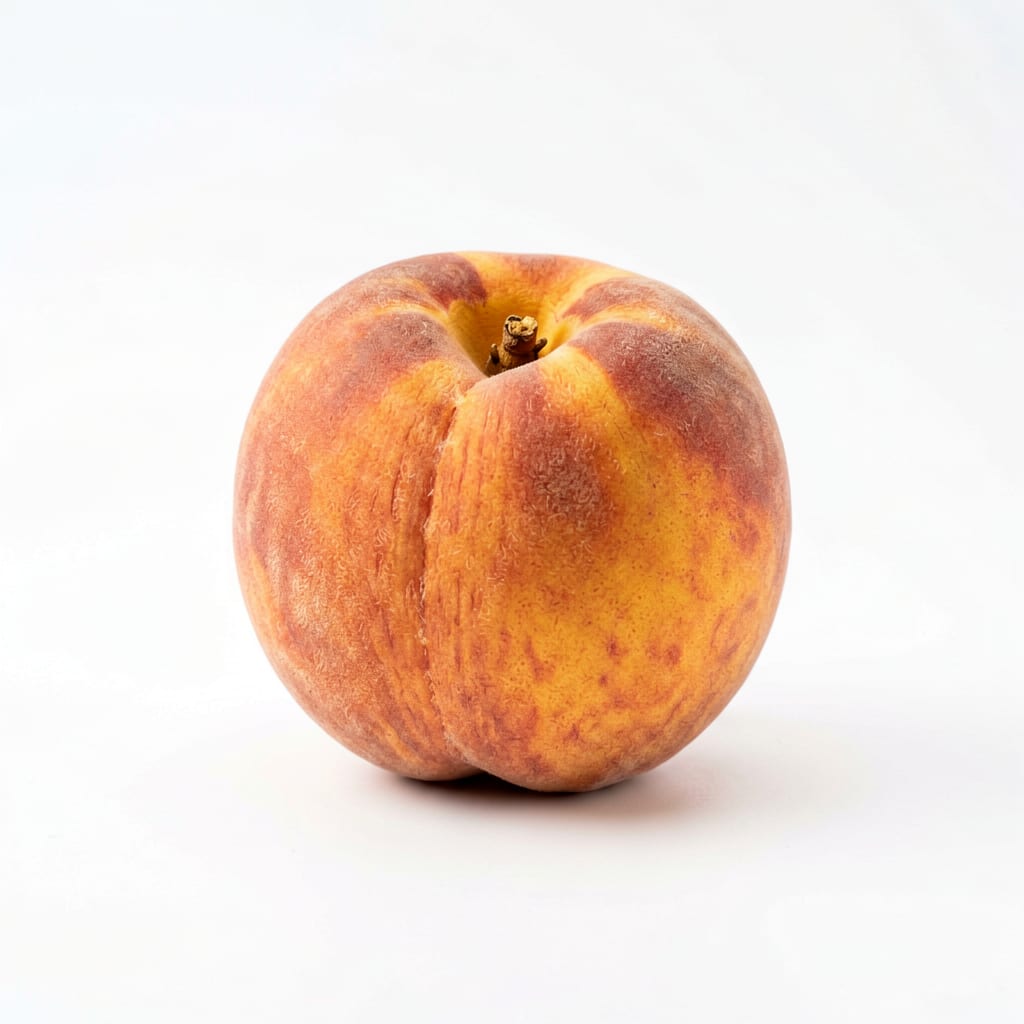
Peach
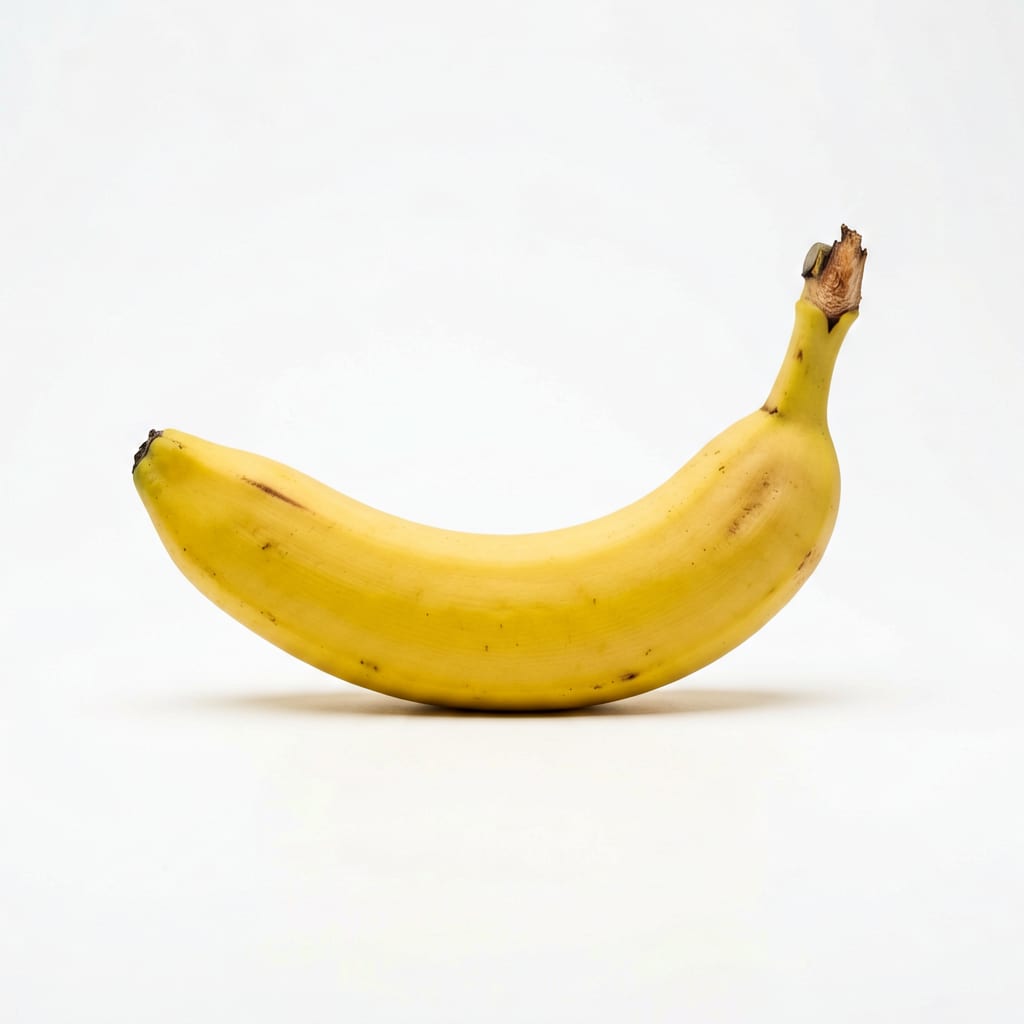
Banana
Peaches are lighter and lower-sugar; bananas are more filling and fuel-ready. Your pick depends on whether you want a refreshing low-calorie bite or sustained energy.
Bananas edge ahead slightly due to superior satiety, potassium content, and everyday practicality. Peaches win on calorie efficiency and blood sugar gentleness but lose on convenience and pesticide concerns. The gap is small because both are whole fruits with strong nutritional profiles.
Peaches give you fewer calories and gentler blood sugar impact, but bananas deliver more satiety, potassium, and on-the-go practicality.
At a glance
Executive summary
Overall
It depends
Healthier
It depends
More practical
Banana
Daily use
Banana
Key comparison lenses
blood sugar management
Bananas are significantly higher in sugar and carbs, making glycemic impact the most critical differentiator
weight loss snacking
Both are popular snack fruits but differ greatly in calorie density and satiety
on-the-go convenience
Bananas are famously portable while peaches bruise easily and drip juice
pesticide exposure
Peaches consistently rank on the Dirty Dozen list while bananas have natural peel protection
athletic fuel and recovery
Bananas are a staple endurance fuel; peaches are rarely used for performance
Best choice for
Peach
- Low-carb and keto-curious eaters
- People managing blood sugar or insulin resistance
- Calorie-conscious snackers wanting volume
- Anyone craving something light and hydrating
Banana
- Athletes and runners needing quick fuel
- People wanting a filling between-meal snack
- Those needing portable mess-free fruit
- Anyone low on potassium or prone to cramps
Least suitable for
Peach
- Athletes needing concentrated carb fuel
- People wanting a shelf-stable desk snack
- Anyone bothered by pesticide concerns who cannot buy organic
Banana
- Strict low-carb dieters
- People with poorly controlled diabetes
- Those sensitive to sugar spikes without protein pairing
Deep comparison
Dimension by dimension
Each lens scores both foods and breaks down who each option suits.
- Dimension 1 · Priority 92Peach
Blood Sugar Stability
Peach · 78Banana · 55Peaches have roughly half the sugar and a lower glycemic load, making them much easier on blood sugar.
Tradeoff
You get steadier energy with peaches but miss out on the quick fuel bananas provide during exercise.
Why it matters
If you sit at a desk all day, a banana can cause a sugar crash. A peach gives you sweetness without the rollercoaster.
Real-world impact
A mid-afternoon peach is less likely to leave you hungry again 45 minutes later compared to a banana.
Peach
- Sedentary office workers
- People with prediabetes or insulin resistance
- Low-carb eaters wanting fruit
Better for
- Situations requiring quick energy like marathon fueling
Worse for
Banana
- Athletes mid-workout
- Endurance runners at aid stations
- Anyone needing rapid carb replenishment
Better for
- Late-night snacking when blood sugar should stay flat
- Sedentary mornings when carb load is unnecessary
Worse for
- Dimension 2 · Priority 88Banana
Satiety and Fullness
Peach · 52Banana · 74Bananas are denser and more filling per piece, while peaches are watery and light.
Tradeoff
Bananas quiet your hunger longer but come with more calories. Peaches feel refreshing but may leave you reaching for another snack soon.
Why it matters
If you are trying to cut snacking frequency, a banana actually helps more despite higher calories.
Real-world impact
One banana at 10am can hold you until lunch. A peach at 10am often means you are hungry again by 11.
Peach
- People who prefer grazing and small frequent bites
- Anyone wanting a light dessert after a meal
Better for
- Long gaps between meals where you need lasting fullness
Worse for
Banana
- Breakfast skippers needing one filling item
- People trying to reduce between-meal snacking
- Kids who need sustained energy at school
Better for
- Right before a heavy meal when you want to stay light
Worse for
- Dimension 3 · Priority 85Peach
Calorie Efficiency
Peach · 86Banana · 62A medium peach has about 58 calories versus a medium banana at 105. Nearly half the calories for a similar eating experience.
Tradeoff
You can eat two peaches for the calories of one banana, but you still may not feel as full.
Why it matters
For volume eaters who want to feel like they ate a lot without consuming much, peaches are the clear winner.
Real-world impact
On a 1500-calorie diet, swapping one daily banana for a peach saves you roughly 47 calories. Over a year that is about 17,000 calories saved.
Peach
- Calorie counters tracking every bite
- Volume eaters wanting more food for fewer calories
- Anyone in a cutting phase
Better for
- When you genuinely need more caloric fuel
Worse for
Banana
- Underweight individuals needing easy calories
- Athletes in a bulk phase
- Hikers burning high calories
Better for
- When every calorie counts toward a deficit
Worse for
- Dimension 4 · Priority 85Banana
Convenience and Portability
Peach · 40Banana · 92Bananas come in their own sturdy packaging, do not bruise easily in a bag, and create zero mess. Peaches are delicate, bruise in transit, and drip juice.
Tradeoff
Bananas are the ultimate grab-and-go fruit. Peaches require more care and are best eaten at home with a napkin.
Why it matters
The best fruit for you is the one you actually eat. If peaches are too annoying to carry, you might skip fruit entirely.
Real-world impact
Tossing a banana in your gym bag is effortless. Packing a peach requires a container or careful placement, and it may still arrive bruised.
Peach
- Eating at home where mess does not matter
- Slicing into yogurt or oatmeal at breakfast
Better for
- Backpacking or hiking where durability matters
- Hot car storage
Worse for
Banana
- Commute snacking
- Gym bag fuel
- Desk drawer stash at work
- Kids lunchboxes
Better for
- Formal settings where eating with hands feels awkward
Worse for
- Dimension 5 · Priority 78It depends
Micronutrient Profile
Peach · 70Banana · 72Bananas dominate in potassium and vitamin B6. Peaches win on vitamin C and vitamin A. Both offer modest fiber.
Tradeoff
If you need potassium for cramps or blood pressure, bananas are superior. If you want immune and skin support, peaches have the edge.
Why it matters
Most people are not deficient in either nutrient, but if you are specifically targeting one, the choice becomes obvious.
Real-world impact
A daily banana covers about 9% of your potassium needs, which matters for active people. A peach covers about 15% of vitamin C, helpful during cold season.
Peach
- People wanting immune and skin support from vitamin C
- Anyone low on vitamin A for eye health
Better for
- Potassium-deficient diets lacking other sources
Worse for
Banana
- Athletes prone to muscle cramps
- People managing blood pressure through potassium intake
- Pregnant women needing vitamin B6
Better for
- Vitamin C-poor diets that need a boost
Worse for
- Dimension 6 · Priority 78Banana
Pesticide and Contamination Risk
Peach · 45Banana · 85Peaches are consistently on the EWG Dirty Dozen list with high pesticide residue. Bananas have thick peels that shield the edible flesh from most spray exposure.
Tradeoff
You can largely avoid peach pesticide risk by buying organic, but that costs more. Conventional bananas are already quite safe.
Why it matters
If you cannot afford organic produce, bananas are a safer conventional choice. Peaches are one of the worst fruits to buy conventionally.
Real-world impact
A conventionally grown peach can carry residue from dozens of pesticides. A conventional banana, once peeled, exposes you to very little.
Peach
- People who always buy organic and have the budget
Better for
- Families on tight budgets who cannot prioritize organic
Worse for
Banana
- Budget-conscious shoppers buying conventional
- Anyone concerned about cumulative pesticide exposure
Better for
- Situations where pesticide risk is already well-managed
Worse for
Timeline
Health impact over time
Short-term
Hours to days
Peach
- Quick hydration from high water content
- Gentle blood sugar response without crash
- Light feeling in the stomach, unlikely to cause bloating
Banana
- Noticeable energy boost within 15-20 minutes
- More sustained fullness lasting 1-2 hours
- Can cause mild bloating in sensitive individuals due to resistant starch in less-ripe bananas
Long-term
Months to years
Peach
- Lower cumulative sugar intake supports metabolic health
- Vitamin C and antioxidants support skin aging defense
- Pesticide exposure risk accumulates if always eating conventional peaches
Banana
- Consistent potassium intake supports cardiovascular health and blood pressure regulation
- Resistant starch in slightly green bananas feeds beneficial gut bacteria over time
- Higher daily sugar from habitual banana consumption may catch up if not offset by activity
Risk profile
Safety & processing
Both are whole, unprocessed fruits with no additives. This is a tie and a strength for both options. Neither contains preservatives, added sugar, or artificial ingredients when eaten fresh.
Peach
Pesticide residue on conventional peaches
highPeaches rank in the top 5 of the EWG Dirty Dozen nearly every year. Multiple pesticide residues are commonly detected on conventionally grown peaches. Washing helps but does not eliminate all residue.
Bruising and mold from delicate skin
mediumDamaged peach skin can allow mold growth. Always inspect for soft spots and discard bruised areas rather than cutting around them.
Banana
Choking hazard for young children
mediumWhole bananas or large pieces can be a choking risk for toddlers. Always slice lengthwise and into small pieces for children under 4.
Latex-fruit syndrome cross-reactivity
lowPeople with latex allergies may react to bananas due to similar proteins. Symptoms are usually mild mouth itching but can occasionally be more serious.
Who wins for whom
Audience fit
Same foods, different winners depending on your goal.
children
BananaBananas are easier for kids to hold, eat without mess, and digest. Their natural sweetness and soft texture make them a reliable kid favorite.
daily consumption
BananaBananas are more practical, affordable, consistent in quality year-round, and easier to incorporate into daily routines without special handling.
diabetes
PeachLower glycemic load and less sugar per serving make peaches gentler on blood sugar, though portion control still matters for both.
elderly
BananaPotassium supports blood pressure management, soft texture is easy to chew, and the digestive tolerance is excellent for aging stomachs.
muscle gain
BananaMore carbs for glycogen replenishment and higher potassium for muscle recovery make bananas the better post-workout choice.
weight loss
PeachHalf the calories per piece and lower sugar make peaches easier to fit into a calorie deficit without triggering cravings.
Your move
Decision guide
Choose Peach
- You are watching your blood sugar or cutting carbs
- You want a low-calorie sweet treat that feels light
- You eat mostly at home and do not need portability
- You can buy organic and want to avoid pesticide exposure
- You prefer refreshing, juicy fruit over dense and creamy
Choose Banana
- You need pre- or post-workout fuel
- You want one fruit that actually keeps you full
- You need a mess-free snack for commuting or the office
- You are on a budget and buying conventional produce
- You want year-round consistency in taste and price
Either works if
- You just want a whole fruit instead of processed snacks
- You are mixing fruit into oatmeal, smoothies, or yogurt
- You rotate fruits throughout the week for variety
Avoid both if
- You are on a strict ketogenic diet keeping carbs under 20g
- You have fructose intolerance or malabsorption
- You need high-protein snacks and these displace protein sources
Final recommendation
Keep both in rotation. Eat bananas when you need fuel, fullness, or convenience. Reach for peaches when you want something lighter, lower in sugar, or refreshing. If you can only pick one for daily use, bananas win on practicality. If you are managing weight or blood sugar, peaches are the smarter default.
Practical
Consumer tips
- 1
Buy organic peaches when possible. They are one of the highest-pesticide conventional fruits and the thin skin absorbs spray easily.
- 2
Choose slightly green bananas if you want slower-digesting resistant starch. Choose fully ripe or spotted bananas for quicker energy and sweeter taste.
- 3
Pair either fruit with a protein or fat source like nuts, cheese, or Greek yogurt to blunt the blood sugar response and extend satiety.
- 4
Freeze overripe bananas for smoothies. Freeze sliced peaches for a refreshing summer snack or blender addition.
- 5
Wash peaches thoroughly even if you plan to peel them, as knife blades can push surface residue into the flesh.
- 6
Do not store peaches in the fridge until fully ripe. Cold temperatures halt ripening and cause mealy texture.
- 7
Bananas are one of the most affordable fruits per calorie, making them a budget-friendly staple for families.