
Nutrition comparison
Peach vs Apricot: Nutrition Comparison, Health Benefits & Which to Choose
Peach or apricot? Compare nutrition, vitamins, sugar, and health benefits side by side. Apricots win on vitamin A and nutrient density; peaches win on hydration and satiety.
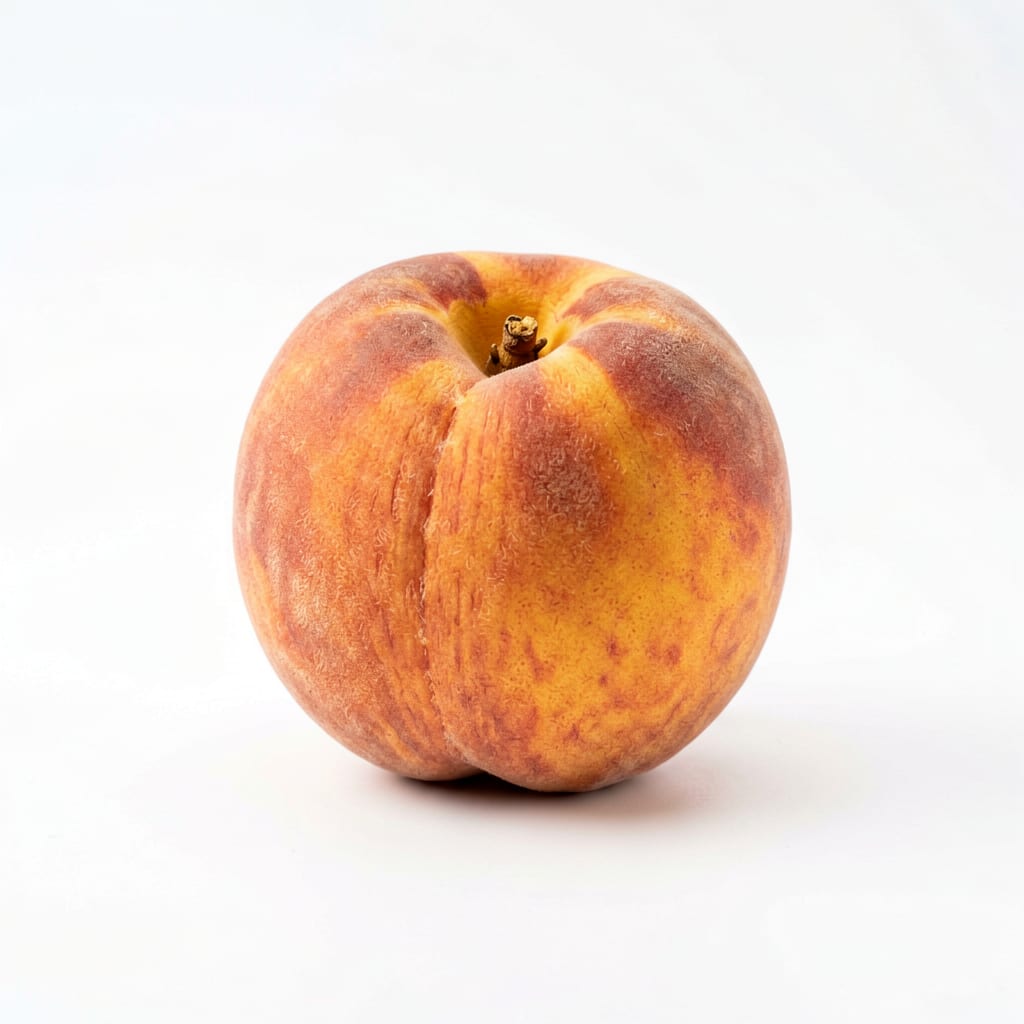
Peach
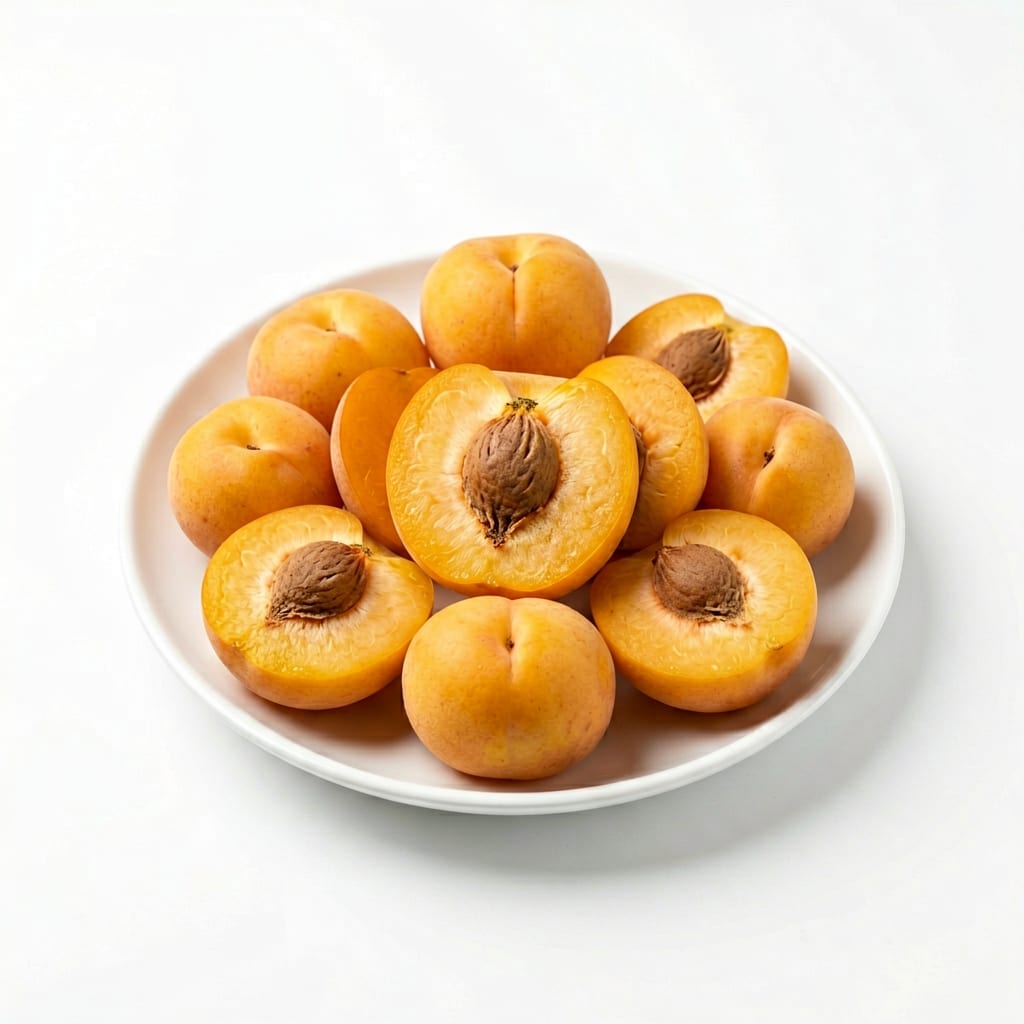
Apricot
Apricots win on nutrient density and eye health, while peaches win on hydration, satiety, and eating pleasure. Both are excellent choices with different strengths.
Apricots score higher due to superior nutrient density, especially vitamin A and potassium. Peaches remain strong for satiety and hydration but offer less nutritional punch per calorie.
Apricots pack more vitamins per bite, but peaches deliver more volume and water for fewer calories, making them more filling.
At a glance
Executive summary
Overall
It depends
Healthier
Apricot
More practical
Peach
Daily use
It depends
Key comparison lenses
nutrient density per calorie
These fruits are similar in calories but differ significantly in vitamin and mineral concentration, making nutrient density the key differentiator
eye health and vitamin A
Apricots deliver dramatically more beta-carotene and vitamin A, a defining nutritional advantage worth highlighting
sugar and blood sugar impact
Both are sweet stone fruits, so understanding their glycemic differences matters for daily snacking decisions
portion control and satiety
Peaches are larger and juicier while apricots are small and dense, affecting how satisfying each feels as a snack
antioxidant diversity
Each fruit offers distinct antioxidant profiles that serve different health goals
Best choice for
Peach
- People who want a hydrating, satisfying snack that feels substantial
- Those counting calories who prefer larger food volume
- Anyone needing a gentle, easy-to-digest fruit
- Hot weather refreshment and thirst-quenching
Apricot
- People focused on eye health and vitamin A intake
- Those wanting maximum nutrients per calorie
- Anyone with higher iron needs
- People who prefer portable, bite-sized snacking
Least suitable for
Peach
- People specifically targeting vitamin A deficiency
- Those wanting concentrated nutrition in small portions
- Anyone who finds fuzzy skin texture unpleasant
Apricot
- People who tend to overeat dried fruit and need portion control
- Those wanting a high-volume, hydrating snack experience
- Anyone sensitive to higher natural sugar concentration per bite
Deep comparison
Dimension by dimension
Each lens scores both foods and breaks down who each option suits.
- Dimension 1 · Priority 90Apricot
nutrient_density
Peach · 60Apricot · 88Apricots deliver substantially more vitamins and minerals per calorie, especially vitamin A, potassium, and iron.
Tradeoff
Peaches offer more food volume for fewer calories, but that volume is mostly water rather than concentrated nutrition.
Why it matters
If you eat limited calories, apricots give you more nutritional return on your calorie investment.
Real-world impact
A handful of apricots covers roughly 20% of your daily vitamin A needs; you would need several peaches to match that.
Peach
- Staying full on fewer calories
- Hydration-focused snacking
Better for
- Vitamin A intake falls short compared to apricots
- Less potassium per serving
Worse for
Apricot
- Meeting vitamin and mineral needs efficiently
- Supporting eye health daily
- Getting more iron from fruit sources
Better for
- Smaller serving size may feel less satisfying
- Easier to overeat if consuming dried apricots
Worse for
- Dimension 2 · Priority 75Peach
blood_sugar_stability
Peach · 74Apricot · 68Peaches have a slightly lower glycemic load per typical serving and more water content, which slows sugar absorption.
Tradeoff
Fresh apricots have marginally more sugar per 100g, but the real risk comes from dried apricots, which concentrate sugar dramatically.
Why it matters
For steady energy without spikes, whole fresh peaches offer a gentler blood sugar response.
Real-world impact
Eating a medium peach feels lighter and causes less of a sugar rush than eating several apricots, especially dried ones.
Peach
- Steadier afternoon energy
- Lower glycemic load per typical serving
- Less temptation to overeat
Better for
- Still contains natural sugars that require moderation
Worse for
Apricot
- Fresh apricots still have a low glycemic index overall
- Portable for on-the-go fuel
Better for
- Dried apricots can spike blood sugar quickly
- Small size makes it easy to eat many at once
Worse for
- Dimension 3 · Priority 85Apricot
eye_health
Peach · 40Apricot · 92Apricots are one of the best fruit sources of beta-carotene and vitamin A, far surpassing peaches.
Tradeoff
Peaches contribute some beta-carotene but at much lower levels. If eye health is a priority, apricots are clearly superior.
Why it matters
Vitamin A supports night vision, protects against age-related eye decline, and reduces dry eye risk.
Real-world impact
Eating apricots regularly is a practical, food-based strategy for protecting long-term eye health without supplements.
Peach
- Still contributes some antioxidant support
Better for
- Minimal vitamin A contribution compared to apricots
Worse for
Apricot
- Excellent for anyone concerned about vision
- Great for older adults prioritizing eye health
- Useful for people with vitamin A deficiency risk
Better for
- No significant downside for eye health
Worse for
- Dimension 4 · Priority 70Peach
satiety_and_hydration
Peach · 82Apricot · 58Peaches are larger, juicier, and more water-dense, making them more physically satisfying per fruit.
Tradeoff
Apricots are nutrient-dense but small, so you may need to eat several to feel full, which increases calorie and sugar intake.
Why it matters
Feeling satisfied after snacking prevents grazing and overeating later in the day.
Real-world impact
One medium peach feels like a real snack. Three apricots might not hit the same satisfaction mark, but cost more calories.
Peach
- A more filling standalone snack
- Better hydration on hot days
- Fewer units needed to feel satisfied
Better for
- Less portable due to size and juiciness
Worse for
Apricot
- Compact and easy to carry as a quick bite
Better for
- May leave you wanting more
- Risk of eating too many if snacking mindlessly
Worse for
- Dimension 5 · Priority 65It depends
antioxidant_diversity
Peach · 72Apricot · 75Both fruits offer distinct antioxidant profiles. Apricots excel in carotenoids, while peaches provide more chlorogenic acid and flavonoids.
Tradeoff
Neither dominates the other completely. Eating both gives you the broadest antioxidant coverage.
Why it matters
Different antioxidants protect different systems, so variety matters more than quantity of a single type.
Real-world impact
Mixing both fruits across the week gives your body a wider range of protective compounds than picking just one.
Peach
- Good source of chlorogenic acid for metabolic health
- Contains unique flavonoids not abundant in apricots
Better for
- Lower total carotenoid content
Worse for
Apricot
- Superior carotenoid content for cellular protection
- More lutein and zeaxanthin for eye and brain health
Better for
- Less chlorogenic acid than peaches
Worse for
- Dimension 6 · Priority 60Peach
digestive_tolerance
Peach · 78Apricot · 70Peaches are gentler on digestion due to higher water content and softer fiber texture when ripe.
Tradeoff
Apricots have more fiber per serving, which is beneficial but can cause bloating if eaten in large quantities, especially dried.
Why it matters
People with sensitive stomachs may find peaches easier to tolerate, particularly as a between-meals snack.
Real-world impact
A ripe peach feels light and easy on the stomach. A handful of dried apricots can cause gas or discomfort for some people.
Peach
- Gentler on sensitive stomachs
- Higher water content aids smooth digestion
- Less likely to cause bloating
Better for
- Lower fiber means less direct digestive support
Worse for
Apricot
- More fiber supports regularity when tolerated well
Better for
- Dried apricots can cause gas and bloating
- Higher fiber concentration may irritate sensitive guts
Worse for
Timeline
Health impact over time
Short-term
Hours to days
Peach
- Quick hydration from high water content
- Gentle energy lift without sugar crash
- Light, comfortable feeling in the stomach
Apricot
- Rapid nutrient delivery, especially vitamin A and potassium
- More concentrated energy in a smaller package
- Possible digestive discomfort if eating too many dried apricots
Long-term
Months to years
Peach
- Consistent hydration supports kidney and skin health
- Moderate fiber intake supports regularity
- Lower calorie density helps with weight maintenance
Apricot
- Superior vitamin A intake protects vision over decades
- Higher potassium supports cardiovascular health long-term
- Iron contribution helps prevent deficiency with regular consumption
Risk profile
Safety & processing
Both peaches and apricots are whole, minimally processed fruits when eaten fresh. The main concern is dried apricots, which often contain sulfites as a preservative to maintain color.
Peach
Pesticide residue on skin
mediumPeaches consistently rank high on the EWG Dirty Dozen list. Washing thoroughly or choosing organic significantly reduces exposure.
Allergic reaction for birch pollen allergy sufferers
lowSome people with birch pollen allergy experience oral allergy syndrome with raw peaches, causing mouth itching or swelling.
Apricot
Sulfite preservatives in dried apricots
mediumConventionally dried apricots often contain sulfur dioxide to preserve color. Sulfites can trigger asthma or headaches in sensitive individuals. Look for unsulfured varieties.
Pesticide residue on skin
lowApricots have lower pesticide concerns than peaches but still benefit from organic selection or thorough washing.
Who wins for whom
Audience fit
Same foods, different winners depending on your goal.
children
PeachKids love the sweet juiciness of peaches, and the larger size makes them feel like a real treat. Apricots can feel too tart for some children.
daily consumption
It dependsRotate both for the broadest nutrient coverage. Peaches for hydration and satiety, apricots for vitamin A and mineral density.
diabetes
PeachFresh peaches have a lower glycemic load per typical serving and are harder to overeat than small, sweet apricots, especially dried ones.
elderly
ApricotApricots provide substantially more vitamin A for aging eyes, more potassium for heart health, and more iron, all critical nutrients for older adults.
muscle gain
It dependsNeither fruit is a significant protein source. Apricots offer slightly more potassium for muscle recovery, but the difference is negligible for this goal.
weight loss
PeachPeaches offer more volume and hydration per calorie, making them more satisfying for fewer calories and easier to portion-control as a single large fruit.
Your move
Decision guide
Choose Peach
- You want a filling, hydrating snack that satisfies hunger
- You are managing calorie intake and prefer larger portions
- You have a sensitive stomach and need gentle, easy-to-digest fruit
- You are buying for children who prefer sweeter, juicier fruit
- You enjoy eating fruit as a refreshing experience, not just fuel
Choose Apricot
- Eye health and vitamin A intake are priorities for you
- You want maximum nutrition per calorie eaten
- You need a portable, non-messy fruit for commuting or hiking
- You are an older adult focused on potassium and iron intake
- You prefer nutrient-dense snacking over volume eating
Either works if
- You simply want a healthy, whole-food snack
- You are rotating fruits for antioxidant diversity
- You have no specific health concerns and enjoy both flavors
Avoid both if
- You have a confirmed stone fruit allergy
- You are on a very strict low-sugar diet and need berries instead
- You have severe birch pollen oral allergy syndrome
Final recommendation
Eat both across the week for complementary benefits. Choose peaches when you want something filling and refreshing; choose apricots when you want concentrated nutrition and eye health support. If you must pick one for daily use, apricots edge ahead on nutrient density, but peaches win on satisfaction and hydration. The best strategy is variety.
Practical
Consumer tips
- 1
Choose organic peaches when possible, as they rank high for pesticide residue
- 2
Look for unsulfured dried apricots to avoid sulfite exposure
- 3
A ripe peach should yield slightly to pressure but not feel mushy
- 4
Fresh apricots should be orange-gold, not green or pale, for best flavor and nutrition
- 5
Freeze sliced peaches for smoothies — they blend into a creamy, naturally sweet base
- 6
Dried apricots are calorie-dense: stick to a small handful, not the whole bag
- 7
Both fruits pair well with a handful of nuts for balanced snacking with protein and fat