
Nutrition comparison
Peach vs Apple: Which Fruit Is Better for You?
Compare peach vs apple on nutrition, blood sugar impact, weight loss, and practicality. Find out which fruit fits your health goals and daily routine better.
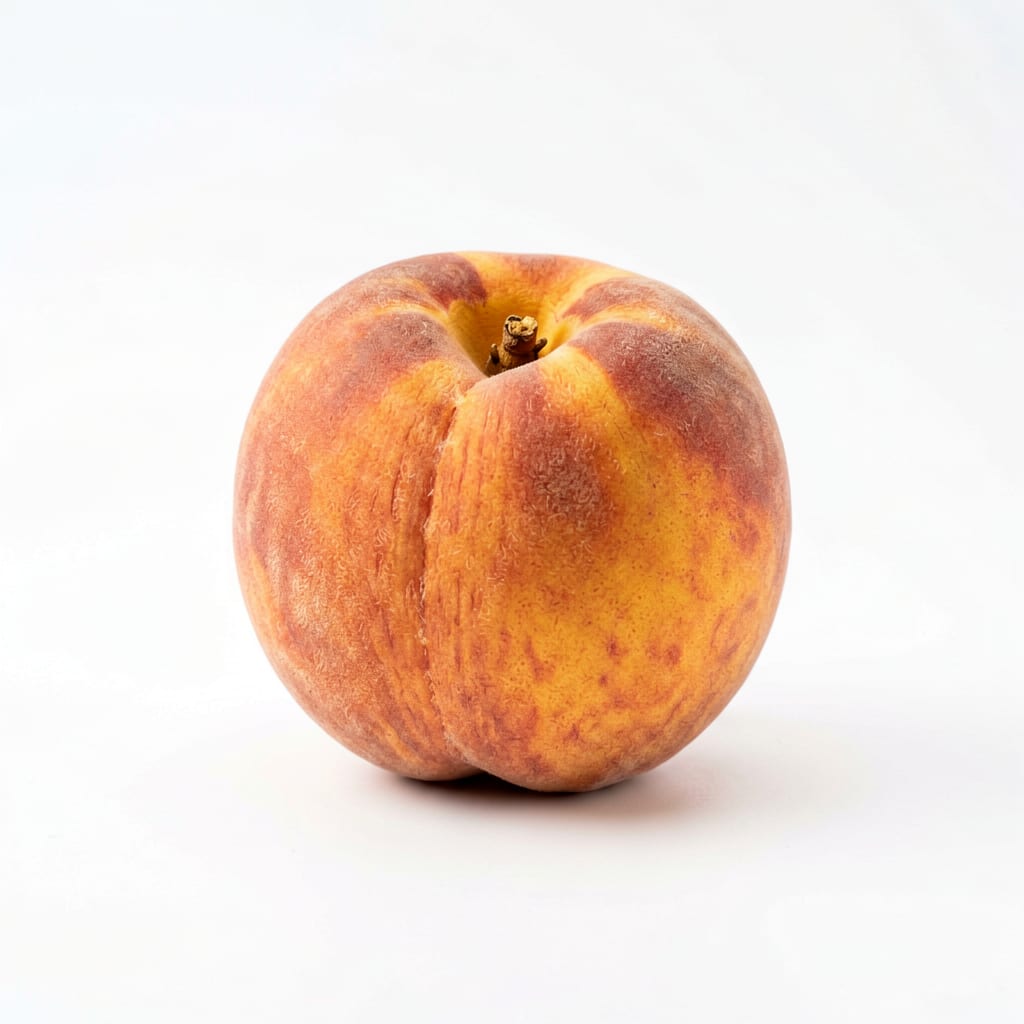
Peach
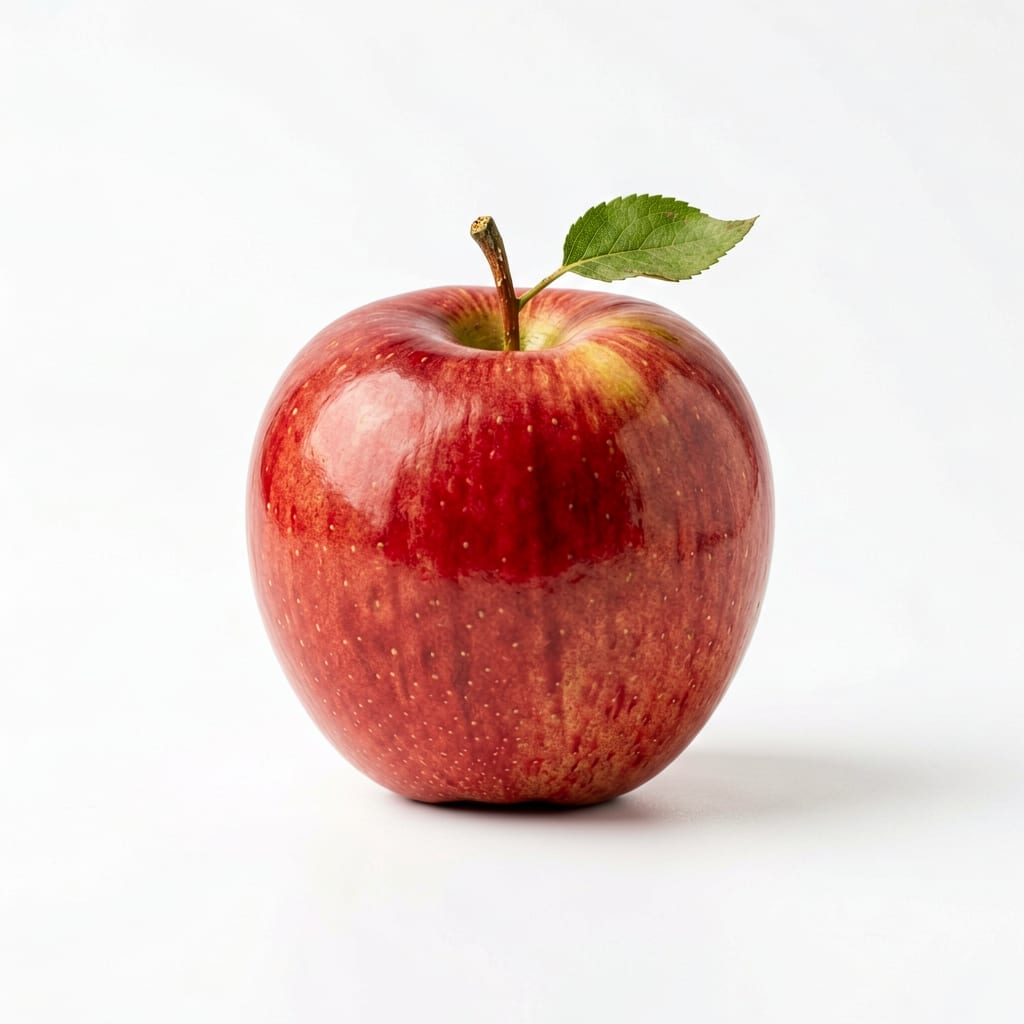
Apple
Apples win on fiber, fullness, and year-round reliability. Peaches win on vitamin C, calorie lightness, and summer indulgence. Neither is a bad choice.
Apples score higher due to superior fiber, better shelf stability, and more consistent blood sugar impact. Peaches remain excellent but lose points on perishability and seasonal limitations.
Sustained satiety and convenience from apples versus lower calories and richer micronutrients from peaches.
At a glance
Executive summary
Overall
It depends
Healthier
It depends
More practical
Apple
Daily use
Apple
Key comparison lenses
Everyday fruit snack choice
Both are common grab-and-go fruits people choose between daily
Blood sugar management
Fruit sugar content and glycemic impact differ meaningfully between these two
Satiety and hunger control
Fiber density and texture affect how full you feel after eating
Seasonal and practical availability
Apples store for months while peaches are highly perishable and seasonal
Pesticide exposure risk
Both consistently appear on the EWG Dirty Dozen list
Best choice for
Peach
- People wanting lower-calorie fruit snacks
- Anyone needing more vitamin C and potassium
- Those who prefer softer, juicier fruit textures
- Summer seasonal eating enthusiasts
Apple
- People prioritizing steady energy and fullness
- Anyone needing long-lasting portable fruit
- Those managing blood sugar concerns
- Meal preppers wanting fruit that stores for weeks
Least suitable for
Peach
- Anyone needing fruit that lasts more than a few days
- People with latex-fruit syndrome (cross-reactivity)
- Those wanting consistent year-round quality at low prices
Apple
- People who find raw apples hard to digest
- Anyone bored by mild flavors wanting tropical sweetness
- Those wanting peak vitamin C per calorie
Deep comparison
Dimension by dimension
Each lens scores both foods and breaks down who each option suits.
- Dimension 1 · Priority 90Apple
Blood Sugar Stability
Peach · 68Apple · 82Apples have a lower glycemic index and more fiber to slow sugar absorption, making them steadier on blood sugar.
Tradeoff
Peaches spike blood sugar slightly faster but the difference is modest for most healthy people.
Why it matters
If you are prediabetic or sensitive to sugar crashes, this small gap becomes meaningful over months of daily choices.
Real-world impact
An apple at 3pm is less likely to leave you hungry again by 4pm compared to a peach.
Peach
- Quick pre-workout energy when you want faster-digesting carbs
Better for
- Less stable blood sugar response
- Faster return of hunger
Worse for
Apple
- Sustained energy between meals
- Diabetes-friendly fruit snacking
- Avoiding afternoon energy dips
Better for
- Slower digestion may feel heavy before intense exercise
Worse for
- Dimension 2 · Priority 88Apple
Satiety and Fullness
Peach · 62Apple · 84Apples are significantly more filling per fruit thanks to higher fiber density and a firmer texture that requires more chewing.
Tradeoff
Peaches feel lighter and more refreshing but leave you hungry sooner.
Why it matters
If you are snacking to bridge a 4-hour gap between meals, an apple actually does the job while a peach might just take the edge off.
Real-world impact
One medium apple keeps most people satisfied for 2+ hours. A peach often leaves you reaching for something else within an hour.
Peach
- Light dessert after a meal when you want something sweet without feeling stuffed
Better for
- Less effective at controlling hunger alone
- Easier to overeat because it feels light
Worse for
Apple
- Standalone snack between meals
- Curbing hunger during long work stretches
- Replacing processed snacks effectively
Better for
- Can feel too filling right before a workout or light meal
Worse for
- Dimension 3 · Priority 78Peach
Micronutrient Density
Peach · 83Apple · 72Peaches deliver more vitamin C, vitamin A, and potassium per calorie than apples, making them more nutrient-rich bite for bite.
Tradeoff
Apples provide unique polyphenols like quercetin that peaches lack, so the micronutrient profiles are complementary rather than strictly superior.
Why it matters
If you eat limited fruit variety, peaches give you more vitamins per serving. If you eat both regularly, you cover more ground.
Real-world impact
One peach covers about 15% of your daily vitamin C needs. An apple covers roughly 10%.
Peach
- Boosting vitamin C intake without supplements
- Getting more beta-carotene for skin and eye health
- Higher potassium for active people who sweat a lot
Better for
- Lower in certain polyphenols unique to apples
Worse for
Apple
- Quercetin intake for anti-inflammatory benefits
- B-vitamin content for energy metabolism
Better for
- Less vitamin C and A per calorie consumed
Worse for
- Dimension 4 · Priority 85Apple
Convenience and Shelf Life
Peach · 48Apple · 92Apples are one of the most practical fruits available. They store for weeks, travel well, and maintain texture. Peaches bruise easily and spoil within days.
Tradeoff
Peaches reward you with superior flavor and juiciness but demand careful handling and immediate consumption.
Why it matters
The best fruit for you is the one you actually eat consistently. Apples rarely go to waste. Peaches frequently get mushy and thrown out.
Real-world impact
You can buy a bag of apples on Sunday and eat them all week. Peaches need to be eaten within 2-3 days of ripening or they become compost.
Peach
- Enjoying peak-ripe fruit when you can eat it immediately
- Summer farmers market purchases same-day
Better for
- High food waste risk if not eaten promptly
- Cannot pack loosely without bruising
- Limited to summer for best quality and price
Worse for
Apple
- Weekly grocery shopping without daily fruit runs
- Packing in lunch bags and backpacks
- Keeping a fruit bowl stocked reliably
- Road trips and travel snacks
Better for
- Less exciting flavor experience
- Can feel monotonous eaten daily
Worse for
- Dimension 5 · Priority 72Peach
Calorie Efficiency
Peach · 86Apple · 74A medium peach has roughly 50-60 calories versus 95 for a medium apple, making peaches the lighter option per fruit.
Tradeoff
Apples provide more satiety per calorie, so the lower calorie count of peaches may not translate to eating less overall.
Why it matters
If you are strictly tracking calories, peaches give you more volume per calorie. If you care about feeling full, apples are more efficient despite more calories.
Real-world impact
Two peaches cost about the same calories as one apple but may leave you less satisfied than that single apple.
Peach
- Low-calorie dessert replacement
- Volume eating strategies for weight loss
- Light evening snacking without guilt
Better for
- May not satisfy hunger enough to prevent additional snacking
Worse for
Apple
- Getting more fullness per calorie spent
- Replacing higher-calorie snacks more effectively
Better for
- Higher calorie per fruit can add up if eating multiple daily
Worse for
- Dimension 6 · Priority 68It depends
Pesticide Exposure Risk
Peach · 55Apple · 52Both apples and peaches consistently rank on the EWG Dirty Dozen list, meaning both carry significant pesticide residue concerns when conventionally grown.
Tradeoff
Apples test slightly worse overall due to more pesticide types detected, but peaches are close behind. Organic matters for both.
Why it matters
If you cannot afford organic for all produce, these two fruits should be prioritized for organic purchase over lower-spray options like avocados or bananas.
Real-world impact
A conventionally grown apple can have residue from 4-6 different pesticides. Peaches are similar. Washing helps but does not eliminate all residue.
Peach
- Slightly fewer pesticide types detected on average in testing
Better for
- Soft skin absorbs pesticides more readily
- High surface-area-to-flesh ratio
Worse for
Apple
- Thicker skin provides marginally more barrier, though still penetrable
Better for
- Often the single most pesticide-contaminated fruit in annual testing
- Multiple spray applications during growing season
Worse for
Timeline
Health impact over time
Short-term
Hours to days
Peach
- Quick hydration from high water content
- Mild blood sugar rise that resolves within an hour
- Refreshing satisfaction especially in hot weather
Apple
- Longer-lasting fullness that delays next eating episode
- Steadier energy without a sugar crash
- Chewing satisfaction that signals satiety to the brain
Long-term
Months to years
Peach
- Consistent vitamin C intake supports immune function and skin health
- Potassium contributes to healthy blood pressure over time
- Beta-carotene supports eye health with regular consumption
Apple
- Daily apple fiber intake is associated with lower cholesterol and improved gut health
- Quercetin and apple polyphenols linked to reduced inflammation markers
- Pectin fiber feeds beneficial gut bacteria, supporting microbiome diversity
Risk profile
Safety & processing
Both peaches and apples are whole, unprocessed fruits when eaten fresh. The main concern is wax coatings on conventional apples and potential post-harvest treatments, not inherent processing.
Peach
Pesticide residue
mediumPeaches rank consistently high on the Dirty Dozen list. Soft skin allows pesticide penetration. Choose organic when possible, especially for children.
Latex-fruit syndrome cross-reactivity
lowSome people with latex allergies react to peaches due to similar proteins. Symptoms are usually mild oral itching but can be more serious in rare cases.
Rapid spoilage and mold
lowPeaches spoil quickly once ripe. Mold on soft fruit can penetrate deeper than visible spots. Discard any peach with visible mold rather than cutting around it.
Apple
Pesticide residue
highApples are frequently the most pesticide-contaminated fruit tested by the EWG. Multiple residues are common. Organic is strongly recommended, especially if eaten daily.
Wax coatings on conventional apples
lowNon-organic apples are often coated with shellac or carnauba wax to improve appearance and shelf life. While generally recognized as safe, some consumers prefer to avoid these. Washing with baking soda solution helps remove some wax.
Cyanogenic compounds in seeds
lowApple seeds contain amygdalin, which releases cyanide when crushed. Accidentally swallowing a few seeds is harmless, but deliberately eating large quantities of seeds could be dangerous.
Who wins for whom
Audience fit
Same foods, different winners depending on your goal.
children
It dependsPeaches are softer and easier for toddlers to chew, but apples are less messy and more portable for school lunches. Both are excellent choices. Prioritize organic for both to reduce pesticide exposure in developing bodies.
daily consumption
AppleApples are available year-round at consistent quality, store for weeks, and provide reliable fiber and satiety. They are simply easier to eat every single day without waste or inconvenience.
diabetes
AppleApples have a lower glycemic index and more fiber to slow glucose absorption. The difference is meaningful enough to prefer apples for daily fruit when managing blood sugar.
elderly
PeachPeaches are softer and easier to chew for those with dental issues. Their higher potassium also supports blood pressure management common in older adults.
muscle gain
AppleNeither fruit is a muscle-building food, but apples provide slightly more carbohydrate energy for training and more fiber to support the higher food intake needed for gaining mass.
weight loss
It dependsPeaches offer fewer calories per fruit, but apples provide more satiety. If you snack mindlessly, apples prevent overeating better. If you track calories strictly, peaches give you more volume per calorie.
Your move
Decision guide
Choose Peach
- You want a lighter, lower-calorie fruit snack
- It is summer and peak peach season
- You need softer fruit that is gentle on teeth and digestion
- You are prioritizing vitamin C and potassium intake
- You can eat it within a day or two of purchase
Choose Apple
- You want a snack that actually keeps you full for hours
- You are meal prepping or buying groceries for the week
- You want steady energy without blood sugar spikes
- You need a durable fruit for commuting, hiking, or lunch bags
- You eat fruit daily and need something reliable year-round
Either works if
- You just want a healthy whole fruit and both are available
- You rotate fruits weekly for nutrient diversity
- You are meeting general daily fruit intake goals
- Neither is a dietary concern for your health situation
Avoid both if
- You have a severe oral allergy syndrome triggered by birch pollen (both can trigger it)
- You are on a strict very-low-carb diet and cannot spare the carbohydrates
- You have fructose malabsorption and react to both fruits
Final recommendation
Keep apples as your daily default fruit for reliability, satiety, and convenience. Add peaches as a seasonal treat when they are at peak ripeness in summer. Buying organic for both is the single most impactful choice you can make, more important than choosing between them.
Practical
Consumer tips
- 1
If buying conventional for either fruit, wash with a baking soda solution (1 tablespoon per 1.5 cups water) for 12-15 minutes to reduce surface pesticide residue more effectively than water alone.
- 2
Choose organic apples as your first priority for organic spending. They consistently test as the most pesticide-contaminated fruit available.
- 3
Buy peaches slightly firm and let them ripen at room temperature for 1-2 days. Once ripe, refrigerate and eat within 48 hours.
- 4
Apple varieties matter: Granny Smith apples have the lowest sugar and highest fiber content. Fuji and Gala are sweeter with slightly less fiber.
- 5
Frozen peach slices are a practical alternative that retain most nutrients and solve the spoilage problem. Great for smoothies and oatmeal.
- 6
If apples cause bloating, try cooking them. Baked apples are easier to digest while retaining most fiber and nutrients.