
Nutrition comparison
Partridge vs Turkey: Nutrition, Taste, and Which to Choose
Compare partridge and turkey on protein, iron, cost, flavor, and practicality. Find out which lean poultry is better for your goals, budget, and kitchen.
Overall winner · Turkey
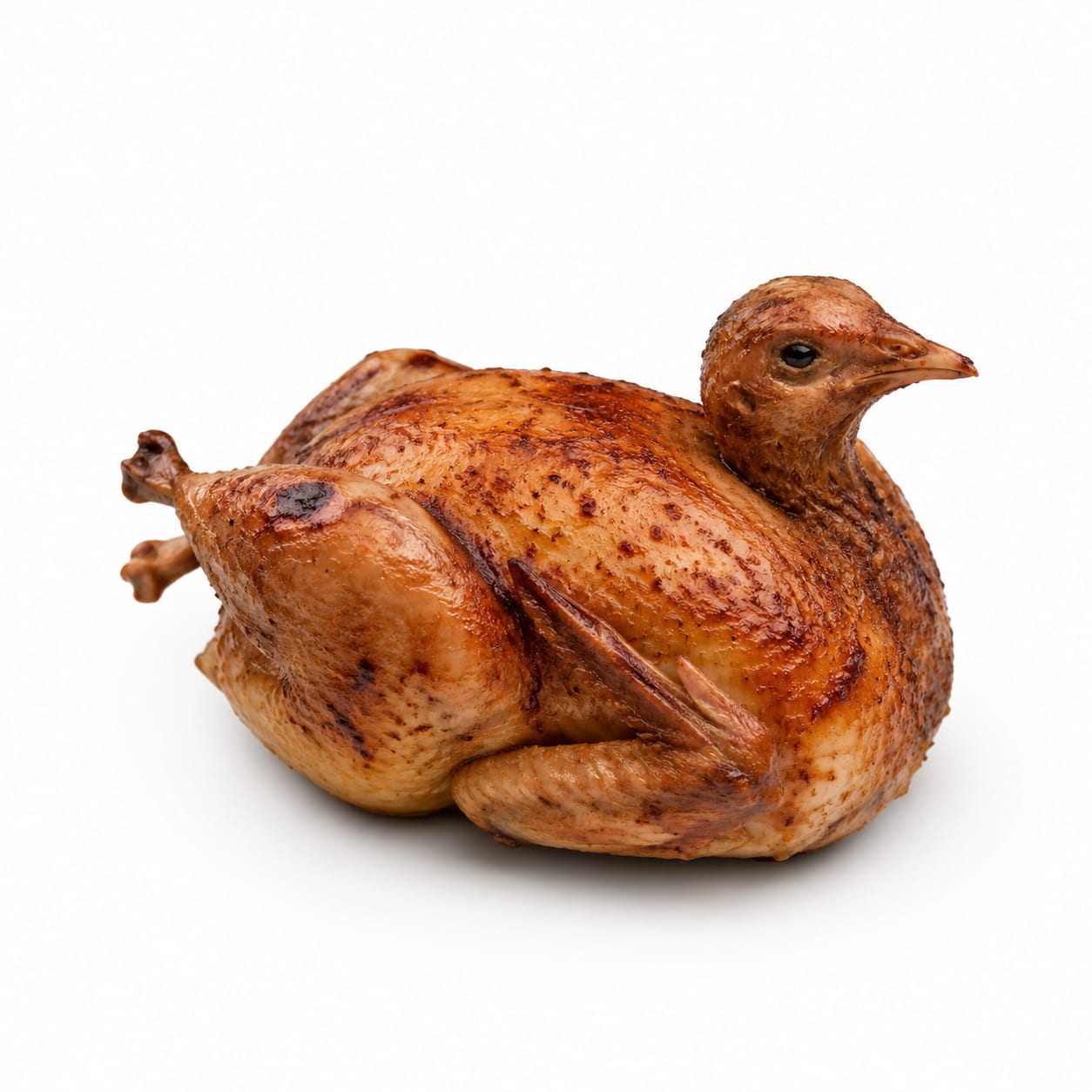
Partridge
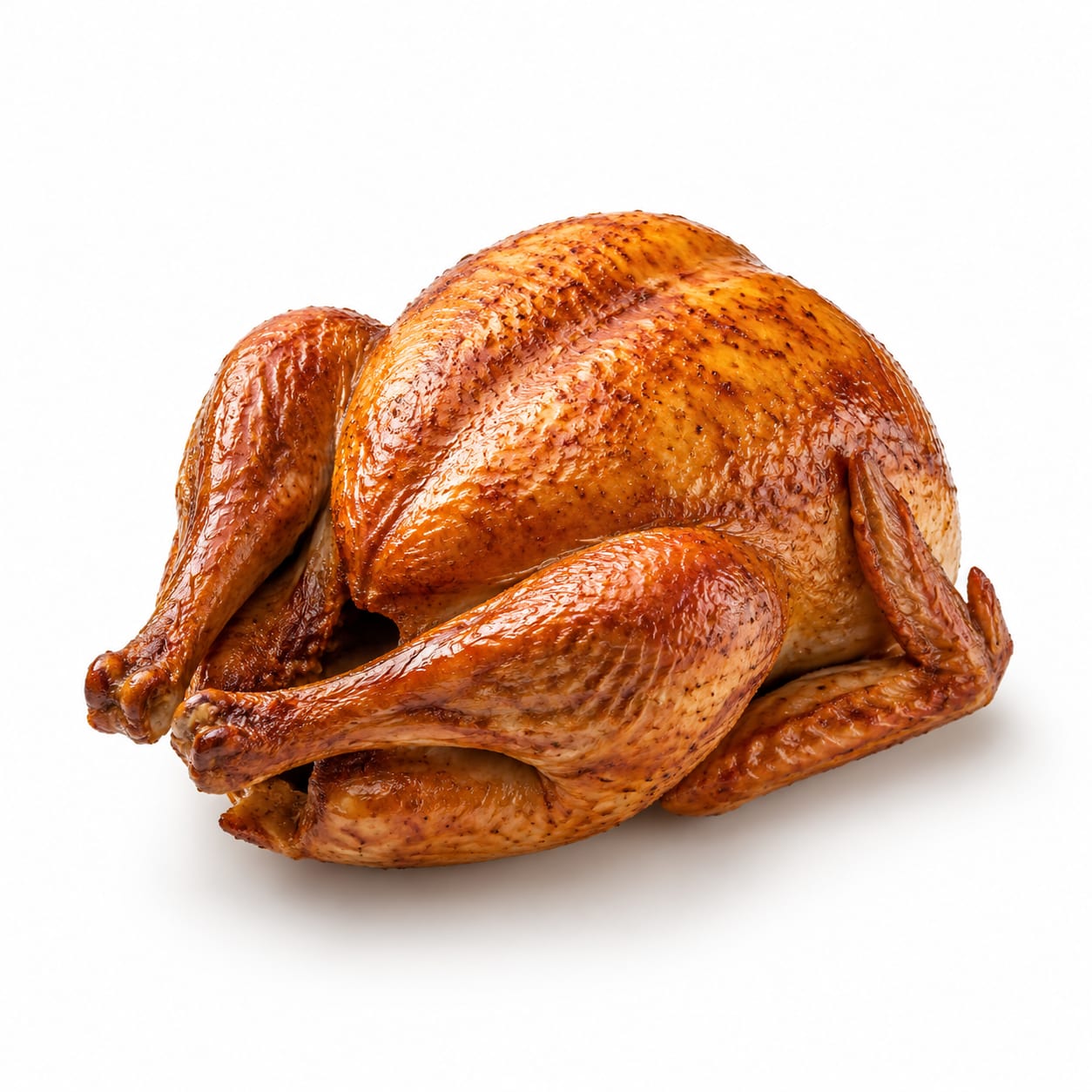
Turkey
Turkey wins for everyday eating thanks to availability, affordability, and versatility. Partridge offers a richer mineral profile and unique flavor but is impractical as a regular protein source.
Turkey scores notably higher because availability, cost, and versatility matter enormously in real-world food choices. Partridge holds its own nutritionally but loses heavily on practicality.
Partridge delivers slightly more iron and a distinctive game flavor, but Turkey is dramatically easier to find, cheaper, and more adaptable to daily cooking.
At a glance
Executive summary
Overall
Turkey
Healthier
It depends
More practical
Turkey
Daily use
Turkey
Key comparison lenses
lean protein source selection
Both are poultry options frequently compared for high-protein, low-fat meal planning
everyday practicality vs specialty dining
Turkey is a grocery staple while partridge is a seasonal specialty item with very different accessibility
cost and value assessment
Price差距 is dramatic and directly impacts whether either bird is realistic for regular meals
micronutrient density comparison
Game birds often carry different mineral profiles than commercially raised poultry
culinary versatility
Turkey adapts to many dishes while partridge has a narrower culinary window
Best choice for
Partridge
- Adventurous home cooks seeking unique flavors
- People wanting higher iron from poultry
- Special occasion or holiday alternative meals
- Diners who prefer darker, richer-tasting lean meat
Turkey
- Families needing affordable weekly protein
- Meal preppers who cook in bulk
- Anyone prioritizing widely available lean meat
- Budget-conscious shoppers feeding multiple people
Least suitable for
Partridge
- Weekly meal prep on a tight budget
- People who need ingredients available year-round at any grocery store
- Large families needing cost-effective protein
- Cooks unfamiliar with preparing game birds
Turkey
- Diners bored with mild-flavored poultry
- Those seeking a premium or novelty dining experience
- People wanting the richest possible iron intake from bird meat
Deep comparison
Dimension by dimension
Each lens scores both foods and breaks down who each option suits.
- Dimension 1 · Priority 90Turkey
Protein Quality & Content
Partridge · 80Turkey · 86Both deliver excellent lean protein, but Turkey breast offers slightly more protein per serving with a well-studied amino acid profile.
Tradeoff
Partridge has great protein too, but portion sizes are smaller and less consistent, making it harder to hit protein targets reliably.
Why it matters
Consistent protein intake supports muscle maintenance, satiety, and metabolic health far better than occasional high-protein meals.
Real-world impact
A turkey breast serving gives you a predictable 30+ grams of protein. Partridge portions vary and often deliver less total protein per bird.
Partridge
- Variety in amino acid intake from a less common source
Better for
- Smaller portions mean less total protein per meal
- Inconsistent sizing makes macro tracking harder
Worse for
Turkey
- Reliable high protein per serving
- Easier to track macros consistently
- Better studied for athletic recovery
Better for
- Less dietary variety if eaten exclusively
Worse for
- Dimension 2 · Priority 82Partridge
Micronutrient Density
Partridge · 84Turkey · 76Partridge edges ahead with more iron, slightly higher B-vitamin concentration, and beneficial minerals from its more varied natural diet.
Tradeoff
The micronutrient advantage is real but modest, and Turkey still provides excellent B vitamins and selenium in much larger, more consistent servings.
Why it matters
Iron and B vitamins directly affect energy levels, and even small differences add up over time for people with marginal intakes.
Real-world impact
If you occasionally feel sluggish and suspect low iron, partridge offers a slightly more concentrated iron source per bite.
Partridge
- Higher iron per gram of meat
- Richer B-vitamin concentration from varied diet
- More trace minerals like copper and zinc
Better for
- Wild birds may have variable nutrient profiles
- Smaller servings limit total micronutrient intake
Worse for
Turkey
- Excellent selenium content
- Very good B6 and B12 in larger portions
- More consistent nutrient levels due to regulated feed
Better for
- Slightly less iron per serving
- Commercial feed may reduce some trace minerals
Worse for
- Dimension 3 · Priority 95Turkey
Availability & Practicality
Partridge · 30Turkey · 94Turkey is available at virtually every grocery store year-round. Partridge is seasonal, specialty, and often requires advance ordering.
Tradeoff
You can decide to cook turkey tonight and actually do it. Partridge requires planning, sourcing, and often paying a premium.
Why it matters
The best protein source is the one you can actually buy and cook consistently. Inconvenience kills dietary adherence.
Real-world impact
Turkey is a same-day decision. Partridge might mean calling a specialty butcher and waiting days.
Partridge
- Forces more intentional, mindful meal planning
Better for
- Seasonal availability limits when you can eat it
- Most grocery stores do not stock it
- Requires specialty sourcing
Worse for
Turkey
- Available at any supermarket anytime
- Easy to substitute in any poultry recipe
- Comes in convenient cuts and ground forms
Better for
- Ubiquity can feel boring
Worse for
- Dimension 4 · Priority 88Turkey
Cost Effectiveness
Partridge · 25Turkey · 90Turkey is one of the cheapest lean proteins available. Partridge is a luxury item that costs several times more per serving.
Tradeoff
Partridge delivers a unique experience but at a price that makes regular consumption unrealistic for most households.
Why it matters
Cost determines whether a food can become a staple or remains an occasional indulgence. Affordable protein wins long-term.
Real-world impact
Feeding a family of four with turkey costs a few dollars. The same meal with partridge could cost twenty or more.
Partridge
- Worth the splurge for special occasions
Better for
- Multiple times more expensive per pound
- Never a budget-conscious choice
Worse for
Turkey
- Among the most affordable lean proteins
- Leftovers stretch meals further economically
- Ground turkey is extremely budget-friendly
Better for
- Cheap price can imply lower welfare farming
Worse for
- Dimension 5 · Priority 78Turkey
Culinary Versatility
Partridge · 50Turkey · 88Turkey works in sandwiches, soups, stir-fries, burgers, roasts, and salads. Partridge is best roasted and has a narrower recipe window.
Tradeoff
Partridge rewards careful cooking with exceptional flavor but punishes mistakes. Turkey is forgiving and adapts to almost anything.
Why it matters
Versatility means you actually use what you buy. Single-ingredient foods that only work one way often end up wasted.
Real-world impact
Leftover turkey becomes soup, salad, or sandwiches. Leftover partridge is... still partridge, just colder.
Partridge
- Unique game flavor elevates special meals
- Pairs beautifully with autumnal ingredients
Better for
- Easy to overcook and dry out
- Limited recipe repertoire
- Does not work well as ground meat
Worse for
Turkey
- Works in dozens of cuisines and recipes
- Available as breast, thigh, ground, and whole
- Excellent leftover potential
Better for
- Milder flavor can feel uninspired
Worse for
- Dimension 6 · Priority 80Turkey
Satiety & Fullness
Partridge · 72Turkey · 82Turkey's larger portions and higher protein per serving keep you fuller longer. Partridge satisfies during the meal but portions are small.
Tradeoff
A single partridge may not fill you up, leading to extra snacking. A proper turkey serving easily carries you to the next meal.
Why it matters
Foods that fail to satisfy lead to overeating elsewhere. Satiety per calorie is one of the most practical health metrics.
Real-world impact
After a partridge dinner you might be hunting for snacks. After a turkey breast dinner, you are done eating for hours.
Partridge
- Rich flavor provides psychological satisfaction
Better for
- Small portions may leave you wanting more
- Easier to overeat sides to compensate
Worse for
Turkey
- Larger protein portions suppress hunger longer
- More filling per meal
- Less likely to trigger between-meal snacking
Better for
- Large lean portions can feel heavy if overconsumed
Worse for
- Dimension 7 · Priority 72Partridge
Flavor & Eating Experience
Partridge · 86Turkey · 65Partridge offers a distinctive, slightly gamey, deeply savory flavor that turkey simply cannot match. Turkey is pleasant but unremarkable.
Tradeoff
The flavor advantage is genuine but comes with higher cost and effort. Turkey's blandness is also its strength — it pairs with everything.
Why it matters
Enjoyment drives long-term dietary adherence. Food that bores you eventually gets abandoned, but neither extreme is ideal.
Real-world impact
Partridge makes a dinner feel like an event. Turkey makes a dinner feel like Tuesday.
Partridge
- Rich, complex game flavor
- Feels special and memorable
- Darker leg meat is deeply savory
Better for
- Game flavor is not for everyone
- Can taste livery or metallic if poorly prepared
Worse for
Turkey
- Mild flavor adapts to any seasoning or cuisine
- Pleases picky eaters and kids
- Never overwhelms a dish
Better for
- Often described as bland without heavy seasoning
- Breast meat dries out easily
Worse for
Timeline
Health impact over time
Short-term
Hours to days
Partridge
- High protein content supports steady energy after meals
- Rich flavor may lead to eating smaller portions and feeling satisfied sooner
- Iron content provides a noticeable boost if you are slightly deficient
Turkey
- Large lean protein servings deliver strong satiety for hours
- Tryptophan content may promote relaxation and better sleep when eaten at dinner
- Very low fat in breast meat makes it easy on digestion
Long-term
Months to years
Partridge
- Occasional consumption adds dietary variety without health downsides
- Iron and B-vitamin contributions support energy metabolism over time
- Wild-sourced birds may carry slightly different fat profiles than farmed poultry
Turkey
- Regular lean protein intake supports muscle preservation as you age
- Consistent selenium intake benefits thyroid and immune function
- Affordability enables long-term adherence to high-protein eating patterns
Risk profile
Safety & processing
Both partridge and turkey are whole, minimally processed meats when purchased raw. However, some commercial turkey products are injected with saline solutions, so check labels. Partridge is typically sold in a more natural state.
Partridge
Lead shot contamination
mediumWild-harvested partridge may contain lead shot fragments, which pose neurological risks especially for children. Farmed partridge reduces this concern significantly.
Inconsistent handling and storage
mediumSpecialty game birds may pass through less regulated supply chains, increasing risk of temperature abuse.
Campylobacter and Salmonella
mediumAll poultry carries standard bacterial risks. Proper cooking to 165°F eliminates this concern.
Turkey
Salmonella contamination
mediumTurkey is a well-documented Salmonella vector, especially with large-scale processing. Safe handling and full cooking are essential.
Antibiotic residues
lowConventional turkey farming may use antibiotics, though regulations have tightened. Choosing organic or antibiotic-free reduces this concern.
Sodium injection in processed cuts
mediumMany commercial turkey breasts are plumped with saline solution, adding significant sodium. Read labels carefully.
Who wins for whom
Audience fit
Same foods, different winners depending on your goal.
children
TurkeyMild flavor, familiar texture, easy preparation, and no lead shot risk make turkey the safer and more kid-friendly option.
daily consumption
TurkeyCost, availability, and versatility make turkey realistic as a daily protein. Partridge is best enjoyed occasionally.
diabetes
TurkeyBoth are excellent low-carb choices, but turkey's consistent availability enables the regular lean protein intake that stabilizes blood sugar long-term.
elderly
TurkeyTurkey is easier to chew when cooked properly, more affordable on fixed incomes, and provides reliable protein for preventing age-related muscle loss.
muscle gain
TurkeyReliable high protein content, consistent portion sizes, and affordability make turkey far more practical for daily muscle-building nutrition.
weight loss
TurkeyTurkey breast provides more protein per calorie in larger, more filling portions, making it easier to maintain a calorie deficit without hunger.
Your move
Decision guide
Choose Partridge
- You want a special meal that feels elevated and memorable
- Iron intake is a personal health priority
- You enjoy cooking and trying less common ingredients
- You can source farmed partridge to avoid lead shot concerns
Choose Turkey
- You need affordable lean protein for weekly meals
- You meal prep and want versatile leftovers
- You are feeding a family on a budget
- You want a reliable protein source available any day of the year
Either works if
- You simply want a lean poultry dinner and both are available
- You rotate proteins regularly for dietary variety
- You are comfortable cooking any bird properly to 165°F
Avoid both if
- You follow a vegetarian or vegan diet
- You have poultry allergies
- You are concerned about antibiotic use and cannot find verified antibiotic-free options
Final recommendation
Make turkey your everyday lean poultry and treat partridge as an occasional culinary adventure. Turkey gives you the consistency, affordability, and protein reliability that drives real health results. Partridge adds joy and variety when the moment calls for something special — just source it carefully and enjoy it mindfully.
Practical
Consumer tips
- 1
Choose organic or antibiotic-free turkey when budget allows to reduce exposure to farming chemicals
- 2
If buying partridge, ask whether it is wild or farmed — farmed birds avoid lead shot concerns
- 3
Check turkey labels for sodium solutions — 'enhanced' or 'plumped' breast can add 300mg+ sodium per serving
- 4
Roast partridge with bacon or wrap in prosciutto to keep the lean meat moist during cooking
- 5
Buy a whole turkey breast instead of pre-sliced deli turkey to avoid nitrates and sodium from processing
- 6
Partridge pairs well with root vegetables, chestnuts, and fruit-based sauces that complement its game flavor
- 7
Use a meat thermometer for both birds — overcooked partridge becomes dry very quickly