
Nutrition comparison
Partridge vs Rabbit: Which Game Meat Is Healthier for You?
Compare partridge and rabbit nutrition, protein content, fat balance, and safety. Learn why rabbit's extreme leanness can be dangerous and which game meat fits your diet best.
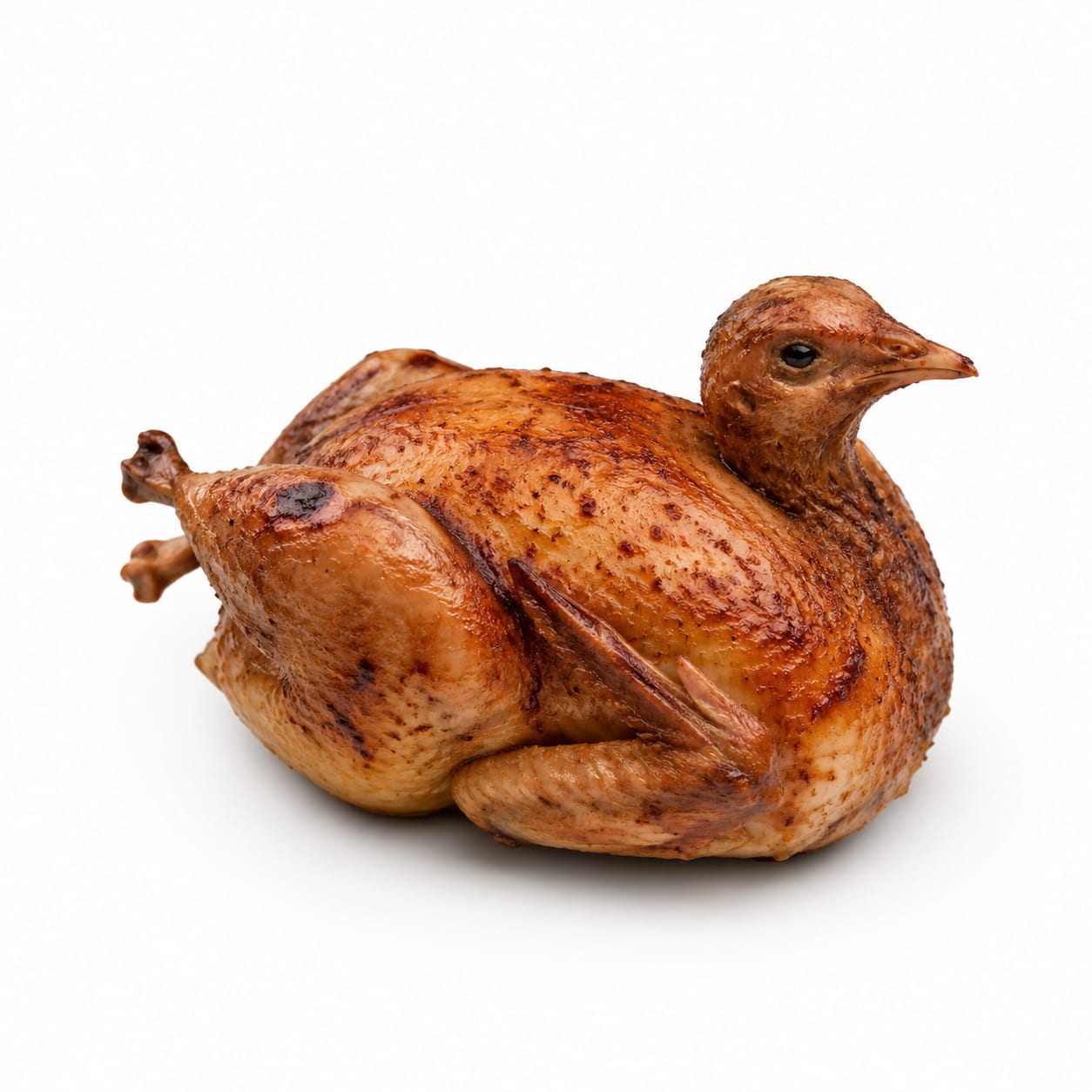
Partridge
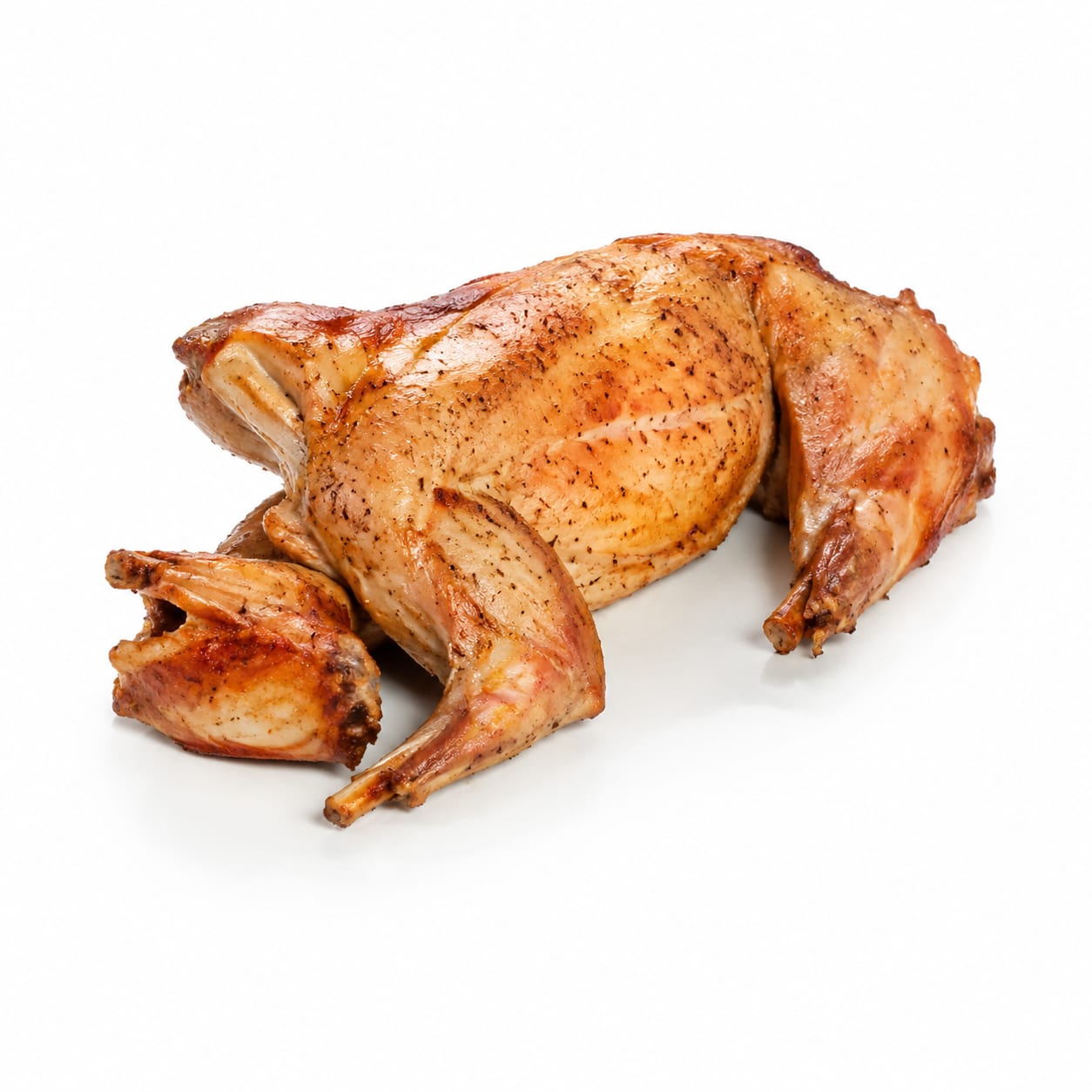
Rabbit
Partridge is safer for regular consumption due to its moderate fat content, while rabbit offers more protein per calorie but carries the unique risk of protein poisoning if eaten exclusively.
Partridge scores slightly higher due to better nutritional balance and safety for regular consumption. Rabbit wins on pure protein density but loses ground on the dangerous extreme leanness that limits its suitability as a standalone food.
Rabbit delivers more protein with less fat, but that extreme leanness becomes dangerous if it's your only food source. Partridge provides a more balanced fat-to-protein ratio that sustains you longer without supplementation.
At a glance
Executive summary
Overall
It depends
Healthier
It depends
More practical
Rabbit
Daily use
Partridge
Key comparison lenses
Lean protein source selection for weight management
Both are extremely lean game meats often chosen by people seeking high protein with minimal fat
Sustainable long-term dietary protein
Rabbit starvation risk makes long-term rabbit consumption dangerous without fat supplementation
Game meat safety and preparation concerns
Both carry wild game risks including parasites, lead shot contamination, and proper cooking requirements
Nutritional completeness as a primary protein source
Rabbit's extreme leanness creates a rare scenario where more protein can actually be dangerous
Culinary versatility and availability
Practical access differs significantly between farmed rabbit and seasonal partridge
Best choice for
Partridge
- People eating game meat regularly without other fat sources
- Those wanting a more nutritionally balanced single-protein meal
- Diners seeking richer flavor with natural fat for cooking
- Anyone concerned about rabbit starvation from lean-meat-heavy diets
Rabbit
- Athletes needing maximum protein with minimal calories
- Weight loss dieters who eat varied fat sources elsewhere
- Bodybuilders in a cutting phase
- People who already cook with healthy fats like olive oil
Least suitable for
Partridge
- Those needing maximum protein per calorie
- People on very strict calorie budgets wanting the most protein possible
Rabbit
- Survival situations where rabbit would be the only food available
- People with limited access to cooking fats or other fat sources
- Anyone eating a heavily lean-meat-only diet without dietary variety
Deep comparison
Dimension by dimension
Each lens scores both foods and breaks down who each option suits.
- Dimension 1 · Priority 95Rabbit
Protein Density
Partridge · 78Rabbit · 92Rabbit delivers significantly more protein per serving and per calorie than partridge, making it the clear winner for pure protein needs.
Tradeoff
More protein sounds universally good, but rabbit's extreme protein-to-fat ratio can cause health issues if you don't eat enough fat from other sources.
Why it matters
If you're tracking macros or eating for muscle gain, rabbit gives you more protein per bite. But your body still needs fat to function.
Real-world impact
A rabbit dinner keeps your protein numbers high but leaves you reaching for avocado or nuts to feel satisfied. Partridge gives you slightly less protein but a more complete feeling meal.
Partridge
- Balanced meals without needing added fats
Better for
- Maximum protein per calorie goals
Worse for
Rabbit
- High-protein diets
- Post-workout meals when you eat fats separately
- Cutting phases where every calorie must earn its place
Better for
- Meals where the meat is your only calorie source
Worse for
- Dimension 2 · Priority 90Partridge
Fat Balance and Satiety
Partridge · 82Rabbit · 55Partridge carries enough natural fat to support nutrient absorption and keep you full. Rabbit is so lean it can leave you hungry and nutritionally vulnerable if eaten alone.
Tradeoff
Rabbit's near-zero fat makes it great for calorie control but terrible for satisfaction and long-term health without supplementation.
Why it matters
Fat isn't just calories. It carries flavor, helps absorb vitamins A, D, E, and K, and triggers fullness signals. Rabbit lacks this entirely.
Real-world impact
Eat rabbit alone and you may feel oddly unsatisfied despite consuming adequate calories. Add butter or olive oil and the problem vanishes, but then you're adding calories back.
Partridge
- Single-course meals
- Dinners where you want one dish to feel complete
- People who forget to add cooking fats
Better for
- Very low-fat diet protocols
Worse for
Rabbit
- Strict calorie counters who track added fats precisely
Better for
- Anyone eating lean meat as their sole food source
- People prone to overeating because meals never feel satisfying
Worse for
- Dimension 3 · Priority 82Rabbit
Vitamin and Mineral Profile
Partridge · 75Rabbit · 83Rabbit edges ahead with exceptional B12, niacin, and selenium content. Partridge offers solid nutrition but slightly lower concentrations of key B vitamins.
Tradeoff
Rabbit's mineral richness comes with the caveat that fat-soluble vitamins are harder to absorb without dietary fat, which rabbit barely provides.
Why it matters
B12 supports energy and nerve health. Niacin helps metabolize food into usable energy. Both meats deliver, but rabbit delivers more.
Real-world impact
Regular rabbit consumption can meaningfully boost B12 intake, especially valuable for people who don't eat organ meats. Just pair it with a fat source for full benefit.
Partridge
- Meals where fat-soluble vitamin absorption matters more than raw vitamin totals
Better for
- Those specifically targeting maximum B12 intake
Worse for
Rabbit
- B12-deficient individuals
- People needing niacin support for energy metabolism
Better for
- Situations where you can't pair with fats for absorption
Worse for
- Dimension 4 · Priority 85Partridge
Food Safety and Contamination Risk
Partridge · 72Rabbit · 65Both carry game meat risks, but rabbit has additional concerns including tularemia and higher parasite loads. Farmed rabbit narrows this gap significantly.
Tradeoff
Wild rabbit is riskier to handle and prepare than wild partridge, but farmed rabbit eliminates most of that concern at the cost of lower culinary quality.
Why it matters
Tularemia, also called rabbit fever, is a serious bacterial infection. Proper cooking kills it, but handling raw wild rabbit requires more care.
Real-world impact
If you hunt your own game, rabbit demands stricter hygiene during butchering. Partridge still requires care but carries fewer scary pathogens.
Partridge
- Wild game hunters wanting lower pathogen risk
- Home cooks less experienced with game meat safety
Better for
- Lead shot exposure if hunted with lead ammunition
Worse for
Rabbit
- People buying farmed rabbit from trusted sources
Better for
- Wild-caught preparation without proper food safety knowledge
- Handling raw wild rabbit without gloves
Worse for
- Dimension 5 · Priority 68Rabbit
Culinary Versatility and Availability
Partridge · 58Rabbit · 72Farmed rabbit is available year-round and works in stews, roasts, and grills. Partridge is more seasonal and harder to find outside game season or specialty shops.
Tradeoff
Rabbit's availability makes it more practical for weekly meal planning. Partridge feels more special-occasion but is harder to put on a regular shopping list.
Why it matters
The healthiest food is the one you can actually buy and cook consistently. Availability shapes real diets more than nutrition labels.
Real-world impact
You can order farmed rabbit from many butchers any month. Partridge hunting season and specialty availability means planning ahead or paying premium prices.
Partridge
- Celebratory meals and dinner parties
- Autumn and winter seasonal cooking
Better for
- Spontaneous weeknight cooking
- Year-round menu planning
Worse for
Rabbit
- Weekly meal prep
- Consistent protein sourcing
- Budget-conscious game meat eaters
Better for
- Impressive dinner party centerpieces
Worse for
- Dimension 6 · Priority 88Partridge
Long-Term Dietary Sustainability
Partridge · 80Rabbit · 60Partridge can be eaten regularly without nutritional complications. Rabbit cannot safely serve as a primary food source without careful fat supplementation, a problem historically known as rabbit starvation.
Tradeoff
Rabbit's leanness is its superpower and its Achilles heel. Great for cutting phases, dangerous for subsistence diets.
Why it matters
Rabbit starvation, or protein poisoning, occurs when you eat too much lean protein without enough fat or carbohydrates. Symptoms include diarrhea, fatigue, and malnutrition despite adequate calorie intake.
Real-world impact
If you ate only rabbit for weeks, you would get sick despite consuming enough calories. Partridge avoids this trap because its moderate fat content prevents protein overload.
Partridge
- People who eat game meat as a dietary staple
- Homesteaders and self-sufficient lifestyles
- Anyone without reliable access to cooking fats
Better for
- Short cutting phases demanding extreme leanness
Worse for
Rabbit
- Short-term diet phases with varied overall intake
- Athletes with carefully planned macro splits
Better for
- Long-term reliance as a primary protein source
- Survival or emergency food scenarios
- People who eat meat with minimal other foods
Worse for
Timeline
Health impact over time
Short-term
Hours to days
Partridge
- Provides satisfying, balanced protein that keeps you full for hours
- Natural fat content supports stable energy without crashes
- Rich iron content can boost alertness if you're slightly anemic
Rabbit
- Delivers a strong protein hit with minimal calorie cost
- May leave you unsatisfied if eaten without added fats
- B12 boost can improve energy and mental clarity within days
Long-term
Months to years
Partridge
- Sustainable as a regular protein source without supplementation concerns
- Moderate fat supports hormone health and vitamin absorption over years
- Consistent iron and selenium intake supports immune resilience
Rabbit
- Excellent for weight management when paired with adequate dietary fat
- Risk of protein poisoning if relied upon too heavily without fat sources
- High niacin intake supports cardiovascular health long-term
Risk profile
Safety & processing
Both partridge and rabbit are among the most natural meats you can eat. Whether wild or farmed, they arrive at your kitchen essentially unchanged from their natural state. No preservatives, no fillers, no mystery ingredients.
Partridge
Lead shot contamination
mediumWild partridge hunted with lead ammunition may contain lead fragments. Ingesting lead even in small amounts is harmful, especially for children. Farmed partridge avoids this entirely.
Bacterial contamination from improper handling
lowLike all raw meat, partridge requires proper refrigeration and cooking. Game birds can carry Salmonella and Campylobacter, though rates are typically lower than factory-farmed poultry.
Rabbit
Tularemia exposure from wild rabbit
highWild rabbits can carry Francisella tularensis, the bacteria causing tularemia. This serious infection can be contracted through handling infected meat. Cooking kills the bacteria, but safe butchering practices are essential. Farmed rabbit virtually eliminates this risk.
Parasites in wild-caught rabbit
mediumWild rabbits may carry tapeworms and other parasites. Thorough cooking destroys parasites, but undercooked wild rabbit is riskier than undercooked farmed rabbit.
Protein poisoning from exclusive consumption
mediumWhile not a contamination risk, eating rabbit as your primary or sole food source without adequate fat leads to protein poisoning. This is a nutritional safety issue unique to extremely lean meats.
Who wins for whom
Audience fit
Same foods, different winners depending on your goal.
children
PartridgeChildren need dietary fat for brain development. Partridge's natural fat content makes it more appropriate without requiring added fats. Rabbit can work but demands careful meal planning.
daily consumption
PartridgePartridge can safely be eaten regularly as part of a balanced diet. Rabbit requires conscious fat pairing to avoid long-term nutritional imbalance, making it less foolproof for daily use.
diabetes
It dependsBoth have zero carbohydrates and minimal impact on blood sugar. Partridge's slightly higher fat content may provide steadier energy, while rabbit's pure protein suits precise macro tracking.
elderly
PartridgeOlder adults benefit from moderate fat intake for nutrient absorption and joint health. Partridge's balanced profile is easier on the digestive system and more nutritionally complete without supplementation.
muscle gain
RabbitMore protein per serving supports muscle repair and growth. Rabbit's leanness lets you hit protein targets without overshooting calories.
weight loss
RabbitRabbit provides maximum protein with minimum calories, giving you the highest satiety-to-calorie ratio. Just ensure you eat some fat elsewhere in your diet.
Your move
Decision guide
Choose Partridge
- You want a game meat you can eat regularly without overthinking fat supplementation
- You're feeding a family and need nutritionally balanced meals from a single dish
- You're concerned about food safety and want lower pathogen risk from wild game
- You prefer richer flavor that doesn't require heavy seasoning or added fats
Choose Rabbit
- You're an athlete or bodybuilder tracking macros precisely and eating fats separately
- You want maximum protein per calorie for a cutting phase
- You have reliable access to farmed rabbit and want year-round lean protein
- You already cook with healthy fats and want meat that stays out of your fat budget
Either works if
- You simply want a high-quality lean game meat and have access to both
- You eat a varied diet with plenty of fat sources from other foods
- You're comfortable cooking game meat properly and sourcing from trusted suppliers
Avoid both if
- You have gout and are sensitive to purine-rich meats
- You lack confidence in cooking game meat to safe internal temperatures
- You can't verify the source and are concerned about lead or pathogen exposure
Final recommendation
Choose partridge for regular consumption and nutritional peace of mind. Choose rabbit when you need maximum protein density and you're already eating enough fat from other sources. Both are excellent game meats, but rabbit demands more dietary awareness to use safely long-term.
Practical
Consumer tips
- 1
If buying wild game, ask your supplier about lead-free ammunition to avoid lead contamination
- 2
Cook both meats to at least 165°F (74°C) internal temperature to eliminate parasites and bacteria
- 3
When cooking rabbit, always braise or roast with added fat like olive oil or butter for both flavor and nutritional balance
- 4
Farmed rabbit is safer and more available than wild, with minimal taste sacrifice for most recipes
- 5
Partridge pairs beautifully with root vegetables and autumn herbs, making it an easy one-pan meal
- 6
If you eat rabbit more than twice a week, actively track your fat intake from other sources to avoid protein-heavy imbalance
- 7
Freeze wild game for at least 30 days before cooking to kill potential trichinella parasites