
Nutrition comparison
Partridge vs Pheasant: Nutrition, Taste, and Health Comparison
Discover the nutritional differences between Partridge and Pheasant. Learn which lean game bird is better for weight loss, muscle gain, and cooking.
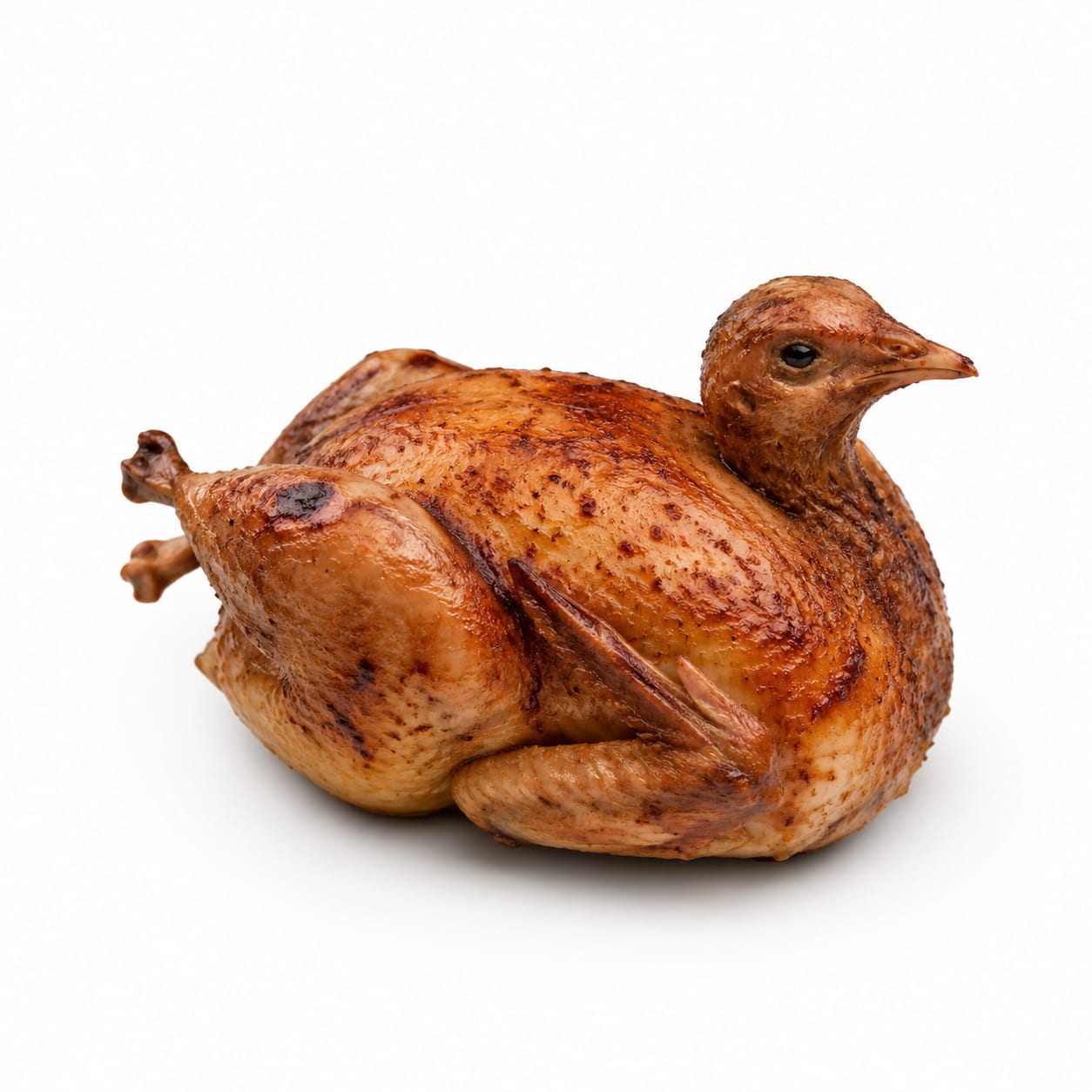
Partridge
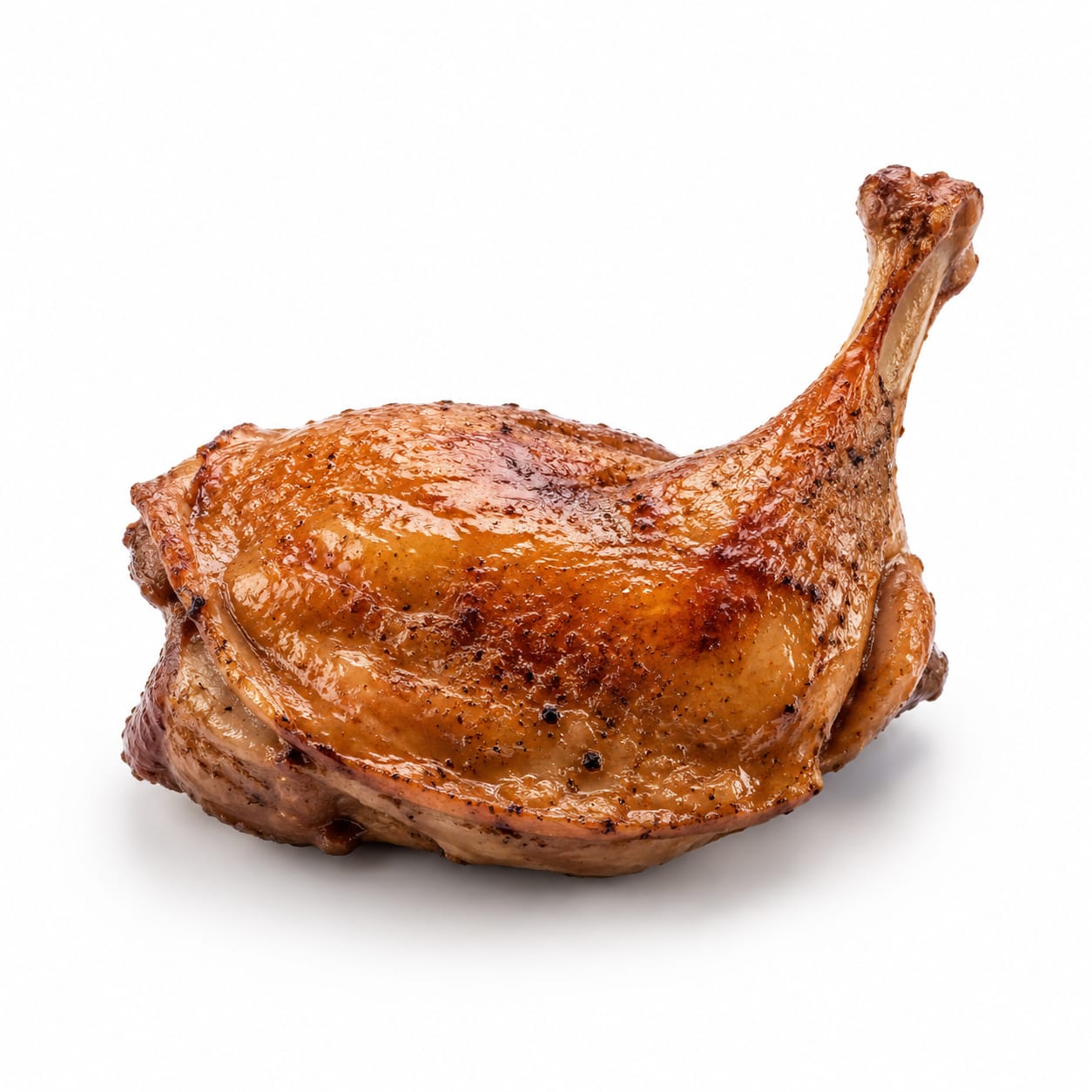
Pheasant
Both are exceptional lean game birds, but Partridge is slightly leaner and more tender, while Pheasant offers more meat per bird and is far easier to find.
Partridge edges ahead slightly for its lower calorie count and more forgiving texture, but Pheasant remains a top-tier lean protein that is much easier to incorporate into a regular routine.
You trade the delicate texture and marginally lower calories of Partridge for the larger portion size, broader availability, and meal-prep practicality of Pheasant.
At a glance
Executive summary
Overall
It depends
Healthier
Partridge
More practical
Pheasant
Daily use
Pheasant
Key comparison lenses
Lean protein quality for muscle and satiety
Both are premium game birds prized for high-quality, lean protein rather than fat or carbs.
Calorie and fat tradeoffs for weight management
Game meats vary slightly in fat content, which matters for those tracking calories strictly.
Culinary practicality and availability
Pheasant is far more commonly farmed and found in stores, while Partridge is often a specialty item.
Micronutrient density for overall vitality
Both offer strong B-vitamin and mineral profiles, but subtle differences impact energy and blood health.
Best choice for
Partridge
- Low-calorie and low-fat diets
- Romantic dinners or elegant entertaining
- Those who prefer tender, delicate dark meat
Pheasant
- High-protein meal prep
- Family roasts requiring more servings
- Grocery shoppers looking for easier sourcing
Least suitable for
Partridge
- Large family meals on a budget
- Those who struggle with small portion sizes
Pheasant
- Quick weeknight cooking due to dryness risk
- Diners who dislike slightly gamey flavors
Deep comparison
Dimension by dimension
Each lens scores both foods and breaks down who each option suits.
- Dimension 1 · Priority 90Partridge
Calorie and Fat Profile
Partridge · 92Pheasant · 85Partridge is slightly leaner and lower in calories than Pheasant, making it a tighter fit for strict calorie deficits.
Tradeoff
Choosing Partridge means slightly less dietary fat, but also less total food on the plate compared to a larger Pheasant portion.
Why it matters
When cutting calories, every gram of fat counts. Partridge gives you a rich, satisfying feel with a slightly smaller caloric footprint.
Real-world impact
Eating Partridge instead of Pheasant might save you 30-50 calories per serving, which adds up over a week of dieting.
Partridge
- Strict calorie counting
- Low-fat dietary protocols
Better for
- Those needing higher fat for hormone health
Worse for
Pheasant
- Keto or moderate-fat diets
- Those who find lean meats too dry
Better for
- Aggressive fat-loss phases
Worse for
- Dimension 2 · Priority 88Pheasant
Protein and Satiety
Partridge · 84Pheasant · 90Pheasant yields significantly more total protein per bird, keeping you fuller for longer after a meal.
Tradeoff
You get more satiating protein from Pheasant, but its extreme leanness means it can dry out easily, making the eating experience less enjoyable if overcooked.
Why it matters
Higher volume protein helps control hunger hormones and supports muscle repair without needing second helpings.
Real-world impact
A Pheasant breast provides a substantial, filling meal that easily carries you from dinner to breakfast without late-night snacking.
Partridge
- Smaller appetites
- Lighter lunch portions
Better for
- Post-workout recovery needing large protein hits
Worse for
Pheasant
- Athletes needing higher protein totals
- Men with higher caloric needs
Better for
- Those who prefer smaller, lighter meals
Worse for
- Dimension 3 · Priority 82It depends
Micronutrient Density
Partridge · 86Pheasant · 88Both are rich in B vitamins, iron, and zinc, but Pheasant offers slightly more niacin and selenium.
Tradeoff
Pheasant provides a bit more metabolic and immune support via niacin and selenium, while Partridge still delivers excellent blood-building iron.
Why it matters
Niacin helps convert food to energy, while selenium protects cells from stress. Both are crucial for sustained vitality.
Real-world impact
Regularly eating Pheasant can help keep afternoon energy crashes at bay thanks to its strong B-vitamin content.
Partridge
- Those focusing on iron intake for energy
Better for
- Those needing maximum selenium intake
Worse for
Pheasant
- Supporting immune function
- Improving energy metabolism
Better for
- None significant
Worse for
- Dimension 4 · Priority 75Pheasant
Culinary Practicality and Availability
Partridge · 60Pheasant · 85Pheasant is widely farmed and available in specialty stores, whereas Partridge is often seasonal and harder to source.
Tradeoff
Pheasant is easier to buy and yields more meat, but Partridge offers a more tender, forgiving eating experience that is harder to find.
Why it matters
The healthiest protein is the one you can actually buy and cook well. Availability dictates consistency.
Real-world impact
You can order farm-raised Pheasant online year-round for meal prep, while Partridge usually requires a trip to a specialty butcher.
Partridge
- Special occasion cooking
- Exquisite presentation
Better for
- Last-minute weeknight dinners
Worse for
Pheasant
- Weekend meal prep
- Family dinner roasting
Better for
- Recipes requiring very tender meat
Worse for
Timeline
Health impact over time
Short-term
Hours to days
Partridge
- High protein stabilizes blood sugar and prevents energy crashes
- Very lean meat keeps you feeling light but satisfied
Pheasant
- Large protein dose promotes deep satiety for hours
- Rich B-vitamin content can provide a noticeable energy lift
Long-term
Months to years
Partridge
- Supports lean muscle maintenance with minimal saturated fat
- Excellent iron intake supports healthy blood over time
Pheasant
- High selenium intake supports thyroid and immune health long-term
- Consistent lean protein aids in sustainable weight management
Risk profile
Safety & processing
Both Partridge and Pheasant are whole-food proteins typically sold without additives, making them exceptionally clean choices.
Partridge
Lead shot contamination
mediumWild-caught Partridge may contain lead fragments, which pose serious health risks if ingested. Always ask about sourcing.
Undercooking
mediumLike all poultry, it must be cooked to a safe internal temperature to eliminate harmful bacteria.
Pheasant
Lead shot contamination
mediumWild Pheasant carries the same lead risk as Partridge. Farmed versions avoid this issue entirely.
Dry cooking leading to unsafe practices
lowBecause Pheasant dries out so easily, cooks sometimes undercook it to keep it moist, increasing food poisoning risk.
Who wins for whom
Audience fit
Same foods, different winners depending on your goal.
children
PheasantPheasant offers larger, easier-to-carve portions and a milder flavor that is usually more kid-friendly than stronger game birds.
daily consumption
PheasantPheasant is easier to source consistently and provides larger portions, making it more practical for a regular weekly menu.
diabetes
It dependsBoth are zero-carb, high-protein options that will not spike blood sugar, making them equally excellent for glycemic control.
elderly
PartridgePartridge tends to be more tender and easier to chew, which is beneficial for those with dental concerns or digestive sensitivities.
muscle gain
PheasantPheasant provides more total protein per bird, which is essential for repairing and building muscle tissue.
weight loss
PartridgePartridge has slightly fewer calories and less fat per serving, making it easier to fit into a strict calorie deficit.
Your move
Decision guide
Choose Partridge
- You are strictly counting calories and want the leanest option
- You are cooking an elegant dinner and want tender, forgiving meat
- You prefer darker, slightly richer meat without the extra fat
Choose Pheasant
- You need high protein volume for muscle gain or deep satiety
- You are meal-prepping or feeding a family and need more yield
- You want a lean game bird that is easier to find at the store
Either works if
- You want a zero-carb, high-quality protein source
- You are bored with chicken and want a nutritious alternative
- You are following a whole-food, paleo, or ancestral diet
Avoid both if
- You are vegetarian or vegan
- You have a severe poultry allergy
- You are highly sensitive to gamey flavors and prefer mild meats
Final recommendation
Let your goals and grocery access decide. If you want the absolute leanest cut for a refined meal, choose Partridge. If you need more filling protein for meal prep or muscle gain, Pheasant is your bird. Both are vastly superior to standard factory-farmed poultry for nutrient density.
Practical
Consumer tips
- 1
If buying wild birds, always ask if they were hunted with lead shot; farmed birds are lead-free.
- 2
Braise Pheasant or wrap the breast in prosciutto to prevent it from drying out in the oven.
- 3
Partridge is excellent roasted whole and pairs beautifully with root vegetables to soak up its rich juices.
- 4
Do not overcook either bird; pull them from the heat just before they look done, as carryover heat will finish the job.