
Nutrition comparison
Partridge vs Duck: Nutrition, Calories, and Health Comparison
Compare Partridge vs Duck to see which poultry is healthier. Discover the nutritional differences, fat content, and best uses for each bird.
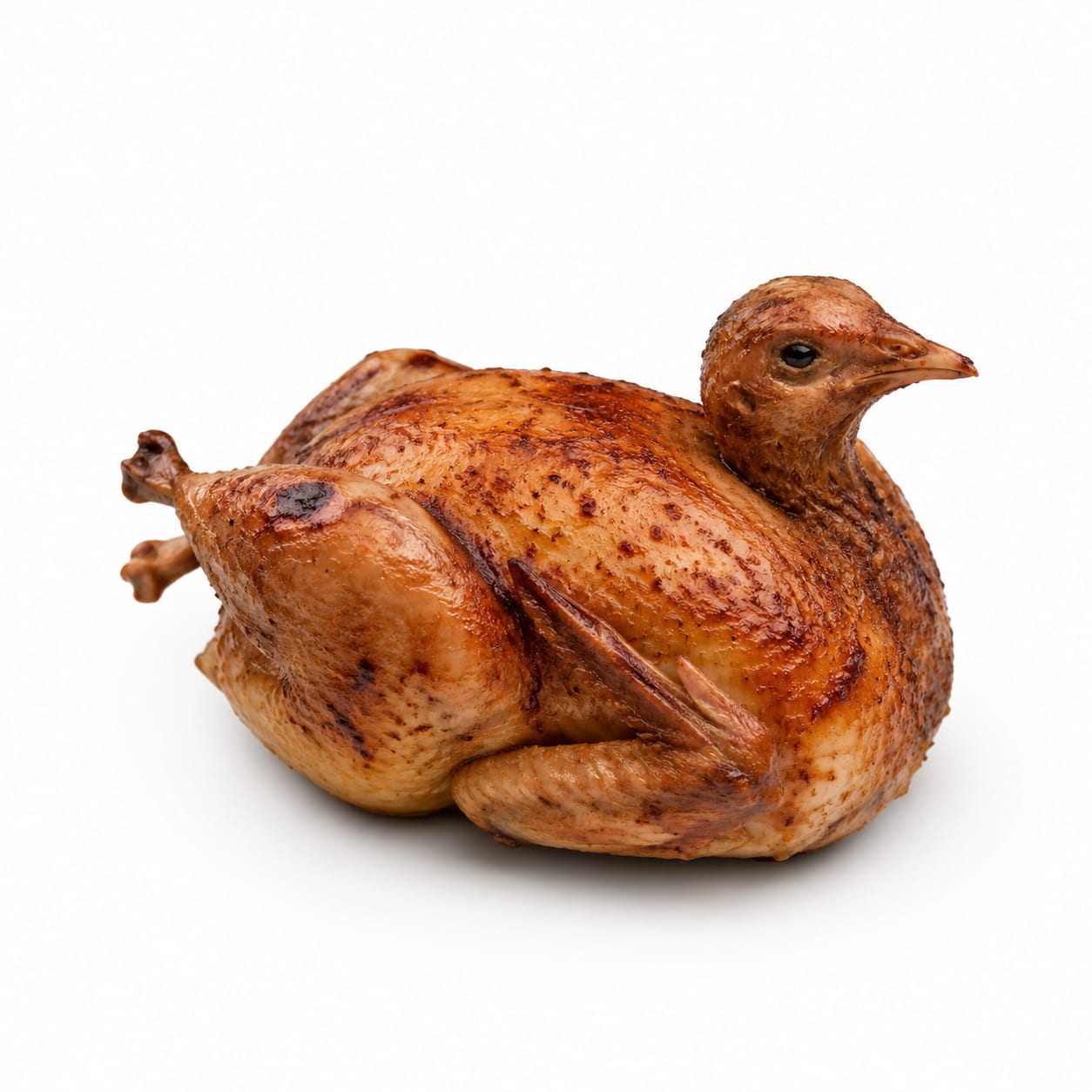
Partridge
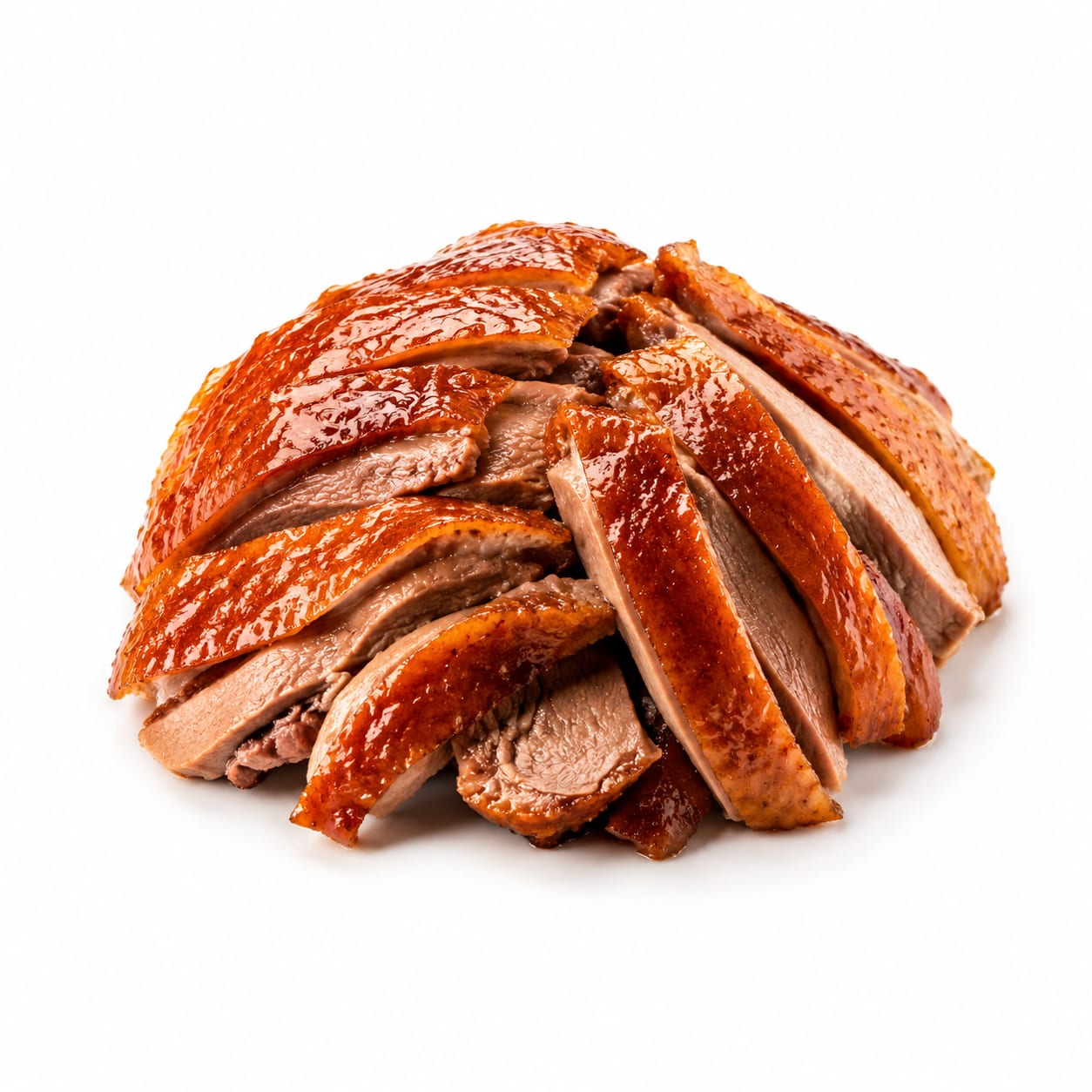
Duck
Partridge offers lean, high-protein nutrition, while Duck delivers rich, calorie-dense fat ideal for keto-style diets.
Partridge scores higher for general health due to its lean profile, but Duck remains a strong choice for specific dietary needs like keto.
Low-calorie lean protein in Partridge versus high-fat, flavorful calories in Duck.
At a glance
Executive summary
Overall
It depends
Healthier
Partridge
More practical
Duck
Daily use
Partridge
Key comparison lenses
Lean vs Fatty Poultry
The most defining difference is the massive gap in fat and calorie content between these two birds.
Calorie Density & Weight Management
Partridge is a lean diet food, while Duck is a calorie-dense indulgence.
Culinary Use & Flavor Profile
Duck provides rich, fatty flavor and rendered fat for cooking, whereas Partridge offers a lighter, gamey experience.
Game Meat vs Farm-Raised Availability
Partridge is often wild or specialty farmed, while Duck is widely available commercially.
Best choice for
Partridge
- Weight loss and calorie counting
- High-protein, low-fat diets
- Heart-healthy eating patterns
Duck
- Ketogenic and low-carb diets
- High-calorie bulking phases
- Flavor-driven, indulgent cooking
Least suitable for
Partridge
- Strict ketogenic diets
- Those needing high caloric intake
Duck
- Low-fat or calorie-restricted diets
- Daily lean protein needs
Deep comparison
Dimension by dimension
Each lens scores both foods and breaks down who each option suits.
- Dimension 1 · Priority 95Partridge
Protein Density
Partridge · 92Duck · 75Partridge provides significantly more protein per calorie compared to Duck.
Tradeoff
You get more muscle-building protein with Partridge, but Duck offers a richer mouthfeel from its fat.
Why it matters
Higher protein density helps with satiety and muscle maintenance without overshooting your daily calorie budget.
Real-world impact
Eating Partridge keeps you full on fewer calories, while Duck fills you up through fat-driven satisfaction.
Partridge
- Lean muscle gain
- Calorie-conscious meals
Better for
- Those who find lean meat unsatisfying
Worse for
Duck
- Endurance activities needing fat fuel
Better for
- Portion control
Worse for
- Dimension 2 · Priority 90It depends
Fat Profile & Calorie Load
Partridge · 85Duck · 70Partridge is extremely lean, while Duck is naturally high in fat, especially saturated fat under the skin.
Tradeoff
Partridge keeps your fat intake low, whereas Duck provides abundant calories and prized cooking fat.
Why it matters
Managing fat intake is crucial for heart health and weight, but dietary fat is essential for hormone production and keto diets.
Real-world impact
A Partridge dinner fits easily into a low-calorie day; a Duck dinner can easily exceed your fat budget.
Partridge
- Heart health
- Low-calorie diets
Better for
- Those needing a calorie surplus
Worse for
Duck
- Ketogenic diets
- High-calorie bulking
Better for
- Cardiovascular risk management
Worse for
- Dimension 3 · Priority 80It depends
Micronutrients
Partridge · 80Duck · 82Duck offers more iron and B vitamins due to its dark meat, while Partridge provides solid niacin and selenium with fewer calories.
Tradeoff
Duck's micronutrients come packaged with more calories; Partridge delivers a leaner nutrient hit.
Why it matters
Iron and B12 are vital for energy, but getting them without excess calories is a balancing act.
Real-world impact
Duck helps prevent anemia with its iron, but Partridge covers your bases without the caloric baggage.
Partridge
- Nutrient density per calorie
Better for
- Severe iron deficiency
Worse for
Duck
- Iron deficiency prevention
- B-vitamin boosting
Better for
- Those watching cholesterol
Worse for
- Dimension 4 · Priority 75Duck
Practicality & Availability
Partridge · 55Duck · 85Duck is far easier to find in grocery stores and restaurants, while Partridge is often seasonal or specialty.
Tradeoff
Partridge offers a unique gamey experience but requires more effort to source, whereas Duck is a readily available specialty meat.
Why it matters
A healthy food only works if you can actually buy and cook it without hassle.
Real-world impact
You can grab Duck breasts at most upscale grocers year-round; Partridge might require a specialty butcher or online order.
Partridge
- Adventurous cooks
- Seasonal variety
Better for
- Convenience shoppers
Worse for
Duck
- Weekly meal prep
- Easy sourcing
Better for
- Those seeking lean game meats
Worse for
Timeline
Health impact over time
Short-term
Hours to days
Partridge
- Quick protein satisfaction without feeling heavy
- Lighter post-meal energy levels
Duck
- Deep, rich satiety from high fat content
- Potential sluggishness if overconsumed
Long-term
Months to years
Partridge
- Easier weight maintenance over the years
- Lower cardiovascular risk from reduced saturated fat
Duck
- Potential weight gain if portions aren't managed
- Higher saturated fat intake impacting heart health over time
Risk profile
Safety & processing
Both Partridge and Duck are whole, minimally processed meats typically sold without additives, though farmed Duck may have some antibiotic concerns depending on sourcing.
Partridge
Lead shot contamination
mediumWild Partridge may contain lead shot fragments, which pose a toxicity risk if ingested.
Foodborne illness
lowLike all poultry, undercooked Partridge can carry Salmonella.
Duck
Foodborne illness
mediumDuck is often served medium-rare, which increases the risk of bacterial infection if not sourced and handled properly.
Antibiotic residues
lowConventionally farmed Duck may have higher antibiotic exposure compared to wild game.
Who wins for whom
Audience fit
Same foods, different winners depending on your goal.
children
DuckDuck is easier to find, milder in gamey flavor, and provides the dense calories and iron growing kids often need.
daily consumption
PartridgePartridge's lean profile makes it a more sustainable daily protein source without overloading dietary fat.
diabetes
PartridgeLeaner meats like Partridge have less saturated fat, which is linked to better insulin sensitivity compared to fatty meats like Duck.
elderly
PartridgeLower saturated fat and calorie content in Partridge aligns better with the metabolic and cardiovascular needs of older adults.
muscle gain
PartridgePartridge offers more protein per ounce, supporting muscle repair with fewer excess calories.
weight loss
PartridgePartridge is drastically lower in calories and fat, making it much easier to fit into a calorie deficit.
Your move
Decision guide
Choose Partridge
- You are tracking calories or macros for weight loss
- You want high protein without the fat
- You are managing heart health or cholesterol
Choose Duck
- You follow a ketogenic or low-carb diet
- You need calorie-dense meals for bulking
- You prioritize rich, indulgent flavors
Either works if
- You want high-quality complete protein
- You are tired of standard chicken or beef
- You enjoy cooking specialty poultry
Avoid both if
- You follow a vegetarian or vegan diet
- You have severe poultry allergies
Final recommendation
Choose Partridge for lean, everyday protein that won't weigh you down, and opt for Duck when you want a rich, indulgent meal or need higher dietary fat.
Practical
Consumer tips
- 1
Remove the skin from Duck to cut the fat and calorie content nearly in half.
- 2
Barding Partridge with a little bacon or butter can prevent it from drying out since it lacks the fat of Duck.
- 3
Use rendered Duck fat for roasting vegetables—it adds incredible flavor and tolerates high heat.
- 4
If buying wild Partridge, check carefully for lead shot before cooking and serving.