
Nutrition comparison
Partridge vs Chicken Breast: Nutrition, Taste, and Value Compared
Partridge delivers richer micronutrients and flavor but costs more and is harder to find. Chicken Breast offers unmatched daily practicality and value. See which lean protein fits your goals.
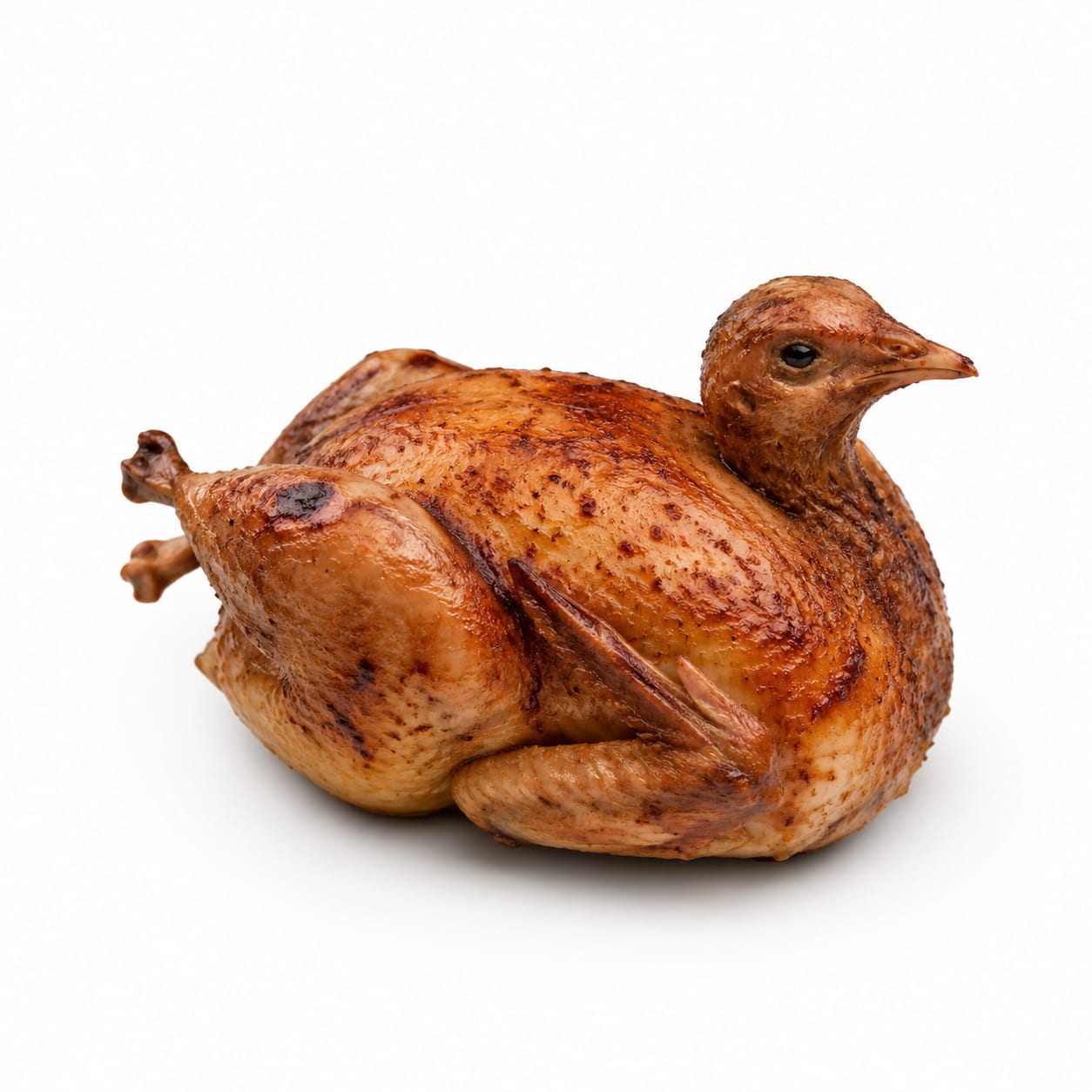
Partridge
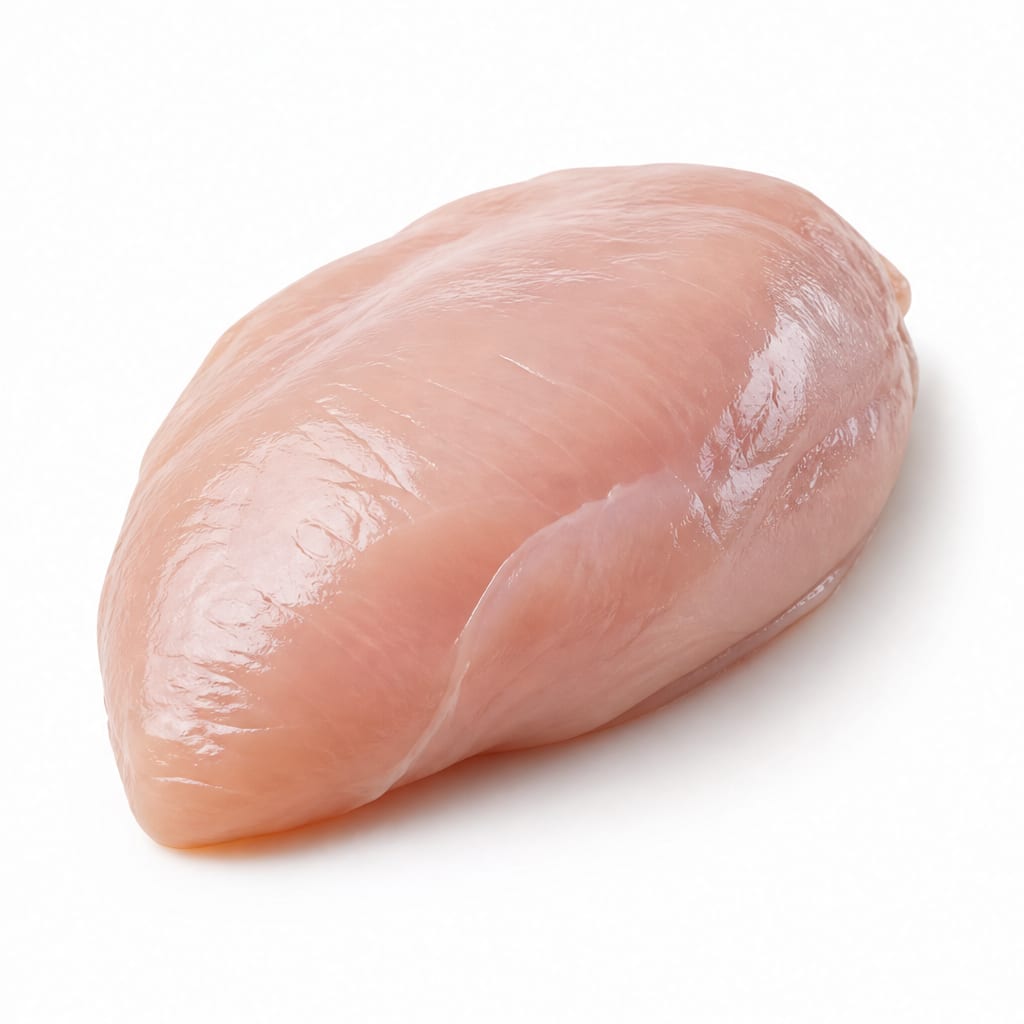
Chicken Breast
Chicken Breast wins on practicality and consistency; Partridge delivers richer micronutrients and a more interesting eating experience but at higher cost and effort.
Chicken Breast scores higher overall due to unmatched practicality, affordability, and consistent macro tracking. Partridge edges ahead on micronutrients and naturalness but loses ground on availability, cost, and everyday usability.
Everyday reliability and affordability versus superior nutrient density and culinary variety.
At a glance
Executive summary
Overall
It depends
Healthier
Partridge
More practical
Chicken Breast
Daily use
Chicken Breast
Key comparison lenses
lean protein source selection
Both are lean meats primarily chosen for high protein with minimal fat, making this the core decision driver
everyday practicality vs novelty
Chicken Breast is a daily staple while Partridge is seasonal and specialty, creating a major lifestyle tradeoff
micronutrient density comparison
Game birds typically offer superior mineral profiles, which matters for nutrition-focused eaters
food safety and contamination exposure
Wild game vs commercial poultry carries different risk profiles worth understanding
budget and accessibility constraints
Price and availability gap between these two proteins is massive and affects real-world decisions
Best choice for
Partridge
- Adventurous eaters seeking nutrient-dense variety
- People wanting to reduce commercial poultry exposure
- Those prioritizing iron and B12 intake
- Occasional treat meals with premium ingredients
Chicken Breast
- Meal preppers needing consistent weekly protein
- Budget-conscious households
- Athletes requiring reliable macro tracking
- Anyone who values convenience and availability
Least suitable for
Partridge
- Weekly meal prep on a tight budget
- People uncomfortable cooking game birds
- Households needing kid-friendly familiar flavors
Chicken Breast
- Those avoiding commercially farmed poultry
- Diners seeking culinary adventure or variety
- People wanting to maximize micronutrient density per calorie
Deep comparison
Dimension by dimension
Each lens scores both foods and breaks down who each option suits.
- Dimension 1 · Priority 95Chicken Breast
Protein Quality and Content
Partridge · 82Chicken Breast · 90Chicken Breast delivers slightly more protein per serving with more predictable macros, while Partridge offers excellent but marginally lower protein content.
Tradeoff
Partridge provides great protein but with more variability between birds; Chicken Breast offers reliable, trackable protein amounts every time.
Why it matters
Consistent protein intake matters for muscle maintenance and satiety planning. Knowing exactly what you get simplifies meal prep and macro tracking.
Real-world impact
If you weigh 100g of Chicken Breast, you know you are getting roughly 31g of protein. Partridge varies more, making precise tracking harder.
Partridge
- Those who prioritize amino acid diversity from varied protein sources
Better for
- People who need exact protein numbers daily
Worse for
Chicken Breast
- Athletes tracking macros precisely
- Anyone meal prepping with consistent portion targets
Better for
- Eaters concerned about lack of protein source variety
Worse for
- Dimension 2 · Priority 88Partridge
Micronutrient Density
Partridge · 88Chicken Breast · 70Partridge significantly outperforms Chicken Breast in iron, zinc, selenium, and B12 content thanks to its wild diet and more active lifestyle.
Tradeoff
You gain meaningful mineral boosts with Partridge but sacrifice the convenience of a food you can eat multiple times per week.
Why it matters
Iron and B12 deficiencies are surprisingly common, especially among women and older adults. A food naturally rich in these minerals has real health value.
Real-world impact
Eating Partridge occasionally can meaningfully boost your iron intake for the day, whereas Chicken Breast contributes less toward closing mineral gaps.
Partridge
- Anyone with low iron or B12 concerns
- People eating limited red meat who still want mineral-rich protein
Better for
- People who cannot access it regularly enough for cumulative benefit
Worse for
Chicken Breast
- Those already meeting mineral needs through supplements or varied diet
Better for
- Relying solely on Chicken Breast may leave mineral gaps over time
Worse for
- Dimension 3 · Priority 80It depends
Fat Profile and Leanness
Partridge · 78Chicken Breast · 85Both are very lean, but Chicken Breast is slightly leaner. Partridge has marginally more fat, which contributes to richer flavor and slightly better satiety.
Tradeoff
Chicken Breast is the leanest common protein available; Partridge trades a tiny fat increase for noticeably more flavor and satisfaction.
Why it matters
For strict calorie cutting, every gram of fat counts. For enjoyable eating that still stays lean, a touch more fat can help meals feel less punishing.
Real-world impact
A Chicken Breast meal might feel drier and need sauce to enjoy. Partridge tends to feel more satisfying with less dressing up.
Partridge
- People who want lean protein that still tastes interesting
- Those finding Chicken Breast too dry or bland without additions
Better for
- Situations requiring the absolute lowest fat content possible
Worse for
Chicken Breast
- Bodybuilders in contest prep needing absolute minimum fat
- Anyone on a very strict calorie-controlled plan
Better for
- Meals where dryness leads to adding high-calorie sauces
Worse for
- Dimension 4 · Priority 92Chicken Breast
Availability and Practicality
Partridge · 30Chicken Breast · 95Chicken Breast is available at every grocery store year-round. Partridge is seasonal, specialty, and often requires effort to source.
Tradeoff
You can build your entire weekly meal plan around Chicken Breast without thinking. Partridge requires planning, searching, and often paying premium prices.
Why it matters
The best protein source is one you can actually buy and cook consistently. Nutrition only works when it fits your life.
Real-world impact
You can grab Chicken Breast any day of the week in minutes. Finding Partridge might mean specialty butchers, online orders, or waiting for game season.
Partridge
- People who enjoy hunting or have access to game sources
- Special occasion meals where rarity adds value
Better for
- Last-minute meal situations
- Rural areas without specialty butchers
Worse for
Chicken Breast
- Busy professionals needing reliable weekly shopping
- Anyone living far from specialty food shops
- Families who need protein available on demand
Better for
- Diners who find eating the same protein daily monotonous
Worse for
- Dimension 5 · Priority 85Chicken Breast
Cost and Value
Partridge · 35Chicken Breast · 90Chicken Breast is one of the most affordable lean proteins per gram. Partridge is a luxury protein costing several times more.
Tradeoff
Chicken Breast gives maximum protein per dollar. Partridge delivers a premium eating experience but at a steep price premium.
Why it matters
For most households, protein cost determines what lands on the plate. Value matters as much as nutrition for sustainable eating.
Real-world impact
Feeding a family of four with Chicken Breast might cost $8-12 for dinner. The same meal with Partridge could easily exceed $30-40.
Partridge
- Special occasions where cost is less important than experience
- People who hunt and can source it inexpensively
Better for
- Weekly grocery budgets under $100 per person
- Large households needing bulk protein
Worse for
Chicken Breast
- Families on grocery budgets
- Students and young professionals
- Anyone eating protein multiple times daily
Better for
- None from a cost perspective — it is consistently excellent value
Worse for
- Dimension 6 · Priority 78It depends
Food Safety and Contamination
Partridge · 75Chicken Breast · 72Partridge avoids commercial farming antibiotics but carries wild game risks like lead shot and environmental contaminants. Chicken Breast has well-documented salmonella risk and antibiotic concerns but regulated safety standards.
Tradeoff
Partridge sidesteps factory farming issues but introduces wild-harvest unknowns. Chicken Breast has known risks with established safety protocols.
Why it matters
Understanding where your meat comes from determines which risks you accept. Both carry risks, just different types.
Real-world impact
With Chicken Breast, safe handling and thorough cooking manage most risks. With Partridge, sourcing quality birds and checking for shot matters.
Partridge
- People wanting to avoid antibiotic-treated meat
- Those concerned about concentrated animal feeding operations
Better for
- Eaters worried about lead exposure from shot
- People unsure about their game source's environmental cleanliness
Worse for
Chicken Breast
- Anyone who prefers regulated food safety systems
- People uncomfortable assessing wild game quality
Better for
- Those specifically avoiding commercially farmed poultry
- People concerned about antibiotic-resistant bacteria
Worse for
- Dimension 7 · Priority 72Partridge
Culinary Satisfaction and Variety
Partridge · 85Chicken Breast · 60Partridge offers a richer, more complex flavor that makes meals feel special. Chicken Breast is versatile but inherently bland without heavy seasoning.
Tradeoff
Partridge brings excitement to the plate but requires more cooking skill. Chicken Breast is forgiving but needs help to taste interesting.
Why it matters
Enjoying what you eat determines whether you stick with healthy choices long-term. Boredom is a real diet killer.
Real-world impact
A Partridge dinner feels like an event. A Chicken Breast dinner feels like fuel. Both have their place depending on your mindset.
Partridge
- Home cooks who enjoy trying new recipes
- People bored with standard protein options
- Dinner parties and date nights
Better for
- Picky eaters unfamiliar with game flavors
- Quick 15-minute weeknight meals
Worse for
Chicken Breast
- Those who prefer neutral protein that absorbs any flavor
- Quick weeknight cooking with minimal thought
- Batch cooking where flavor comes from sauces
Better for
- People tired of eating the same protein daily
- Meals where the protein should shine on its own
Worse for
Timeline
Health impact over time
Short-term
Hours to days
Partridge
- Higher iron content may boost energy in iron-deficient individuals
- Richer flavor promotes meal satisfaction with smaller portions
- Potential digestive adjustment if unaccustomed to game meats
Chicken Breast
- Rapid protein availability supports post-workout recovery
- Very low fat content may leave some people hungry sooner
- Easy to digest and gentle on the stomach for most people
Long-term
Months to years
Partridge
- Superior mineral intake supports blood health and immunity over time
- Avoiding commercial poultry reduces cumulative antibiotic exposure
- Seasonal consumption naturally introduces dietary variety
Chicken Breast
- Consistent lean protein supports muscle preservation with aging
- Affordability enables sustained high-protein eating long-term
- Risk of dietary monotony if not rotated with other proteins
Risk profile
Safety & processing
Both are whole, minimally processed meats. Partridge has an edge in naturalness since wild birds live natural diets without commercial feed. Chicken Breast is natural meat but comes from an industrial farming system, which matters to some consumers even though the meat itself is unprocessed.
Partridge
Lead shot contamination
mediumWild-harvested Partridge may contain lead shot fragments, which pose neurological risk especially for children. Farmed Partridge reduces this risk significantly.
Environmental contaminant accumulation
lowWild birds may accumulate environmental toxins from their habitat, though this is typically minimal compared to aquatic species.
Improper handling during field dressing
mediumIf hunted and processed at home, improper technique can introduce bacterial contamination that commercial processing avoids.
Chicken Breast
Salmonella and Campylobacter
mediumChicken is a well-known carrier. Safe handling and thorough cooking eliminate the risk, but cross-contamination in home kitchens remains common.
Antibiotic residue concerns
lowWhile regulations limit antibiotic use before slaughter, some consumers worry about cumulative exposure from frequent Chicken Breast consumption.
Processing plant contamination
mediumLarge-scale processing increases the chance of widespread contamination events compared to small-batch or wild game handling.
Who wins for whom
Audience fit
Same foods, different winners depending on your goal.
children
Chicken BreastChildren generally prefer mild flavors they recognize. Chicken Breast is familiar and easy to prepare in kid-friendly ways. Partridge's gamier taste and potential lead shot risk make it less suitable for young eaters.
daily consumption
Chicken BreastDaily protein needs to be affordable, available, and easy to prepare. Chicken Breast excels at all three. Partridge is better as a weekly or monthly addition for variety.
diabetes
It dependsBoth are zero-carb proteins that stabilize blood sugar equally well. Chicken Breast is easier to eat consistently, but Partridge's slightly higher fat content may provide marginally steadier post-meal glucose. The difference is minimal.
elderly
Chicken BreastOlder adults benefit from easy-to-chew, consistently available protein. Chicken Breast is tender when cooked properly and always accessible. Partridge can be tougher and harder to source regularly.
muscle gain
Chicken BreastConsistent, affordable, high-protein meals win for muscle building. Chicken Breast lets you hit protein targets daily without budget strain. Partridge works as occasional variety but cannot be the primary muscle-building protein for most people.
weight loss
Chicken BreastChicken Breast's extreme leanness and precise macro tracking make it the gold standard for calorie-controlled diets. Partridge is also lean but harder to track and more expensive to eat frequently.
Your move
Decision guide
Choose Partridge
- You want to add exciting variety to a repetitive protein routine
- Mineral density matters more to you than cost convenience
- You have access to quality game meat at reasonable prices
- You are trying to reduce reliance on commercially farmed poultry
- You enjoy cooking and want to develop new culinary skills
Choose Chicken Breast
- You need reliable, affordable protein every day of the week
- Precise macro tracking is important for your goals
- You meal prep in bulk on weekends
- Your household includes picky eaters or children
- Budget is a primary consideration in food choices
Either works if
- You simply need a lean protein for tonight's dinner
- Both are available and cost is not a factor
- You rotate proteins regularly and both fit the rotation
Avoid both if
- You follow a plant-based diet
- You have gout and need to limit purine intake from all poultry
- You cannot ensure safe cooking temperatures for either meat
Final recommendation
Make Chicken Breast your daily workhorse protein and treat Partridge as a nutritional and culinary upgrade you enjoy occasionally. This gives you the reliability and affordability of Chicken Breast with the mineral boost and eating pleasure of Partridge. The best approach is not choosing one — it is using each where it shines.
Practical
Consumer tips
- 1
If trying Partridge for the first time, roast it simply with herbs to appreciate the natural flavor before adding complex preparations
- 2
Ask your butcher whether Partridge is wild or farmed — farmed birds avoid lead shot concerns and tend to be milder in flavor
- 3
For Chicken Breast, choose organic or antibiotic-free options when budget allows to reduce farming-related concerns
- 4
Brining Chicken Breast before cooking dramatically improves moisture and satisfaction without adding fat
- 5
If you hunt or know a hunter, Partridge becomes far more cost-effective and worth freezing for occasional meals
- 6
Rotate between Chicken Breast, Partridge, fish, and legumes to maximize nutrient diversity without relying on any single protein