
Nutrition comparison
Paella Valenciana vs Seafood Paella: Nutrition, Health Risks, and Which to Choose
Compare Paella Valenciana and Seafood Paella on omega-3 content, mercury risk, heart health, calories, and protein quality. Learn which paella fits your health goals and dietary needs.
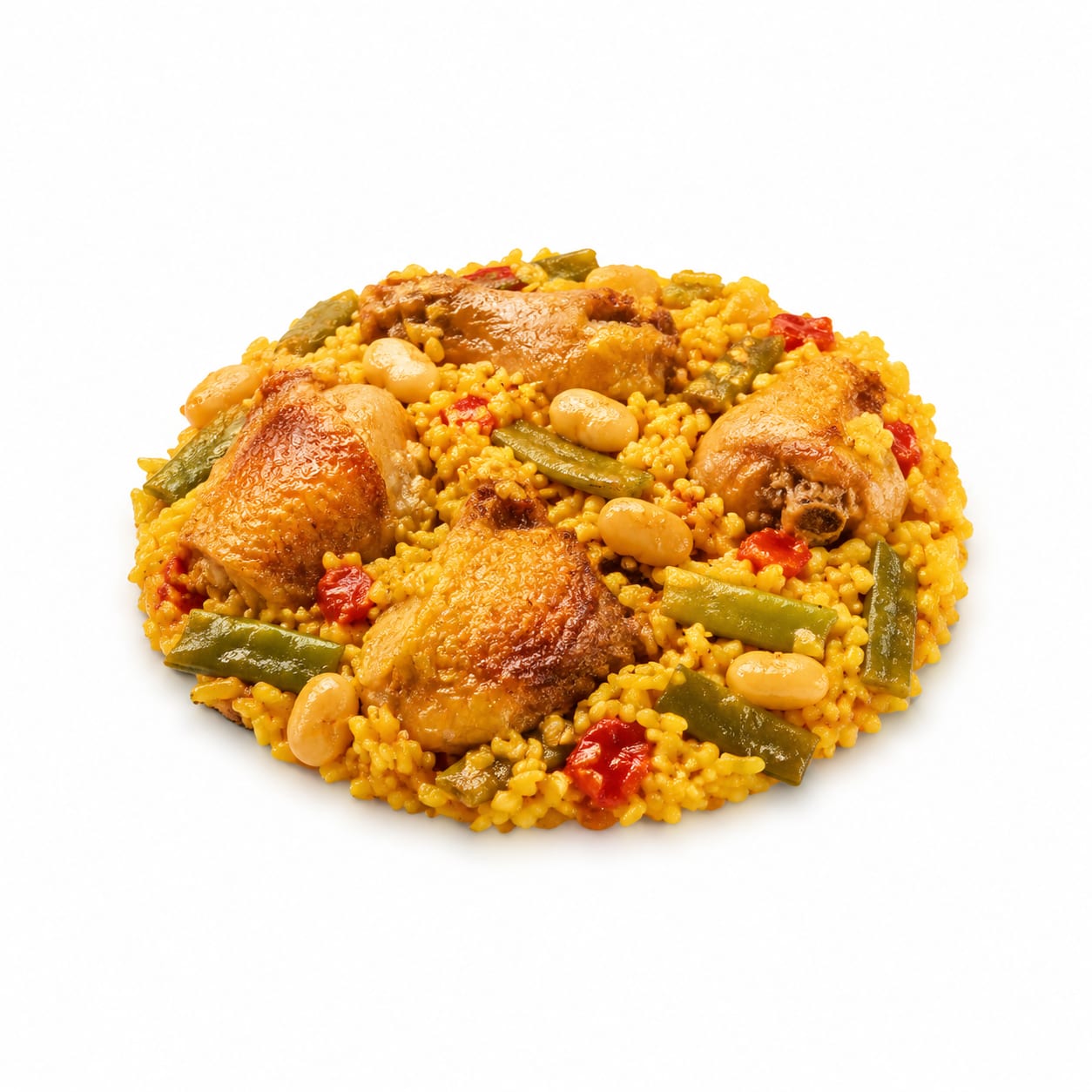
Paella Valenciana
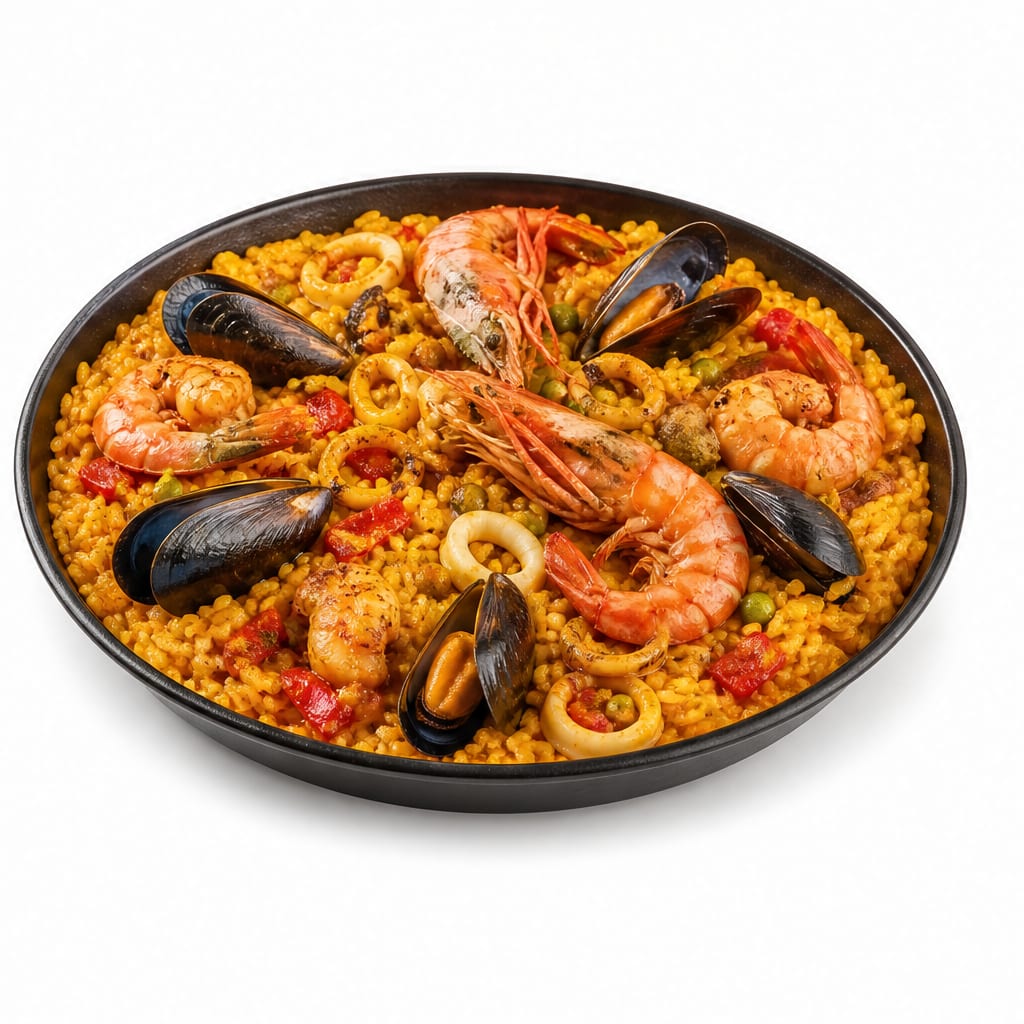
Seafood Paella
Seafood Paella wins for heart health and anti-inflammatory benefits, while Paella Valenciana offers safer protein with fewer contamination worries and more consistent quality.
Seafood Paella edges ahead on cardiovascular and anti-inflammatory benefits, but the margin is slim because contamination risks and sourcing variability partially offset its omega-3 advantage. Paella Valenciana scores lower on heart health metrics but higher on safety and consistency.
Omega-3 richness and lighter saturated fat load in Seafood Paella versus lower contamination risk and more predictable ingredient quality in Paella Valenciana.
At a glance
Executive summary
Overall
It depends
Healthier
Seafood Paella
More practical
Paella Valenciana
Daily use
It depends
Key comparison lenses
protein source quality
Land animal protein versus marine protein creates fundamentally different nutritional profiles affecting heart health, inflammation, and long-term disease risk
heart health impact
Saturated fat from meat versus omega-3s from seafood represents the most consequential health tradeoff between these dishes
heavy metal contamination risk
Seafood introduces mercury and microplastic concerns that land-based proteins in Paella Valenciana largely avoid
calorie and satiety balance
Both are rice-heavy dishes but protein and fat sources create meaningfully different fullness and energy outcomes
authenticity and ingredient integrity
Paella Valenciana follows strict traditional standards while Seafood Paella varies widely in quality and ingredient honesty
Best choice for
Paella Valenciana
- People concerned about mercury and heavy metal exposure
- Those who want predictable calorie and protein content
- Diners seeking authentic traditional preparation standards
- Anyone with shellfish allergies or seafood sensitivities
- Families wanting a safer option for children
Seafood Paella
- People prioritizing heart health and omega-3 intake
- Those wanting lower saturated fat meals
- Diners seeking lighter post-meal feeling
- Anyone following Mediterranean diet principles
- People who enjoy variety in protein sources
Least suitable for
Paella Valenciana
- People strictly limiting saturated fat intake
- Those avoiding land animal meats for ethical or health reasons
- Diners who find rabbit or snail culturally unfamiliar
- Anyone seeking maximum omega-3 intake
Seafood Paella
- Pregnant women due to mercury concerns
- People with shellfish or fish allergies
- Those worried about microplastic exposure
- Diners at restaurants with questionable seafood sourcing
- Children who should limit heavy seafood consumption
Deep comparison
Dimension by dimension
Each lens scores both foods and breaks down who each option suits.
- Dimension 1 · Priority 92Seafood Paella
heart_health_and_inflammation
Paella Valenciana · 55Seafood Paella · 85Seafood Paella delivers substantially more omega-3 fatty acids and far less saturated fat, making it the clear winner for cardiovascular protection.
Tradeoff
The heart benefits of Seafood Paella come with mercury exposure risk that Paella Valenciana largely avoids.
Why it matters
Chronic inflammation drives most age-related diseases. Consistently choosing omega-3-rich seafood over saturated-fat-heavy meats meaningfully shifts long-term heart disease risk.
Real-world impact
Regular Seafood Paella eaters likely see better cholesterol numbers and less arterial inflammation over years, while regular Paella Valenciana eaters may need to balance their diet with other omega-3 sources.
Paella Valenciana
- Those already meeting omega-3 needs through supplements
- People whose overall diet is already low in saturated fat
Better for
- People with elevated LDL cholesterol
- Anyone with existing heart conditions
Worse for
Seafood Paella
- Anyone with family history of heart disease
- People not taking fish oil or omega-3 supplements
- Those wanting to lower triglycerides naturally
Better for
- Pregnant women who must limit mercury exposure
- Those who eat seafood frequently from other meals
Worse for
- Dimension 2 · Priority 85It depends
protein_quality_and_completeness
Paella Valenciana · 78Seafood Paella · 80Both provide excellent complete protein, but Seafood Paella offers slightly higher bioavailability and more diverse amino acid profiles from mixed marine sources.
Tradeoff
Seafood protein is marginally better absorbed but comes in smaller total quantities per serving compared to the generous meat portions in Paella Valenciana.
Why it matters
Protein quality affects muscle maintenance, satiety, and metabolic health. Small differences compound over years of eating patterns.
Real-world impact
After Seafood Paella you may feel lighter but hungry sooner. After Paella Valenciana the heavier protein load keeps you full longer but may feel sluggish.
Paella Valenciana
- Those needing higher total protein per meal
- People recovering from illness who need calorie-dense nourishment
- Anyone wanting longer-lasting fullness
Better for
- People with gout who must limit purine-rich meats
- Those who find heavy meals uncomfortable
Worse for
Seafood Paella
- Older adults who need highly bioavailable protein
- Those wanting easier digestion after eating
- Athletes prioritizing protein absorption efficiency
Better for
- Anyone needing substantial protein intake per serving
- People with seafood allergies
Worse for
- Dimension 3 · Priority 85Paella Valenciana
contamination_and_safety_risk
Paella Valenciana · 82Seafood Paella · 52Paella Valenciana carries minimal contamination risk from its land-based proteins, while Seafood Paella introduces mercury, microplastics, and spoilage concerns.
Tradeoff
Choosing the safer protein source means giving up the cardiovascular benefits of marine omega-3s.
Why it matters
Mercury and heavy metals accumulate over time and affect neurological health. This is especially critical for pregnant women and children.
Real-world impact
Eating Seafood Paella weekly is generally fine for most adults, but frequent consumption or questionable sourcing can meaningfully increase mercury body burden over years.
Paella Valenciana
- Pregnant and breastfeeding women
- Children under 12
- People who eat seafood multiple times per week already
- Anyone dining at restaurants with unknown seafood sourcing
Better for
- No significant contamination concerns for typical consumption
Worse for
Seafood Paella
- Adults who eat seafood rarely and want occasional omega-3 intake
- Those sourcing from trusted, sustainable fisheries
Better for
- Pregnant women must strictly limit intake
- Children are more vulnerable to mercury neurotoxicity
- Frequent seafood eaters risk cumulative heavy metal exposure
- Restaurant-quality varies enormously and is hard to verify
Worse for
- Dimension 4 · Priority 78Paella Valenciana
satiety_and_energy_stability
Paella Valenciana · 80Seafood Paella · 68Paella Valenciana keeps you fuller for longer thanks to denser protein and higher fat content that slows digestion and stabilizes blood sugar.
Tradeoff
The heavier satiety comes with more calories and a sluggish feeling that Seafood Paella avoids.
Why it matters
Meals that keep you full prevent snacking and overeating later. But feeling overly stuffed can reduce afternoon productivity.
Real-world impact
Paella Valenciana is a one-meal affair that carries you for hours. Seafood Paella may leave you reaching for a snack within three hours.
Paella Valenciana
- Those using paella as their main meal of the day
- People who skip meals and need lasting energy
- Anyone prone to afternoon hunger crashes
Better for
- People who find heavy midday meals reduce productivity
- Those watching calorie intake closely
Worse for
Seafood Paella
- Those who prefer lighter lunches
- People eating multiple courses or tapas-style
- Anyone wanting to avoid the post-meal food coma
Better for
- People who need one meal to sustain them for 5+ hours
- Those prone to blood sugar dips between meals
Worse for
- Dimension 5 · Priority 75Seafood Paella
micronutrient_diversity
Paella Valenciana · 65Seafood Paella · 82Seafood Paella provides a broader spectrum of trace minerals including iodine, zinc, selenium, and vitamin D that land-based Paella Valenciana lacks.
Tradeoff
The micronutrient richness of seafood comes alongside the contamination risks already noted.
Why it matters
Iodine and selenium deficiencies are surprisingly common. Seafood remains one of the most efficient natural sources of these critical minerals.
Real-world impact
Regular Seafood Paella eaters likely maintain better thyroid function and immune resilience. Paella Valenciana eaters should ensure they get iodine and selenium from other sources.
Paella Valenciana
- Those already taking multivitamins covering trace minerals
- People who eat fish regularly from other meals
Better for
- People relying on this as a primary meal who may develop trace mineral gaps
Worse for
Seafood Paella
- Anyone not supplementing iodine or selenium
- People with thyroid concerns needing natural iodine sources
- Those wanting to boost immune function through diet
Better for
- Those already exceeding safe selenium intake from supplements
Worse for
- Dimension 6 · Priority 70It depends
sodium_load_and_blood_pressure
Paella Valenciana · 60Seafood Paella · 58Both dishes are sodium-heavy from broth and seasoning, but Seafood Paella sometimes adds salt from brined seafood like anchovies and clams.
Tradeoff
Neither is a low-sodium choice. The difference is marginal and depends heavily on the cook.
Why it matters
For hypertensive individuals, both versions represent a sodium load that requires balancing with lower-sodium meals elsewhere in the day.
Real-world impact
After either paella, you may notice thirst and mild bloating. People with blood pressure concerns should treat paella as an occasional meal regardless of version.
Paella Valenciana
- Those whose Seafood Paella includes heavily salted preserved fish
- Home cooks who can control the salt in their broth
Better for
- Restaurant versions using heavy-handed seasoning
- People with hypertension who need strict sodium control
Worse for
Seafood Paella
- Versions made with fresh unsalted seafood and light broth
Better for
- Versions with salted mussels, anchovy paste, or clam juice
- Anyone on a sodium-restricted diet
Worse for
Timeline
Health impact over time
Short-term
Hours to days
Paella Valenciana
- Heavy satisfying fullness lasting 4-5 hours
- Possible sluggishness or drowsiness after large portions
- Stable blood sugar due to protein and fat slowing rice absorption
- Higher calorie intake may exceed daily targets if portion is large
Seafood Paella
- Lighter post-meal feeling with energy returning within 2-3 hours
- Possible earlier hunger compared to the meat version
- Risk of mild digestive upset if seafood is not perfectly fresh
- Lower calorie density allows larger portions without overeating
Long-term
Months to years
Paella Valenciana
- Higher saturated fat intake may elevate LDL cholesterol if eaten frequently
- Iron and B12 status likely excellent from regular meat consumption
- Missing omega-3 benefits unless balanced with fish elsewhere in diet
- Lower contamination risk supports long-term neurological health
Seafood Paella
- Better cardiovascular markers from regular omega-3 intake
- Potential mercury accumulation if consumed more than twice weekly
- Improved thyroid function from consistent iodine intake
- Trace mineral status likely superior with regular consumption
Risk profile
Safety & processing
Both dishes are traditionally made from whole ingredients with minimal processing. The main concern is restaurant versions that may use pre-made broth bases with MSG or preservatives. Authentic preparations of either version are clean, whole-food meals.
Paella Valenciana
Undercooked poultry
mediumChicken in paella must reach safe internal temperature. Restaurant preparation usually ensures this, but home cooks sometimes undercook meat when rushing the rice.
Foodborne illness from rabbit
lowProperly sourced and cooked rabbit is safe. Risk increases with wild-caught rabbit that may carry tularemia, though this is rare in commercial settings.
Seafood Paella
Mercury and heavy metal exposure
mediumShrimp and squid are relatively low in mercury, but mussels and certain fish can accumulate more. Cumulative exposure matters more than any single meal.
Seafood spoilage and foodborne illness
highSeafood spoils faster than land meat. Mussels and clams that are not alive before cooking can cause serious illness. This is the most acute safety risk for Seafood Paella.
Microplastic contamination
mediumShellfish like mussels and shrimp are documented carriers of microplastics. The health effects are still being studied but represent an emerging concern.
Who wins for whom
Audience fit
Same foods, different winners depending on your goal.
children
Paella ValencianaLower mercury risk and more familiar protein sources make Paella Valenciana safer and more practical for children. Kids are also more vulnerable to heavy metal exposure.
daily consumption
It dependsNeither paella is ideal for daily consumption due to rice density and sodium. If forced to choose, Seafood Paella twice weekly is acceptable for most adults, while Paella Valenciana should be limited to once weekly due to saturated fat.
diabetes
It dependsBoth have similar rice content driving blood sugar. Paella Valenciana's higher fat and protein may slow glucose absorption slightly, but neither is ideal for blood sugar management.
elderly
Seafood PaellaEasier-to-digest seafood protein, higher omega-3 for brain health, and lower saturated fat make Seafood Paella more appropriate for older adults concerned about heart disease and cognitive decline.
muscle gain
Paella ValencianaPaella Valenciana provides more total protein per serving from chicken and rabbit, which supports muscle protein synthesis better than the lighter seafood portions.
weight loss
Seafood PaellaSeafood Paella typically has fewer calories per serving due to lower fat content from seafood versus meat, making it easier to fit into a calorie-controlled plan.
Your move
Decision guide
Choose Paella Valenciana
- You are pregnant, breastfeeding, or cooking for young children
- You eat seafood frequently from other meals and want to limit mercury exposure
- You want a heartier meal that keeps you full for hours
- You are dining at a restaurant and cannot verify seafood sourcing quality
- You have shellfish allergies or seafood sensitivities
- You want the most authentic Valencian cultural experience
Choose Seafood Paella
- Heart health is your top dietary priority
- You rarely eat seafood and want natural omega-3 intake
- You prefer lighter meals that do not leave you sluggish
- You are following Mediterranean diet principles
- You trust the seafood source and want maximum micronutrient diversity
- You are an older adult prioritizing brain and cardiovascular health
Either works if
- You are a healthy adult eating paella occasionally as a treat
- You balance your diet well across the week and neither version creates a nutritional gap
- You are more focused on the social experience than nutritional optimization
Avoid both if
- You have severe sodium restrictions from hypertension or kidney disease
- You are following a low-carb or ketogenic diet and cannot accommodate the rice
- You have gout flares triggered by purine-rich foods in either version
- You are strictly controlling blood sugar and cannot manage the rice load
Final recommendation
For most healthy adults, Seafood Paella is the slightly better choice when eaten once or twice per week due to its omega-3 content and lower saturated fat. However, if you already eat seafood regularly, are pregnant, or cannot verify sourcing quality, Paella Valenciana is the safer and more consistent option. The best approach is alternating between both to get the heart benefits of seafood while limiting cumulative mercury exposure.
Practical
Consumer tips
- 1
Ask restaurants about their seafood sourcing. Trustworthy establishments will tell you where their fish comes from.
- 2
When making Paella Valenciana at home, use free-range chicken for better omega-3 to omega-6 ratios in the meat.
- 3
For Seafood Paella, prioritize shrimp and squid over mussels and large fish to minimize mercury and microplastic exposure.
- 4
Limit either paella to once or twice per week and balance with lighter vegetable-based meals on other days.
- 5
If you have high blood pressure, ask for less salt in the broth or make paella at home where you control sodium.
- 6
Pair either version with a large side salad to add fiber, slow rice absorption, and reduce the glycemic impact of the meal.
- 7
Leftover paella should be refrigerated within two hours. Seafood Paella leftovers carry higher food poisoning risk if not handled properly.
- 8
Consider using brown rice or a rice blend in homemade versions to increase fiber and reduce the blood sugar spike.