
Nutrition comparison
Paella Valenciana vs Jambalaya: Which Rice Dish Is Healthier?
Compare Paella Valenciana and Jambalaya nutrition, sodium, fat quality, and health impact. Learn which iconic rice dish is better for heart health, weight loss, and daily eating.
Overall winner · Paella Valenciana
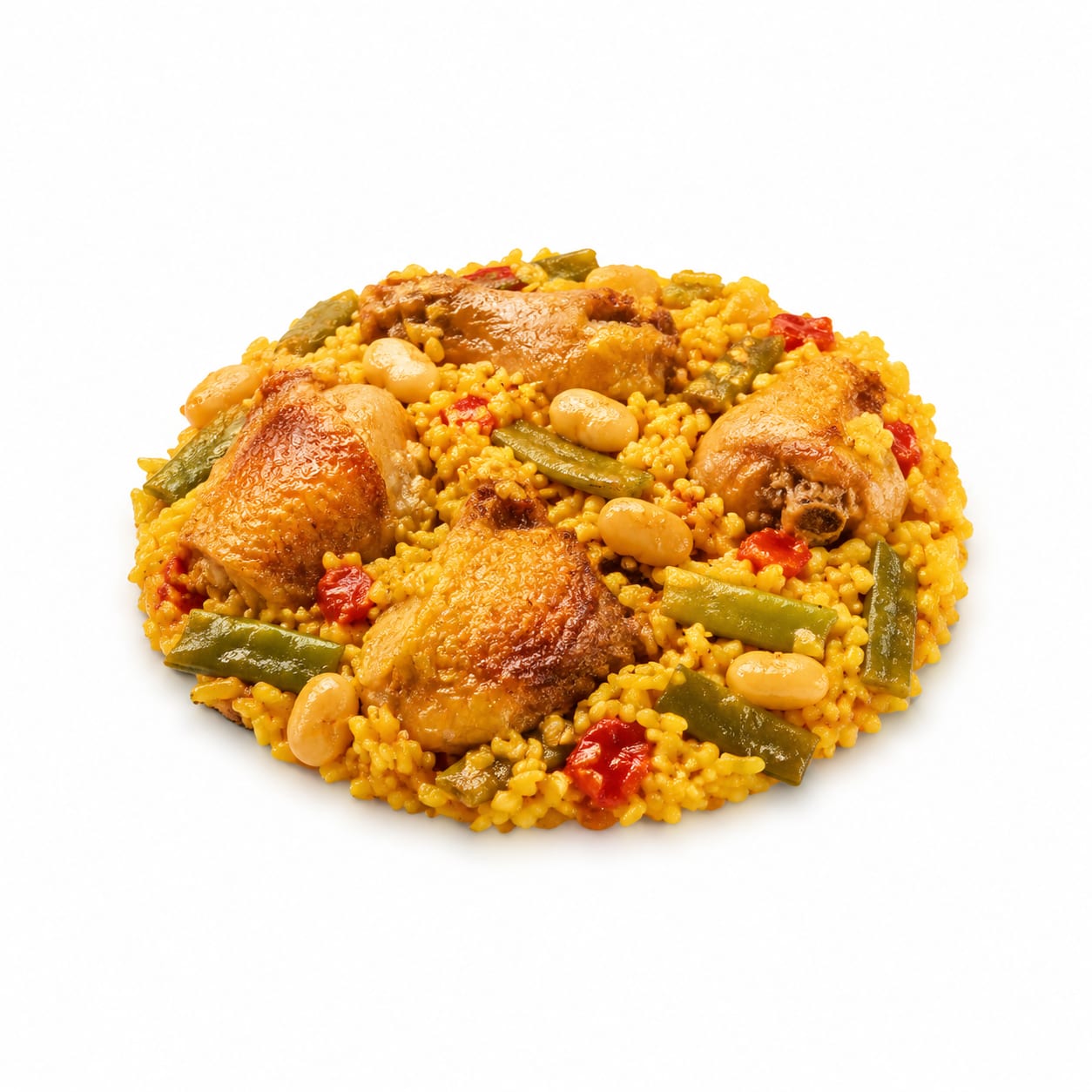
Paella Valenciana
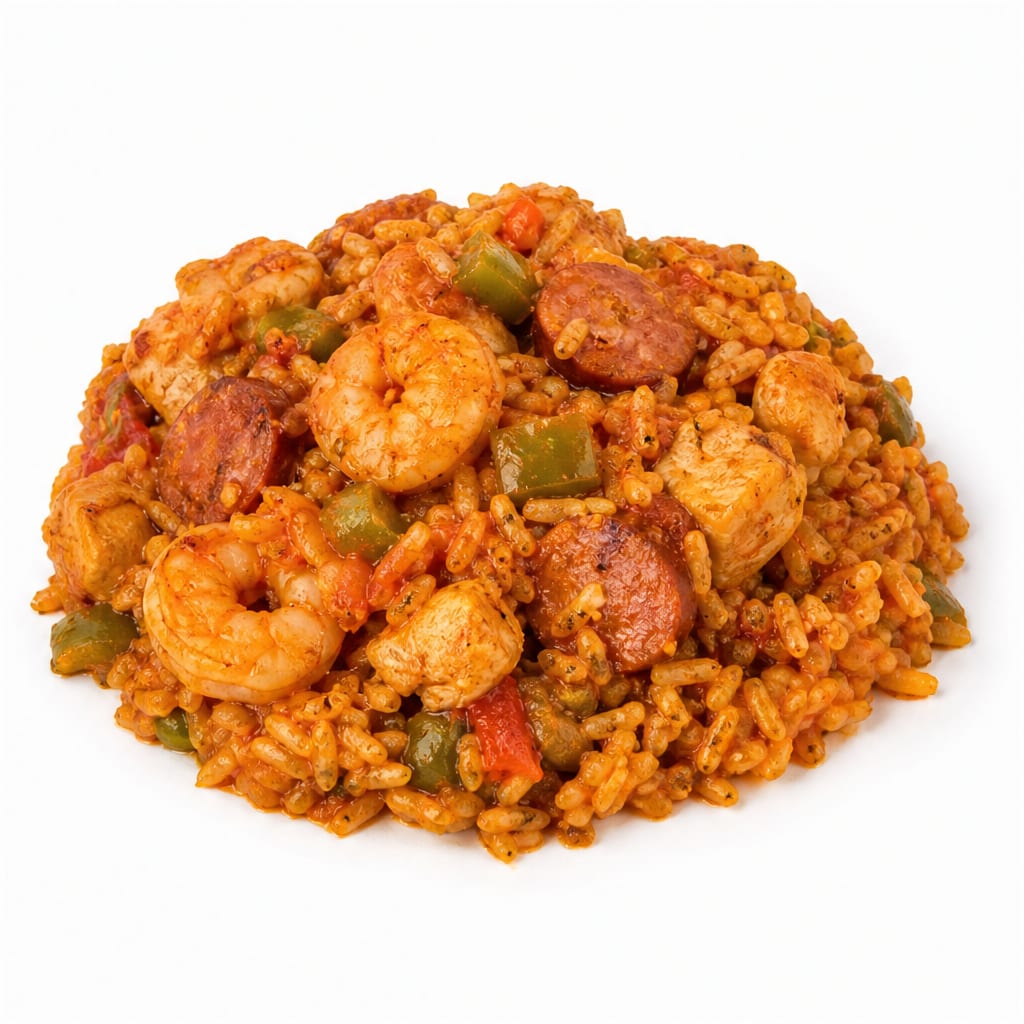
Jambalaya
Paella Valenciana edges out Jambalaya primarily due to cleaner protein sources, healthier fat from olive oil, and lower sodium, though Jambalaya offers more vegetable variety and bolder flavor for spice lovers.
Paella Valenciana scores higher due to superior fat quality, unprocessed protein, and lower sodium. Jambalaya loses ground on processed meat concerns and sodium load but remains a flavorful, vegetable-rich option. The 10-point gap reflects meaningful health differences rather than a blowout.
You trade the anti-inflammatory olive oil and unprocessed meats of Paella Valenciana for the deeper smoky-spicy flavor and vegetable diversity of Jambalaya, but take on more sodium and processed meat risk.
At a glance
Executive summary
Overall
Paella Valenciana
Healthier
Paella Valenciana
More practical
Jambalaya
Daily use
Paella Valenciana
Key comparison lenses
Sodium and processed meat exposure
Jambalaya relies on andouille sausage, a cured smoked meat high in sodium and nitrites, while Paella Valenciana uses fresh rabbit and chicken with significantly lower sodium
Fat quality and inflammatory profile
Paella Valenciana uses olive oil as its primary fat, providing anti-inflammatory monounsaturated fats, whereas Jambalaya derives much of its fat from smoked sausage with more saturated fat
Protein source quality
Both dishes are protein-rich but Paella Valenciana uses unprocessed lean meats while Jambalaya mixes processed sausage with chicken and seafood
Vegetable diversity and micronutrient density
Paella Valenciana features butter beans and green beans, while Jambalaya offers the holy trinity of onions, celery, and bell peppers plus tomatoes in the Creole version
Digestive tolerance and spice sensitivity
Jambalaya is notably spicier which can trigger heartburn or digestive discomfort, while Paella Valenciana is milder and generally easier on the stomach
Meal satisfaction and satiety
Both are hearty one-pot rice dishes designed to feed crowds, but their different fat and fiber profiles affect how full you feel afterward
Best choice for
Paella Valenciana
- Heart-conscious eaters avoiding processed meat
- People managing blood pressure or sodium intake
- Those preferring milder, easier-to-digest meals
- Mediterranean diet followers
- Anyone seeking anti-inflammatory meal options
Jambalaya
- Spice enthusiasts wanting bold flavor without extra calories
- People who struggle to eat enough vegetables
- Those needing a quicker weeknight one-pot meal
- Lycopene seekers who choose the Creole tomato version
- Budget-conscious cooks using accessible ingredients
Least suitable for
Paella Valenciana
- People avoiding high-calorie rice-heavy meals
- Those who need very quick weeknight dinners
- Anyone with saffron allergies or sensitivities
- Diners who find mild flavors unsatisfying
Jambalaya
- People on low-sodium diets
- Anyone avoiding cured or smoked meats
- Those with GERD or spice sensitivity
- Individuals concerned about nitrite exposure
Deep comparison
Dimension by dimension
Each lens scores both foods and breaks down who each option suits.
- Dimension 1 · Priority 94Paella Valenciana
Sodium Load
Paella Valenciana · 72Jambalaya · 35Paella Valenciana contains significantly less sodium since it relies on fresh seasoned meats, while Jambalaya's andouille sausage can deliver 600-800mg of sodium per serving alone.
Tradeoff
Jambalaya's smoky depth comes largely from salt-cured sausage, making it problematic for blood pressure management even in modest portions.
Why it matters
A single plate of Jambalaya can approach or exceed half your daily sodium limit, whereas Paella Valenciana stays in a more moderate range.
Real-world impact
After eating Jambalaya you may notice thirst, bloating, or next-day water retention. Paella Valenciana is less likely to leave you reaching for water all evening.
Paella Valenciana
- Blood pressure management
- Kidney health
- Reduced bloating
Better for
Jambalaya
- Heart failure risk
- Hypertension
- Stroke prevention diets
Worse for
- Dimension 2 · Priority 90Paella Valenciana
Fat Quality and Inflammatory Profile
Paella Valenciana · 85Jambalaya · 48Paella Valenciana is built on olive oil, rich in anti-inflammatory monounsaturated fats. Jambalaya draws much of its fat from smoked sausage, which is higher in saturated fat and inflammatory compounds.
Tradeoff
The olive oil in Paella Valenciana actively supports heart health, while the sausage fat in Jambalaya contributes to inflammation when eaten regularly.
Why it matters
Chronic inflammation from repeated intake of processed meat fat is linked to cardiovascular disease and joint issues over time.
Real-world impact
Choosing Paella Valenciana regularly fits an anti-inflammatory eating pattern. Frequent Jambalaya may leave you feeling heavier and more sluggish the next day.
Paella Valenciana
- Heart health
- Joint inflammation reduction
- Mediterranean diet alignment
Better for
Jambalaya
- Cholesterol management
- Inflammatory conditions
- Long-term cardiovascular risk
Worse for
- Dimension 3 · Priority 86Paella Valenciana
Protein Source Quality
Paella Valenciana · 82Jambalaya · 62Paella Valenciana uses fresh rabbit and chicken, delivering clean lean protein. Jambalaya mixes processed andouille sausage with chicken and sometimes shrimp, introducing nitrites and preservatives.
Tradeoff
Both dishes are protein-rich, but Paella Valenciana's protein comes without the carcinogenic baggage of cured meat processing.
Why it matters
The WHO classifies processed meats as Group 1 carcinogens. Even occasional intake carries measurable risk, making unprocessed protein the safer long-term choice.
Real-world impact
Eating Paella Valenciana feels lighter post-meal. Jambalaya's sausage adds satisfaction but also compounds you would not get from fresh meat.
Paella Valenciana
- Clean eating goals
- Cancer risk reduction
- Lean muscle maintenance
Better for
Jambalaya
- Higher total protein per serving when shrimp is included
Better for
- Long-term processed meat risk
- Nitrite exposure
Worse for
- Dimension 4 · Priority 80Jambalaya
Vegetable Diversity and Micronutrients
Paella Valenciana · 58Jambalaya · 78Jambalaya's holy trinity of onions, celery, and bell peppers plus tomatoes in the Creole version delivers broader vitamin coverage. Paella Valenciana relies more on butter beans and green beans.
Tradeoff
Paella Valenciana offers fiber-rich butter beans but less overall vegetable variety. Jambalaya provides more colorful phytonutrients, especially lycopene from tomatoes.
Why it matters
Vegetable diversity is one of the strongest predictors of gut microbiome health and long-term disease prevention.
Real-world impact
A serving of Creole Jambalaya can feel like eating a full vegetable medley alongside your protein. Paella Valenciana feels more like a rice and meat dish with bean accents.
Paella Valenciana
- Fiber from butter beans
- Folate from green beans
Better for
- Lower overall vegetable volume
Worse for
Jambalaya
- Lycopene from tomatoes
- Vitamin C from bell peppers
- Broader antioxidant spectrum
Better for
- Dimension 5 · Priority 75Paella Valenciana
Digestive Tolerance
Paella Valenciana · 80Jambalaya · 52Paella Valenciana is milder and gentler on the digestive tract. Jambalaya's spice level and smoked sausage can trigger heartburn, acid reflux, or stomach irritation in sensitive individuals.
Tradeoff
If you love bold spice, Jambalaya delivers excitement. If you have a sensitive stomach or eat late, Paella Valenciana is the safer bet.
Why it matters
Spicy cured meat dishes are a common trigger for GERD and IBS flare-ups, especially when eaten as a heavy dinner.
Real-world impact
Paella Valenciana works well as a late lunch or dinner without digestive consequences. Jambalaya may cause heartburn if eaten within a few hours of bedtime.
Paella Valenciana
- GERD management
- IBS-friendly eating
- Late evening meals
Better for
Jambalaya
- Those who enjoy digestive stimulation from spice
Better for
- Acid reflux sufferers
- Late-night diners
- Sensitive stomachs
Worse for
- Dimension 6 · Priority 72Jambalaya
Practicality and Accessibility
Paella Valenciana · 45Jambalaya · 80Jambalaya uses widely available ingredients and can be made in under an hour. Authentic Paella Valenciana requires saffron, specialty rice, and often rabbit, which are harder to source.
Tradeoff
Paella Valenciana rewards effort with cleaner nutrition. Jambalaya wins on weeknight feasibility and ingredient availability anywhere in the US.
Why it matters
The best meal for your health is the one you can actually cook regularly without stress or expensive specialty shopping.
Real-world impact
You can make a solid Jambalaya with grocery store ingredients on a Tuesday. Paella Valenciana often requires a special shopping trip and more cooking skill.
Paella Valenciana
- Special occasion cooking
- Mediterranean-themed dinners
Better for
- Last-minute meal prep
- Rural grocery access
Worse for
Jambalaya
- Weeknight meals
- Budget cooking
- Beginner cooks
Better for
- Dimension 7 · Priority 70It depends
Satiety and Fullness
Paella Valenciana · 76Jambalaya · 78Both dishes are deeply satisfying one-pot meals. Jambalaya's sausage fat and spice create strong satiety signals. Paella Valenciana's olive oil and butter beans provide steadier longer-lasting fullness.
Tradeoff
Jambalaya fills you fast with bold flavor impact. Paella Valenciana keeps you full longer without the heavy feeling.
Why it matters
How a meal satisfies you affects snacking behavior for hours afterward. Both perform well here through different mechanisms.
Real-world impact
After Jambalaya you feel full and possibly heavy. After Paella Valenciana you feel satisfied and comfortable for hours without the food coma.
Paella Valenciana
- Sustained energy without heaviness
- Steady fullness for hours
Better for
Jambalaya
- Immediate strong satiety
- Comfort food satisfaction
Better for
- Post-meal sluggishness risk
Worse for
Timeline
Health impact over time
Short-term
Hours to days
Paella Valenciana
- Steady energy from olive oil and rice without sharp blood sugar spikes
- Comfortable fullness without digestive discomfort
- Mild satisfaction from saffron's mood-supporting properties
Jambalaya
- Strong immediate satiety from fat and spice
- Possible thirst and bloating from high sodium intake
- Risk of heartburn or acid reflux in sensitive individuals
Long-term
Months to years
Paella Valenciana
- Cardiovascular benefits from regular olive oil consumption
- Lower processed meat exposure reduces cancer risk
- Anti-inflammatory eating pattern supports joint and brain health
Jambalaya
- Higher sodium intake may contribute to hypertension if eaten frequently
- Regular processed meat consumption increases colorectal cancer risk
- Vegetable diversity supports gut microbiome health
Risk profile
Safety & processing
Paella Valenciana is built from whole unprocessed ingredients: fresh meat, olive oil, rice, beans, and saffron. Jambalaya's andouille sausage introduces curing salts, smoke flavoring, and preservatives, pushing it into processed territory. If eating clean matters to you, this is one of the starkest differences between these two dishes.
Paella Valenciana
Rabbit sourcing and handling
lowRabbit must be cooked to safe internal temperature. Commercial rabbit is generally safe, but wild-caught rabbit carries tularemia risk if undercooked.
Rice leftover safety
mediumLeftover rice dishes can harbor Bacillus cereus if not cooled and refrigerated promptly. Both dishes share this risk equally.
Saffron adulteration
lowCheap saffron may be cut with other substances. Buy from reputable sources to avoid contamination.
Jambalaya
Nitrite exposure from andouille sausage
mediumCured sausage contains nitrites that can form nitrosamines, particularly when cooked at high heat. This is a measurable cancer risk with regular consumption.
Shrimp contamination in seafood versions
mediumIf shrimp is included, there is potential for antibiotic residue and heavy metal exposure depending on sourcing.
Rice leftover safety
mediumSame Bacillus cereus risk as Paella Valenciana. Cool leftovers quickly and reheat thoroughly.
Who wins for whom
Audience fit
Same foods, different winners depending on your goal.
children
Paella ValencianaMilder flavor and no processed meat make Paella Valenciana more appropriate for kids. Jambalaya's spice and nitrite-containing sausage are less ideal for developing bodies.
daily consumption
Paella ValencianaYou could eat Paella Valenciana multiple times per week without major health concerns. Jambalaya's processed meat and sodium make it better as an occasional dish.
diabetes
Paella ValencianaLower sodium and no processed meat make Paella Valenciana more diabetes-friendly. Both are rice-heavy so portion control matters equally for blood sugar.
elderly
Paella ValencianaLower sodium, easier digestion, and anti-inflammatory olive oil make Paella Valenciana the safer choice for aging cardiovascular systems and more sensitive stomachs.
muscle gain
It dependsBoth provide substantial protein. Jambalaya may edge ahead if it includes shrimp for extra protein, but Paella Valenciana's cleaner protein is better for long-term training diets.
weight loss
Paella ValencianaPaella Valenciana's leaner protein and olive oil base provide satisfying calories with less inflammatory load, making it easier to maintain a calorie deficit without feeling deprived.
Your move
Decision guide
Choose Paella Valenciana
- You want a heart-healthier rice dish with clean protein
- You are watching sodium or blood pressure
- You prefer milder flavors that are easier on digestion
- You follow a Mediterranean or anti-inflammatory eating style
- You are cooking for older adults or children
Choose Jambalaya
- You crave bold smoky spicy flavor above all else
- You want more vegetable variety in your one-pot meal
- You need a practical weeknight dinner with easy-to-find ingredients
- You are cooking for spice lovers who find mild food boring
- You are making a casual crowd-pleaser for a party
Either works if
- You just want a satisfying protein-rich rice meal
- You are comfortable moderating portions regardless of choice
- You value cultural experience and authenticity equally
Avoid both if
- You are on a strict low-carb or keto diet
- You have severe rice allergies or gluten-like sensitivities
- You need a light meal under 500 calories
Final recommendation
For regular meals, Paella Valenciana is the healthier choice thanks to olive oil, unprocessed meats, and lower sodium. Save Jambalaya for when you want bold flavor and comfort, and consider making it with less sausage or a nitrite-free variety to close the health gap.
Practical
Consumer tips
- 1
Make Jambalaya with nitrite-free andouille or substitute smoked turkey sausage to dramatically reduce processed meat risk
- 2
Use brown rice in either dish to add fiber and slow sugar absorption, though this changes the traditional texture
- 3
Ask restaurants about sodium content if you are watching blood pressure, as both dishes can be salt-heavy in commercial kitchens
- 4
If making Paella Valenciana, invest in real saffron rather than food coloring blends for genuine antioxidant benefits
- 5
Add extra vegetables to Paella Valenciana to close the micronutrient gap with Jambalaya
- 6
Cool leftovers of either dish within one hour and refrigerate to prevent Bacillus cereus growth
- 7
Choose Creole Jambalaya with tomatoes over Cajun-style for the lycopene and vitamin C boost