
Nutrition comparison
Paella Valenciana vs Fried Rice: Nutrition, Health & Taste Comparison
Which rice dish is healthier? Compare Paella Valenciana and Fried Rice on protein, sodium, calories, and practicality. Expert breakdown with real-world recommendations.
Overall winner · Paella Valenciana
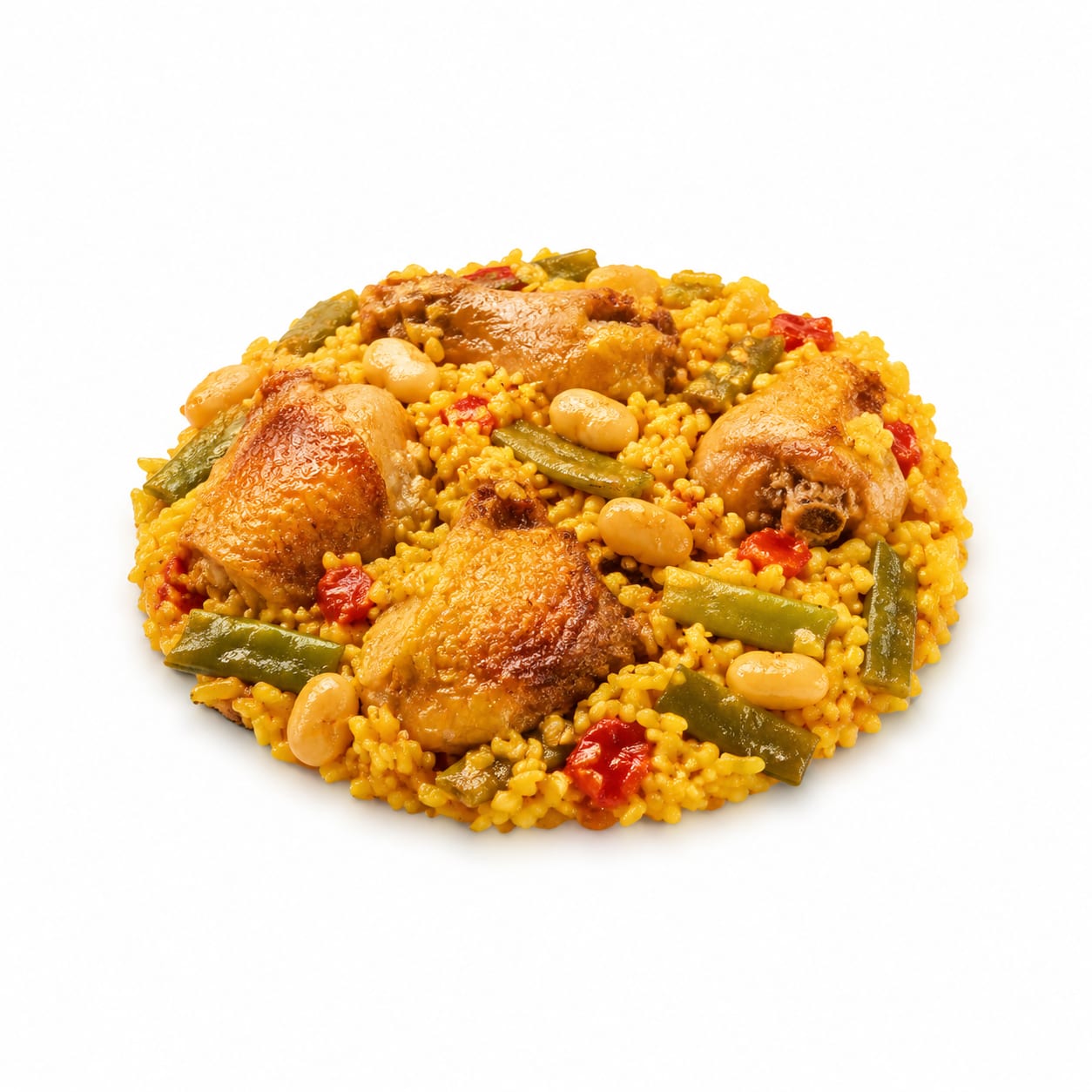
Paella Valenciana
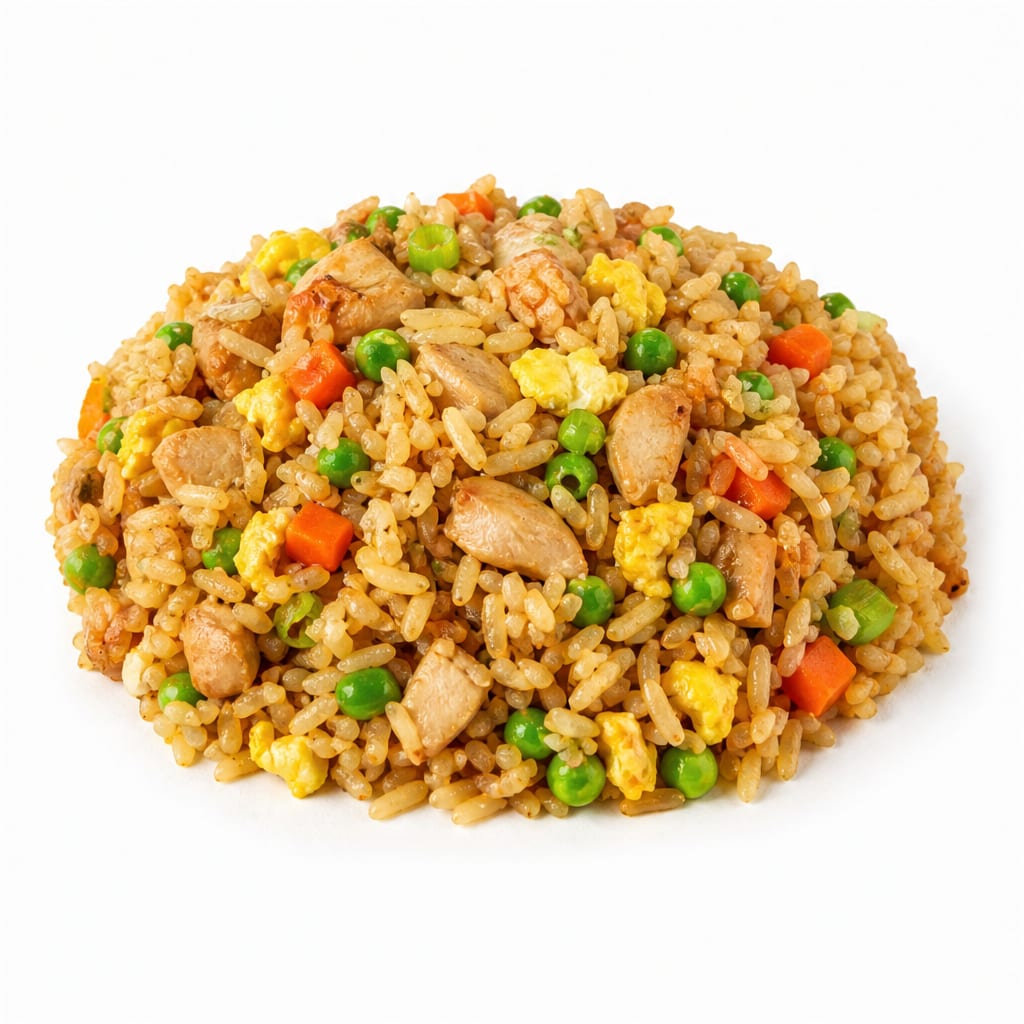
Fried Rice
Paella Valenciana wins on nutritional depth and protein diversity, but fried rice dominates on speed, cost, and weeknight convenience.
Paella Valenciana scores notably higher due to superior protein diversity, lower sodium, and richer micronutrients. Fried Rice loses ground on sodium load and oil absorption but remains competitive on convenience and cost. The 13-point gap reflects meaningful nutritional differences rather than a landslide.
You trade 45+ minutes of cooking and higher cost for significantly better protein quality, lower sodium, and richer micronutrients with paella.
At a glance
Executive summary
Overall
Paella Valenciana
Healthier
Paella Valenciana
More practical
Fried Rice
Daily use
Fried Rice
Key comparison lenses
protein quality and diversity
Paella Valenciana offers multiple animal proteins while fried rice relies heavily on eggs and optional add-ins
sodium and blood pressure concerns
Fried rice depends on soy sauce and salty condiments, making sodium a major differentiator
calorie density and oil absorption
Both are rice dishes but frying method and oil quantity significantly affect calorie load
micronutrient diversity
Saffron, rabbit, and fresh vegetables in paella provide a wider micronutrient profile
convenience and weeknight practicality
Fried rice is a quick leftover meal while paella is a time-intensive special occasion dish
blood sugar impact
Both are rice-centric but grain type and fat content affect glycemic response differently
Best choice for
Paella Valenciana
- Special occasion meals where nutrition matters
- People seeking diverse protein sources without supplements
- Those watching sodium intake
- Anyone wanting a more filling, satisfying rice dish
- Mediterranean diet followers
Fried Rice
- Busy weeknights under 20 minutes
- Budget-conscious meal prep
- Using up leftover rice and vegetables
- Casual comfort food cravings
- Post-workout quick refueling
Least suitable for
Paella Valenciana
- Last-minute weeknight dinners
- Strict budget meal planning
- People who need low-calorie options
- Anyone short on time or cooking skills
Fried Rice
- People managing hypertension or sodium-restricted diets
- Those avoiding high-oil preparations
- Anyone seeking diverse complete proteins in one dish
- People sensitive to MSG or soy-based condiments
Deep comparison
Dimension by dimension
Each lens scores both foods and breaks down who each option suits.
- Dimension 1 · Priority 92Paella Valenciana
protein_quality_and_diversity
Paella Valenciana · 85Fried Rice · 55Paella Valenciana delivers rabbit, chicken, and sometimes snails — offering a broad amino acid profile. Fried Rice relies mostly on eggs with optional meat add-ins.
Tradeoff
Fried rice protein is quicker to prepare but less diverse. Paella requires longer cooking but rewards with more complete, varied protein.
Why it matters
Diverse animal proteins provide a wider range of amino acids, iron types, and B vitamins than relying on a single source like eggs.
Real-world impact
After paella, you stay full longer and recover better from activity. Fried rice leaves you hungry again sooner unless you add extra protein.
Paella Valenciana
- Athletes needing varied amino acid intake
- Older adults preserving muscle mass
- Anyone eating fewer meals per day
Better for
- Vegetarians and vegans
- People with rabbit or game meat allergies
Worse for
Fried Rice
- Vegetarians who use egg as primary protein
- Quick post-workout meals where any protein works
Better for
- Those needing high protein per calorie
- People relying on one meal for most daily protein
Worse for
- Dimension 2 · Priority 88Paella Valenciana
sodium_load
Paella Valenciana · 72Fried Rice · 35Fried rice typically packs 800-1500mg sodium from soy sauce, oyster sauce, and seasonings. Paella relies on saffron, rosemary, and natural flavors with far less added salt.
Tradeoff
Fried rice achieves its savory depth through sodium-heavy condiments. Paella builds flavor through herbs, spices, and slow cooking instead.
Why it matters
High sodium intake directly raises blood pressure and increases cardiovascular risk over time. Most people already exceed daily limits.
Real-world impact
A single plate of restaurant fried rice can deliver half your daily sodium allowance. Paella keeps you comfortably under that threshold.
Paella Valenciana
- Anyone with hypertension
- People over 40 monitoring heart health
- Those eating out frequently who need lower-sodium options
Better for
- No significant downside — lower sodium is broadly beneficial
Worse for
Fried Rice
- Athletes losing sodium through heavy sweating
- People who struggle to eat enough salt
Better for
- Salt-sensitive individuals
- People with kidney disease
- Anyone already consuming processed foods daily
Worse for
- Dimension 3 · Priority 85Paella Valenciana
calorie_density_and_oil_absorption
Paella Valenciana · 65Fried Rice · 50Fried rice absorbs significant oil during wok cooking, often adding 200+ hidden calories. Paella uses olive oil more sparingly and rice absorbs less fat.
Tradeoff
Fried rice achieves its signature texture by coating every grain in oil. Paella relies on broth and steam for moisture instead of fat.
Why it matters
Hidden oil calories add up fast. A dish that feels light can quietly deliver 30% more calories than expected.
Real-world impact
That plate of fried rice might cost you 600-800 calories before adding protein. Paella sits closer to 450-550 for a similar portion.
Paella Valenciana
- People tracking calories
- Anyone trying to lose weight without feeling deprived
- Those who find oily food uncomfortable
Better for
- No significant downside for moderate portions
Worse for
Fried Rice
- People needing calorie surplus for bulking
- Those with high energy expenditure
Better for
- Weight-conscious eaters
- People prone to overeating calorie-dense foods
Worse for
- Dimension 4 · Priority 80Paella Valenciana
micronutrient_diversity
Paella Valenciana · 82Fried Rice · 52Saffron provides crocin and safranal antioxidants. Rabbit delivers vitamin B12 and selenium. Lima beans add folate and potassium. Fried rice offers modest vitamins from eggs and vegetables.
Tradeoff
Paella ingredients are chosen for nutritional synergy across centuries of tradition. Fried rice optimizes for taste and speed, not micronutrient coverage.
Why it matters
Micronutrient diversity supports immune function, energy production, and long-term disease prevention beyond what macros alone provide.
Real-world impact
Regular paella eaters get a broader vitamin and mineral spectrum without trying. Fried rice leaves nutritional gaps that need filling elsewhere.
Paella Valenciana
- People eating fewer meals per day who need nutrient density
- Older adults needing B12 and selenium
- Anyone not taking a multivitamin
Better for
- People who dislike game meats or legumes
Worse for
Fried Rice
- Casual eaters who get micronutrients from other meals
- Children who prefer simpler flavors
Better for
- Those relying on one-pot meals for most nutrition
- People with limited dietary variety overall
Worse for
- Dimension 5 · Priority 78Fried Rice
convenience_and_speed
Paella Valenciana · 30Fried Rice · 88Fried rice transforms leftover cold rice into a meal in 10-15 minutes. Paella Valenciana demands 45-60 minutes plus prep and specific equipment.
Tradeoff
You sacrifice nutritional depth for speed with fried rice. Paella rewards patience but demands planning and skill.
Why it matters
The best meal nutritionally is the one you actually cook. Convenience often determines what ends up on your plate.
Real-world impact
On a tired Tuesday, fried rice happens. Paella is a Sunday project. This practical gap matters more than most nutritional differences.
Paella Valenciana
- Weekend cooking as an experience
- Social gatherings and celebrations
- Meal prep for special occasions
Better for
- Busy parents on weeknights
- Beginner cooks intimidated by complex dishes
Worse for
Fried Rice
- Weeknight dinners after work
- Students with limited time
- Anyone cooking for one in a hurry
Better for
- Special occasions that call for something memorable
- Date nights or dinner parties
Worse for
- Dimension 6 · Priority 75Paella Valenciana
blood_sugar_stability
Paella Valenciana · 62Fried Rice · 48Both are rice-heavy, but paella's higher protein and fat content slows glucose absorption. Fried rice's simple carbs from white rice hit faster despite added oil.
Tradeoff
Neither dish is ideal for blood sugar management. Paella is slightly better because its protein and fat buffer the rice's glycemic impact.
Why it matters
Rice-based meals can spike blood sugar, leading to energy crashes and increased hunger within hours.
Real-world impact
After fried rice, you might feel a surge then a slump within 90 minutes. Paella keeps energy steadier for longer.
Paella Valenciana
- People with prediabetes seeking steadier energy
- Anyone prone to afternoon energy crashes
- Those who eat rice dishes regularly
Better for
- People with diabetes who should limit rice regardless
Worse for
Fried Rice
- Active people who burn through carbs quickly
- Those eating small portions with other low-GI sides
Better for
- Sedentary individuals sensitive to carb spikes
- People with insulin resistance
Worse for
Timeline
Health impact over time
Short-term
Hours to days
Paella Valenciana
- Sustained energy for 3-4 hours due to balanced macros
- Comfortable fullness without heaviness when portions are moderate
- Slight digestive contentment from olive oil and herbs
Fried Rice
- Quick energy surge followed by potential crash within 1-2 hours
- Thirst from high sodium content
- Satisfying comfort food feeling but possible bloating from oil
Long-term
Months to years
Paella Valenciana
- Better cardiovascular profile from olive oil and lower sodium
- Broader micronutrient intake supporting immune and bone health
- Mediterranean-style eating patterns associated with reduced chronic disease risk
Fried Rice
- Higher cumulative sodium intake raising blood pressure over time
- Increased calorie load contributing to gradual weight gain if eaten frequently
- Potential inflammatory effects from repeated high-heat oil consumption
Risk profile
Safety & processing
Paella Valenciana uses whole ingredients seasoned with natural herbs and spices. Fried Rice typically incorporates soy sauce, oyster sauce, and sometimes MSG — all processed condiments with additive concerns. Restaurant fried rice may also contain preservatives and flavor enhancers that home-cooked paella avoids entirely.
Paella Valenciana
Undercooked rabbit or poultry
mediumRabbit and chicken must reach safe internal temperatures. Traditional paella cooking over open flame can create uneven heat zones.
Saffron adulteration
lowCheap saffron may be cut with inferior stamens or food coloring. Source quality saffron from reputable suppliers.
Sofrito spoilage if made ahead
lowPre-made sofrito left at room temperature can breed bacteria. Refrigerate promptly if preparing in advance.
Fried Rice
High-heat oil oxidation
mediumWok cooking at very high temperatures with reused oil creates oxidized compounds and potentially harmful aldehydes.
MSG sensitivity
lowRestaurant fried rice often contains MSG which triggers headaches or flushing in sensitive individuals.
Leftover rice bacillus cereus
mediumUsing rice that has been left at room temperature before frying can harbor bacillus cereus, a food poisoning bacteria. Day-old rice must be properly refrigerated.
Soy sauce allergens and sodium
mediumSoy sauce contains wheat and soy allergens, plus extremely high sodium levels that affect blood pressure.
Who wins for whom
Audience fit
Same foods, different winners depending on your goal.
children
Fried RiceKids prefer the familiar, milder flavors of fried rice. Paella's game meats and saffron can be off-putting to young palates.
daily consumption
Fried RicePracticality wins for daily eating. Fried rice is affordable, quick, and adaptable. Paella is better reserved for a few times per month.
diabetes
Paella ValencianaNeither is ideal, but paella's higher protein-to-carb ratio and lower glycemic impact make it the lesser of two rice-heavy options.
elderly
Paella ValencianaHigher B12, selenium, and diverse protein support aging muscles and cognitive function. Lower sodium protects cardiovascular health.
muscle gain
Paella ValencianaDiverse complete proteins from rabbit and chicken provide a broader amino acid profile for muscle repair and growth.
weight loss
Paella ValencianaHigher protein and lower calorie density make paella more filling per calorie. Fried rice's hidden oil adds calories without increasing satiety proportionally.
Your move
Decision guide
Choose Paella Valenciana
- You want a nutrient-dense meal that keeps you full for hours
- Sodium intake is a health concern for you
- You are cooking for a special occasion or weekend gathering
- You follow a Mediterranean-style eating pattern
- You value diverse protein sources without relying on supplements
Choose Fried Rice
- You need dinner on the table in under 20 minutes
- You are cooking on a tight budget
- You have leftover rice that needs using up
- Comfort food is what you actually want right now
- You are feeding kids who prefer simple flavors
Either works if
- You want a rice-based meal and both are available
- You are moderately active and can handle the carb load
- You plan to add a large side salad to balance the plate
Avoid both if
- You are following a strict low-carb or ketogenic diet
- You have diabetes and need to minimize rice intake
- You are sensitive to high-calorie meals late at night
Final recommendation
Choose Paella Valenciana when nutrition and satisfaction matter more than convenience. Choose Fried Rice when time and budget are the priority. For most people eating rice dishes a few times per week, paella is the healthier default — but fried rice earned its place as the practical weeknight staple. The best approach: enjoy paella on weekends, fried rice on busy weeknights, and add vegetables to both.
Practical
Consumer tips
- 1
Ask for less oil when ordering fried rice at restaurants — it can reduce calories by 150-200 per plate
- 2
Make fried rice with brown rice or cauliflower rice to lower the glycemic impact significantly
- 3
Use low-sodium soy sauce and halve the amount to cut sodium by 400-600mg per serving
- 4
Prep paella components on weekends: make sofrito in batches and freeze for faster weeknight assembly
- 5
If making paella, use bomba rice specifically — it absorbs broth better and creates the prized socarrat crust
- 6
Add extra vegetables to either dish to improve fiber content and reduce the rice-to-nutrient ratio
- 7
Refrigerate leftover rice within one hour of cooking to prevent bacillus cereus growth before making fried rice
- 8
Try half-rice half-vegetable portions for either dish to make them more blood-sugar friendly