
Nutrition comparison
Paella Valenciana vs Fideuà: Nutrition, Health, and Taste Comparison
Compare Paella Valenciana and Fideuà side by side. Discover which Spanish classic is better for heart health, weight management, blood sugar, and everyday eating.
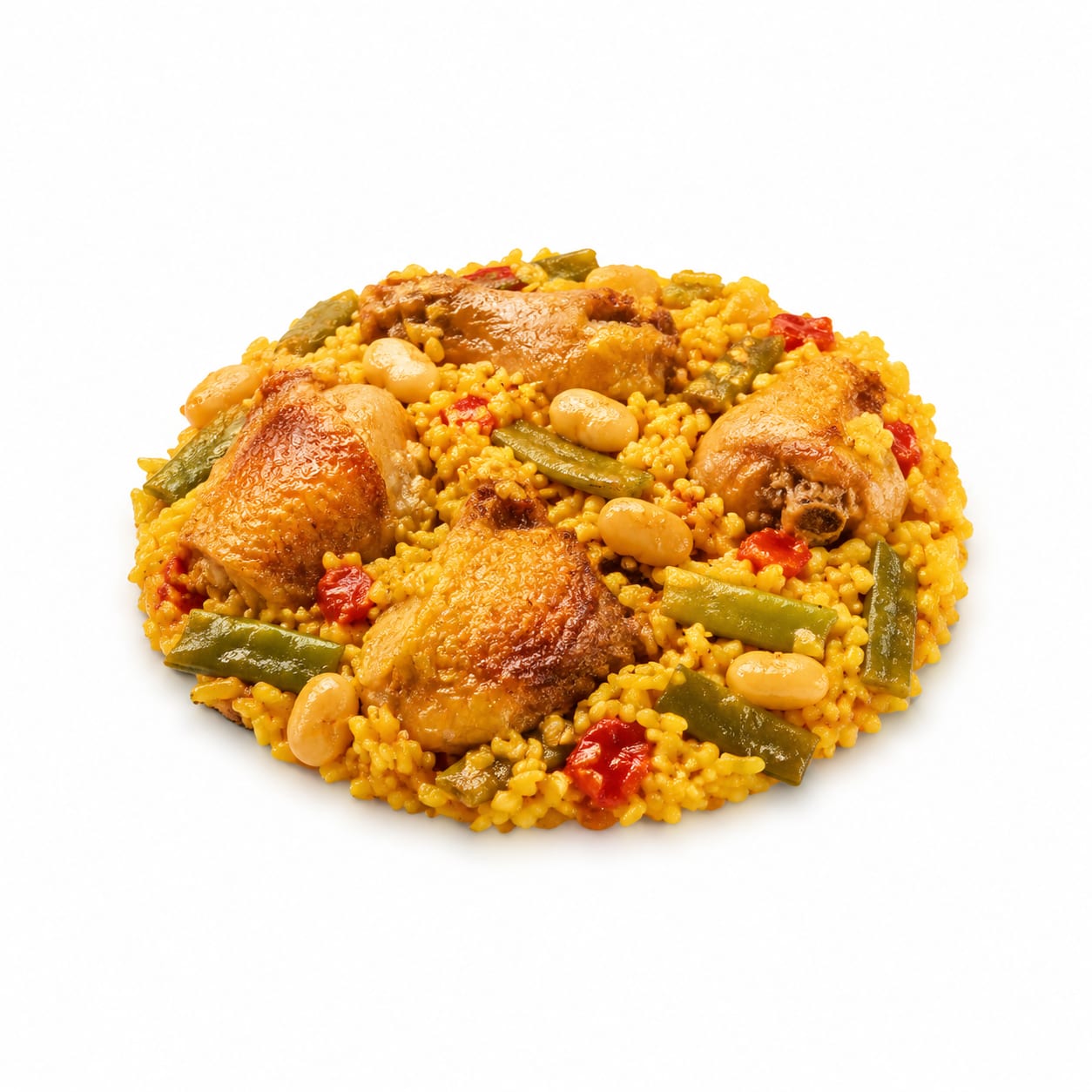
Paella Valenciana

Fideuà
Paella Valenciana fills you up longer with steadier energy from rice, while Fideuà delivers lighter eating with heart-healthier seafood protein.
Fideuà edges ahead thanks to leaner seafood protein and omega-3 benefits, but Paella Valenciana counters with superior satiety and steadier carbohydrate energy. The gap is small because both are wholesome traditional dishes with no ultra-processing.
Sustained satiety and stable blood sugar from rice versus leaner protein and omega-3 benefits from seafood.
At a glance
Executive summary
Overall
It depends
Healthier
Fideuà
More practical
Fideuà
Daily use
Fideuà
Key comparison lenses
Carbohydrate quality and glycemic impact
Rice versus toasted noodles creates meaningfully different blood sugar responses and satiety levels
Protein source quality
Land meats versus seafood offer distinct amino acid profiles and health implications
Heart health and inflammatory profile
Seafood-based dishes typically deliver more omega-3s while meat-based dishes carry more saturated fat
Calorie density and weight management
Both are celebratory dishes but differ in how filling they are per calorie
Contaminant exposure risk
Rice arsenic versus seafood mercury presents different long-term safety tradeoffs
Best choice for
Paella Valenciana
- People needing long-lasting fullness after a single meal
- Those who tolerate rice better than wheat
- Athletes carb-loading before endurance events
- Diners avoiding seafood due to allergy or preference
Fideuà
- People prioritizing heart health and omega-3 intake
- Those wanting a lighter meal that won't cause afternoon sluggishness
- Anyone watching saturated fat intake
- Home cooks wanting faster cooking times
Least suitable for
Paella Valenciana
- People monitoring saturated fat or red meat intake
- Those with rice sensitivity or arsenic concerns
- Anyone wanting a quick weeknight dinner
- Diners seeking a lighter meal experience
Fideuà
- People with shellfish or fish allergies
- Those avoiding wheat or gluten
- Anyone concerned about mercury exposure from frequent seafood
- Diners who find seafood dishes less satisfying
Deep comparison
Dimension by dimension
Each lens scores both foods and breaks down who each option suits.
- Dimension 1 · Priority 94Paella Valenciana
Satiety and Fullness
Paella Valenciana · 85Fideuà · 68Rice in Paella Valenciana digests more slowly than toasted noodles, keeping you satisfied for longer after eating.
Tradeoff
That satisfying fullness comes with more calories per serving compared to the lighter Fideuà.
Why it matters
Meals that keep you full reduce snacking and make portion control feel effortless rather than forced.
Real-world impact
After Paella Valenciana you likely will not think about food for 4-5 hours. After Fideuà you may start looking for a snack within 3 hours.
Paella Valenciana
- Long workdays where you need one meal to carry you
- Post-hike or physical labor recovery meals
- Anyone prone to between-meal hunger
Better for
- Situations requiring mental alertness right after eating
- Small appetite days when a heavy meal feels overwhelming
Worse for
Fideuà
- Late lunches where you need to stay alert afterward
- Hot summer days when heavy meals feel uncomfortable
- Multi-course dinners where this is one of several dishes
Better for
- Times when you cannot eat again for 5+ hours
- Recovery after intense exercise needing substantial refueling
Worse for
- Dimension 2 · Priority 90Paella Valenciana
Blood Sugar Stability
Paella Valenciana · 72Fideuà · 58Bomba rice absorbs broth slowly and releases glucose more gradually, while the toasted noodles in Fideuà digest faster and can cause a quicker blood sugar rise.
Tradeoff
Rice provides steadier energy but carries more total carbohydrate load, which matters for strict low-carb eaters.
Why it matters
Steadier blood sugar means no energy crash and fewer cravings an hour after eating.
Real-world impact
Paella Valenciana is less likely to cause that sleepy feeling 90 minutes after lunch. Fideuà may lead to a quicker dip in energy.
Paella Valenciana
- People with mild blood sugar concerns
- Office workers who cannot afford an afternoon crash
- Anyone prone to post-meal energy dips
Better for
- Strict low-carb or ketogenic eaters
- People who find any rice spikes their blood sugar
Worse for
Fideuà
- Situations where quick energy is actually desired
- Pre-activity meals when you need faster fuel availability
Better for
- Diabetics or pre-diabetics monitoring glycemic response
- People sensitive to refined wheat products
Worse for
- Dimension 3 · Priority 87Fideuà
Heart Health and Inflammatory Profile
Paella Valenciana · 55Fideuà · 82Fideuà's seafood delivers omega-3 fatty acids and lean protein, while Paella Valenciana's rabbit and chicken contribute more saturated fat.
Tradeoff
The heart-healthier seafood in Fideuà comes with mercury exposure considerations that land meats avoid.
Why it matters
Regular omega-3 intake reduces inflammation and supports cardiovascular health over decades, not just after one meal.
Real-world impact
Eating Fideuà weekly gives you meaningful omega-3 intake. Eating Paella Valenciana weekly is neutral to slightly negative for heart health depending on portion size.
Paella Valenciana
- People with mercury sensitivity or concerns
- Those already getting ample omega-3s from other sources
Better for
- People with elevated cholesterol or heart disease risk
- Those trying to reduce saturated fat intake
Worse for
Fideuà
- Anyone focused on cardiovascular health
- People wanting to reduce systemic inflammation
- Those who do not eat fatty fish regularly otherwise
Better for
- Pregnant women limiting mercury exposure
- People who eat seafood frequently and risk cumulative mercury
Worse for
- Dimension 4 · Priority 83Fideuà
Protein Quality and Quantity
Paella Valenciana · 70Fideuà · 78Both dishes provide solid protein, but Fideuà's seafood offers a more complete amino acid profile with less accompanying fat.
Tradeoff
Paella Valenciana provides more total protein per typical serving due to larger meat portions, but it comes packaged with more saturated fat.
Why it matters
Lean protein supports muscle maintenance and satiety without the cardiovascular baggage of fatty meats.
Real-world impact
A standard portion of Fideuà gives you lean protein that supports recovery without weighing you down. Paella Valenciana gives you more protein total but you pay for it in fat calories.
Paella Valenciana
- People with higher total protein needs who are not fat-conscious
- Those who find meat more satisfying than fish
Better for
- People limiting saturated fat while maintaining protein intake
Worse for
Fideuà
- Anyone tracking macros who wants high protein-to-calorie ratio
- Older adults needing lean protein for muscle preservation
Better for
- Those with seafood allergies needing alternative protein
- Very high-calorie needs where lean protein is insufficient
Worse for
- Dimension 5 · Priority 79Fideuà
Calorie Density
Paella Valenciana · 52Fideuà · 71Fideuà is typically lighter per serving because seafood is leaner and the dish uses less oil-absorbing rice.
Tradeoff
Fewer calories means less staying power, so you may eat again sooner.
Why it matters
For weight management, calorie density determines whether you feel satisfied or still hungry after a reasonable portion.
Real-world impact
You can eat a generous plate of Fideuà for roughly 450-550 calories. A comparable plate of Paella Valenciana runs 600-750 calories.
Paella Valenciana
- People with high caloric needs who struggle to eat enough
- Active individuals who burn through lighter meals
Better for
- Consistent weight management efforts
- People who tend to overeat calorie-dense foods
Worse for
Fideuà
- Anyone managing weight through portion awareness
- People who prefer larger volume meals with fewer calories
Better for
- Underweight individuals needing calorie density
- Athletes in caloric surplus phases
Worse for
- Dimension 6 · Priority 74It depends
Contaminant and Safety Profile
Paella Valenciana · 65Fideuà · 62Paella Valenciana carries rice arsenic risk while Fideuà carries seafood mercury risk. Neither is alarming for occasional eating, but both warrant awareness with frequent consumption.
Tradeoff
You choose between trace arsenic exposure from rice and trace mercury exposure from fish. The safer pick depends on what else you eat regularly.
Why it matters
Cumulative exposure matters more than any single meal. Your overall diet pattern determines which contaminant is more concerning for you personally.
Real-world impact
If you already eat rice daily, Paella Valenciana adds to your arsenic load. If you eat tuna or swordfish weekly, Fideuà adds to your mercury load.
Paella Valenciana
- People who already limit rice intake elsewhere
- Those who eat seafood frequently and want a break from mercury sources
Better for
- People who eat rice multiple times daily
- Families with young children concerned about arsenic
Worse for
Fideuà
- People who eat rice at most meals and want variety
- Those who avoid high-mercury fish and want a moderate seafood option
Better for
- Pregnant women monitoring mercury intake
- People who already eat high-mercury fish regularly
Worse for
- Dimension 7 · Priority 71Fideuà
Practicality and Cooking Convenience
Paella Valenciana · 48Fideuà · 72Fideuà cooks significantly faster because toasted noodles absorb broth in roughly half the time rice needs, and seafood cooks quicker than rabbit or chicken.
Tradeoff
The faster cooking means less time for flavors to develop and deepen compared to slow-simmered Paella Valenciana.
Why it matters
A dish that takes 25 minutes instead of 50 minutes is far more realistic for weeknight cooking.
Real-world impact
Fideuà is a realistic Tuesday dinner. Paella Valenciana is more of a Sunday afternoon project.
Paella Valenciana
- Weekend cooking as a social experience
- Occasions where the cooking process itself is part of the enjoyment
Better for
- Weeknight dinners when you are tired and hungry
- Impromptu meals with short notice
Worse for
Fideuà
- Busy weeknights when time matters
- Cooking for one or two where a long process feels excessive
- Beginner cooks wanting faster results with less risk of error
Better for
- Special occasions where effort and tradition matter
- Cooking for guests who expect the full ceremonial experience
Worse for
Timeline
Health impact over time
Short-term
Hours to days
Paella Valenciana
- Strong satiety that reduces snacking for hours
- Possible post-meal heaviness or drowsiness due to higher calorie load
- Steady energy without sharp blood sugar spikes when using proper bomba rice
Fideuà
- Lighter post-meal feeling that preserves alertness
- Possible earlier return of hunger within 2-3 hours
- Quick energy availability from faster-digesting noodles
Long-term
Months to years
Paella Valenciana
- Higher saturated fat intake if eaten frequently may impact cardiovascular markers
- Rice arsenic exposure accumulates with regular consumption, particularly relevant for daily rice eaters
- Consistent satiety from meals can support healthier eating patterns overall
Fideuà
- Regular omega-3 intake from seafood supports heart and brain health meaningfully
- Cumulative mercury exposure is a real consideration if eaten multiple times per week
- Leaner protein profile supports healthy weight maintenance long-term
Risk profile
Safety & processing
Both dishes are traditional whole-food preparations with minimal processing. The only processing concern is that Fideuà's noodles are a refined wheat product, while Paella Valenciana's rice is closer to its natural state. Neither dish typically contains artificial additives when authentically prepared.
Paella Valenciana
Arsenic exposure from rice
mediumRice naturally accumulates inorganic arsenic from soil and water. Occasional consumption is low risk, but frequent Paella Valenciana combined with daily rice intake can add up. Rinsing rice and using excess cooking water reduces arsenic by 30-50%.
Undercooked meat
lowRabbit and chicken must reach safe internal temperatures. Traditional Paella Valenciana cooks meat thoroughly in broth before adding rice, making this risk minimal with proper technique.
Fideuà
Mercury and heavy metals in seafood
mediumFideuà typically uses mixed seafood including squid, shrimp, and white fish. These are generally low-mercury choices, but if prepared with larger predatory fish the risk increases. Varying seafood types minimizes cumulative exposure.
Shellfish allergy reactions
highFideuà commonly contains shrimp and sometimes mussels or clams. For shellfish-allergic individuals this dish is dangerous and cannot be easily adapted without fundamentally changing it.
Seafood spoilage and foodborne illness
mediumSeafood spoils faster than land meats and requires strict cold chain handling. Improperly stored shrimp or squid can cause foodborne illness. Freshness is non-negotiable for safe Fideuà.
Who wins for whom
Audience fit
Same foods, different winners depending on your goal.
children
Paella ValencianaLand meats are safer for children due to zero mercury risk, and rice is typically more kid-friendly than seafood. Avoiding shellfish allergy concerns matters more for young diners.
daily consumption
FideuàFideuà's lighter profile, faster cooking time, and heart-healthier protein make it more sustainable as a regular meal. However, mercury awareness means even this should be limited to 2-3 times per week.
diabetes
Paella ValencianaBomba rice has a lower glycemic index than toasted wheat noodles, and the higher fat and protein content slows glucose absorption further.
elderly
FideuàLean seafood protein supports muscle preservation without cardiovascular strain, and the lighter meal is easier on aging digestion.
muscle gain
Paella ValencianaPaella Valenciana provides more total protein and carbohydrates per serving, supporting muscle recovery and growth in a calorie surplus.
weight loss
FideuàFideuà delivers strong flavor satisfaction at lower calorie density, making portion control easier without feeling deprived.
Your move
Decision guide
Choose Paella Valenciana
- You want one meal to carry you through a long afternoon without snacking
- Heartier comfort food is what you are craving right now
- You avoid seafood due to allergy, preference, or mercury concerns
- You are cooking for a group that includes children
- It is a weekend and you want the full traditional cooking experience
Choose Fideuà
- Heart health and omega-3 intake are priorities for you
- You want a satisfying meal that does not leave you sluggish afterward
- You are watching calories but still want something flavorful and complete
- Time is limited and you need a delicious meal in under 30 minutes
- You already eat rice regularly and want carbohydrate variety
Either works if
- You are eating at a good Spanish restaurant and both are available fresh
- Neither dish is a regular part of your diet, so occasional enjoyment of either is fine
- You are sharing with others and can split both dishes
Avoid both if
- You are on a strict low-carb or ketogenic diet, as both are carbohydrate-heavy
- You have severe sodium restrictions, since both dishes rely on seasoned broths
- You need a quick 10-minute meal, as neither is fast by weeknight standards
Final recommendation
For most people eating either dish once a week or less, choose based on what you enjoy more. For regular rotation, Fideuà is the smarter choice thanks to leaner protein and omega-3 benefits, while Paella Valenciana earns its place as an occasional deeply satisfying meal. If you already eat rice daily, lean toward Fideuà for variety and lower arsenic exposure. If you eat seafood several times weekly, lean toward Paella Valenciana to give your mercury load a break.
Practical
Consumer tips
- 1
Rinse rice thoroughly before making Paella Valenciana to reduce arsenic content by up to half
- 2
Choose bomba or senia rice for Paella Valenciana rather than long-grain rice for better glycemic response and authentic texture
- 3
Ask about seafood sourcing when ordering Fideuà at restaurants to avoid high-mercury fish varieties
- 4
Make Fideuà with small shrimp, squid, and white fish rather than large predatory fish to keep mercury low
- 5
Both dishes reheat well the next day, so making extra is practical and reduces cooking frequency
- 6
If you have high blood pressure, ask for less salt in the broth for either dish, as restaurant versions can be sodium-heavy
- 7
Pair either dish with a large side salad to add fiber and volume without many extra calories
- 8
For gluten-sensitive diners, Paella Valenciana is the safe choice since Fideuà's noodles contain wheat