
Nutrition comparison
Paella Valenciana vs Biryani: Which Iconic Rice Dish Is Healthier?
Complete nutritional comparison of Paella Valenciana and Biryani covering blood sugar impact, heart health, protein quality, spice benefits, and which dish fits your health goals better.
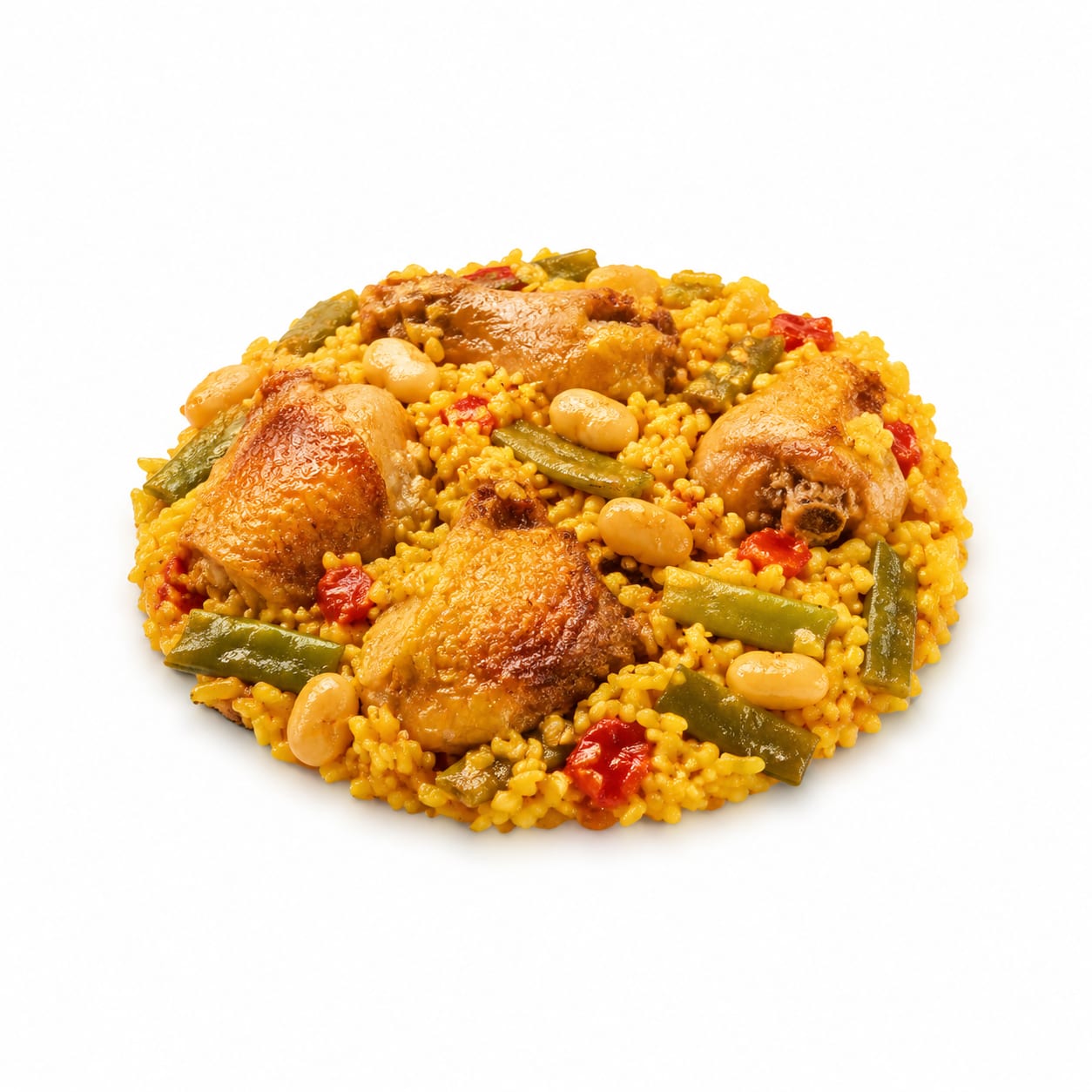
Paella Valenciana
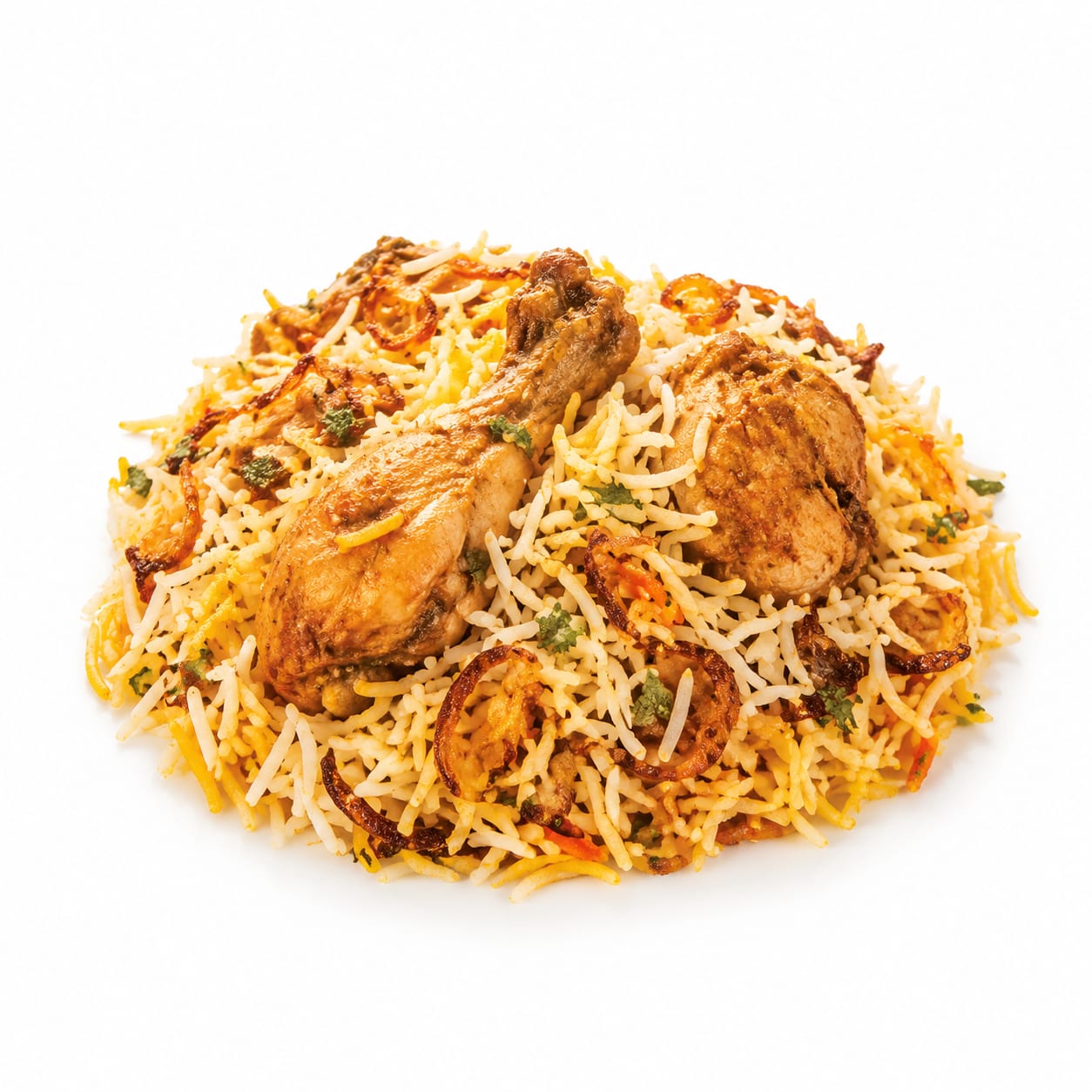
Biryani
Paella Valenciana wins on heart-healthy fats and leaner protein, while Biryani wins on blood sugar stability and anti-inflammatory spice power. Your health priorities should decide the plate.
Biryani edges ahead slightly due to basmati's lower glycemic index and its powerful anti-inflammatory spice blend, but Paella's superior fat profile and typically leaner protein keep it competitive. The narrow gap reflects that both are occasional celebration dishes rather than daily staples.
Olive oil and lean rabbit versus lower-glycemic basmati and therapeutic spices — Mediterranean heart health meets Ayurvedic anti-inflammatory tradition.
At a glance
Executive summary
Overall
It depends
Healthier
It depends
More practical
Biryani
Daily use
It depends
Key comparison lenses
Carb quality and blood sugar impact
Both are rice-centric dishes but use dramatically different rice varieties, making glycemic response a key differentiator
Fat profile and heart health
Olive oil in Paella versus ghee or refined oil in Biryani creates a meaningful cardiovascular tradeoff
Anti-inflammatory and spice benefit
Biryani's layered spice profile with turmeric, cinnamon, and cloves offers distinct medicinal advantages over Paella's simpler seasoning
Protein quality and leanness
Traditional Paella uses rabbit and chicken while Biryani often uses richer cuts of mutton or chicken with skin, affecting fat-protein ratios
Portion control and calorie density
Both are celebratory dishes prone to overeating, but their calorie density differs based on fat content and serving style
Digestive tolerance and gut comfort
Biryani's yogurt marinade aids digestion while its spice intensity can irritate sensitive stomachs; Paella is gentler but heavier in oil
Best choice for
Paella Valenciana
- Heart health prioritization
- Mediterranean diet followers
- Leaner protein needs
- Gentler digestive profiles
- Lower spice tolerance
Biryani
- Blood sugar management
- Anti-inflammatory goals
- Gut microbiome support via fermented yogurt
- Higher satiety from aromatic spice complexity
- Athletic recovery needing sustained carb release
Least suitable for
Paella Valenciana
- Strict low-carb eaters
- Those needing steady blood sugar control
- People avoiding high-glycemic short-grain rice
- Saffron allergy sufferers
Biryani
- Those avoiding saturated fat from ghee
- People with GERD or spice sensitivity
- Sodium-restricted diets
- Dairy-free or lactose-intolerant individuals sensitive to yogurt
Deep comparison
Dimension by dimension
Each lens scores both foods and breaks down who each option suits.
- Dimension 1 · Priority 92Biryani
Blood Sugar Stability
Paella Valenciana · 45Biryani · 72Basmati rice in Biryani has a significantly lower glycemic index than the short-grain bomba or senia rice in Paella Valenciana.
Tradeoff
Paella's rice absorbs flavorful broth rapidly but spikes blood sugar faster; Biryani's basmati releases energy more gradually.
Why it matters
Steadier blood sugar means fewer energy crashes and better hunger control over the hours after eating.
Real-world impact
After Paella you may feel a heavier post-meal dip; after Biryani the energy tends to hold longer before hunger returns.
Paella Valenciana
- Quick refueling after intense physical activity
Better for
- Insulin-resistant individuals
- Those prone to afternoon energy crashes
Worse for
Biryani
- Prediabetes management
- Sustained afternoon energy
- Avoiding the carb crash nap
Better for
- Situations requiring rapid glycogen replenishment
Worse for
- Dimension 2 · Priority 88Paella Valenciana
Fat Profile and Heart Health
Paella Valenciana · 82Biryani · 55Paella's olive oil base delivers predominantly monounsaturated fats, while Biryani often relies on ghee with significant saturated fat.
Tradeoff
Mediterranean-style heart protection versus South Asian flavor tradition with higher saturated fat load.
Why it matters
Long-term cardiovascular risk is meaningfully influenced by whether your dietary fat comes primarily from olive oil or ghee.
Real-world impact
Regularly choosing olive oil over ghee at similar calorie levels can improve cholesterol markers over months.
Paella Valenciana
- LDL cholesterol management
- Mediterranean diet adherence
- Long-term heart disease risk reduction
Better for
- Those who find olive oil-heavy dishes less satisfying
Worse for
Biryani
- Flavor richness and traditional authenticity
- Cold-weather comfort eating satisfaction
Better for
- People with existing heart disease risk factors
- Those monitoring saturated fat intake
Worse for
- Dimension 3 · Priority 85Biryani
Anti-Inflammatory Spice Power
Paella Valenciana · 48Biryani · 88Biryani's layered spice architecture with turmeric, cinnamon, cloves, cardamom, and cumin delivers measurable anti-inflammatory compounds that Paella's saffron-rosemary-paprika profile cannot match.
Tradeoff
Paella offers subtle elegance with a few targeted antioxidants; Biryani delivers a full-spectrum anti-inflammatory arsenal at the cost of digestive intensity.
Why it matters
Chronic inflammation drives aging, joint pain, and disease — spice-dense meals are a practical daily defense.
Real-world impact
Regular consumption of turmeric-cinnamon combinations has been linked to reduced inflammatory markers within weeks.
Paella Valenciana
- Gentle antioxidant support without digestive stimulation
- Saffron's mood-enhancing properties
Better for
- Those wanting therapeutic-level spice benefits
Worse for
Biryani
- Joint inflammation and arthritis management
- Immune system support during cold season
- Post-workout recovery inflammation reduction
Better for
- People with GERD or acid reflux triggered by spices
- Those with sensitive digestive tracts
Worse for
- Dimension 4 · Priority 80Paella Valenciana
Protein Quality and Leanness
Paella Valenciana · 78Biryani · 65Traditional Paella Valenciana uses rabbit and chicken — naturally lean proteins — while Biryani frequently employs chicken with skin or fatty mutton cuts.
Tradeoff
Leaner protein with less saturated fat versus richer protein with more iron and B12 from red meat variations.
Why it matters
Protein leanness affects calorie density, saturated fat intake, and how heavy the meal feels afterward.
Real-world impact
A rabbit-based Paella leaves you satisfied without the heavy feeling that mutton Biryani can produce.
Paella Valenciana
- Lean muscle maintenance without excess calories
- Lower saturated fat protein source
- Lighter post-meal feeling
Better for
- Those needing high iron intake
- People who find lean meats less satiating
Worse for
Biryani
- Higher iron intake from mutton variations
- More B12 for vegetarian-to-omnivore transitions
- Richer flavor for those finding lean meat unsatisfying
Better for
- Cholesterol-conscious eaters
- Those watching saturated fat closely
Worse for
- Dimension 5 · Priority 72It depends
Digestive Tolerance and Gut Comfort
Paella Valenciana · 68Biryani · 62Paella is gentler on the stomach with milder seasoning, while Biryani's yogurt marinade aids protein digestion but its spice heat can irritate sensitive systems.
Tradeoff
Yogurt's probiotic and enzymatic benefits versus the potential for spice-driven irritation in sensitive digestive tracts.
Why it matters
A meal that causes bloating or heartburn undermines its nutritional value regardless of how healthy the ingredients are.
Real-world impact
You can enjoy Paella comfortably before an evening out; Biryani might require a more relaxed setting and recovery time for sensitive stomachs.
Paella Valenciana
- Acid reflux and GERD sufferers
- Pre-event dining where digestive comfort matters
- Those with low spice tolerance
Better for
- Those seeking probiotic food sources
Worse for
Biryani
- People who benefit from fermented dairy probiotics
- Those whose digestion improves with warming spices
- Slow digestion relief from enzyme-rich marinade
Better for
- Irritable bowel syndrome with spice triggers
- Lactose-intolerant individuals sensitive to yogurt
Worse for
- Dimension 6 · Priority 75Biryani
Satiety and Overeating Risk
Paella Valenciana · 58Biryani · 74Biryani's aromatic complexity and spice-driven flavor saturation signal fullness more effectively than Paella's milder profile, which can encourage larger portions.
Tradeoff
Paella's soccarat crust tempts second helpings; Biryani's intensity naturally limits portions but its ghee richness adds hidden calories.
Why it matters
Portion control is the single biggest factor in whether a rich dish supports or undermines your health goals.
Real-world impact
You are more likely to stop eating Biryani when satisfied; Paella's mild comfort makes it easier to overeat without noticing.
Paella Valenciana
- Those who prefer eating until physically full
Better for
- Chronic overeaters
- Those who struggle recognizing fullness
Worse for
Biryani
- Mindful eating practitioners
- Those who struggle with portion control
- People who find spicy food naturally limiting
Better for
- People who find ghee-rich food stealthily calorie-dense
Worse for
- Dimension 7 · Priority 65Paella Valenciana
Sodium Load
Paella Valenciana · 60Biryani · 45Both dishes can be sodium-heavy, but Biryani's multiple seasoning layers and meat marinades typically push salt content higher than Paella's broth-based seasoning.
Tradeoff
Paella's sodium is mostly in the cooking broth and easier to moderate; Biryani's salt is woven through every layer and harder to reduce without losing flavor.
Why it matters
High sodium meals cause bloating, raise blood pressure, and can trigger overconsumption by enhancing palatability.
Real-world impact
After Biryani you may notice more thirst and morning water retention; Paella's salt impact is usually milder.
Paella Valenciana
- Hypertension management
- Reducing morning water retention
- More controllable sodium when cooking at home
Better for
- Restaurant versions with heavily salted stock
Worse for
Biryani
- Those who find low-salt food unpalatable and eat less overall
Better for
- Blood pressure management
- Kidney disease dietary restrictions
- Those prone to bloating
Worse for
Timeline
Health impact over time
Short-term
Hours to days
Paella Valenciana
- Moderate blood sugar rise from short-grain rice within 30-60 minutes
- Comfortable fullness without digestive irritation
- Possible mild thirst from broth-based sodium
- Saffron may gently elevate mood
Biryani
- Gradual blood sugar rise with sustained plateau from basmati
- Warming body sensation from spice thermogenesis
- Potential heartburn or acid reflux in sensitive individuals
- Yogurt enzymes may ease protein digestion within the meal
Long-term
Months to years
Paella Valenciana
- Consistent olive oil intake supports cardiovascular markers
- Lower inflammatory spice exposure may miss therapeutic benefits
- Short-grain rice as a frequent carb source could challenge insulin sensitivity
- Rabbit and chicken provide sustainable lean protein with minimal saturated fat
Biryani
- Regular turmeric and cinnamon intake reduces inflammatory markers over time
- Ghee-based saturated fat may impact LDL cholesterol with frequent consumption
- Basmati rice supports steadier glycemic patterns long-term
- Probiotic yogurt exposure supports gut microbiome diversity
Risk profile
Safety & processing
Both Paella Valenciana and Biryani are traditional whole-food dishes made from scratch with minimal processing. The main concern is restaurant versions that may use commercial spice mixes with hidden additives or flavor enhancers. Home-cooked versions of both are about as clean as celebratory food gets.
Paella Valenciana
Seafood cross-contamination in mixed paella variations
mediumWhile authentic Paella Valenciana contains no seafood, restaurant versions often mix seafood and meat, creating allergy and contamination risks for shellfish-allergic diners.
Rice storage and bacillus cereus
mediumLeftover rice at room temperature can harbor bacillus cereus. Paella served at gatherings often sits out, increasing risk if not promptly refrigerated.
Saffron adulteration
lowCheap saffron may be cut with artificial colorants or other stamens. This is more a quality issue than a safety one but worth knowing.
Biryani
Spice adulteration with lead-based colorants
highTurmeric and chili powders from unregulated sources have been found contaminated with lead chromate used to enhance color. This is a serious concern with cheap or imported spice blends.
Undercooked meat in layered cooking
mediumBiryani's layered dum cooking technique can occasionally leave meat insufficiently cooked in the center if temperature control is poor, especially with large mutton pieces.
Rice storage and bacillus cereus
mediumSame rice safety concern as Paella. Biryani left at buffet temperatures is a common foodborne illness vector at large gatherings.
Ghee oxidation in reheating
lowRepeatedly reheating ghee-based Biryani can oxidize fats, creating compounds that irritate the digestive tract and increase inflammatory load.
Who wins for whom
Audience fit
Same foods, different winners depending on your goal.
children
Paella ValencianaMilder flavor profile, leaner protein, and lower spice heat make Paella more suitable and tolerable for developing palates and sensitive young digestive systems.
daily consumption
It dependsNeither dish is ideal for daily consumption due to calorie density and sodium, but lighter home versions of either can work. Choose Paella for heart health priority, Biryani for blood sugar priority.
diabetes
BiryaniBasmati rice has a glycemic index roughly 20 points lower than short-grain rice, making Biryani the clearly safer choice for blood sugar management.
elderly
Paella ValencianaGentler digestion, heart-healthy olive oil, and softer spice profile suit aging digestive systems and cardiovascular priorities better than Biryani's intensity and ghee content.
muscle gain
BiryaniBiryani's higher calorie density, sustained carb release from basmati, and often larger protein portions from mutton support caloric surplus needed for muscle building.
weight loss
Paella ValencianaLeaner protein from rabbit and chicken plus olive oil's metabolic advantages make Paella easier to fit into a calorie-controlled plan, especially if portion size is managed.
Your move
Decision guide
Choose Paella Valenciana
- You prioritize heart health and Mediterranean-style eating
- You want a celebratory meal that feels lighter afterward
- You have acid reflux or spice sensitivity
- You are cooking for children or elderly family members
- You prefer leaner protein sources like rabbit or chicken breast
Choose Biryani
- Blood sugar management is your top concern
- You want maximum anti-inflammatory benefit from your meal
- You are an athlete needing sustained energy release
- You find spicy food naturally limits your portions
- You value probiotic benefits from fermented yogurt marinade
Either works if
- You are eating occasionally as a celebration dish
- You can control portion size regardless of the dish
- You are sourcing high-quality ingredients for home cooking
- You simply want the one that sounds more appealing today
Avoid both if
- You are on a strict low-carb or ketogenic diet
- You have severe sodium restrictions
- You are trying to lose weight and struggle with portion control at celebrations
- You have rice allergies or sensitivities
Final recommendation
Let your primary health goal decide. If cardiovascular health drives your choices, Paella Valenciana's olive oil and lean protein make it the smarter plate. If blood sugar stability or anti-inflammatory support matters more, Biryani's basmati and therapeutic spice blend deserve the win. For most people eating either dish occasionally as intended — as celebration food, not daily fuel — the joy of choosing what you genuinely crave will matter more than the nutritional margin between them.
Practical
Consumer tips
- 1
Make Paella at home with extra vegetables and less broth to reduce sodium and boost fiber without losing character
- 2
Use brown basmati in Biryani for even better glycemic control and added fiber
- 3
Replace ghee with olive oil in Biryani to combine its spice benefits with a heart-healthier fat profile
- 4
Source turmeric and spices from reputable suppliers that test for heavy metals — this is the single biggest safety upgrade for Biryani
- 5
Refrigerate leftover rice within one hour for either dish to prevent bacillus cereus growth
- 6
Ask restaurants about seafood in Paella even if you ordered the Valenciana version — cross-contamination is common
- 7
Start with a smaller portion of either dish and wait 15 minutes before considering seconds — both are dense enough that fullness signals lag behind intake
- 8
Add a side salad to either meal to increase volume and fiber without significantly changing the experience