
Nutrition comparison
Orzo vs Whole Wheat Orzo: Which Is Healthier and What You Trade Off
Compare Orzo and Whole Wheat Orzo on fiber, blood sugar impact, taste, and satiety. Learn which one fits your health goals and when each makes sense.
Overall winner · Whole Wheat Orzo
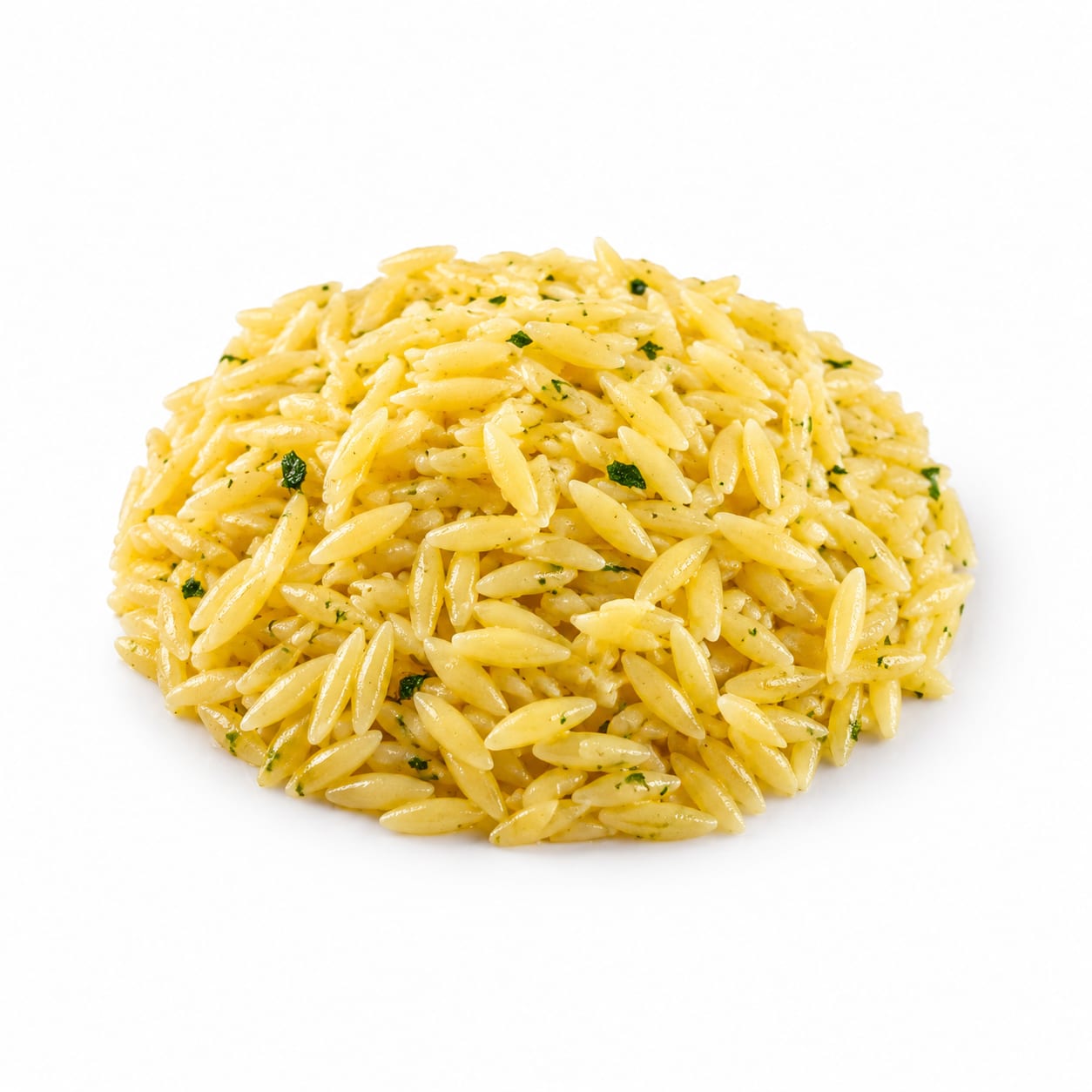
Orzo
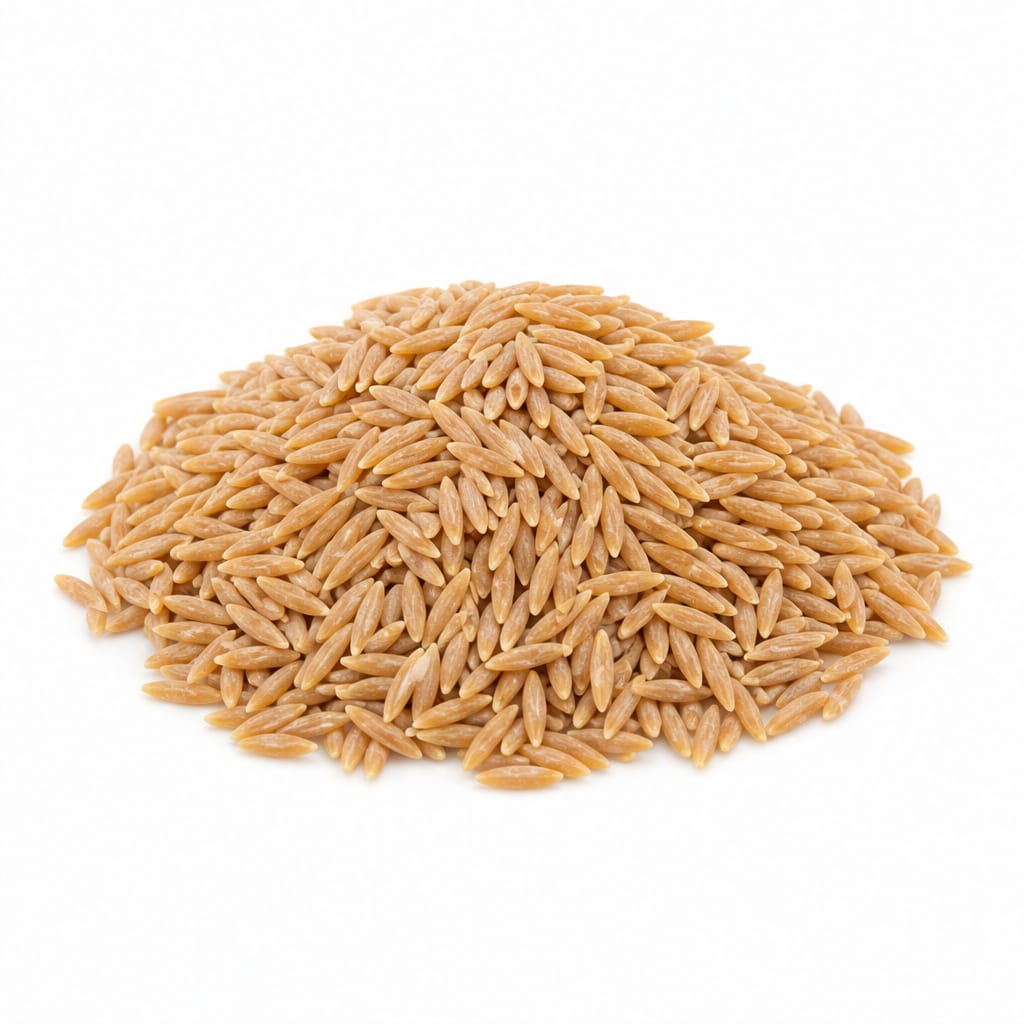
Whole Wheat Orzo
Whole Wheat Orzo delivers steadier energy, more fiber, and better long-term health value, while regular Orzo offers a lighter texture and milder taste that some dishes need.
Whole Wheat Orzo scores meaningfully higher due to superior fiber, mineral retention, and blood sugar stability. Regular Orzo remains relevant for texture-sensitive dishes and personal preference, but the nutritional gap is substantial.
You trade the soft, familiar comfort of regular Orzo for triple the fiber and noticeably better blood sugar control with Whole Wheat Orzo.
At a glance
Executive summary
Overall
Whole Wheat Orzo
Healthier
Whole Wheat Orzo
More practical
Orzo
Daily use
Whole Wheat Orzo
Key comparison lenses
blood sugar and energy stability
Refined versus whole grain pasta creates dramatically different glycemic responses, directly affecting energy crashes and cravings
fiber and digestive health
The bran and germ retention in Whole Wheat Orzo triples fiber content, making this the most nutritionally significant difference
weight management and satiety
Fiber density changes how full you feel and how much you naturally eat at a meal
nutrient density tradeoff
Whole Wheat Orzo retains B vitamins and minerals lost in refining, but the difference shrinks if you eat enriched Orzo
taste and texture preference
Whole wheat versions taste nuttier and chewier, which some people love and others find less comforting
Best choice for
Orzo
- Light soups where delicate texture matters
- Kids or picky eaters transitioning to pasta
- Recipes where nutty flavor would clash
- People with sensitive digestion unaccustomed to high fiber
Whole Wheat Orzo
- Anyone managing blood sugar or prediabetes
- People trying to eat more filling meals with less overeating
- Fiber-focused diets and gut health routines
- Everyday side dishes where nutrition matters more than refinement
Least suitable for
Orzo
- People with diabetes or insulin resistance
- Anyone trying to increase daily fiber intake
- Those prone to afternoon energy crashes after carb-heavy meals
Whole Wheat Orzo
- Dishes requiring a delicate, tender pasta texture
- People with wheat sensitivity who find whole grains harder to digest
- Strict comfort food experiences where familiarity is the whole point
Deep comparison
Dimension by dimension
Each lens scores both foods and breaks down who each option suits.
- Dimension 1 · Priority 92Whole Wheat Orzo
Fiber and Digestive Health
Orzo · 25Whole Wheat Orzo · 82Whole Wheat Orzo contains roughly three times the fiber of regular Orzo, making it far better for digestion and gut health.
Tradeoff
The extra fiber can cause bloating if your body is not used to it, while regular Orzo sits lighter in the stomach initially.
Why it matters
Most people eat far too little fiber, and swapping refined pasta for whole wheat is one of the easiest ways to close that gap without changing your meal structure.
Real-world impact
A bowl of Whole Wheat Orzo keeps you regular and fed for hours. Regular Orzo digests quickly and leaves you hungry sooner.
Orzo
- Gentle digestion after stomach illness
- Low-residue diets prescribed by doctors
Better for
- Contributing to chronic fiber deficiency
- Failing to support healthy gut microbiome
Worse for
Whole Wheat Orzo
- Daily gut health maintenance
- Preventing constipation naturally
- Feeding beneficial gut bacteria
Better for
- Causing gas if fiber intake increases too quickly
- Irritating sensitive digestive conditions during flare-ups
Worse for
- Dimension 2 · Priority 90Whole Wheat Orzo
Blood Sugar Stability
Orzo · 30Whole Wheat Orzo · 72Regular Orzo causes a faster, sharper blood sugar spike. Whole Wheat Orzo releases glucose more gradually due to its fiber content.
Tradeoff
If you need quick energy right before or after intense exercise, the faster digestion of regular Orzo could actually be useful.
Why it matters
Steady blood sugar means fewer energy crashes, fewer cravings between meals, and lower long-term risk for type 2 diabetes.
Real-world impact
Eat regular Orzo at lunch and you may feel sleepy by 2pm. Whole Wheat Orzo carries you through the afternoon more evenly.
Orzo
- Quick post-workout carb replenishment
- Endurance athletes needing fast glycogen reload
Better for
- Triggering blood sugar spikes and dips
- Increasing hunger again within 2 hours
Worse for
Whole Wheat Orzo
- Avoiding the afternoon energy crash
- Managing prediabetes or insulin resistance
- Reducing cravings between meals
Better for
- Feeling too full if eaten right before intense activity
Worse for
- Dimension 3 · Priority 85Whole Wheat Orzo
Satiety and Fullness
Orzo · 35Whole Wheat Orzo · 75Whole Wheat Orzo is more filling per serving because fiber slows digestion and stretches the stomach, signaling fullness longer.
Tradeoff
Regular Orzo is easier to eat in large portions without feeling stuffed, which can be either a pro or a con depending on your goals.
Why it matters
If you tend to overeat pasta, the extra fullness from whole wheat naturally limits portions without requiring willpower.
Real-world impact
You are less likely to go back for seconds with Whole Wheat Orzo. With regular Orzo, a second helping feels easy and tempting.
Orzo
- Light meals where you do not want to feel heavy
- Appetizer courses before a big dinner
Better for
- Eating more total calories because you stay hungry
- Needing larger portions to feel satisfied
Worse for
Whole Wheat Orzo
- Weight management without counting calories
- Staying full between meals without snacking
- Reducing nighttime hunger
Better for
- Feeling overly full if you eat your usual portion size
Worse for
- Dimension 4 · Priority 75Orzo
Taste and Texture
Orzo · 85Whole Wheat Orzo · 62Regular Orzo is softer, more tender, and has a neutral flavor that blends into any dish. Whole Wheat Orzo is chewier with a nuttier taste.
Tradeoff
The heartier texture of Whole Wheat Orzo works beautifully in robust dishes but can feel wrong in delicate soups or light salads.
Why it matters
If a meal does not taste good, you will not stick with the healthier choice long-term. Texture matters as much as nutrition.
Real-world impact
Regular Orzo disappears into soup beautifully. Whole Wheat Orzo holds its own in grain bowls and hearty stews but can feel heavy in broths.
Orzo
- Delicate soups and light broths
- Cold pasta salads with subtle dressings
- Dishes where pasta should not compete with other flavors
Better for
- Feeling bland or forgettable in hearty dishes
- Lacking the textural interest some recipes need
Worse for
Whole Wheat Orzo
- Hearty stews and robust sauces
- Grain bowls where chewy texture is welcome
- Recipes where a nutty flavor adds depth
Better for
- Overwhelming delicate flavor profiles
- Feeling too heavy in light summer meals
Worse for
- Dimension 5 · Priority 80Whole Wheat Orzo
Nutrient Density
Orzo · 38Whole Wheat Orzo · 78Whole Wheat Orzo retains the bran and germ, preserving magnesium, zinc, B vitamins, and antioxidants lost in refining.
Tradeoff
Enriched regular Orzo adds back some B vitamins and iron, but it cannot replace the magnesium, selenium, and phytonutrients of whole grain.
Why it matters
Small nutrient differences add up over years of daily eating. Whole grains consistently correlate with lower risk of heart disease and stroke.
Real-world impact
Choosing Whole Wheat Orzo is like getting a free multivitamin with your pasta. Not dramatic per meal, but meaningful over months and years.
Orzo
- Enriched versions still provide decent B vitamins and iron
Better for
- Lost minerals and antioxidants that enrichment cannot replace
- Essentially empty calories beyond basic starch
Worse for
Whole Wheat Orzo
- More magnesium for muscle and nerve function
- Higher selenium for immune support
- Antioxidants and phytonutrients from the bran
Better for
- Slightly lower folate if not enriched compared to enriched regular Orzo
Worse for
- Dimension 6 · Priority 55Orzo
Cooking Reliability
Orzo · 82Whole Wheat Orzo · 68Regular Orzo cooks more predictably with consistent tenderness. Whole Wheat Orzo can vary more in cooking time and texture between brands.
Tradeoff
Whole Wheat Orzo holds up better to reheating and resists getting mushy in leftovers, which regular Orzo cannot do as well.
Why it matters
Predictable cooking reduces food waste and frustration, especially for weeknight meals.
Real-world impact
Regular Orzo is foolproof for busy weeknights. Whole Wheat Orzo needs a bit more attention but rewards you with better leftover texture.
Orzo
- Beginner cooks wanting reliable results
- Quick weeknight meals with no guesswork
Better for
- Turning mushy when reheated or stored
- Losing texture in overnight meal prep
Worse for
Whole Wheat Orzo
- Meal prep and leftovers that reheat well
- Pasta salads that sit in the fridge for days
Better for
- Inconsistent cooking times across brands
- Needing more attention to avoid undercooking
Worse for
Timeline
Health impact over time
Short-term
Hours to days
Orzo
- Quick energy that may fade within 2 hours
- Light stomach feel immediately after eating
- Possible cravings soon after the meal
Whole Wheat Orzo
- Steady energy lasting 3 to 4 hours
- Comfortable fullness that reduces snacking
- Possible mild bloating if transitioning from low-fiber diet
Long-term
Months to years
Orzo
- Higher risk of blood sugar dysregulation with frequent consumption
- Contribution to chronic low fiber intake
- Easier to overeat portions over time
Whole Wheat Orzo
- Better blood sugar control and lower diabetes risk
- Improved gut health and regularity
- Lower risk of heart disease through consistent whole grain intake
Risk profile
Safety & processing
Both are simple grain products with minimal additives. The key difference is that regular Orzo strips away the bran and germ during milling, while Whole Wheat Orzo keeps the entire grain intact. Neither contains concerning artificial ingredients.
Orzo
Glyphosate residue on conventional wheat
lowConventionally grown wheat may carry trace pesticide residues. Choosing organic reduces this concern for either variety.
Whole Wheat Orzo
Phytic acid reducing mineral absorption
lowWhole grains contain phytic acid, which can slightly reduce absorption of iron and zinc. This is rarely a practical concern in balanced diets.
Glyphosate residue on conventional wheat
lowSame concern as regular Orzo. Organic options eliminate this risk.
Who wins for whom
Audience fit
Same foods, different winners depending on your goal.
children
It dependsRegular Orzo is easier for kids to accept due to softer texture and milder taste, but Whole Wheat Orzo builds better long-term eating habits if introduced early.
daily consumption
Whole Wheat OrzoDaily whole grain intake is consistently linked to better long-term health outcomes, making Whole Wheat Orzo the stronger everyday choice.
diabetes
Whole Wheat OrzoThe fiber in Whole Wheat Orzo slows glucose absorption significantly, reducing blood sugar spikes that are problematic for diabetes management.
elderly
Whole Wheat OrzoOlder adults benefit most from the fiber, B vitamins, and minerals in Whole Wheat Orzo, especially for digestion and heart health.
muscle gain
It dependsBoth provide similar carbohydrate fuel. Regular Orzo digests faster for post-workout glycogen, while Whole Wheat Orzo offers slightly more protein and sustained energy.
weight loss
Whole Wheat OrzoHigher fiber and protein per calorie make Whole Wheat Orzo more filling, naturally reducing total intake without feeling deprived.
Your move
Decision guide
Choose Orzo
- You are making a delicate soup where texture really matters
- You are cooking for kids or guests who dislike whole grain taste
- You need quick-digesting carbs before or after intense exercise
- You have a sensitive stomach adjusting to higher fiber
Choose Whole Wheat Orzo
- You want steadier energy without afternoon crashes
- You are trying to eat more fiber without changing your meal routine
- You are managing blood sugar, prediabetes, or diabetes
- You meal prep and want leftovers that reheat without getting mushy
- You want to feel full longer without eating larger portions
Either works if
- You are eating pasta only occasionally and the nutritional difference is minimal
- You are pairing with lots of vegetables and protein, which blunts the glycemic difference
- You are cooking a one-time special recipe where taste is the priority
Avoid both if
- You have celiac disease or gluten intolerance and need gluten-free pasta
- You are on a strict low-carb or ketogenic diet
Final recommendation
Make Whole Wheat Orzo your default for everyday meals. Keep regular Orzo on hand for specific recipes where its delicate texture truly matters. The fiber and blood sugar benefits of Whole Wheat Orzo are too meaningful to ignore for routine eating, but food should still taste good, so honor that when the dish calls for refinement.
Practical
Consumer tips
- 1
Transition gradually by mixing half regular and half Whole Wheat Orzo, then shift the ratio over a few weeks
- 2
Rinse Whole Wheat Orzo after cooking to remove surface starch and improve texture in cold dishes
- 3
Toast Whole Wheat Orzo in a dry pan for 2 minutes before boiling to bring out a richer, nuttier flavor
- 4
Check labels carefully as some whole wheat pastas blend refined and whole grain flour rather than using 100 percent whole wheat
- 5
Salt your cooking water generously for Whole Wheat Orzo since the bran absorbs more flavor than refined pasta
- 6
If switching feels hard, start with Whole Wheat Orzo in heavily sauced dishes where the texture difference is less noticeable