
Nutrition comparison
Orzo vs White Rice: Which Refined Carb Is Better for You?
Compare orzo and white rice on protein, blood sugar impact, digestion, and gluten. Find out which refined carb fits your health goals and eating style.
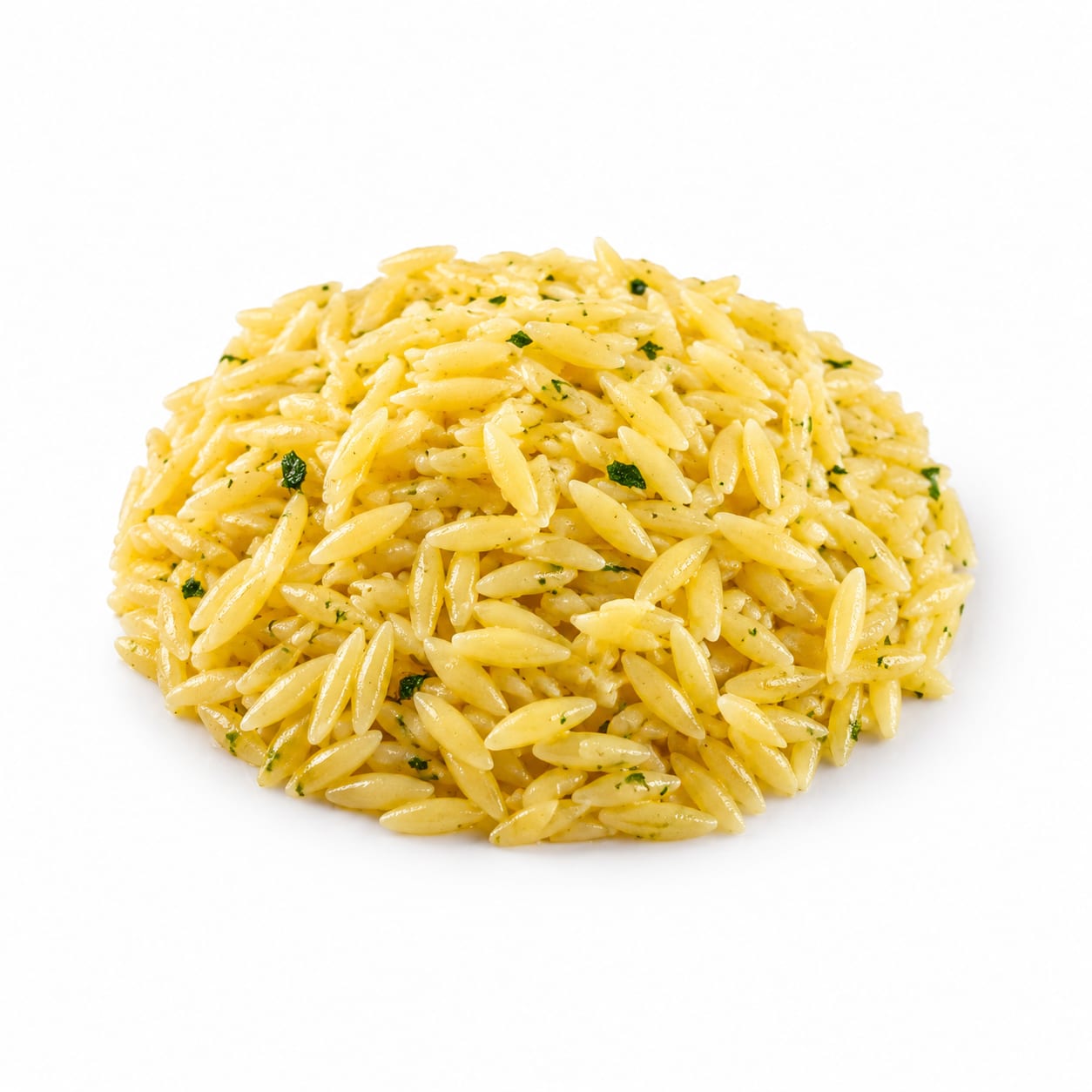
Orzo
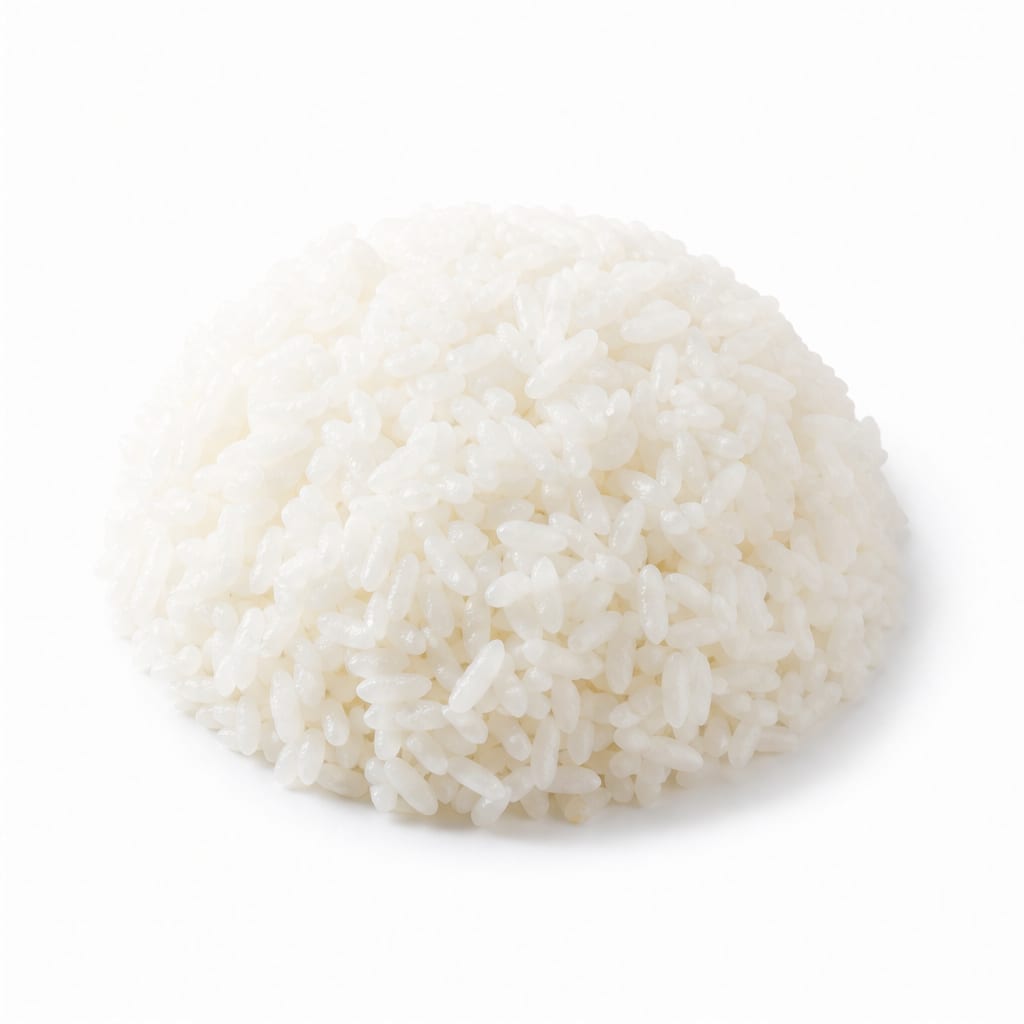
White Rice
Orzo offers more protein and slightly better satiety, while white rice is gentler on digestion and naturally gluten-free. Neither is a nutritional standout.
Orzo edges ahead slightly due to higher protein and marginally better satiety, but white rice's gluten-free advantage and digestive gentleness keep it competitive. Both are refined carbs with limited nutritional density, so neither scores well overall.
Protein and fullness versus digestive comfort and gluten freedom
At a glance
Executive summary
Overall
It depends
Healthier
Orzo
More practical
White Rice
Daily use
It depends
Key comparison lenses
blood sugar management
Both are refined carbohydrate staples that spike blood sugar, making glycemic impact the central concern for most users
gluten sensitivity and digestive tolerance
Orzo contains gluten while white rice is naturally gluten-free, a decisive factor for many consumers
protein and satiety comparison
Orzo's wheat-based protein gives it a meaningful edge in fullness, which matters for portion control and meal satisfaction
meal versatility and culinary role
Both serve as neutral carb bases but have different cooking behaviors and cultural recipe fit
weight management practicality
Calorie density is similar, but satiety differences affect real-world eating patterns and overeating risk
Best choice for
Orzo
- People wanting more protein from their carb base
- Mediterranean-style meal builders
- Those who find pasta more satisfying than rice
- Anyone needing steadier energy from a slightly lower glycemic option
White Rice
- People with celiac disease or gluten sensitivity
- Those with sensitive digestion or recovering from illness
- Budget-conscious shoppers needing a cheap staple
- Anyone meal-prepping in bulk since rice stores and reheats better
Least suitable for
Orzo
- Anyone with celiac disease or wheat allergy
- People monitoring gluten intake for inflammation
- Those who experience bloating from wheat products
White Rice
- People prioritizing protein intake from every food group
- Those who find rice too bland and end up overeating additions
- Anyone needing sustained energy without a blood sugar crash
Deep comparison
Dimension by dimension
Each lens scores both foods and breaks down who each option suits.
- Dimension 1 · Priority 90Orzo
Blood Sugar Stability
Orzo · 38White Rice · 30Both spike blood sugar significantly, but orzo's wheat protein slows glucose absorption slightly compared to white rice's rapid digestibility.
Tradeoff
Neither is ideal for blood sugar management, but orzo is marginally less disruptive
Why it matters
White rice has a glycemic index around 73-85, often higher than orzo, meaning faster spikes and sharper crashes that leave you hungry again sooner
Real-world impact
A white rice lunch can leave you reaching for a snack by 3pm, while orzo may buy you an extra 30-60 minutes of comfortable fullness
Orzo
- Slightly slower blood sugar rise after meals
- Less dramatic afternoon energy dips
Better for
- Still a significant glycemic load that requires mindful pairing
Worse for
White Rice
- Easier to pair with high-fiber vegetables to offset the spike
- More predictable digestion timing for athletes needing quick fuel
Better for
- Faster blood sugar spike leading to quicker hunger return
- Higher risk of reactive hypoglycemia in sensitive individuals
Worse for
- Dimension 2 · Priority 80Orzo
Protein and Satiety
Orzo · 55White Rice · 30Orzo delivers roughly double the protein of white rice per serving, making meals noticeably more filling.
Tradeoff
More protein and fullness from orzo versus lighter digestion from rice that some prefer
Why it matters
A cup of cooked orzo provides about 7-8g of protein versus 4g in white rice, which adds up across daily meals
Real-world impact
Orzo-based meals tend to keep you satisfied longer, reducing the urge to snack between meals
Orzo
- Nearly twice the protein per serving helps with fullness
- Better anchor for building a balanced plate without extra protein sides
Better for
- Still not a high-protein food by any meaningful standard
Worse for
White Rice
- Lighter feeling in the stomach for those who prefer not feeling full
- Easier to eat larger volumes before feeling stuffed, useful for underweight individuals
Better for
- Low protein means rice alone will not keep you full for long
- Encourages overeating of other foods to reach satisfaction
Worse for
- Dimension 3 · Priority 85White Rice
Digestive Tolerance
Orzo · 35White Rice · 75White rice is one of the most easily digested foods available, while orzo's gluten and wheat content can cause issues for many.
Tradeoff
Gentle, predictable digestion from rice versus potential bloating or discomfort from orzo's gluten
Why it matters
Rice is a standard recommendation for upset stomachs, post-surgery recovery, and sensitive digestion because it is so well tolerated
Real-world impact
After a stomach bug or during a flare-up, white rice feels comforting and safe, while orzo could trigger bloating or irritation
Orzo
- Firm texture holds up well in soups without becoming mushy
Better for
- Gluten content triggers reactions in sensitive individuals
- Wheat can cause bloating even in people without diagnosed sensitivity
Worse for
White Rice
- Extremely gentle on the digestive tract
- Naturally gluten-free and safe for celiac disease
- Recommended for recovery from gastrointestinal illness
Better for
- Can contribute to constipation if eaten without enough fiber from other foods
Worse for
- Dimension 4 · Priority 65It depends
Culinary Versatility
Orzo · 60White Rice · 60Orzo excels in Mediterranean dishes, soups, and salads, while white rice dominates in Asian cuisine, bowls, and as a universal side.
Tradeoff
Mediterranean and European recipe fit versus global cuisine compatibility and stir-fry performance
Why it matters
Your cooking style and flavor preferences should drive this choice more than nutrition alone
Real-world impact
Orzo makes a beautiful lemon-herb salad or minestrone addition, while rice is irreplaceable for curries, stir-fries, and grain bowls
Orzo
- Holds shape beautifully in soups and broths
- Creates more interesting pasta salads with texture
- Absorbs vinaigrettes and light sauces well
Better for
- Gets mushy if overcooked, less forgiving than rice
- Limited in Asian-style dishes where rice is expected
Worse for
White Rice
- Essential base for curries, stir-fries, and stews
- Reheats beautifully for meal prep
- Neutral flavor pairs with virtually any cuisine
Better for
- Does not work well in cold pasta salads
- Absorbs less flavor from dressings compared to orzo
Worse for
- Dimension 5 · Priority 70Orzo
Nutritional Density
Orzo · 35White Rice · 25Neither food is nutrient-dense, but orzo retains slightly more B vitamins and minerals from its wheat origin compared to heavily milled white rice.
Tradeoff
Marginal micronutrient advantage versus the reality that both are refined and stripped of most nutritional value
Why it matters
Some orzo brands are enriched with additional vitamins, while white rice enrichment varies significantly by country and brand
Real-world impact
The difference is small enough that you should not choose either food for its vitamin content alone
Orzo
- Slightly more iron and B vitamins from wheat
- Often enriched with folic acid and other nutrients
Better for
- Still a refined grain with most of the bran and germ removed
Worse for
White Rice
- Enriched white rice in many countries adds back significant folate and iron
- Lower phytic acid content means minerals from accompanying foods absorb better
Better for
- Milling removes most natural vitamins and minerals
- Enrichment is inconsistent across brands and regions
Worse for
- Dimension 6 · Priority 55White Rice
Cost and Accessibility
Orzo · 45White Rice · 80White rice is one of the cheapest calories available globally, while orzo is typically more expensive and less universally stocked.
Tradeoff
Budget-friendly staple versus slightly pricier specialty pasta
Why it matters
For households relying on affordable staples, rice offers dramatically better value per calorie
Real-world impact
A large bag of white rice can feed a family for weeks at minimal cost, while orzo costs 2-3 times more per serving
Orzo
- Available in most grocery stores in the pasta aisle
Better for
- More expensive per calorie than rice
- Less commonly available in small or budget stores
Worse for
White Rice
- Extremely low cost per serving
- Available in every grocery store worldwide
- Long shelf life and easy bulk storage
Better for
- Limited to a single grain type with no variety in shape or texture
Worse for
Timeline
Health impact over time
Short-term
Hours to days
Orzo
- Provides quick energy with slightly delayed blood sugar peak compared to rice
- May cause mild bloating in gluten-sensitive individuals within hours
- More filling per serving, reducing immediate post-meal snacking
White Rice
- Rapid blood sugar spike followed by a quicker drop, potentially causing hunger within 1-2 hours
- Very gentle on the stomach with almost no digestive discomfort for most people
- Light feeling that some find unsatisfying, leading to larger portions or additional sides
Long-term
Months to years
Orzo
- Regular consumption of refined wheat may contribute to low-grade inflammation in gluten-sensitive individuals
- Slightly higher protein intake from the carb base supports muscle maintenance marginally better over years
- Chronic reliance without whole grain alternatives may increase metabolic risk similar to other refined carbs
White Rice
- Frequent white rice consumption is associated with higher type 2 diabetes risk in large population studies
- Consistent blood sugar spikes may contribute to insulin resistance over time
- Cultures eating white rice alongside abundant vegetables and legumes show reduced risk, suggesting pairing matters enormously
Risk profile
Safety & processing
Both are refined grain products with minimal additives. Orzo is made from milled wheat flour shaped into rice-like pasta, while white rice is milled to remove bran and germ. Neither contains concerning artificial ingredients, but both have been stripped of their most nutritious components during processing.
Orzo
Gluten exposure for sensitive individuals
highContains wheat gluten which triggers autoimmune reactions in people with celiac disease and discomfort in those with non-celiac gluten sensitivity
Wheat allergen exposure
mediumWheat is a top 9 allergen, and orzo poses a clear risk for those with diagnosed wheat allergy
White Rice
Arsenic contamination
mediumWhite rice can accumulate inorganic arsenic from soil and water, with levels varying by region. Rinsing and cooking in excess water reduces this significantly.
Bacillus cereus from improper storage
lowCooked rice left at room temperature can grow Bacillus cereus, causing food poisoning. Refrigerate promptly after cooking.
Who wins for whom
Audience fit
Same foods, different winners depending on your goal.
children
White RiceWhite rice is gentler on developing digestive systems, widely accepted by picky eaters, and poses no allergen risk for most children
daily consumption
It dependsDepends entirely on gluten tolerance and cultural eating patterns. Both are refined carbs best consumed in moderation with whole grain alternatives in rotation
diabetes
OrzoOrzo's slightly lower glycemic impact makes it the marginally better choice, but both should be consumed in small portions with high-fiber and protein-rich accompaniments
elderly
White RiceRice's soft texture and easy digestibility make it ideal for aging digestive systems, and it poses no gluten-related inflammation concerns
muscle gain
OrzoOrzo provides marginally more protein per serving, though both are primarily carb sources and need significant protein additions for muscle building
weight loss
OrzoOrzo's higher protein and slightly better satiety help control portions and reduce between-meal snacking, though both require mindful pairing with vegetables and lean protein
Your move
Decision guide
Choose Orzo
- You want more protein and fullness from your carb base
- You cook Mediterranean, Italian, or Greek-inspired meals regularly
- You tolerate gluten well and prefer the texture of pasta over rice
- You find rice-based meals leave you hungry too quickly
Choose White Rice
- You have celiac disease, gluten sensitivity, or wheat allergy
- You need a gentle food for digestive recovery or sensitive stomach days
- You cook Asian, Latin, or African cuisines where rice is foundational
- You are on a tight budget and need affordable calories
- You meal-prep in bulk and need something that reheats perfectly
Either works if
- You are building a balanced plate with plenty of vegetables and protein anyway
- You rotate between different carb sources throughout the week
- Neither food is your primary nutrient source, just a supporting player
Avoid both if
- You are managing diabetes and need low-glycemic carb alternatives like quinoa or legumes
- You are following a low-carb or ketogenic eating approach
- You want to prioritize whole grains for fiber and long-term health benefits
Final recommendation
Choose orzo when you want a more satisfying, protein-forward carb that holds up in soups and salads. Choose white rice when you need gentle digestion, gluten freedom, or budget-friendly versatility. For daily health, both are refined carbs best enjoyed in moderation alongside whole grains, vegetables, and quality protein. The winner is less about the grain itself and more about what you pair it with.
Practical
Consumer tips
- 1
Rinse white rice before cooking to reduce arsenic levels by up to 30%
- 2
Cook white rice in excess water and drain it to further lower arsenic content
- 3
Pair either carb with fiber-rich vegetables and lean protein to blunt blood sugar spikes
- 4
Try whole wheat orzo for a meaningful fiber and nutrient upgrade with similar culinary performance
- 5
Refrigerate cooked rice within one hour to prevent Bacillus cereus growth
- 6
Cool cooked rice before refrigerating to preserve texture for meal prep
- 7
Add olive oil and lemon to orzo for a simple, satisfying side that feels complete
- 8
Swap half your rice for cauliflower rice to cut calories and add vegetables without sacrificing the rice experience