
Nutrition comparison
Orzo vs Quinoa: Which Grain is Healthier?
Compare Orzo vs Quinoa for nutrition, protein, fiber, and blood sugar impact. Find out which grain is better for weight loss, gluten-free diets, and daily meals.
Overall winner · Quinoa
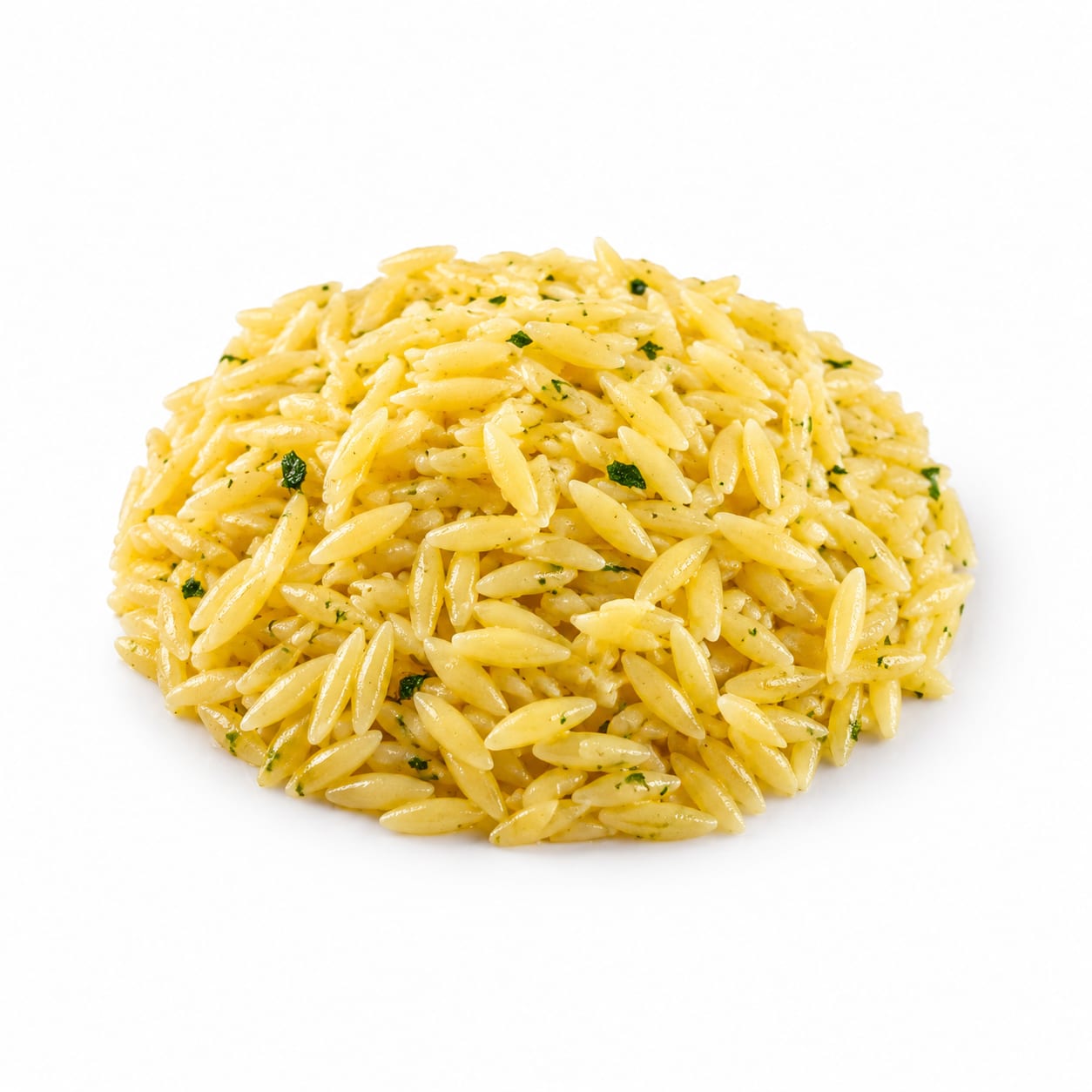
Orzo
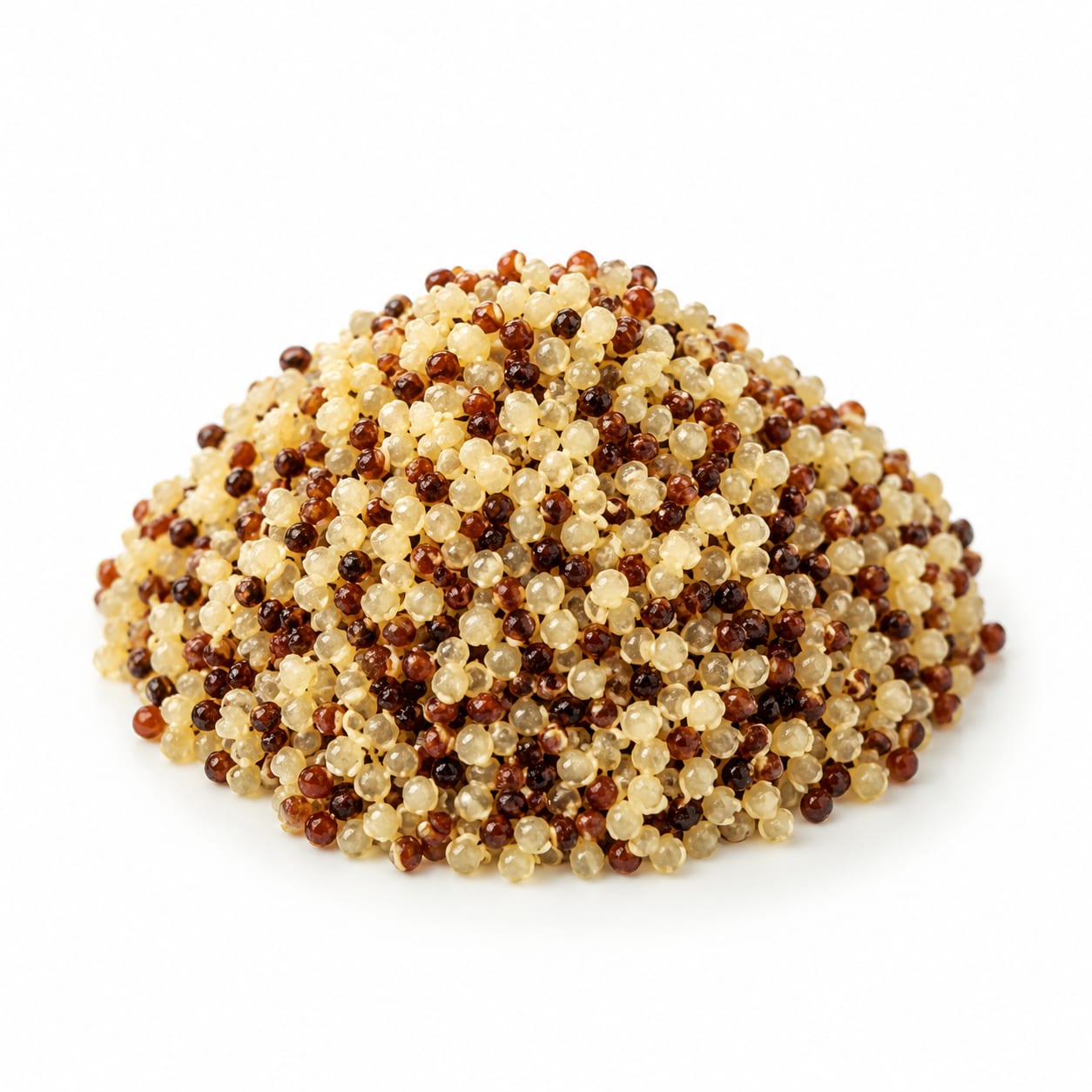
Quinoa
Quinoa dominates on nutrition and sustained energy, while Orzo wins on quick cooking and comforting texture.
Quinoa's superior fiber, protein, and micronutrient profile gives it a strong lead over traditional refined Orzo, though whole-wheat Orzo would close the gap slightly.
You trade the light, quick-cooking comfort of Orzo for the protein-packed, blood-sugar-stabilizing power of Quinoa.
At a glance
Executive summary
Overall
Quinoa
Healthier
Quinoa
More practical
Orzo
Daily use
Quinoa
Key comparison lenses
Carb quality and blood sugar impact
Orzo is a refined grain that spikes blood sugar, while Quinoa is a whole grain seed that provides steady energy.
Protein and satiety for meals
Quinoa offers complete protein and high fiber, keeping you full much longer than Orzo.
Gluten-free vs wheat-based diets
Orzo contains wheat gluten, making it unsuitable for celiacs, whereas Quinoa is naturally gluten-free.
Meal texture and culinary use
Orzo provides a comforting, pasta-like bite that absorbs flavors well, while Quinoa adds a fluffy, nutty crunch.
Best choice for
Orzo
- Quick weeknight soups
- Light pasta salads
- Comforting carb cravings
- Budget-friendly meals
Quinoa
- Meal prep bowls
- High-protein vegetarian diets
- Gluten-free lifestyles
- Sustained energy needs
Least suitable for
Orzo
- People with celiac or gluten intolerance
- Low-carb or keto diets
- Blood sugar management
Quinoa
- Rushed weeknight cooking (if not pre-cooked)
- People sensitive to high fiber
- Traditional Italian recipes
Deep comparison
Dimension by dimension
Each lens scores both foods and breaks down who each option suits.
- Dimension 1 · Priority 95Quinoa
Blood Sugar & Energy Stability
Orzo · 30Quinoa · 85Quinoa provides steady energy, while Orzo can cause spikes and crashes.
Tradeoff
Orzo digests fast for quick fuel, but Quinoa keeps you full and focused for hours.
Why it matters
Steady blood sugar prevents the afternoon energy crash and reduces cravings.
Real-world impact
Eating Quinoa at lunch means you likely won't be reaching for a snack by 3 PM.
Orzo
- Pre-workout quick energy
- Recovering blood sugar after a hard workout
Better for
- Sitting at a desk all day
- Pre-diabetes management
Worse for
Quinoa
- Avoiding the afternoon slump
- Managing insulin resistance
- Sustained focus at work
Better for
- Right before an intense sprint workout where quick carbs are needed
Worse for
- Dimension 2 · Priority 90Quinoa
Satiety & Fullness
Orzo · 35Quinoa · 88Quinoa's fiber and protein combo makes it far more filling than Orzo.
Tradeoff
Orzo feels lighter in the stomach, but you'll get hungry again much sooner.
Why it matters
Staying full longer helps with portion control and reduces overall calorie intake.
Real-world impact
A Quinoa bowl keeps you satisfied for 4-5 hours, whereas an Orzo dish might leave you hungry in 2.
Orzo
- Light meals before physical activity
- When you don't want a heavy feeling
Better for
- Controlling late-night cravings
- Calorie deficit diets
Worse for
Quinoa
- Weight management
- Long stretches between meals
- Reducing snacking
Better for
- Eating right before a run or heavy workout
Worse for
- Dimension 3 · Priority 85Quinoa
Protein Quality & Quantity
Orzo · 40Quinoa · 90Quinoa is a rare plant-based complete protein, while Orzo relies on incomplete wheat protein.
Tradeoff
Quinoa offers all essential amino acids, making it a nutritional anchor, whereas Orzo needs pairing with beans or meat to match.
Why it matters
Complete proteins support muscle repair and immune function without needing food combining.
Real-world impact
Vegetarians get far more muscle-building value from a single serving of Quinoa than from Orzo.
Orzo
- Casual side dish where protein comes from the main entree
Better for
- Vegans needing primary protein sources
Worse for
Quinoa
- Vegan and vegetarian diets
- Post-workout recovery meals
- Plant-based meal prep
Better for
- Those who prefer getting protein solely from animal sources and just want a carb side
Worse for
- Dimension 4 · Priority 80Quinoa
Digestive Tolerance & Allergens
Orzo · 40Quinoa · 85Quinoa is naturally gluten-free, while Orzo contains wheat gluten.
Tradeoff
Orzo is off-limits for gluten-sensitive individuals, while Quinoa is safe but requires thorough rinsing to avoid bitterness.
Why it matters
Gluten intolerance and celiac disease make wheat-based Orzo a digestive hazard.
Real-world impact
Someone with gluten sensitivity will experience bloating from Orzo but can eat Quinoa comfortably.
Orzo
- Those used to high wheat diets without issues
Better for
- Celiac disease
- Wheat allergies
- Gluten intolerance
Worse for
Quinoa
- Celiac disease
- Gluten sensitivity
- IBS-friendly diets (for some)
Better for
- People unaccustomed to high fiber who might experience initial bloating
Worse for
- Dimension 5 · Priority 70Orzo
Culinary Versatility & Convenience
Orzo · 80Quinoa · 70Orzo cooks faster and fits seamlessly into soups and light salads, while Quinoa takes longer and has a distinct texture.
Tradeoff
Orzo melts into dishes for a comforting bite, whereas Quinoa stands out with its fluffy, nutty profile.
Why it matters
Convenience and texture often dictate what people actually cook on busy weeknights.
Real-world impact
Orzo is ready in 8-10 minutes and feels like a comforting pasta; Quinoa takes 15-20 minutes and requires rinsing.
Orzo
- Quick weeknight dinners
- Soups and broths
- Creamy salads
Better for
- Cold grain bowls where fluffiness is preferred
Worse for
Quinoa
- Grain bowls
- Meal prepping for the week
- Adding crunch to salads
Better for
- Rushed 15-minute meals
- Traditional Mediterranean soups
Worse for
Timeline
Health impact over time
Short-term
Hours to days
Orzo
- Quick energy boost from fast-digesting carbs
- Light feeling in the stomach immediately after eating
- Potential blood sugar spike followed by a crash
Quinoa
- Steady, sustained energy without a crash
- Feeling full and satisfied for hours
- Mild bloating if not rinsed or if transitioning to a high-fiber diet
Long-term
Months to years
Orzo
- Risk of increased insulin resistance if eaten frequently without fiber/protein
- Potential weight gain from overeating due to low satiety
Quinoa
- Improved blood sugar regulation
- Better weight management due to high satiety
- Support for gut health from fiber
Risk profile
Safety & processing
Quinoa is a whole food seed eaten in its natural state, while traditional Orzo is made from refined wheat flour stripped of its bran and germ.
Orzo
Gluten contamination
highContains wheat gluten, which is dangerous for those with celiac disease or severe gluten intolerance.
Fungal toxin contamination
lowWheat products can occasionally harbor ochratoxin A, though strict regulations keep this rare.
Quinoa
Saponin residue
mediumNaturally coated in bitter saponins that can cause digestive upset if not rinsed thoroughly before cooking.
Cross-contamination with gluten
mediumOften processed in facilities that handle wheat; celiacs must buy certified gluten-free Quinoa.
Who wins for whom
Audience fit
Same foods, different winners depending on your goal.
children
It dependsOrzo is often more palatable and easier for kids to chew in soups, but Quinoa offers better nutrition for growing bodies.
daily consumption
QuinoaDaily Quinoa supports long-term metabolic health and steady energy, whereas daily refined Orzo can contribute to blood sugar issues.
diabetes
QuinoaQuinoa has a lower glycemic index and more fiber, preventing the dangerous blood sugar spikes caused by Orzo.
elderly
QuinoaQuinoa provides more fiber to combat age-related digestive slowdowns and more protein to prevent muscle loss.
muscle gain
QuinoaQuinoa provides complete protein with all essential amino acids, supporting muscle repair better than Orzo.
weight loss
QuinoaQuinoa's high protein and fiber keep you full longer, naturally reducing overall calorie intake.
Your move
Decision guide
Choose Orzo
- You are making a quick, comforting soup and need a pasta that cooks fast.
- You want a light carbohydrate side dish for a heavy protein main course.
- You are cooking for picky eaters who prefer traditional pasta textures.
Choose Quinoa
- You want a filling, nutritious base for a grain bowl or salad.
- You are eating a plant-based diet and need high-quality protein.
- You need to manage blood sugar or avoid gluten.
Either works if
- You are mixing it with a ton of vegetables and lean protein, making the base grain less critical.
- You are eating it as an occasional side dish rather than a dietary staple.
Avoid both if
- You are on a strict ketogenic or very low-carb diet.
- You are looking for a low-calorie volume food (both are relatively calorie-dense).
Final recommendation
Make Quinoa your default grain for its superior nutrition and satiety, but keep Orzo on hand for those comforting soup recipes or rushed weeknights when only pasta will do.
Practical
Consumer tips
- 1
If you love Orzo but want better nutrition, look for whole-wheat Orzo to boost fiber and protein.
- 2
Always rinse Quinoa under cold water for 30 seconds to remove the bitter saponin coating.
- 3
Toast Quinoa in a dry pan for 2 minutes before adding water to enhance its nutty flavor.
- 4
Cook Orzo a minute less than package instructions so it doesn't get mushy in soups or salads.