
Nutrition comparison
Orzo vs Farro: Which Grain Is Healthier and When to Choose Each
Compare orzo and farro nutrition, fiber, protein, and blood sugar impact. Learn when farro is the better choice and when orzo's convenience wins in your kitchen.
Overall winner · Farro
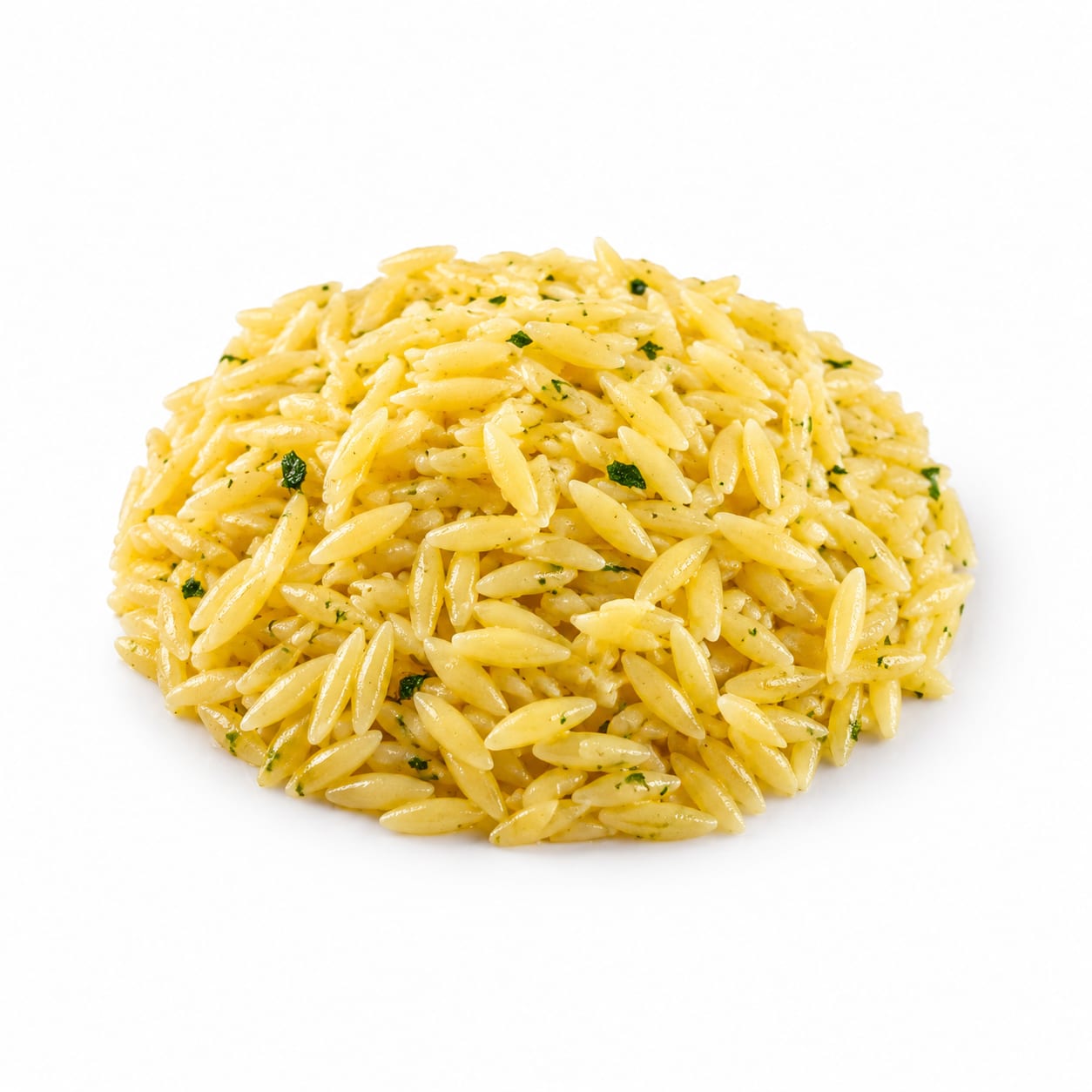
Orzo
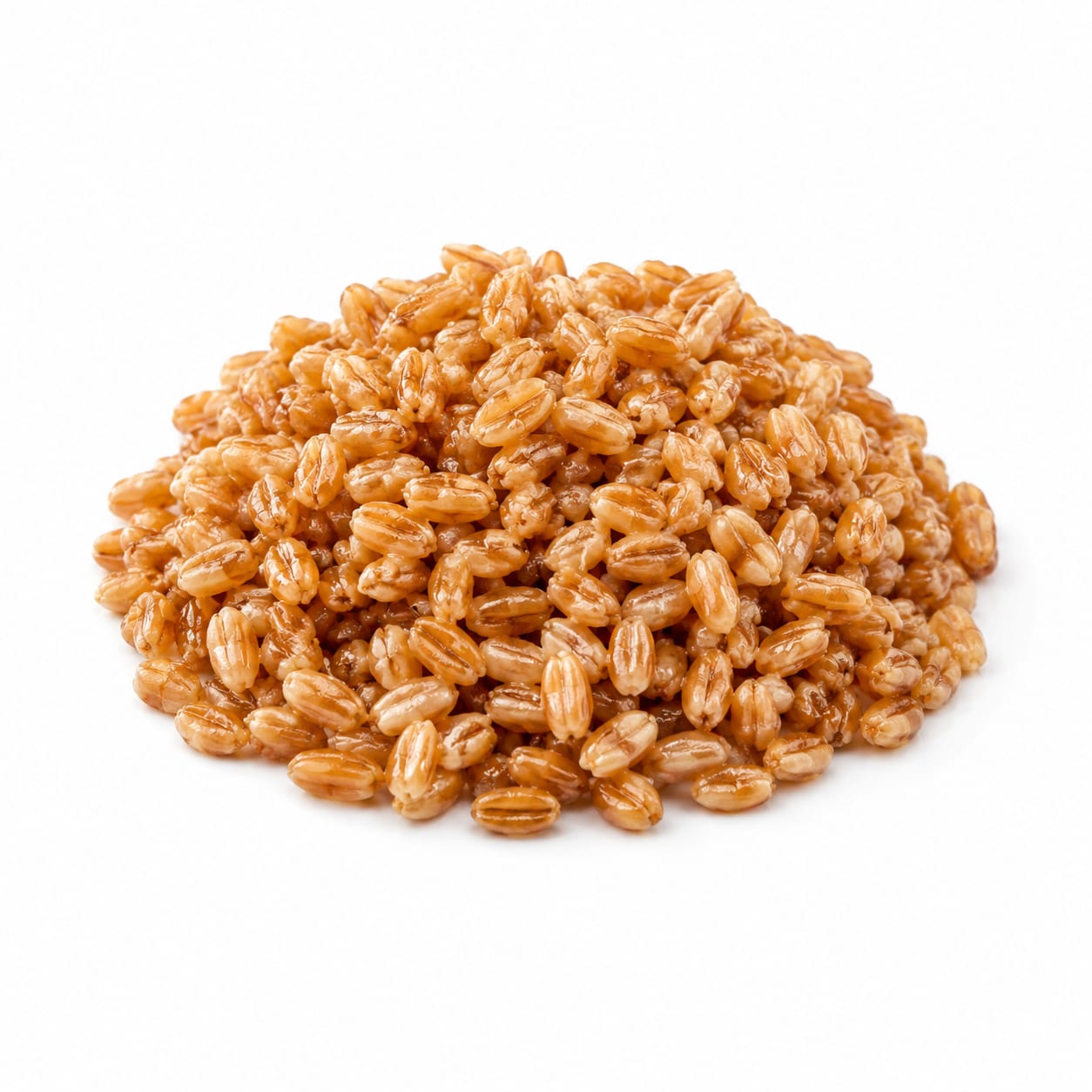
Farro
Farro delivers substantially more nutrition per bite, but orzo wins on speed and convenience for weeknight cooking.
Farro scores significantly higher due to its whole grain fiber, protein, and mineral content. Orzo remains relevant for convenience but falls behind on nearly every nutritional dimension.
You trade quick cooking and familiar pasta comfort for farro's superior fiber, protein, and staying power.
At a glance
Executive summary
Overall
Farro
Healthier
Farro
More practical
Orzo
Daily use
Farro
Key comparison lenses
whole grain vs refined grain nutritional density
Farro is a whole ancient grain while orzo is typically refined wheat pasta, making nutrient density the core differentiator
blood sugar impact and satiety
The fiber gap between these grains dramatically affects how full you feel and how steady your energy stays after eating
long-term metabolic health
Regular consumption of whole grains like farro versus refined grains like orzo has meaningful long-term health divergence
meal versatility and cooking convenience
Orzo cooks faster and works in more dishes seamlessly, while farro requires planning but rewards with texture and nutrition
Best choice for
Orzo
- Quick weeknight dinners when time is tight
- Soups and broths where a light, tender grain is preferred
- Pasta salads needing a delicate texture
- Picky eaters who resist chewy whole grains
- Budget-conscious shoppers (orzo is typically cheaper)
Farro
- Sustained energy throughout the afternoon
- Meal prep bowls that need to stay satisfying for days
- Anyone managing blood sugar or insulin resistance
- High-protein vegetarian and vegan diets
- Gut health and digestive regularity goals
Least suitable for
Orzo
- Blood sugar management or diabetes meal plans
- High-satiety weight loss strategies
- Anyone seeking to increase daily fiber intake
- Those avoiding refined carbohydrates
Farro
- Last-minute meals requiring fast cooking
- People with severe gluten intolerance or celiac (farro contains gluten)
- Dishes requiring a soft, tender grain texture
- Very tight grocery budgets
Deep comparison
Dimension by dimension
Each lens scores both foods and breaks down who each option suits.
- Dimension 1 · Priority 95Farro
Fiber and Digestive Health
Orzo · 20Farro · 85Farro provides roughly 3-4 times more fiber than standard orzo, making it far superior for digestion and fullness.
Tradeoff
Orzo's lower fiber means it digests quickly but leaves you hungry sooner, while farro keeps you satisfied for hours.
Why it matters
Fiber is the single biggest gap between whole and refined grains, affecting everything from gut health to appetite control.
Real-world impact
A farro bowl at lunch means you are far less likely to crave a snack at 3pm compared to an orzo-based meal.
Orzo
- Light meals before exercise when you want quick digestion
- People transitioning off a very low-fiber diet who need gradual adjustment
Better for
- Constipation-prone individuals
- Anyone trying to reduce between-meal hunger
Worse for
Farro
- Daily digestive regularity
- Feeling full between meals without snacking
- Feeding beneficial gut bacteria
Better for
- Sudden large increases in fiber can cause bloating if you are not used to it
Worse for
- Dimension 2 · Priority 90Farro
Blood Sugar Stability
Orzo · 25Farro · 75Farro's fiber and complex carbohydrate structure slow glucose absorption, while orzo causes a faster blood sugar rise.
Tradeoff
Orzo gives quick energy but risks a crash; farro provides steadier, longer-lasting fuel.
Why it matters
Blood sugar spikes and crashes drive fatigue, cravings, and over time, insulin resistance.
Real-world impact
After an orzo-heavy meal you may feel sleepy within an hour. After farro, energy holds steady for 2-3 hours.
Orzo
- Pre-workout fuel when you need fast-available carbs
- Recovery meals after intense endurance exercise
Better for
- Anyone with insulin resistance or metabolic syndrome
- People prone to post-meal fatigue
Worse for
Farro
- Preventing afternoon energy crashes
- Diabetes or prediabetes meal planning
- Sustained focus during long workdays
Better for
- Athletes needing rapid carb replenishment during competition
Worse for
- Dimension 3 · Priority 80Farro
Protein Content
Orzo · 35Farro · 72Farro contains roughly 50% more protein per serving than orzo, making it more filling and useful for plant-based diets.
Tradeoff
Neither is a high-protein food on its own, but farro's extra protein meaningfully boosts satiety.
Why it matters
Protein from grains complements other sources and helps maintain muscle and fullness without relying on animal foods.
Real-world impact
A farro grain bowl with vegetables and a little cheese feels like a complete meal. An orzo version often leaves you searching for more protein.
Orzo
- Dishes where protein comes primarily from other ingredients like chicken or shrimp
Better for
- Plant-based eaters needing grain protein contributions
Worse for
Farro
- Vegetarian and vegan meal construction
- Reducing reliance on animal protein at meals
- Staying full longer between meals
Better for
- Those already exceeding protein needs from other sources
Worse for
- Dimension 4 · Priority 75Orzo
Cooking Convenience and Speed
Orzo · 88Farro · 40Orzo cooks in 8-10 minutes while farro requires 25-40 minutes depending on the variety.
Tradeoff
Orzo fits effortlessly into busy weeknights; farro demands planning or advance meal prep.
Why it matters
Convenience often determines what people actually cook, not what they intend to cook.
Real-world impact
On a Tuesday at 6:30pm, orzo is realistic. Farro requires weekend batch cooking or a pressure cooker.
Orzo
- Weeknight dinners with limited time
- Impromptu meals without planning
- Beginner cooks wanting simple techniques
Better for
- No real downside for convenience, only nutrition
Worse for
Farro
- Weekend meal prep sessions
- Slow-cooked soups and stews where long cooking is already happening
Better for
- Spontaneous cooking sessions
- Weeknight meals without pre-cooked grains on hand
Worse for
- Dimension 5 · Priority 82Farro
Mineral and Micronutrient Density
Orzo · 28Farro · 80Farro retains its bran and germ, delivering significantly more iron, magnesium, zinc, and B vitamins than refined orzo.
Tradeoff
Orzo's refining process strips away most micronutrients, though some products are enriched with added vitamins.
Why it matters
Minerals like magnesium and iron are commonly under-consumed, and whole grains are a key dietary source.
Real-world impact
Regularly choosing farro over refined grains contributes meaningfully to meeting daily mineral needs without supplements.
Orzo
- Enriched orzo varieties can partially close the gap for folate and iron
Better for
- Reliance on synthetic fortification rather than natural nutrient density
- Does not contribute meaningfully to mineral intake
Worse for
Farro
- Meeting magnesium needs for muscle and nerve function
- Natural iron intake without fortification
- B vitamin intake for energy metabolism
Better for
- Phytic acid in whole grains can slightly reduce mineral absorption, though this is manageable with varied diets
Worse for
- Dimension 6 · Priority 65It depends
Texture and Culinary Experience
Orzo · 70Farro · 72Orzo offers a tender, familiar pasta bite while farro brings a satisfying chew and nutty flavor. Both excel in different dishes.
Tradeoff
Orzo melts into dishes seamlessly; farro stands out as a featured ingredient with personality.
Why it matters
Enjoyment drives long-term dietary adherence, so texture preference matters for sustainability.
Real-world impact
Orzo feels like comfort food. Farro feels like something you chose deliberately for both taste and health.
Orzo
- Soups where you want the grain to blend in
- Creamy dishes needing a soft texture
- Kid-friendly meals with familiar mouthfeel
Better for
- Dishes that feel flat without textural interest
- Meals that need a hearty, substantial feel
Worse for
Farro
- Grain bowls and salads where chew is desirable
- Dishes where the grain itself is the star
- Adding textural contrast to meals
Better for
- Delicate soups where chewiness feels out of place
- Diners who dislike grainy or chewy textures
Worse for
Timeline
Health impact over time
Short-term
Hours to days
Orzo
- Quick energy from easily digested carbohydrates
- Less immediate fullness, potentially leading to larger portions
- Possible post-meal sleepiness from blood sugar rise and fall
- Light feeling in the stomach shortly after eating
Farro
- Steady energy release over 2-3 hours without crashes
- Noticeable fullness from smaller portions
- Initial bloating possible if your body is adjusting to higher fiber
- Sustained satisfaction that reduces snacking urges
Long-term
Months to years
Orzo
- Regular consumption of refined grains is associated with higher type 2 diabetes risk
- Lower fiber intake contributes to chronic constipation and gut microbiome imbalance
- Easier to overeat due to low satiety, potentially contributing to weight gain over time
- Missed opportunity for mineral intake that whole grains would provide
Farro
- Consistent whole grain intake is linked to lower cardiovascular disease risk
- Improved digestive regularity and gut microbiome diversity
- Better long-term blood sugar regulation and insulin sensitivity
- Higher mineral intake supports bone density and metabolic function over decades
Risk profile
Safety & processing
Orzo is a refined wheat pasta with the bran and germ removed, classifying it as processed despite having minimal additives. Farro is a whole grain sold with its natural structure intact, making it minimally processed. Neither contains concerning artificial additives, but farro is closer to its natural state.
Orzo
Gluten exposure
highOrzo is wheat-based and contains gluten, making it unsafe for those with celiac disease or gluten sensitivity.
Enrichment additive sensitivity
lowSome enriched orzo products contain added iron and B vitamins that rare individuals may react to.
Farro
Gluten exposure
highFarro is an ancient wheat species containing gluten. It is not safe for celiac patients despite some marketing claims suggesting it is more tolerable.
Phytic acid mineral binding
lowWhole grain farro contains phytic acid that can reduce absorption of iron and zinc, though this is rarely a practical concern with varied diets.
Who wins for whom
Audience fit
Same foods, different winners depending on your goal.
children
OrzoOrzo's soft texture and mild flavor are more kid-friendly, and children's calorie needs are well-served by its easily accessible energy.
daily consumption
FarroFarro's nutrient density and health benefits compound with regular consumption, making it the better daily staple for most adults.
diabetes
FarroFarro's lower glycemic impact and higher fiber slow glucose absorption, making it significantly better for blood sugar management.
elderly
FarroFarro's superior fiber supports digestive regularity, which becomes increasingly important with age, and its mineral content supports bone health.
muscle gain
FarroFarro provides more protein per serving and steadier energy for training, though both should be paired with higher-protein foods for muscle goals.
weight loss
FarroFarro's higher fiber and protein create stronger satiety signals, naturally reducing overall calorie intake without conscious restriction.
Your move
Decision guide
Choose Orzo
- You need dinner on the table in under 15 minutes
- You are making a light soup or broth where a delicate grain is preferred
- You are cooking for children or picky eaters unfamiliar with chewy grains
- You are eating before intense exercise and want easily available energy
- Budget is a primary concern and farro is too expensive
Choose Farro
- You want sustained energy without afternoon crashes
- You are meal prepping for the week and can batch-cook grains
- You are managing blood sugar, insulin resistance, or diabetes
- You want to increase your daily fiber intake naturally
- You are building plant-forward meals that need more protein contribution from grains
- Long-term health and nutrient density are your priority
Either works if
- You are mixing grains into a dish with plenty of vegetables and protein where the grain is not the nutritional focus
- You have no specific health concerns and simply want variety
- You are cooking for a group with diverse preferences and plan to offer both options
Avoid both if
- You have celiac disease or confirmed gluten intolerance
- You are following a strict low-carb or ketogenic diet
- You have a wheat allergy
Final recommendation
Make farro your default grain for everyday meals and save orzo for occasions when speed or texture matters more than nutrition. If you cook farro in batches on weekends, the convenience gap mostly disappears for weekday meals. The nutritional difference is large enough that this simple swap meaningfully improves your diet over time.
Practical
Consumer tips
- 1
Buy semi-pearled farro as a middle ground: it cooks faster than whole farro while retaining more nutrients than fully pearled varieties.
- 2
Cook a large batch of farro on Sunday and refrigerate portions for quick weekday meals — it reheats beautifully.
- 3
If switching from orzo to farro, increase your water intake temporarily as your body adjusts to the higher fiber.
- 4
Whole wheat orzo exists and narrows the nutritional gap somewhat, though it still lacks farro's mineral density.
- 5
Rinse farro before cooking to remove any debris and reduce surface starch that can make it gummy.
- 6
For the best of both worlds, mix cooked farro and orzo together in pasta salads for varied texture with improved nutrition.
- 7
Soaking farro overnight reduces cooking time by about 10 minutes and slightly improves mineral absorption.