
Nutrition comparison
Orzo vs Ditalini Pasta: Which Small Shape Is Better for Your Recipe?
Orzo and Ditalini are nearly identical nutritionally, but their shapes create real differences in soup performance, satiety, and versatility. Here's how to choose.
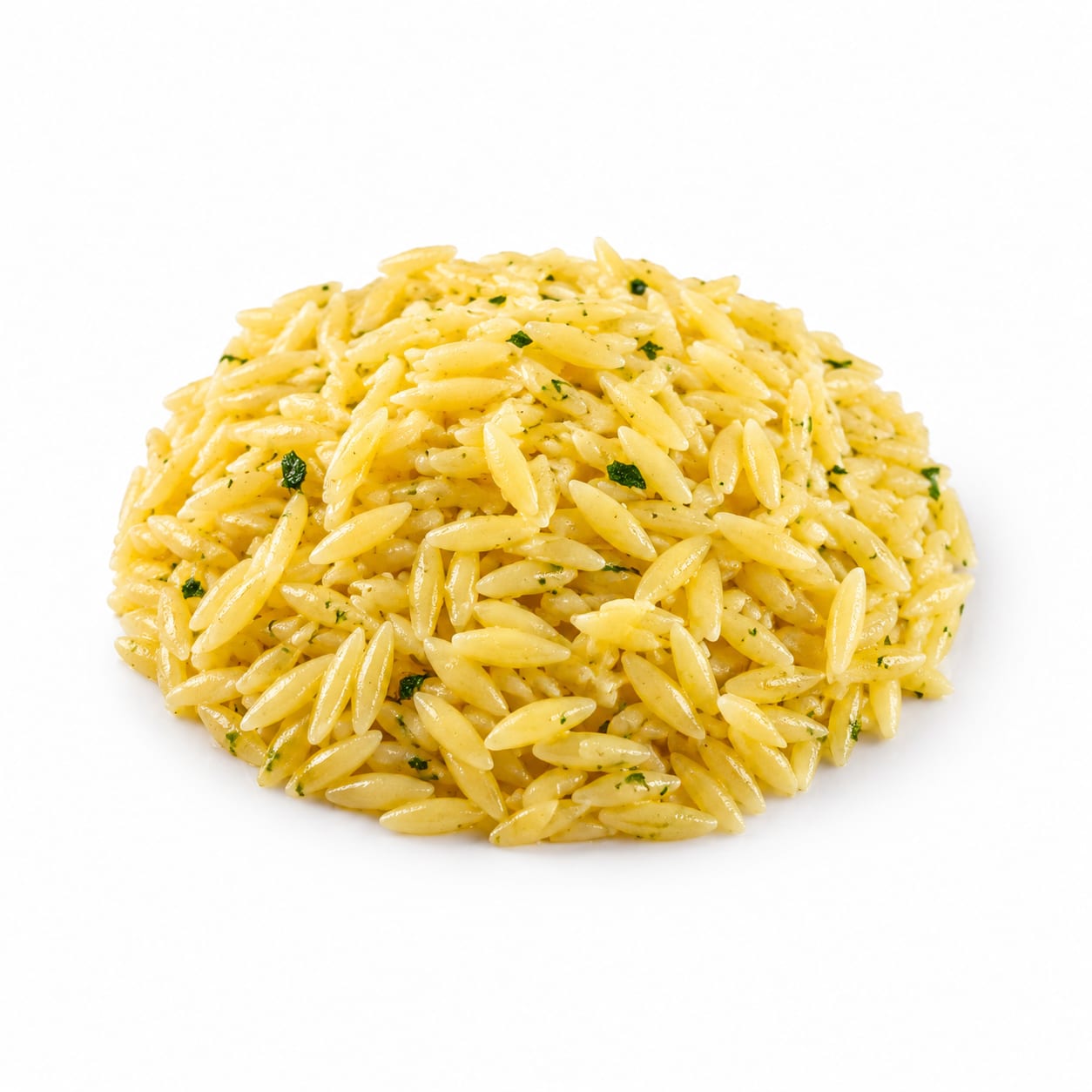
Orzo
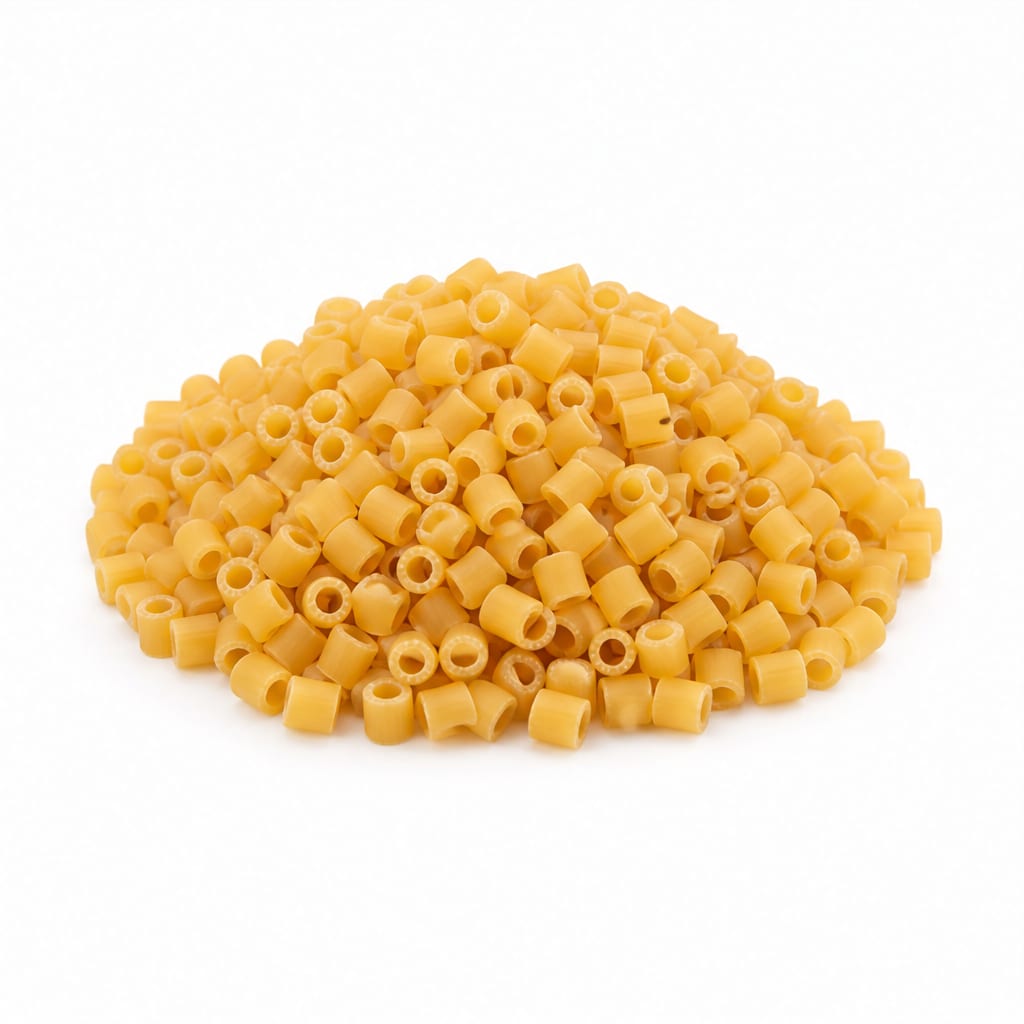
Ditalini Pasta
Orzo and Ditalini are nutritionally nearly identical refined wheat pastas — the real difference is how their shape changes your eating experience and recipe fit.
These scores are nearly tied because Orzo and Ditalini are fundamentally the same ingredient in different forms. The slight edge to Orzo reflects marginally faster cooking and broader versatility as a rice substitute, while Ditalini's advantage in soup durability doesn't shift the overall balance much.
Orzo cooks faster and works beautifully as a rice substitute, while Ditalini holds its shape better in soups and delivers a slightly more satisfying bite per forkful.
At a glance
Executive summary
Overall
It depends
Healthier
It depends
More practical
Orzo
Daily use
It depends
Key comparison lenses
shape-based texture and satiety differences
Both are small wheat pastas, so the real decision comes down to how shape affects eating experience, sauce absorption, and fullness
culinary versatility and soup performance
Users choosing between these are usually deciding what works better in a specific recipe, especially soups and salads
glycemic impact and blood sugar considerations
Both are refined carbohydrates, but shape density and surface area can slightly alter how quickly glucose hits the bloodstream
portion control and overeating risk
Small pasta shapes are easy to overserve, and the shape that feels more filling per calorie matters for weight management
Best choice for
Orzo
- Grain bowls and pilaf-style dishes
- Quick weeknight sides when you need something fast
- Salads where a light, rice-like texture is desired
- Families wanting a rice alternative that cooks in minutes
Ditalini Pasta
- Hearty soups and stews where pasta must not disintegrate
- Pasta e fagioli and minestrone
- Dishes where a chewy, substantial bite matters
- Meal prep that involves reheating with liquid
Least suitable for
Orzo
- Long-simmering soups where pasta integrity matters
- Dishes where you want a distinct, chewy pasta presence
- Anyone prone to overeating small slippery shapes
Ditalini Pasta
- Quick side dishes where fast cooking is essential
- Recipes mimicking rice or couscous texture
- Light, delicate salads where a tube shape feels clunky
Deep comparison
Dimension by dimension
Each lens scores both foods and breaks down who each option suits.
- Dimension 1 · Priority 88Ditalini Pasta
satiety and fullness per serving
Orzo · 42Ditalini Pasta · 55Ditalini's tubular shape and denser bite make each mouthful feel more substantial, while Orzo's slippery rice-like form can disappear on the palate faster.
Tradeoff
Ditalini feels more filling per equal calorie serving, but Orzo's lighter mouthfeel can be preferable when you want a less heavy meal.
Why it matters
If you're trying to feel satisfied on fewer calories, the shape that slows down eating and feels more substantial gives a real advantage.
Real-world impact
A bowl of Ditalini soup feels like a meal. A bowl of Orzo soup can feel like you barely ate, pushing you toward seconds.
Orzo
- Light lunches where you don't want to feel stuffed
- Hot days when heavy food sounds unappealing
Better for
- Anyone who finds themselves going back for seconds too often
Worse for
Ditalini Pasta
- Weight management where feeling full matters
- Dinner portions where satisfaction prevents late snacking
Better for
- Occasions where a lighter, less filling side is preferred
Worse for
- Dimension 2 · Priority 90Ditalini Pasta
soup and stew performance
Orzo · 40Ditalini Pasta · 85Ditalini is built for soup — the tube holds broth and maintains structure through simmering. Orzo tends to swell, soften, and turn cloudy as it sits in liquid.
Tradeoff
Ditalini excels in any dish with prolonged liquid exposure, while Orzo works better added at the last minute or served in dry preparations.
Why it matters
If your pasta is swimming in broth for more than a few minutes, the wrong shape turns your soup into starchy mush.
Real-world impact
Leftover Ditalini soup reheats beautifully the next day. Leftover Orzo soup often becomes a thick, gummy porridge.
Orzo
- Quick soups served immediately after cooking
- Broth-based dishes where starch thickening is desired
Better for
- Any soup that sits on the stove or in the fridge overnight
Worse for
Ditalini Pasta
- Minestrone, pasta e fagioli, and any slow-simmered soup
- Meal prep soups that will be reheated over several days
- Cold pasta salads with vinaigrette that need structure
Better for
- Recipes where you want pasta to dissolve and thicken the broth
Worse for
- Dimension 3 · Priority 78Orzo
cooking speed and convenience
Orzo · 75Ditalini Pasta · 60Orzo's flat, thin shape cooks through in 8-9 minutes, while Ditalini's thicker walls typically need 10-12 minutes for proper tenderness.
Tradeoff
Orzo saves a few minutes on busy nights, but Ditalini's extra cooking time buys you better texture resilience if you accidentally overcook.
Why it matters
When you're throwing together a weeknight side dish, 2-3 minutes less cooking time actually matters.
Real-world impact
Orzo can be ready by the time you finish sautéing vegetables. Ditalini keeps you waiting just long enough to check your phone and forget about it.
Orzo
- Rushed weeknight cooking
- One-pot meals where pasta cooks directly in sauce
Better for
- Anyone who tends to walk away and overcook pasta
Worse for
Ditalini Pasta
- Situations where forgiving cook times reduce stress
- Simmered dishes where pasta goes in early anyway
Better for
- Time-pressed cooks wanting minimal active attention
Worse for
- Dimension 4 · Priority 72It depends
blood sugar impact
Orzo · 48Ditalini Pasta · 52Both are refined durum wheat with similar glycemic loads. Ditalini's slightly denser structure may digest marginally slower, but the difference is negligible in practice.
Tradeoff
Neither is a good choice for blood sugar management on its own — the real factor is what you pair them with, not which shape you pick.
Why it matters
People with insulin resistance or diabetes sometimes assume small pasta shapes are lighter, but calorie and carb density are nearly identical.
Real-world impact
A cup of Orzo and a cup of Ditalini will spike your blood sugar almost identically. Adding protein, fat, and fiber to the meal matters far more than the shape.
Orzo
- No meaningful blood sugar advantage
Better for
- Same blood sugar concerns as any refined pasta
Worse for
Ditalini Pasta
- Theoretically marginally slower glucose release, but not enough to drive a real decision
Better for
- Same blood sugar concerns as any refined pasta
Worse for
- Dimension 5 · Priority 80Orzo
versatility across dish types
Orzo · 72Ditalini Pasta · 58Orzo works as a rice substitute, a salad grain, a pilaf base, and a soup addition. Ditalini is more specialized — excellent in soup, less convincing elsewhere.
Tradeoff
Orzo's broader range of applications makes it a more useful pantry staple, while Ditalini is a specialist that excels in fewer contexts.
Why it matters
If you only want to stock one small pasta shape, versatility matters more than peak performance in a single dish type.
Real-world impact
Orzo can replace rice in stir-fry-inspired bowls, work in cold salads, or sit beside a protein as a simple side. Ditalini mostly just wants to be in soup.
Orzo
- Pantry minimalists who want one shape that does many jobs
- Cooks who like rice-like textures in non-Asian dishes
Better for
- Traditional Italian soup recipes where Ditalini is canonical
Worse for
Ditalini Pasta
- Dedicated soup makers who always have broth on hand
- Italian home cooks building traditional recipes
Better for
- Any dish that isn't soup or stew
Worse for
- Dimension 6 · Priority 68Ditalini Pasta
portion control and overeating risk
Orzo · 38Ditalini Pasta · 52Orzo's small, slippery shape makes it dangerously easy to overserve. Ditalini's visible tubes are easier to eyeball and feel more portioned on a spoon.
Tradeoff
Ditalini gives better visual portion awareness, but both shapes are easy to overeat compared to larger pasta forms you can count.
Why it matters
With spaghetti you can count strands. With small shapes, a 'scoop' can easily be 2-3 servings before you realize it.
Real-world impact
That innocent ladle of Orzo from the pot is probably twice what you think. Ditalini at least looks like more on the spoon, slowing you down slightly.
Orzo
- No portion control advantage
Better for
- Anyone who struggles with carb portion sizes
- Mindless eating patterns where small shapes disappear fast
Worse for
Ditalini Pasta
- Slightly better visual feedback on serving size
- Tubular shape registers as 'more food' per spoonful
Better for
- Still easy to overeat compared to countable pasta shapes
Worse for
Timeline
Health impact over time
Short-term
Hours to days
Orzo
- Quick energy from refined carbohydrates that hits fast
- May leave you hungry again within 1-2 hours if eaten without protein or fat
- Light mouthfeel can fail to trigger fullness signals adequately
Ditalini Pasta
- Similar quick energy release with marginally more sustained feel
- Slightly more filling per serving due to denser bite and tubular structure
- Better satiety when served in broth-based soups with vegetables and legumes
Long-term
Months to years
Orzo
- Regular consumption as a staple carb without whole grain alternatives may contribute to elevated fasting blood sugar over time
- Easy to overconsume, which can quietly increase daily caloric intake
- Works well as part of a varied diet if paired with fiber-rich vegetables and lean proteins
Ditalini Pasta
- Nearly identical long-term metabolic profile to Orzo
- Slightly better satiety may help with unintentional overeating patterns
- Traditional pairing with beans and vegetables in Italian soups creates a more balanced meal pattern
Risk profile
Safety & processing
Both Orzo and Ditalini are made from the same refined durum wheat semolina with minimal additives. They are equally processed — this is standard pasta, not an ultra-processed food product loaded with emulsifiers or preservatives. The processing concern here is the refinement itself, not additives.
Orzo
Undercooking in quick-prep scenarios
lowOrzo's fast cook time tempts people to pull it slightly early, leaving a chalky center that's unappetizing but not dangerous.
Sodium in packaged Orzo mixes
mediumPre-seasoned Orzo side dish packets can contain 600-900mg sodium per serving, which is a concern for blood pressure management.
Ditalini Pasta
Sodium in canned Ditalini soup products
mediumCanned pasta soups using Ditalini are among the highest-sodium packaged foods, often exceeding 800mg per serving.
Hollow tube contamination in dry storage
lowDitalini's tubes can trap pantry pests or dust if stored improperly for long periods, slightly more than flat shapes like Orzo.
Who wins for whom
Audience fit
Same foods, different winners depending on your goal.
children
OrzoOrzo's rice-like texture is familiar and easy for small mouths. It works in kid-friendly preparations like buttered Orzo or simple chicken soup without the chewy resistance Ditalini tubes can have.
daily consumption
It dependsNeither should be a daily carb staple unless you're choosing whole-wheat versions. For occasional use, Orzo's versatility makes it more practical to keep on hand.
diabetes
It dependsNeither has a meaningful glycemic advantage. Both require careful portioning and pairing with protein, fat, and fiber. The shape difference does not change the clinical recommendation.
elderly
OrzoOrzo's softer, more uniform texture is gentler on aging teeth and easier to swallow. Ditalini's tubes can sometimes feel slightly firmer in the center even when fully cooked.
muscle gain
It dependsBoth provide identical carbohydrate fuel for training. Neither offers meaningful protein. Choose based on what you'll actually eat in a meal alongside your protein source.
weight loss
Ditalini PastaDitalini's more substantial bite and better soup compatibility make it easier to build satisfying, lower-calorie meals around — especially broth-based soups that fill you up on fewer calories.
Your move
Decision guide
Choose Orzo
- You want a rice substitute that cooks in under 10 minutes
- You're making grain bowls, pilafs, or cold pasta salads
- You're cooking for kids who prefer softer, familiar textures
- You only want to stock one small pasta shape for maximum versatility
- You need a light side dish that won't dominate the plate
Choose Ditalini Pasta
- You're making soup — especially minestrone, pasta e fagioli, or chicken soup
- You want pasta that holds up to reheating and next-day leftovers
- You find small slippery shapes too easy to overeat
- You're building hearty, filling meals where pasta plays a supporting role in broth
- You value a more satisfying chew in every bite
Either works if
- You're buying whole-wheat versions — the nutritional difference between shapes vanishes compared to the grain refinement difference
- You're pairing with robust sauce and protein where shape barely registers
- You're cooking for a group with mixed preferences
Avoid both if
- You need low-glycemic or keto-friendly carbs — these are refined wheat through and through
- You're sensitive to gluten or wheat
- You struggle with carb portion control and don't want easy-to-overeat small shapes in your pantry
- You have access to legume-based or whole-grain alternatives that would serve you better nutritionally
Final recommendation
Let the dish decide. If you're making soup, Ditalini is the clear winner — it holds shape, traps broth in its tubes, and reheats beautifully. For everything else, Orzo's versatility and lighter texture make it the more useful pantry staple. Neither is a nutritional standout, so prioritize whole-wheat versions of whichever shape you choose and always pair with protein, healthy fat, and vegetables to avoid the blood sugar rollercoaster that refined pasta delivers on its own.
Practical
Consumer tips
- 1
Buy whole-wheat Orzo or Ditalini whenever possible — the fiber difference is massive compared to the negligible shape difference
- 2
Cook Orzo slightly less than package directions if it will sit in residual heat, as it continues softening off the stove
- 3
Add Ditalini to soup 10 minutes before serving rather than at the start, even though it holds up better than Orzo
- 4
Measure dry pasta with a measuring cup before cooking — small shapes are notoriously easy to overpour straight from the box
- 5
Toss cooked Orzo with a little olive oil immediately if using in a cold salad to prevent clumping
- 6
Store both in airtight containers — Ditalini's tubes are slightly more prone to pantry pest intrusion than flat shapes
- 7
If blood sugar management matters, always pair either pasta with beans, which is traditional with Ditalini for good nutritional reason